

Listen to this article
Estimated 3 minutes
The audio version of this article is generated by AI-based technology. Mispronunciations can occur. We are working with our partners to continually review and improve the results.
With Ottawa’s supervised drug consumption sites now closed, a new grassroots organization is trying to teach people how to prevent overdoses.
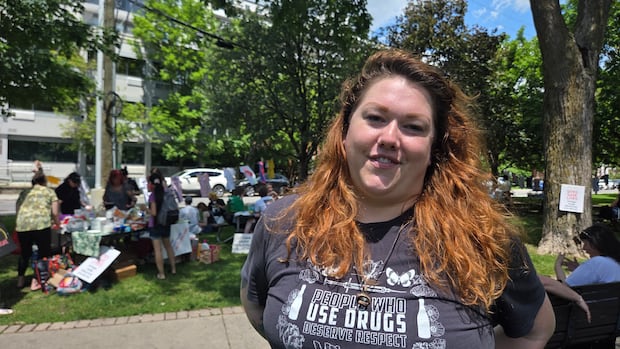
The Ottawa Harm Reduction Collective gathered for a potluck and naloxone training event in Minto Park Saturday, the same day that provincial funding for Ontario’s remaining sites came to an end.
Those who showed up got free training on how to administer naloxone, which temporarily reverses the effects of an opioid overdose.
“We wanted the community to know that our doors are open. We might not have a physical door, but we’re here and we’re trying,” said Lois Pond, a member of the collective who was out in the heat, encouraging people to learn more.
Pond said she was taught how to administer naloxone while working at a supervised drug consumption site.
Even though those sites are now closed in Ottawa, Pond said her group wants people to know the community is still there for anyone who needs help.
“I came across someone the other day on Bronson face down and had to act to them as well,” she said.
“So it started as a job and then it’s become so much more than that,” she said.
2 remaining sites closed for good
Supervised consumption sites allow drug users to inject or otherwise consume drugs under the eyes of trained staff to reduce the risk of overdose.
In mid-March, the province announced it intended to end funding for the remaining sites by June.
Ottawa Inner City Health, which ran the site known as The Trailer, closed its doors on June 12. The Sandy Hill Community Health Centre ended its supervised injection program the next day.
The province defended the decision and told CBC it is making “record investments” in other supports. That includes the Homeless and Addictions Recovery Treatment (HART) hubs that have gone up across the province, including two in Ottawa.
Pond said she worries about the impact the closures will have on drug users in the city.
“We know we’re going to lose so many of our community members … we’re a community that is terrified and devastated and we’re all grieving,” she said.
“We have hope, but not as much as we have grief.”
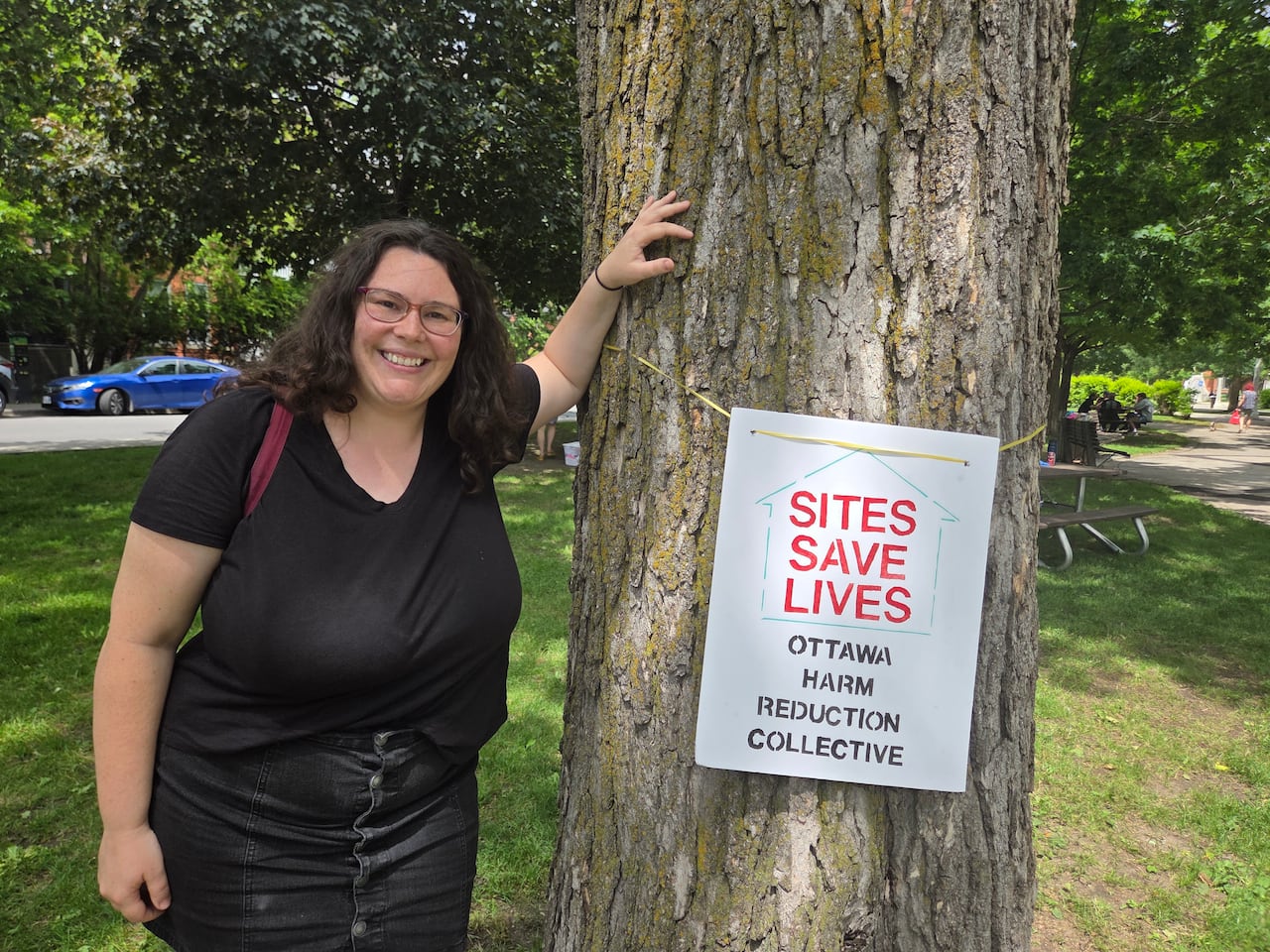 Adrienne Tuffin lauded the training she got Saturday, saying she learned not just how to use naloxone but also how to treat people who use drugs with respect. (Gabrielle Huston/CBC)’Keeping each other safe’
Kimm Chamberlin lives near the park and visited the event out of curiosity. She said she’s never had to use naloxone on someone before, but would if she had to.
“Living right downtown, we’re probably going to see [overdoses] a lot once those clinics are closed, which is very unfortunate,” she said.
Another attendee, Adrienne Tuffin, praised the training she got as it not only covered how to use naloxone but also how to treat drug users with dignity and respect.
“I’ve done CPR training [and] mental health training, so it feels just like another thing I should know about and be prepared to do,” she said.
Pond said even if people walk away from the training and still don’t feel confident giving someone naloxone, they could still help by offering their kit to someone else or encouraging others to learn how to use it.
“That’s what community is,” Pond said. “[It’s] keeping each other informed, keeping each other safe.”