

Listen to this article
Estimated 5 minutes
The audio version of this article is generated by AI-based technology. Mispronunciations can occur. We are working with our partners to continually review and improve the results.
The United States and Iran have reached a deal to end their war, U.S. President Donald Trump and Pakistani Prime Minister Shehbaz Sharif posted on Sunday.
“The Deal with the Islamic Republic of Iran is now complete,” Trump wrote on his Truth Social platform around 5:30 p.m. ET in Washington on Sunday, shortly after Sharif announced the agreement early on Monday local time in Pakistan, which has served as a mediator.
The precise terms of the deal were not immediately known. Sharif said the pact called for “the immediate and permanent termination of military operations on all fronts, including in Lebanon.”
Trump said the Strait of Hormuz, a critical shipping lane for global energy supplies that Iran has effectively shut down for months, would be open “toll free” and that a U.S. naval blockade of Iran ports would also end.
“Ships of the World, start your engines. Let the oil flow!” Trump wrote.
Following intensive talks, we are pleased to announce that the Peace Deal between the United States of America and Islamic Republic of Iran has been REACHED. Both sides have declared the immediate and permanent termination of military operations on all fronts, including in…
The deal will be officially signed on Friday in Switzerland, Sharif wrote.
Multiple sources previously told Reuters that the draft deal would reopen the Strait of Hormuz, end the U.S. blockade of Iranian ports and extend a ceasefire while leaving Iran’s nuclear program to be addressed during a 60-day period of additional talks.
Thousands of people have been killed, mostly in Iran and Lebanon, since U.S. and Israeli forces first attacked Iran on Feb. 28. Iran has struck Israel and Gulf states hosting U.S. bases and has effectively blockaded the Strait of Hormuz, pushing up global energy prices. U.S. forces have blocked Iranian ports in response.
WATCH | Iranians skeptical of deal: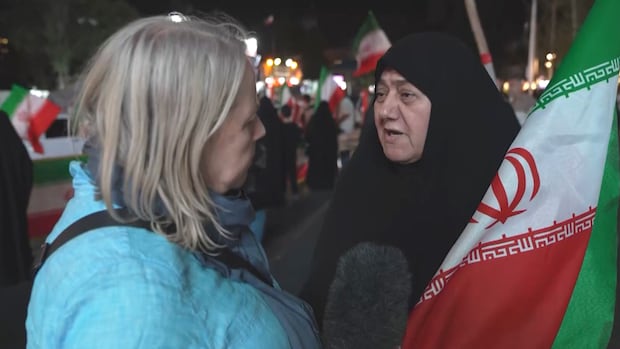
Trump, Tehran say peace deal is close, but Iranians don’t buy it
U.S. President Donald Trump and officials in Tehran suggest a peace deal is close, but nothing is signed. After several other promising announcements went nowhere, Iranians remain doubtful. CBC News is reporting from inside Iran.
Israel has said it was not party to the planned U.S.-Iran deal.
The Iran war has become a political liability at home for Trump and his fellow Republicans in Congress, with public opinion polls showing Americans deeply frustrated by rising gas prices ahead of November’s midterm elections in which control of Congress will be decided.
Israeli attack
The agreement was sealed despite an Israeli strike on Lebanon on Sunday that drew criticism from both Iran and Trump.
Earlier on Sunday, Iranian negotiator Mohammad Bagher Ghalibaf said in a social media post on X that Israel’s latest attack on the southern suburbs of Beirut, which Israel said targeted Iranian-backed Hezbollah militants, showed that the U.S. lacks “the will and ability to fulfill your commitments.”
Iran’s Foreign Affairs Ministry said it held the U.S. responsible for the attack. Iran warned of a “strong response,” and its top joint military command said the “finger [is] on the trigger” ready to fire at the “enemy’s heart.”
In a post on his Truth Social platform earlier on Sunday, Trump said: “This morning’s attack on Beirut should not have happened, particularly on a special day when we are so close to a Peace Deal with Iran.”
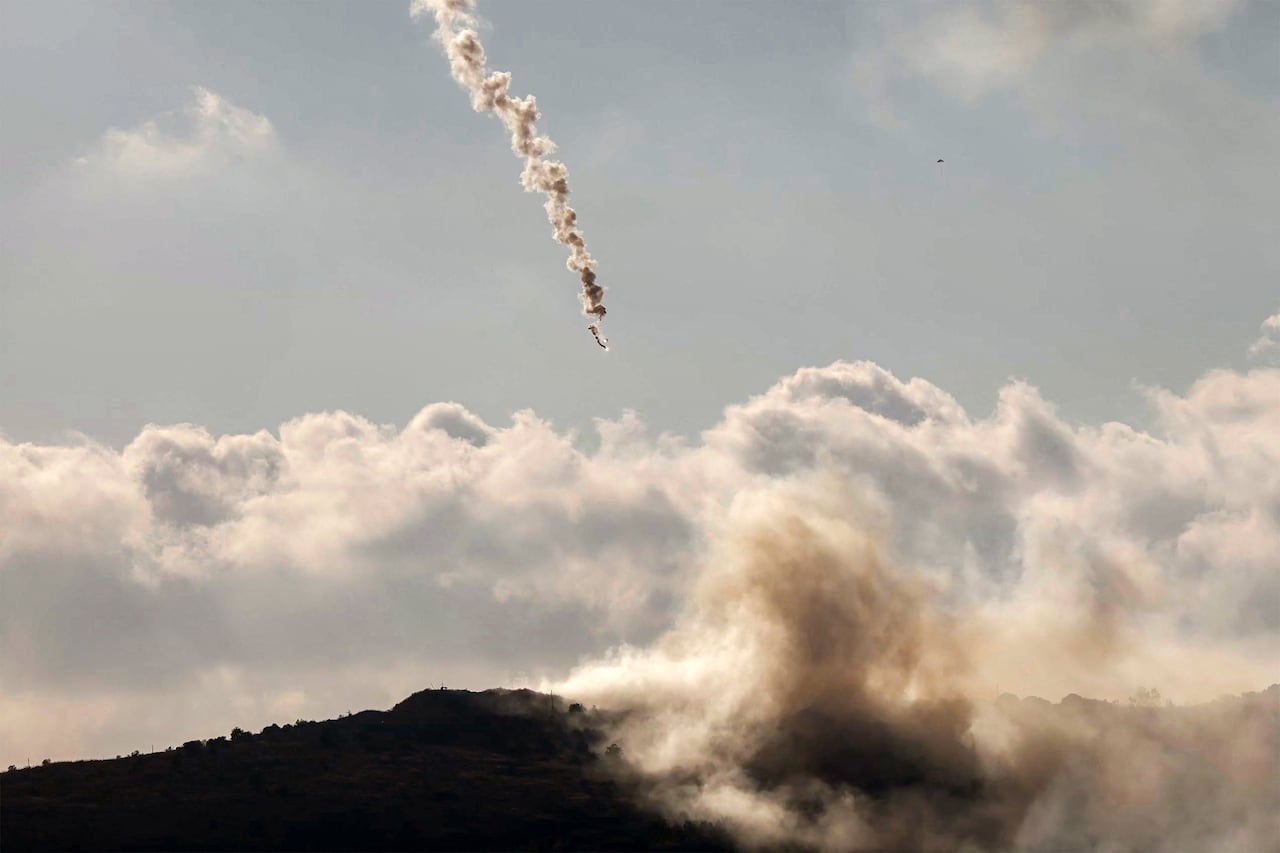 A projectile fired by the Israeli military lands in southern Lebanon on Sunday. (AFP/Getty Images)
Prime Minister Benjamin Netanyahu has differed with Trump over American demands that Israel curb its military action in Lebanon to allow the United States to reach a deal with Iran.
Fox News quoted an unidentified diplomat involved in the talks as saying the Israeli strikes complicated efforts to finalize the U.S.-Iran deal, calling them an attempt to sabotage those efforts.
Israel did not respond to the assertion. Israel has said it will retain freedom of operations in Lebanon, while Iran has made a full ceasefire there an important component of its demands.
Trump updated Netanyahu on the progress toward a peace deal during a phone call on Sunday, Israel’s N12 reported, citing a senior official.
Deal terms
A senior Iranian official earlier told Reuters that, under the terms of the draft deal, the United States would agree to release $25 billion of frozen Iranian assets, while Iran would agree not to produce or acquire nuclear weapons. The official said Iran agreed to maintain the nuclear status quo, including no uranium enrichment or expanding nuclear facilities, until a final deal is reached.
A U.S. official, speaking before the deal was announced, said the agreement would ultimately lead to the dismantling of Iran’s nuclear program, with its stockpile of highly enriched uranium to be destroyed and removed. A senior Iranian official said the draft deal would allow Iran, which denies seeking a nuclear bomb, to dilute its enriched uranium inside the country.
Qatari negotiators flew to Tehran on Sunday morning as part of efforts to finalize the agreement, a source with knowledge of the situation told Reuters.
At pro-government rallies across Iran on Saturday night, residents and news agencies reported that hardliners opposed to the framework agreement loudly voiced their dissatisfaction.
A resident in the northeastern city of Mashhad told Reuters that some protesters chanted “Death to the compromiser,” in an apparent reference to Foreign Minister Abbas Araghchi.