
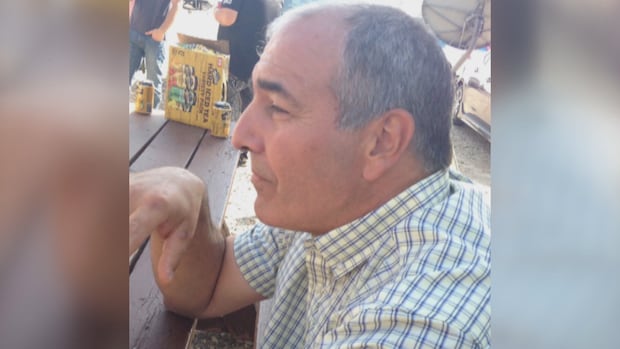
Michael Mullock was arrested and taken into custody for public intoxication outside a mall just north of Calgary in 2019, but he was not drunk and within 10 hours he was dead.
The 50-year-old man died in an RCMP holding cell in Airdrie.
The findings of a provincial fatality inquiry into his death were released last month.
Fatality inquiries are not intended to assign blame, but instead make recommendations to prevent a similar death in the future.
Justice Sandra Mah of the Alberta Court of Justice wrote in her inquiry report that RCMP testified Mullock showed signs of a high level of intoxication.
His speech was slurred, had glassy eyes, couldn’t stand on his own, was incoherent, unintelligible and confused. An officer testified Mullock told him he had consumed alcohol.
Officers testified Mullock had a strong smell of alcohol on his breath.
But Mullock wasn’t drunk. An autopsy found no signs of alcohol or other intoxicants.
In fact, he died of a subarachnoid hemorrhage, a rare type of stroke, according to an emergency room physician who testified at the inquiry.
Dr. Katherine Bateman said that type of stroke can be difficult to diagnose and a patient exhibiting symptoms could look like a patient who is intoxicated with alcohol.
Paramedics, policy breaches
Nearly two hours after Mullock was booked into cells the night of May 24, 2019, he vomited and RCMP officers called EMS.
The inquiry determined the advanced care paramedic who arrived that night didn’t properly follow patient care policies.
A Glasgow Coma Scale, a mandatory test to determine levels of consciousness, was not done.
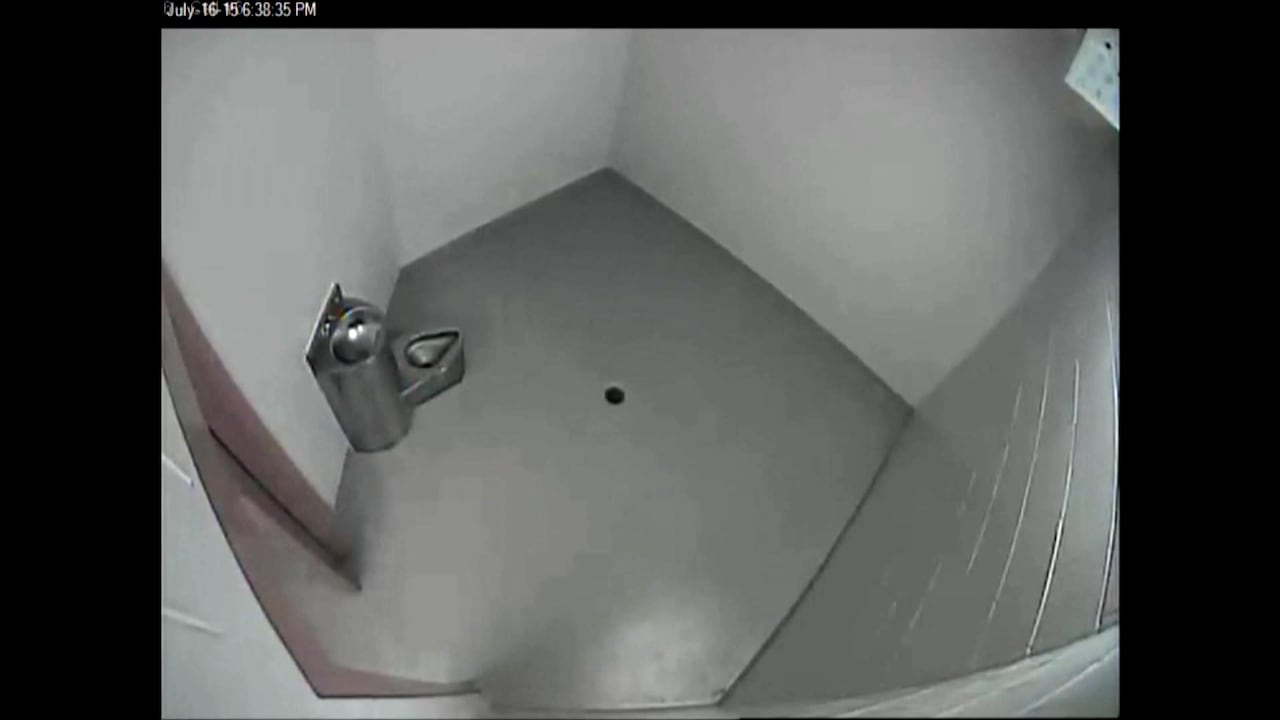 A CCTV image of a holding cell in the RCMP detachment in Airdrie, Alta. (RCMP)
The paramedic, who was working a double shift, acknowledged he did not ensure a “life-pack” to monitor vital signs was in place and properly sending data.
He also didn’t record blood glucose numbers.
The paramedic also admitted he erred by not talking to a doctor for a second opinion, something he should have done through a system available to paramedics called Online Medical Control.
Dan Charland, the director of quality and patient services for EMS, told the inquiry Mullock should have been taken to the hospital.
“If someone is at the level of intoxication where they are unable to answer questions or has the lack of capacity, AHS policy says EMS should automatically transport the patient,” Mah wrote in her summary of Charland’s testimony.
But paramedics left Mullock at the detachment around 11 p.m.
According to Mah, the acting RCMP watch commander that night told the inquiry “that EMS made the determination that he [Mullock] was fit to stay in the cell block.”
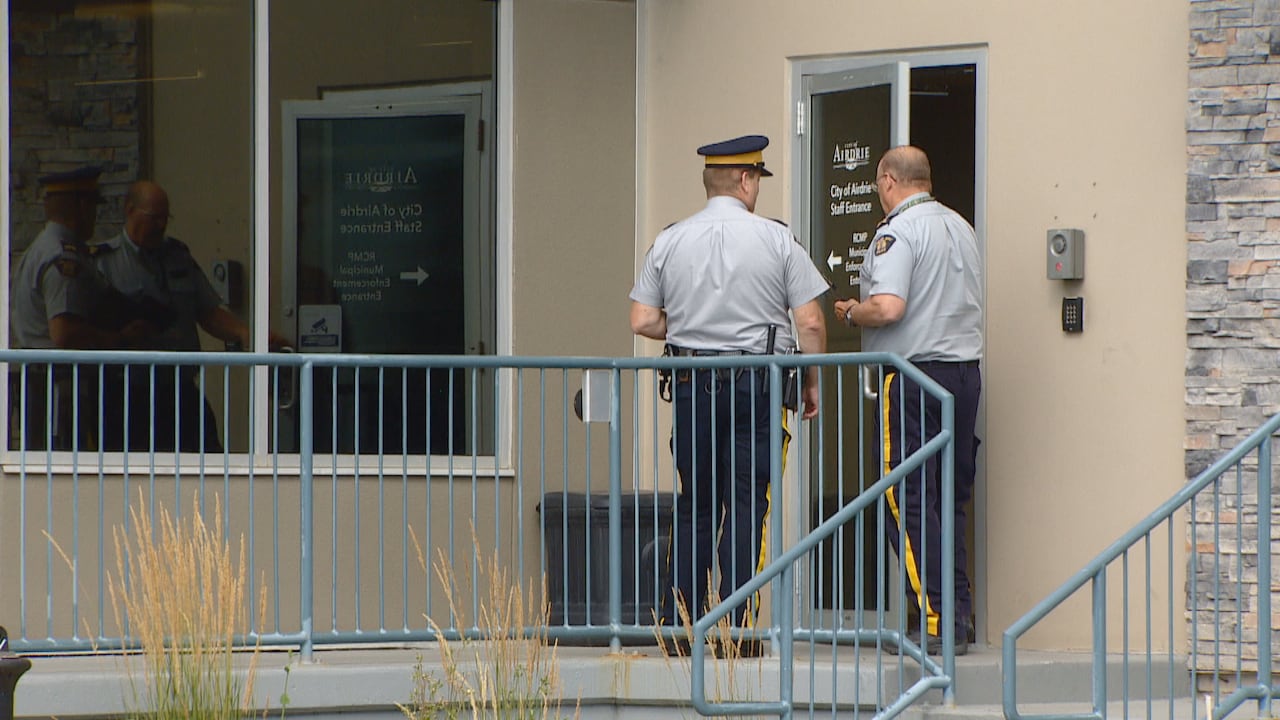 RCMP officers enter the detachment in Airdrie, Alta. (CBC)
A prisoner form, known as a C13, noted that a medical examination was conducted by EMS at 10:16 pm and said Mullock was fit for incarceration.
The inquiry report says EMS was advised by RCMP that Mullock would be observed every 15 minutes.
In Airdrie, guards employed by the Corps of Commissionaires under contract to the RCMP are responsible for checking on inmates.
A log book from that night shows a guard observed Mullock every 15 minutes and noted that he was lying on his stomach and snoring.
“But the guard did not follow up with ‘rousability’ checks or note any purposeful movements by Mullock,” the report said.
The report says the guard made no effort to rouse Mullock, something that should have been done every four hours, in addition to monitoring him through CCTV.
Mullock threw up again a few hours after paramedics left.
The acting watch commander told the inquiry he found Mullock lying on his back.
“He was concerned about Mullock throwing up again and choking on his vomit, so he moved Mullock into a recovery position. He did not think Mullock was in pain because Mullock was responding to his questions by grunting,” Mah said in her summary of the RCMP officer’s testimony.
The officer also told the inquiry that Mullock was snoring at around 4 a.m.
But at 6:30 a.m., Mullock was found unresponsive in his cell.
An officer who attended to him said Mullock was grey and cool and had likely been dead for “some time.”
CBC News reached out to Mullock’s family, but they declined a request for an interview.
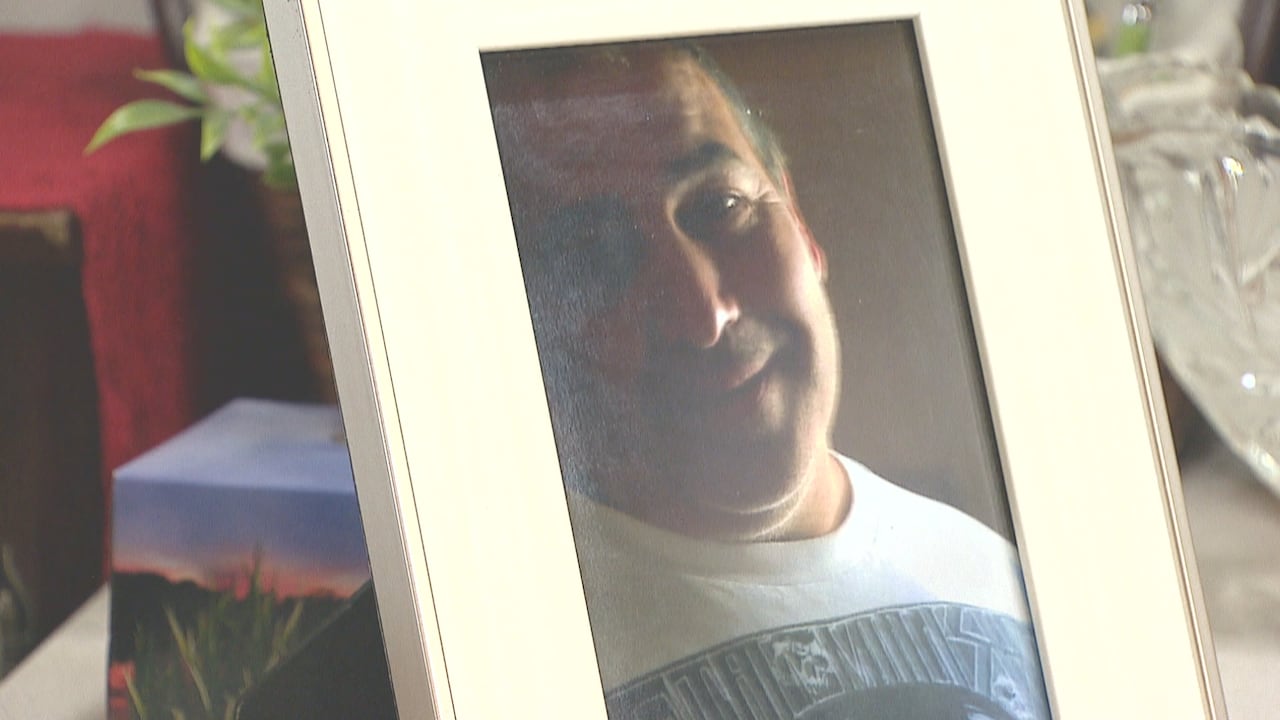 Photo of Michael Mullock, who died May 25, 2019 in an RCMP holding cell. (Submitted by the Mullock family)Recommendations for RCMP, AHS, paramedics
Mah made 12 recommendations for the RCMP, AHS, EMS, Corps of Commissionaires and the Alberta College of Paramedics to prevent a similar death from happening again, including that:
RCMP hire paramedics or nurses to assess people coming into cells. AHS give paramedics read-only access to Connect Care, which includes a patient’s medical history.AHS update the patient in custody protocol to identify symptoms of alcohol that can mimic an altered level of consciousness.AHS create a prompt on the EMS computer system that reminds them to contact a physician or transport a patient to hospital when certain criteria exist.AHS enhance in-custody protocol to remind EMS of certain red flag findings and reminders that other things can look like intoxication.AHS provide explicit communication to its paramedics and RCMP that EMS do not have the mandate or authority to give fit for incarceration or wellness check for incarceration.RCMP to review and determine what they are asking for from EMS when RCMP is requesting a fit for cells opinion.Communication be improved between RCMP and EMS for a better understanding of what the RCMP are asking of EMS and what EMS can provide.
The judge also noted a recent change in RCMP policy states that when a person comes in with a high level of intoxication, they’ll be taken to the hospital.
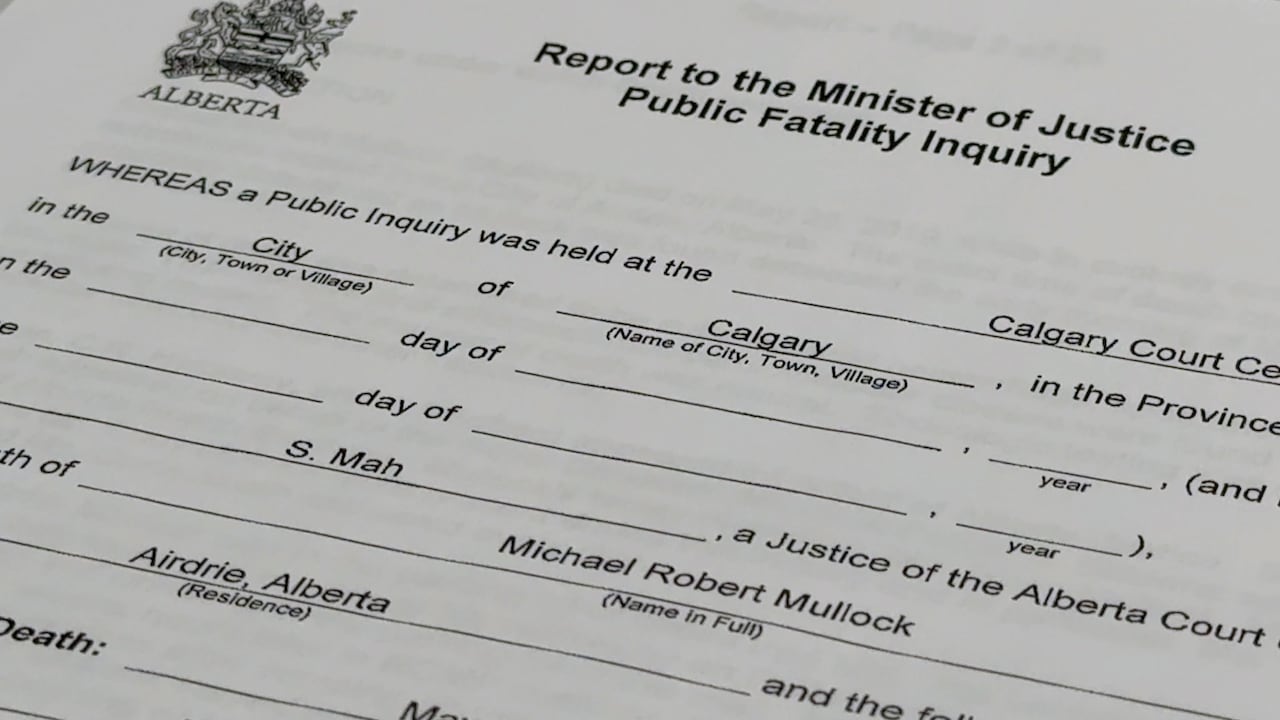 An image of the fatality inquiry report into the death of Michael Mullock, who died in RCMP custody in Airdrie, Alta. (Bryan Labby/CBC)
An RCMP spokesperson said the current policy is for officers “to seek medical assistance immediately” when dealing with an intoxicated person who shows symptoms including known or suspected drug or alcohol overdose, withdrawal, or intoxication, “especially if the prisoner is unconscious or unresponsive.”
RCMP declined an interview request from CBC News, but said in a statement:
“While this death occurred in Alberta RCMP jurisdiction, any recommendations made by Justice Mah may have implications for the entire RCMP Police Force and would need to be reviewed at the national level. However, the Alberta RCMP are committed to working with the Alberta College of Paramedics and Alberta Health Services in improving medical protocols for those in RCMP custody. RCMP will now work with these partners to review and determine the best course of action for these recommendations.”
An Edmonton-based RCMP officer investigated Mullock’s case to determine whether there was “action or inaction by the police or anybody else that would engage a Criminal Code offence.”
He determined there was no breach of RCMP policy and made no recommendations.
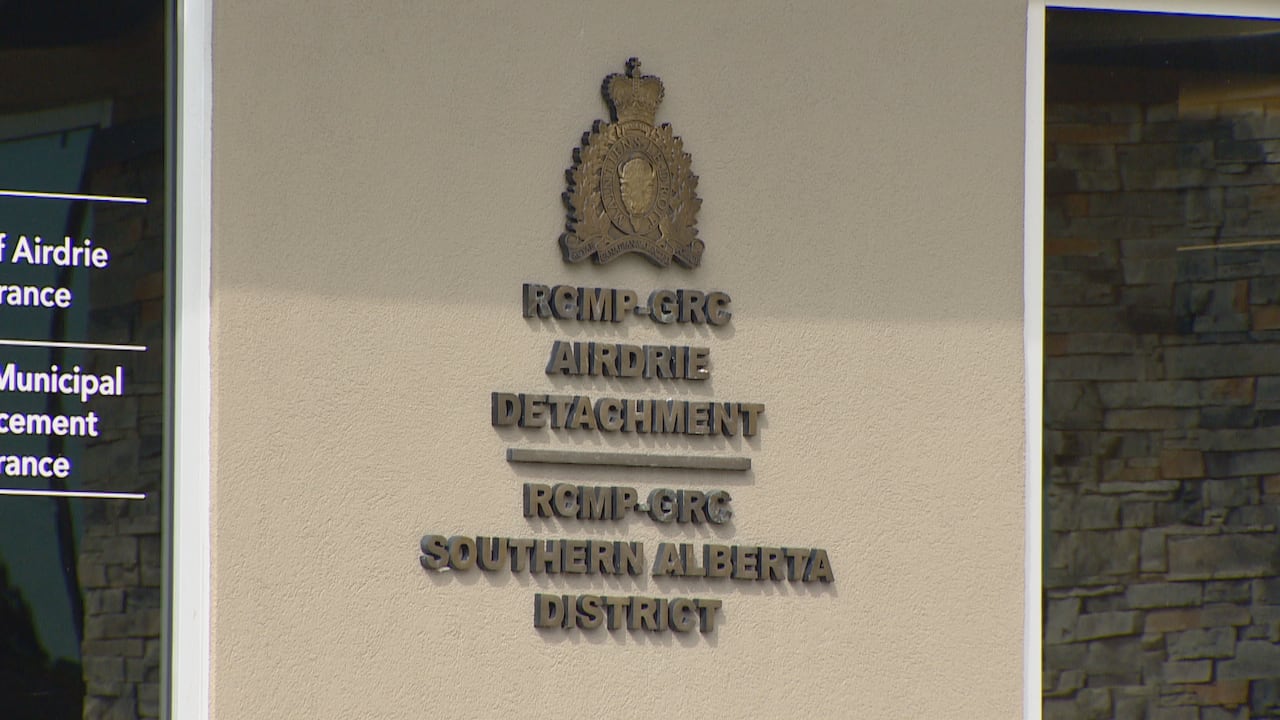 The RCMP detachment in Airdrie, Alta. where Michael Mullock died after suffering a stroke while in custody. (CBC)
AHS was asked to comment on the fatality inquiry’s recommendations but did not respond before CBC’s deadline.
Mah also recommended the Alberta College of Paramedics, which regulates the paramedic practice in Alberta, “clearly communicate that there is confusion between fit for cells and wellness check and that there is a difference between fit for cells and wellness checks.”
The college wrote in a response to the inquiry that it will “consider collaborating with paramedic employers in developing practice guidance to reinforce the distinction between clinical assessment responsibilities and the use of non-clinical terminology within inter-agency contexts.”
The RCMP and the Commissionaires were asked to “improve alignment” to clarify who is responsible for reviewing the quality of work, supervision and compliance with RCMP policies to work as a guard at an RCMP facility. Mah also recommended improvements for checking on the guards’ performance and training.
Alberta Justice, which sent the recommendations to the various agencies, is still awaiting responses from the RCMP and AHS.
The CEO of the Commissionaires said in response to Alberta Justice that they will work with the RCMP to review the recommendations “and implement the necessary changes as appropriate.”
The ministry says responses are not mandatory, but there is a deadline of Sept. 14, 2026. Responses are posted publicly on the province’s open government portal, along with a note indicating if an agency failed to respond.