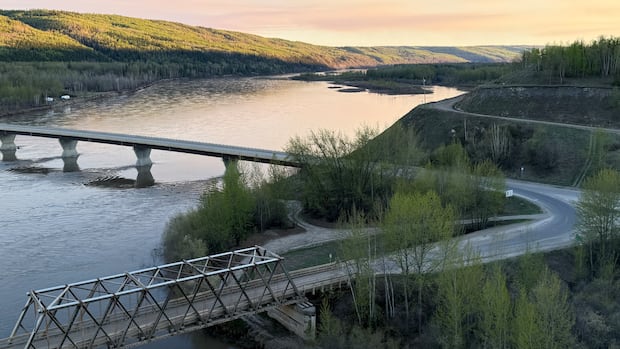
Farmers, First Nations and communities in northeastern B.C. are raising concerns as the NDP government re-examines a decades-old proposal for a fourth dam on the Peace River, a project currently banned from being built under provincial law.
Energy Minister Adrian Dix said Monday that the province is “seriously” re-examining the plan for a Site E dam at the confluence of the Peace and Alces rivers.
“Site E would just be madness,” said Ken Boon, president of the Peace Valley Landowner Association. “On every level, hydro dams just don’t make sense anymore. The impacts are too enormous.”
But B.C. Energy Minister Adrian Dix said the province needs to explore all options to meet a projected 50 per cent spike in power demand by 2050.
“We are gathering the information, we need to make the well-informed decisions on how best to meet the province’s energy needs,” Dix said.
“Large hydro is good for the climate, large hydro is good for the economy.”
Site E was first studied for hydroelectric potential in the 1970s near the Alberta border, along the same river valley already dammed by the W.A.C. Bennett and Peace Canyon dams.
It’s also downstream from the John Horgan Dam, formerly known as Site C, which was recently completed despite strong opposition from landowners and First Nations.
The project more than doubled in cost to $16 billion after significant geotechnical challenges during construction.
Boon said farmers are still dealing with the loss of thousands of acres of the region’s best farmland, along with Indigenous cultural sites and wildlife habitat flooded by the reservoir.
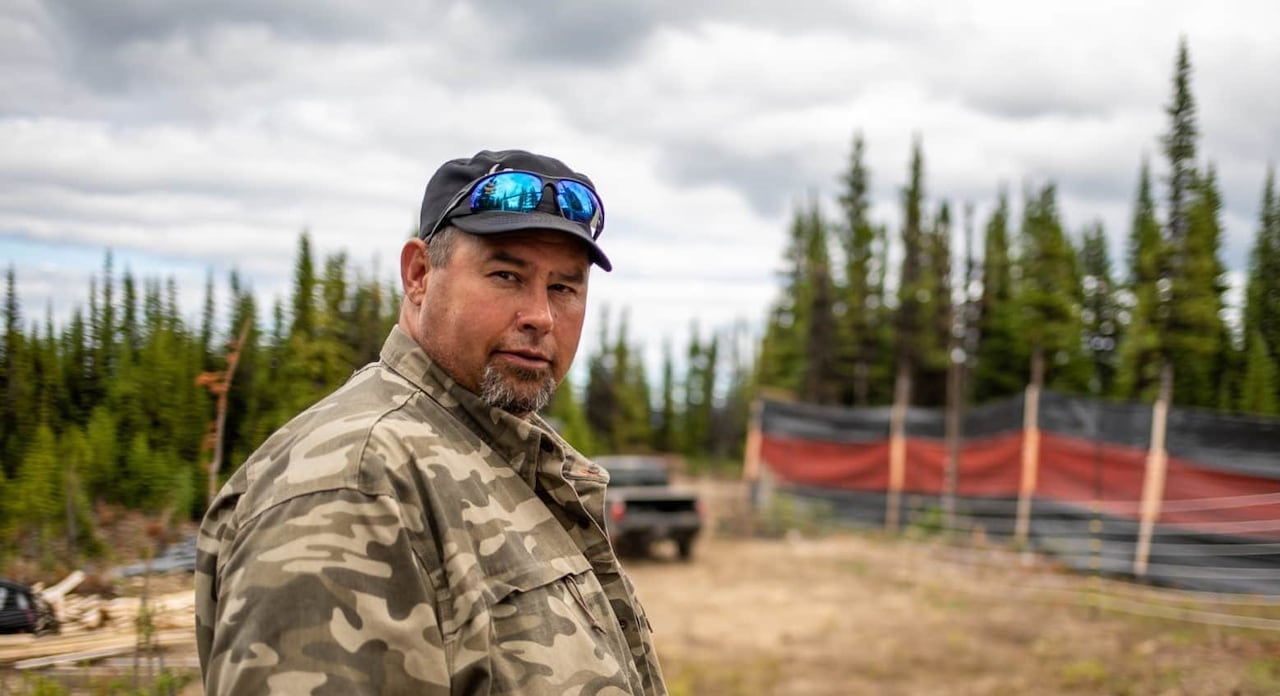
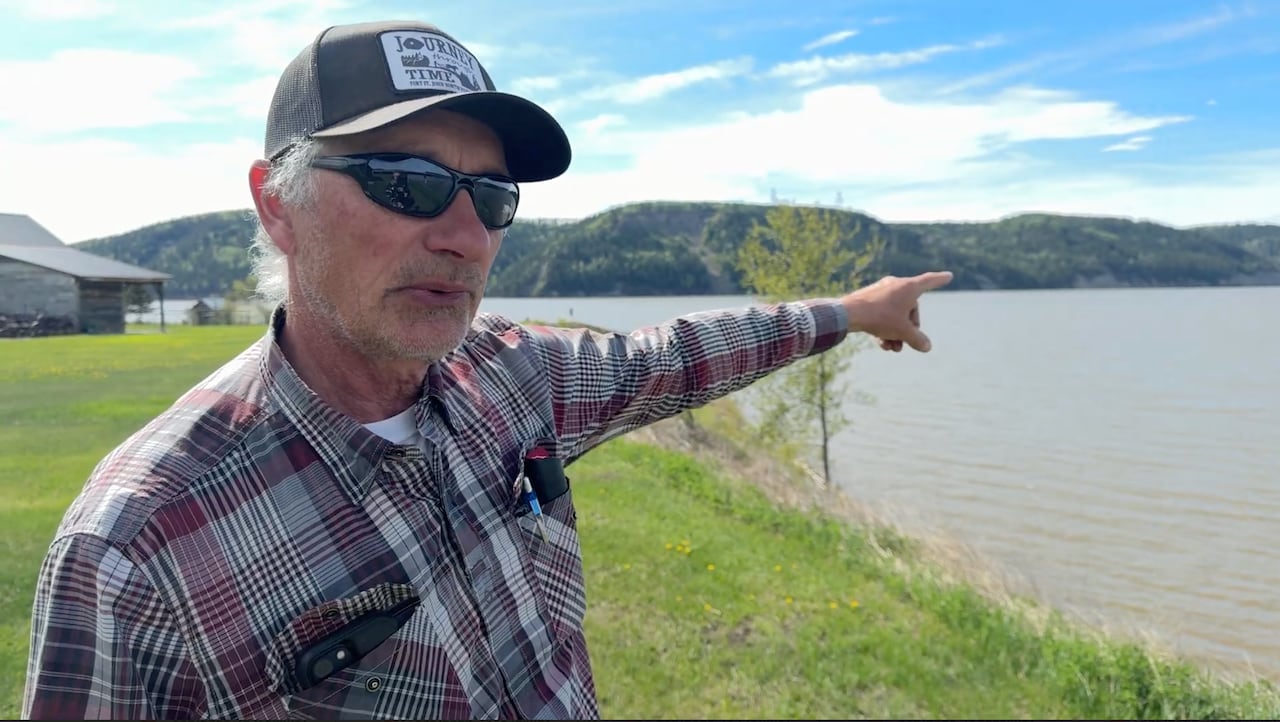 Ken Boon on his farm along the shore of the Site C reservoir, now named Nááchę mege, chosen by local First Nations and translated to “dreamer lake” in the Dane-Zaa language of the region. (Matt Preprost/CBC)
“Site C was a poor location and Site E would be just more of the same, or worse. Ratepayers can’t take any more financial hits,” Boon said.
“There’s so many cheaper alternatives on every level now, with renewables, with batteries, advances in geothermal. We’ve got to move on.”
Dix said the province is a long way from deciding whether to build the dam.
“One of the reasons we’re putting this on the table now is to make people aware,” he said.
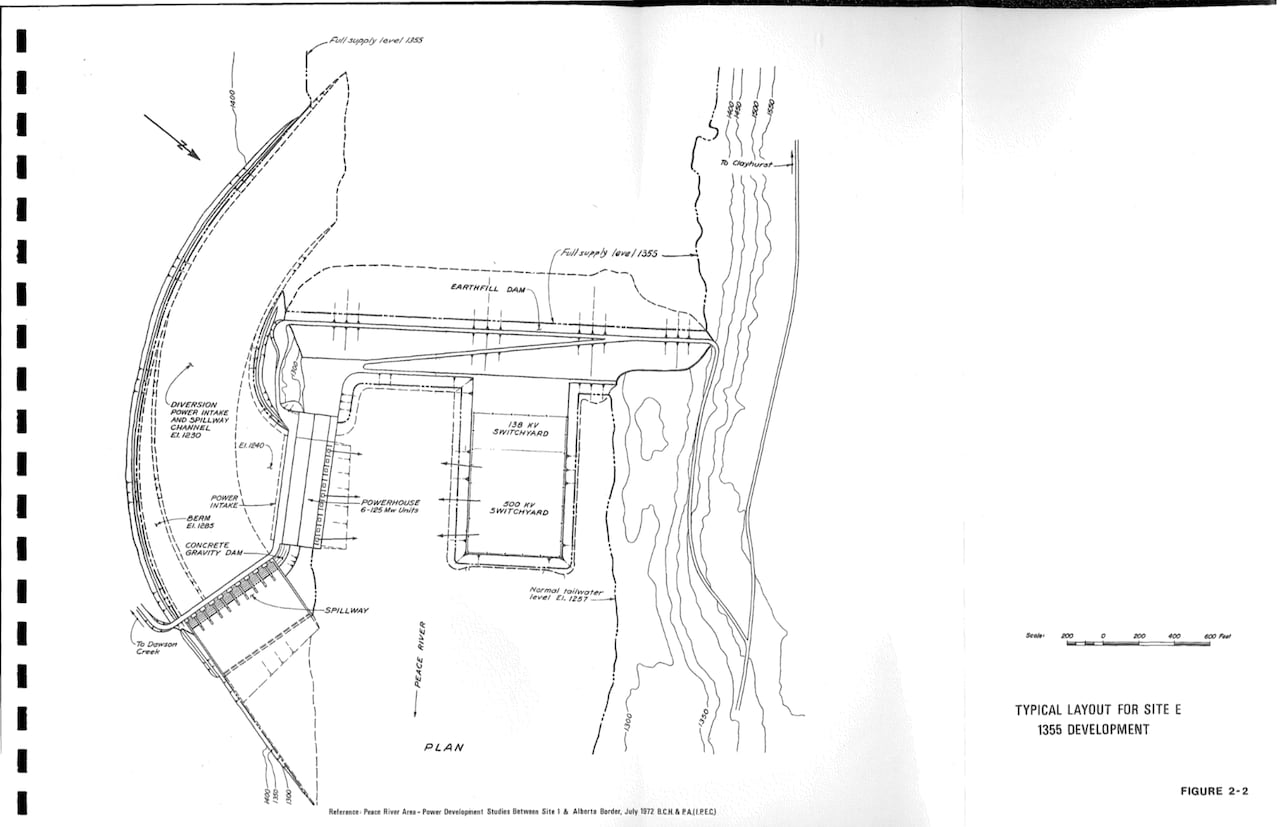 A technical drawing for a low elevation dam proposal at Site E on the Peace River capable of producing 750 megawatts of power, drafted during hydroelectric studies of the region in the 1970s. (BC Hydro)Prohibited under the Clean Energy Act
Local officials and past research say Site E could have a significant impact on the region, potentially flooding farmland, bridges, parks and a pipeline, while impacting the water supply for communities like Taylor and Fort St. John.
The project is also specifically prohibited from development under the Clean Energy Act, passed by Gordon Campbell’s government in 2010.
Dix said the province will introduce amendments this fall allowing for studies to take place.
LISTEN | B.C. government explores viability of two new hydroelectric projects:
Radio West10:45B.C. government explores viability of two new hydroelectric projects
Adrian Dix is B.C.’s Energy Minister. He says the province is floating the possibility of revisiting the Site E dam, in northeast B.C., and another project on the Homathko River on the Central coast.
Local government officials say they have not been consulted.
“We know that energy is needed, so something will have to be done. I’m not sure if a dam is the right answer,” said Brent Taillefer, mayor of the District of Taylor.
Taillefer said natural gas generation would be better suited to the region.
“Certainly take up far less footprint and be efficient and support the industry that we have here.”
Dix said the province will continue using existing gas plants to meet peak demands, but ruled out building new ones.
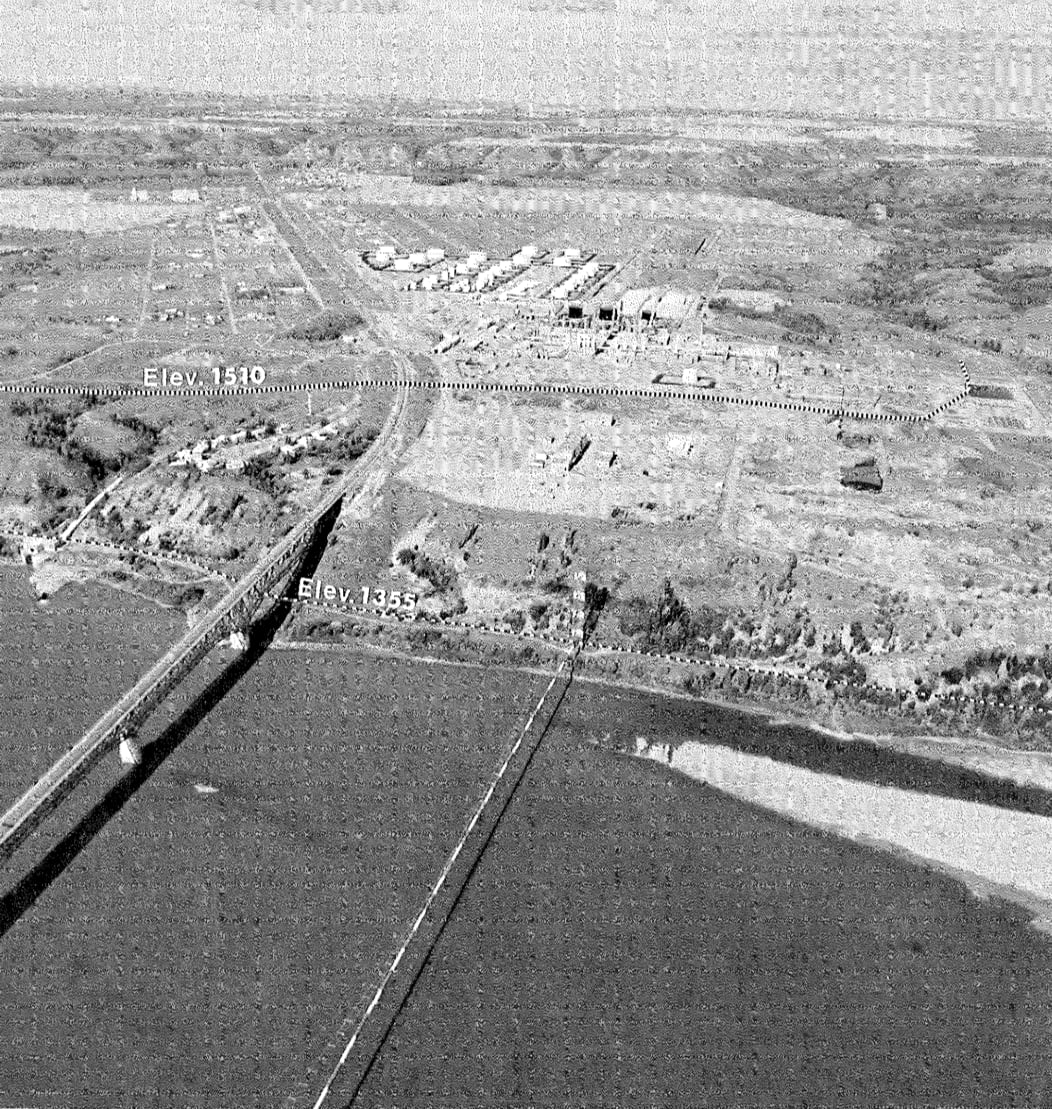 A photo of the District of Taylor along the Peace River, showing proposed high and low elevation Site E dam reservoir lines, created during hydroelectric studies of the region in the 1970s. (B.C. Hydro)Site E first studied in 1970s
B.C. Hydro studied Site E extensively in the early 1970s, estimating a low-elevation structure would flood about 7,700 hectares of land, generate 750 megawatts of power, and cost $500 million.
Hydro ultimately abandoned the location in favour of Site C, which it found to be “considerably more economic” to develop.
When the utility applied to the B.C. Utilities Commissions to build Site C in 1980, it said Site E “would have required major relocations, flooded considerably more farmland, resulted in extensive instability of the reservoir banks … and had a considerable effect on development in the Taylor area.”
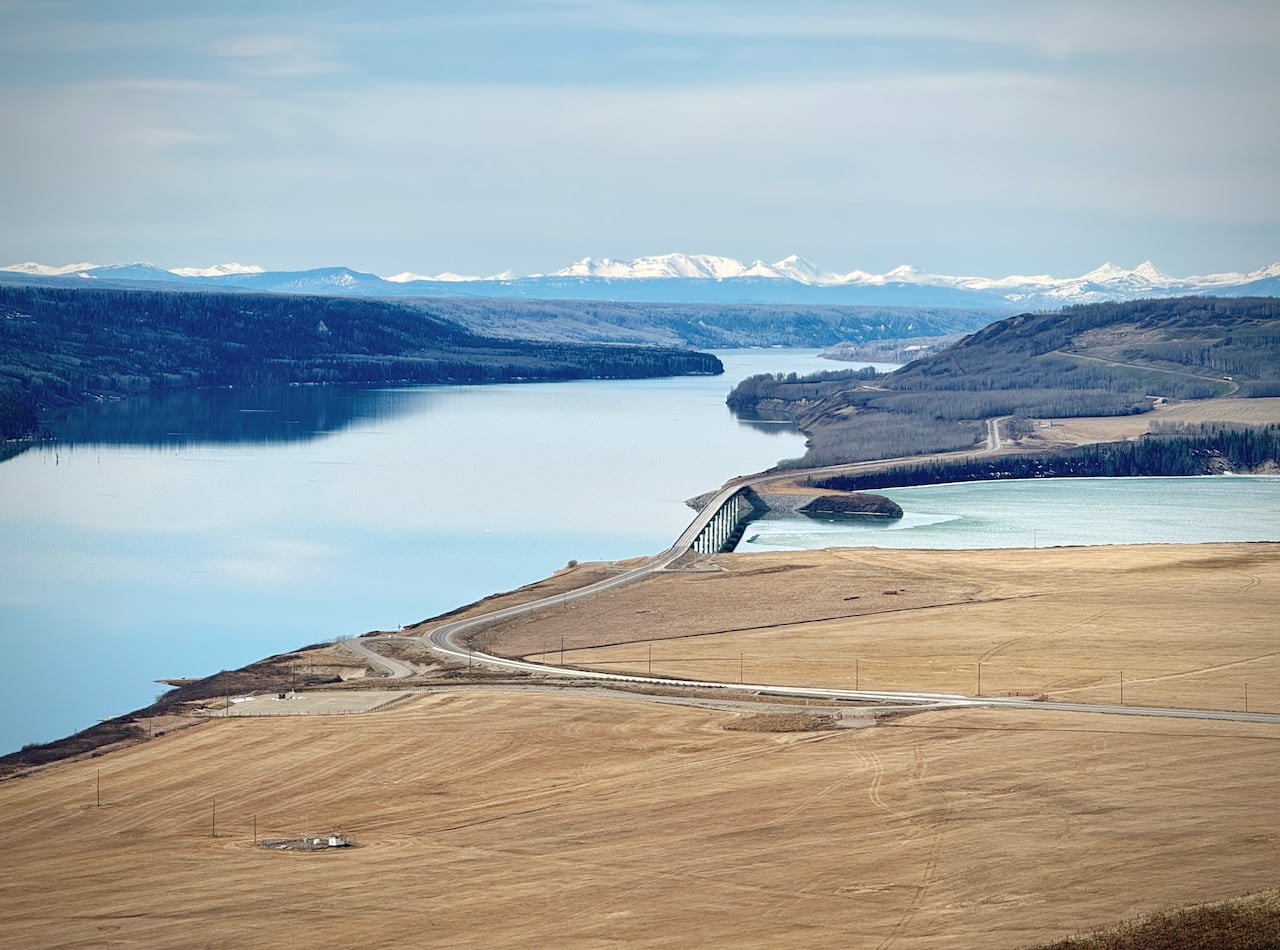 A view of the Site C reservoir where the Peace River meets the Halfway River in northeastern B.C. (Matt Preprost/CBC)
Dix said consultations with communities will follow the feasibility study.
“There is no worry about the question of consultation with First Nations and with communities and everyone else. There’s going to be a lot of that at a later stage,” Dix said.
“Right now, we want to make sure before we get into all that, that the project works and is viable.”
 West Moberly Chief Roland Willson says First Nations are still not being brought to the table early enough in development discussions. (Roland Wilson/contributed)Province hasn’t learned from Site C, chief says
West Moberly Chief Roland Willson said development in northeastern B.C. needs to include First Nations from the outset.
West Moberly was among several First Nations that fought Site C in court, arguing it violated treaty rights by flooding traditional territory already affected by decades of dam building and industrial development.
“Christy Clark, when she was premier, stood up there and called us naysayers and the voice of no, when all we were trying to do is protect the valley,” Willson told CBC News in an earlier interview.
“We never said no to the creation of energy. We said no to how the energy was going to be created.”
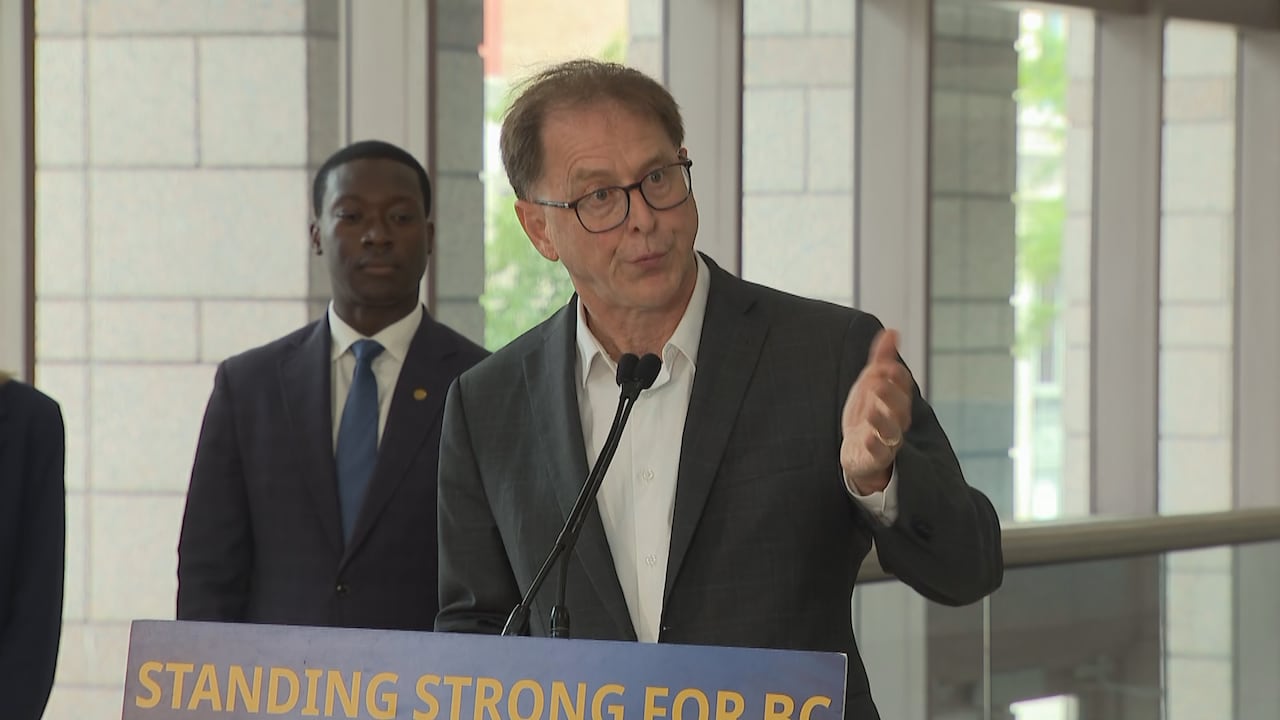 B.C. Energy Minister Adrian Dix says the province is seriously considering re-examining the Site E Dam on the Peace River. Dix spoke at a news conference Monday, June 15, 2026. (Cheï Lévesque/Radio-Canada)
Willson said a cumulative impacts claim remains paused while settlement talks continue.
But he added First Nations are still not being brought to the table early enough, pointing to calls for new wind power in the region.
He said his community only learned about some projects when companies approached the nation about partnerships for equity requirements.
“We had no idea what was going on,” he said. “That’s not what consultation is about. You don’t make a decision, then come and tell us about it.”
WATCH | Site C dam named after John Horgan: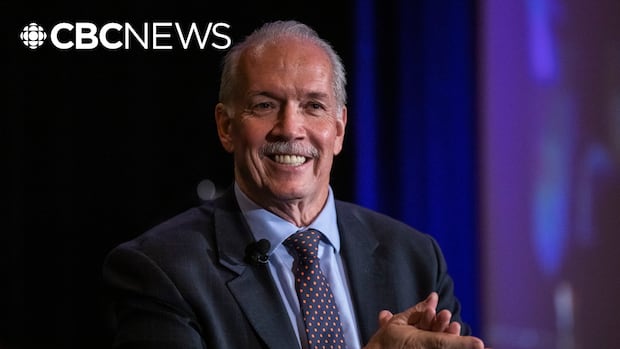
B.C. names Site C dam after late premier John Horgan
The Site C dam and reservoir in northeast B.C. officially have new names. As Matt Preprost reports, they reflect former premier John Horgan’s complicated history with the megaproject.
Subscribe to CBC’s Fort St. John Weekly for a roundup of the best news and stories from B.C.’s Peace and Northern Rockies.