

Listen to this article
Estimated 3 minutes
The audio version of this article is generated by AI-based technology. Mispronunciations can occur. We are working with our partners to continually review and improve the results.
The City of Ottawa is exploring a pilot program to help communities withstand extreme weather events, both before and after they hit.
The extreme weather preparedness grant would invest in local community organizations to support residents before, during and after meteorological emergencies including derechos, tornados and flooding.
The city’s environment committee approved the $1-million pilot on Tuesday. If city council follows suit, organizations will be able to apply for a maximum grant of $50,000 for help developing emergency plans and buying equipment such as mobile generators, flashlights and power banks.
Eligible applicants would include community associations, faith-based groups and other non-government organizations.
Preparing for the future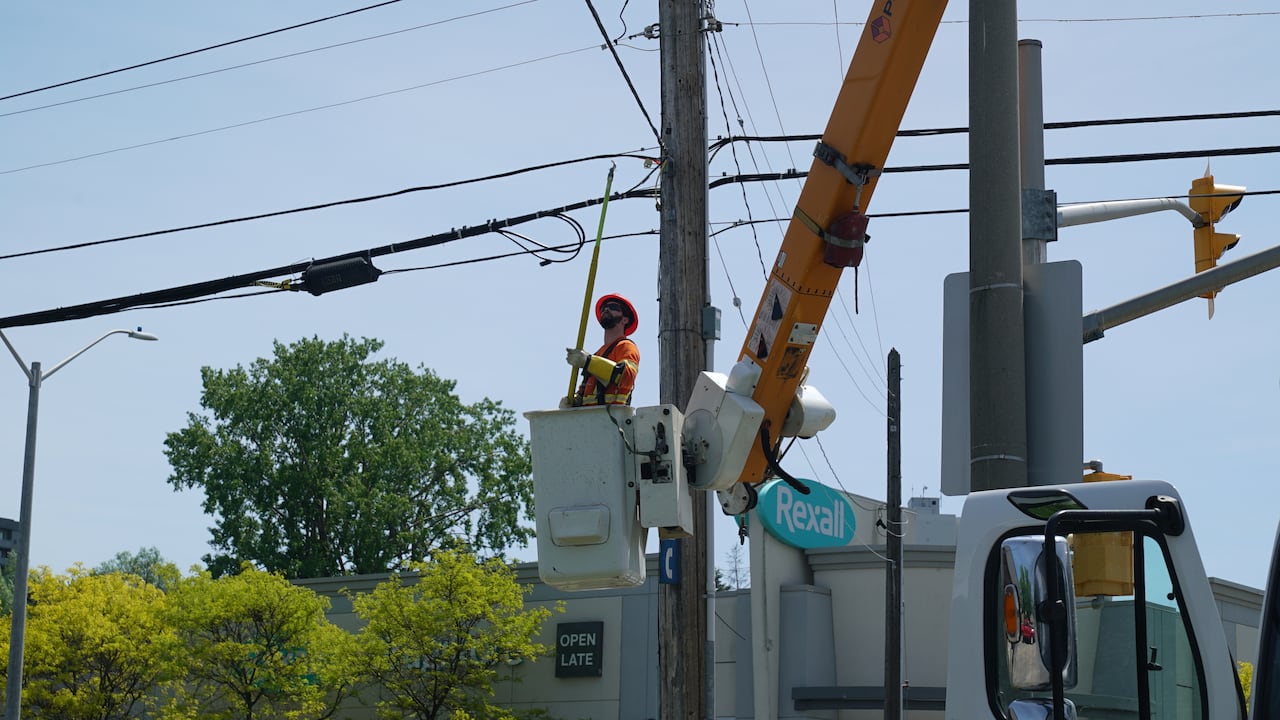 Hydro crews work on lines at Carling Avenue and Scrivens Street in Ottawa on May 25, 2022, days after a devastating derecho struck. (Matthew Kupfer/CBC)
Nichole Hoover-Bienasz, the city’s climate change and resiliency services director, said staff brought the idea forward in response to the increasing frequency of extreme weather events —events that are likely to become even more frequent in the future.
One such event was the derecho that swept Ottawa in 2022, packing winds of up to 190 km/h.
In the aftermath of that storm, the city began to encourage neighbourhood-level efforts to deal with natural disasters.
“The intent of this program is to help provide some of that funding to support them with the resources so that they can be better prepared to help support neighbors and helping support one another in the aftermath of extreme weather event,” Hoover-Bienasz said.
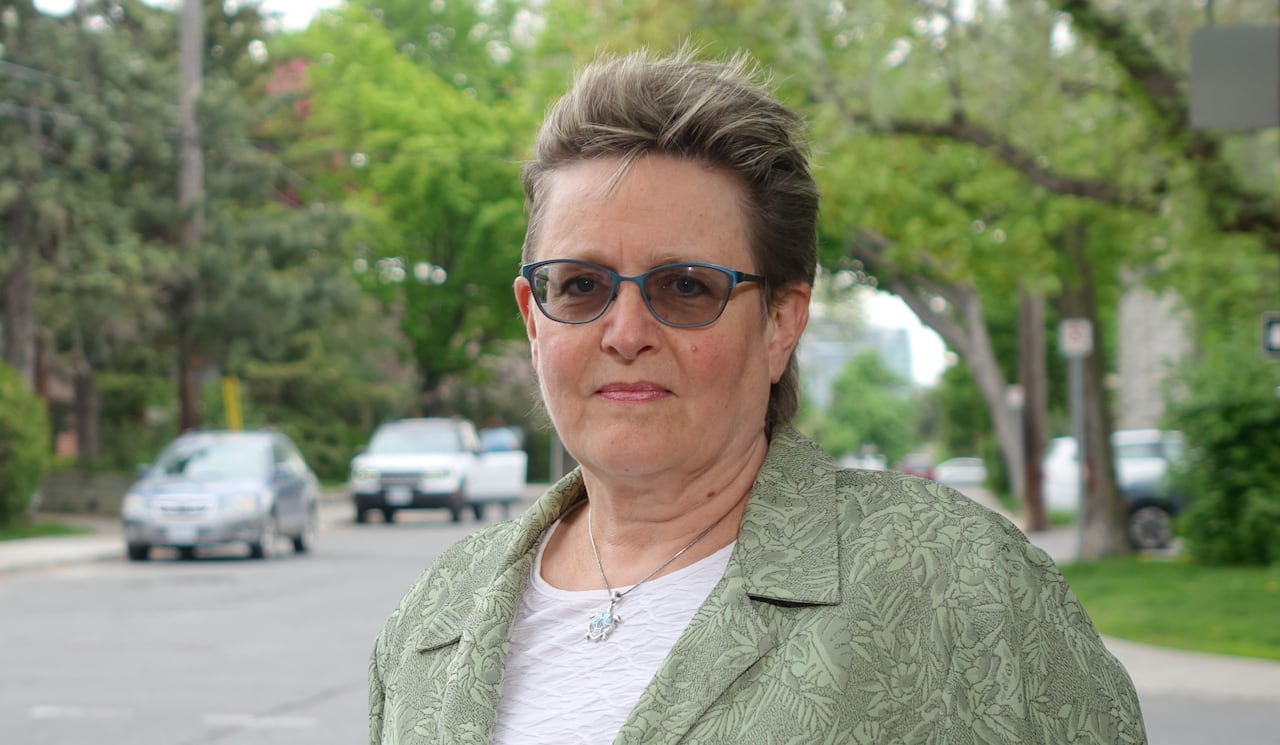 Angela Keller-Herzog is executive director of Community Associations for Environmental Sustainability. (Reno Patry/CBC)’Many, many gaps’
Angela Keller-Herzog, executive director of the advocacy group Community Action for Environmental Sustainability (CAFES), told councillors the program could help fill gaps in local emergency planning.
Keller-Herzog pointed to a city survey of 72 community organizations, fewer than one-third of which said they had a community emergency plan.
Respondents to that survey identified training, planning, co-ordination, public education, and maintaining communications and power during outages as top priorities.
“We’re very excited that the city is stepping up finally to implement something which actually gets to the sort of grassroots emergency preparedness,” she said. “We’ve been working on community resiliency for quite a few years and really understand that there are many, many gaps.”
John Crump, president of the Glebe Community Association, welcomed the new initiative and said his association will be thinking about applying for the grant and how to put it to good use.
“We spent many years thinking, ‘Oh, well climate change doesn’t affect us.’ And in fact, we learned in the last few years since the derecho, but maybe even before that, that yeah, for sure it has an effect on us,” he said.
Don Kelly, director of safety for the Blackburn Hamlet Community Association, told CBC in an email that he supports the initiative but sees gaps that need addressed.
Those include figuring out how and where to store equipment in the community, and who will manage it.
“Most communities depend entirely upon volunteers, and this could be a further burden that they cannot handle,” he said.