
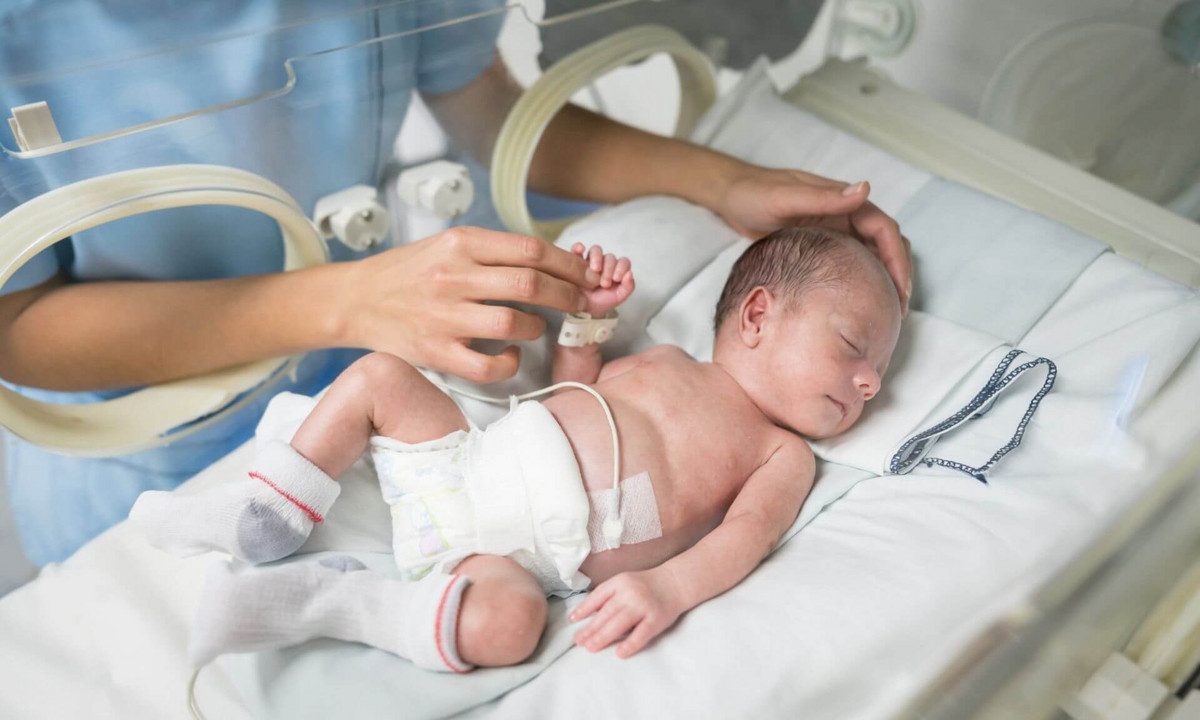
A longitudinal study has been established, and the team is completing data collection for the same children at age 5, before school entry, an important milestone in brain development.
The team is also preparing research proposals to study these children’s development at age 8.
“So that all premature infants can be screened at term-equivalent age, we are also working on developing normative charts that will establish reference values for brain oxygen availability and utilization,” said Dehaes.
“The goal would be to use these charts like head-circumference charts to determine whether values are normal for the child’s age,” he said.
By the numbers8% of births in Canada are premature241 babies born between 29 and 36 weeks of pregnancy were followed in the UdeM study90% completed the assessment at age 233% showed delays in at least one area of development29% showed language delays13% showed cognitive delaysSimilar results in babies with heart defects
Professor Dehaes’s research team has also applied the optical neuromonitoring technique to newborns with transposition of the great arteries (TGA), a congenital heart defect where blood is not sufficiently oxygenated when it reaches the brain.
In a study published in January in the Journal of Cerebral Blood Flow & Metabolism, 30 babies with TGA were followed. Dehaes and his team measured the babies’ cerebral blood flow and oxygen delivery within 72 hours after they had corrective cardiac surgery.
Results show that babies with TGA had lower oxygen delivery to the brain than healthy babies. More importantly, higher blood flow and oxygen delivery after surgery were associated with better motor and language scores at age 2.
The research demonstrates that the optical neuromonitoring technique can also serve as an early biomarker of neurological development in children with congenital heart defects, helping targeted interventions for a highly vulnerable pediatric population.