
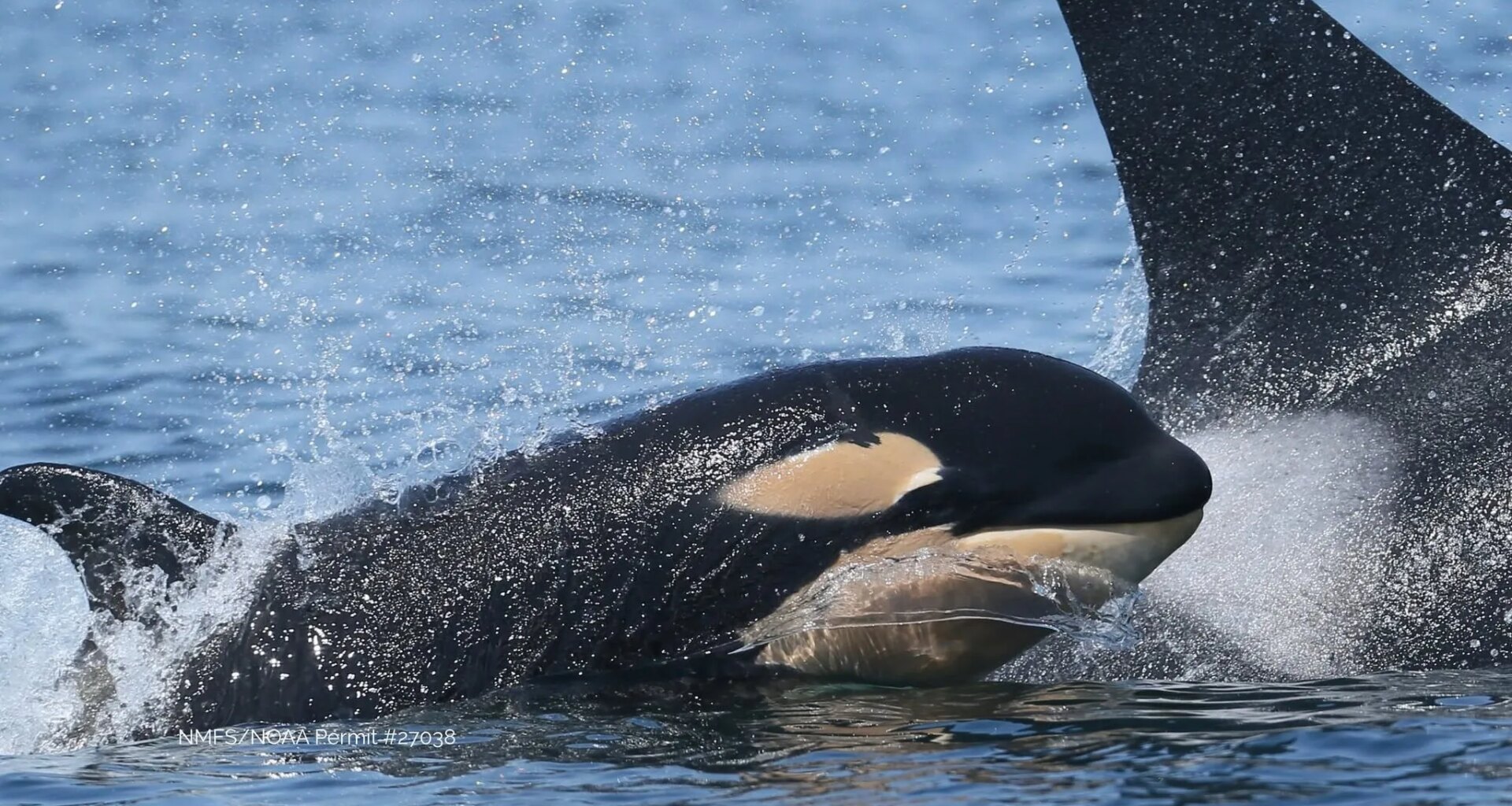
A new orca calf born to the critically endangered southern resident killer whale (SRKW) population was recently spotted in B.C.-area waters.
The orca, dubbed L130, is part of the L Pod and was first recorded on June 14, according to the Washington-based Center for Whale Research.
Researchers are still trying to confirm who its mother is, but are happy to see a new calf born to the endangered population.
“We’re thrilled to welcome a new calf during our 50th year working with this endangered population. Every calf is a reason for hope,” said the Center for Whale Research in a social media post Wednesday.
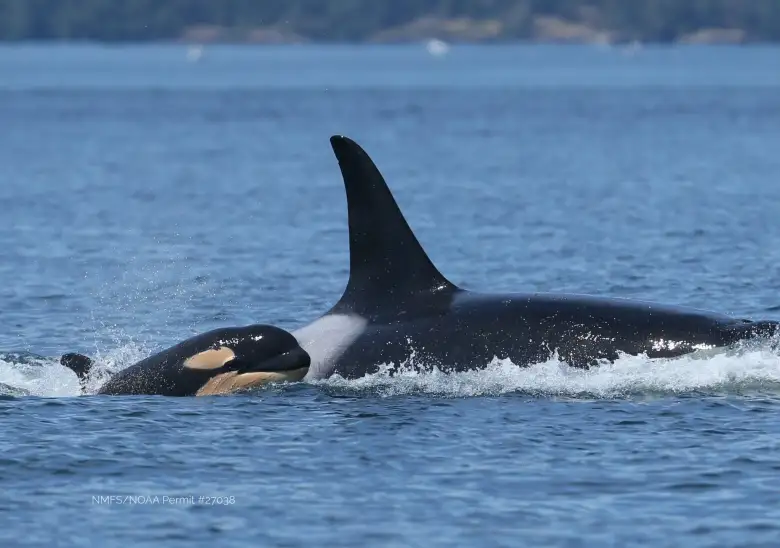 The new SRKW orca calf, L130, is shown. (Center for Whale Research/Facebook)
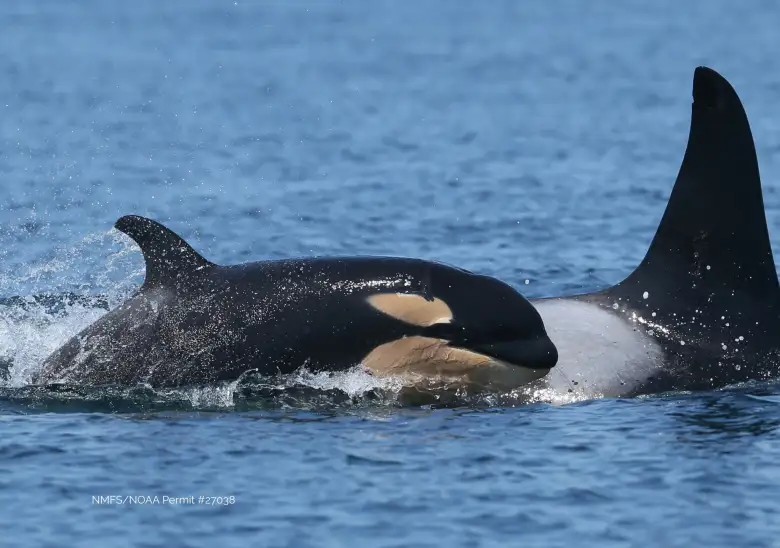 The new SRKW orca calf, L130, is shown. (Center for Whale Research/Facebook)
There’s roughly 75 SKRWs left in the wild, split between three pods – the L, J and K pods.
Their territory ranges from the waters around Vancouver Island north to Haida Gwaii and south as far as central California.
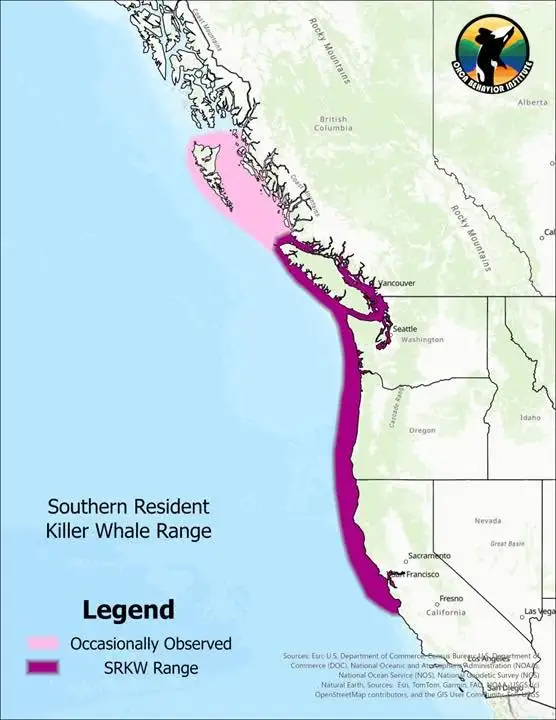 (Orca Behavior Institute / Facebook)
This week’s new orca calf comes a few months after another SKRW calf was born to the L pod, dubbed L129, which was observed on Feb. 16.
It also comes just weeks after new federal government rules came into effect requiring boats to stay 1,000 metres away from SRKWs, up from the previous minimum buffer zone of 400 metres.
Unlike their relatives – the Bigg’s killer whales, otherwise known as transient orcas – southern resident killer whales tend to stick to a smaller territory and feed primarily on chinook salmon, which are also declining in population.
Bigg’s killer whales are known to have a wider diet, including marine mammals like harbour seals, sea lions, and harbour porpoises.