
Patients only have a 4.5-hour window to be eligible for a critical stroke treatment, but less than 70 per cent of patients arrived at Sault Area Hospital on time in 2025
Out of 218 patients admitted to Sault Area Hospital’s acute stroke unit in 2025, only 68 per cent arrived in time to be eligible for a critical treatment.
Once symptoms begin, patients have four-and-a-half hours to be considered for powerful clot-busting drugs known as thrombolytics, which can dissolve dangerous blood clots and “stop stroke damage in its tracks,” according to a recent social media post by the hospital.
“Everything can be varied, but we have seen really dramatic (improvement) to the point where they don’t have to stay in the hospital at all anymore, and they get to go home and live their life without any symptoms afterwards,” said Rachel Parisien, district stroke coordinator.
Despite that, nearly a third of patients in 2025 did not arrive on time.
“It’s very often someone develops symptoms, and then they think, ‘I’ll just go to bed, and hopefully tomorrow I wake up and I feel better,’” Parisien said.
“If you see the signs of stroke, call 911 and get to the emergency department.”
Whether one side of your face is drooping, one of your arms feels weaker than the other, or you’re slurring your speech or saying words that don’t make sense, Parisien said it’s important to call 911 and request an ambulance immediately if you have symptoms.
Hospital officials hope to see more people seek care immediately when they experience symptoms of a stroke, as vital medications like thrombolytics – when applicable – lose effectiveness beyond the initial 4.5-hour window.
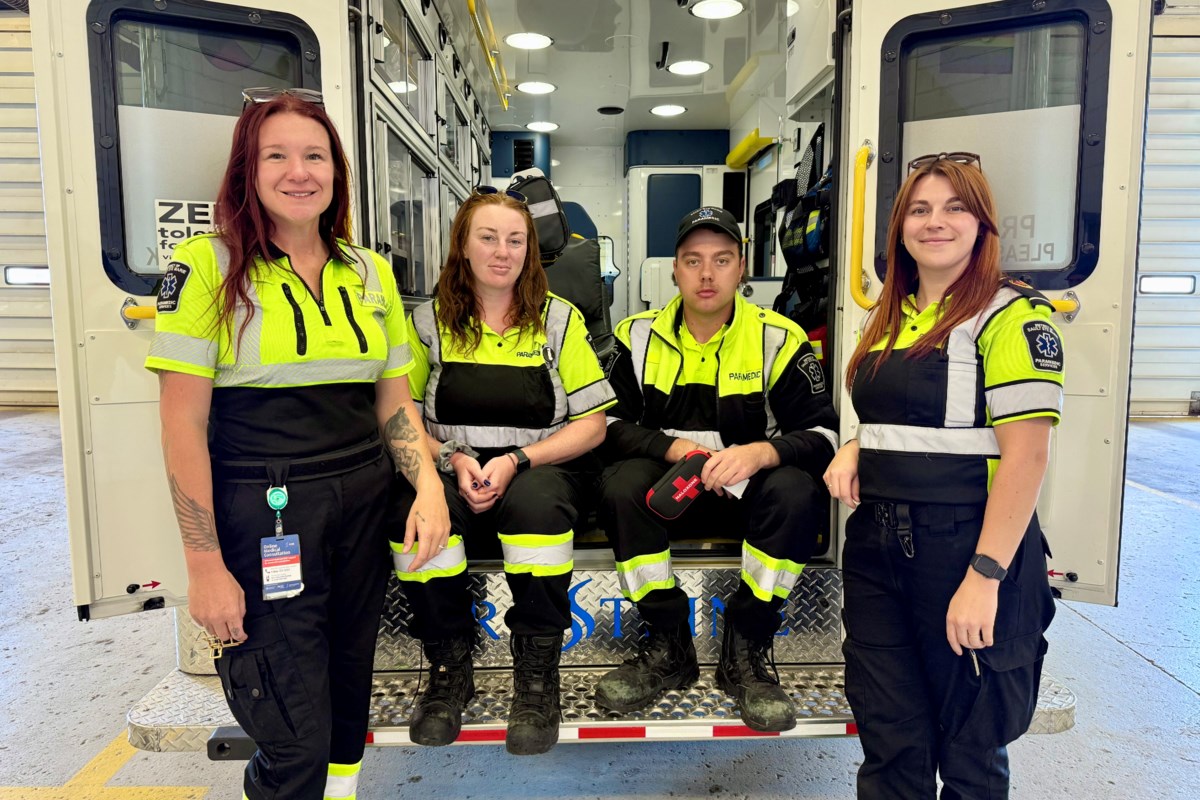
She advised against driving yourself or getting a loved one to bring you to the hospital, as paramedics can expedite the admission process – which is especially important when the appropriate treatment can be a race against time.
Only 65 per cent of patients admitted to the acute stroke unit through 2025 arrived by ambulance.
“The paramedics will activate the stroke team and the stroke protocols ahead of time so that we’re waiting for you,” she said.
Even in minor cases, Parisien said calling an ambulance and getting to the hospital as soon as possible is still the right move.
“Sometimes they resolve by the time you get to the hospital, and people think, ‘Oh no, I came here and I wasted everyone’s time,’ but that’s not true,” she said.
“That’s what we call a TIA – some people know it as a mini stroke, when the stroke resolves quickly – but that’s a warning sign of a potential bigger stroke in the future, so it does still connect you to all the services that we offer where we can work you up for a stroke and get you started on prevention medication.”