

Poudre aux yeux is a common French idiom that translates literally to “powder in the eyes.” It refers to a deceptive illusion, smokescreen, or an attractive outward appearance used to hide the truth and impress others. “Welcome to CJAD, Madame Fréchette.”
At least our premier accepted an English radio interview request this week, something her Coalition Avenir Québec predecessor, François Legault, had never done. It can be more insulting, however, when pleasantries superficially convey sincerity, while actions, or lack thereof, suggest otherwise.
There was no contrition or hint of empathy by Fréchette for any of the hurt that her government’s initiatives have inflicted on the anglophone community over the last eight years. When she praised our “important, world-class institutions like Concordia and McGill universities,” I almost choked. Her government’s controversial tuition hikes for English universities have had a severely detrimental impact on these institutions. (More on that later).
Asked about participating in a leaders debate in English, Fréchette said, “we’ll see because we have a lot of invitations.”
Asked if it’s too late to mend her party’s relationship with anglos, she pivoted to talk about how winds are changing and Quebecers are again considering the CAQ.
Asked about language inspectors’ heavy-handed crackdown on words like “nosh” or the “Burgundy Lion,” she offered that “maybe we can improve the tone used by the OQLF.”
She was more definite, though, about the CAQ bill to restrict access to adult vocational training in English, which wasn’t adopted before the end of the legislative session, but remains a major concern of the anglophone community and school boards. She vowed to bring it back if re-elected, citing a decline in the French language — “especially between 2016 and 2021”. She wasn’t asked which statistics she was referring to but offered that maybe the government would consult better next time.
When she praised our ‘important, world-class institutions like Concordia and McGill universities,’ I almost choked.
Fréchette may have accepted CJAD’s invitation to reassure the business community that she is a more inclusive leader, or maybe she’s hoping for some anglo support as a strategic stopgap against the separatist Parti Québécois. But it certainly didn’t strike me as a genuine olive branch to the community.
She offered platitudes — including the stock answer that reversing the decline of French doesn’t mean we should not respect the rights of English-speaking Quebecers — while ignoring how past actions have weakened the community’s institutions.
The next day, the heads of three English universities — McGill, Concordia and Bishops — held a press conference with Higher Education Minister Martine Biron to announce a new deal that only added insult to injury.
After the CAQ first floated plans to raise out-of-province tuition, the three schools responded by promising to establish French-language targets. Under the deal announced Tuesday, the universities will receive a share of $20 million annually to help 60 per cent of out-of-province undergraduate students obtain Level 4 oral French skills. The burden is with the universities to meet the target; otherwise, McGill and Concordia will face $1,500 penalties for each student who fails to reach the goal, starting in the 2029-30 school year.
Shockingly, this collaboration comes without any change to the tuition hikes that McGill has claimed could translate to $91 million in cumulative losses and an annual deficit of $89 million by 2028. Concordia, meanwhile, has had to cut $36 million from its annual budget.
Editor’s Picks
Under normal circumstances, an initiative like this — our English universities working positively with the Quebec government on promoting the French language — would be laudable. But to me, this was like a robbery victim sitting next to their mugger, apologetically promising to help them out, but not even getting their money back.
Here I also blame the universities. Why not hold out on this deal in exchange for a reversal of the hikes, which were roundly denounced — even by the courts?
In an election year, the community leadership must be smarter in leveraging our voting block to make gains. It won’t happen if governments think they can pull the wool over our eyes, and we help them believe they can.
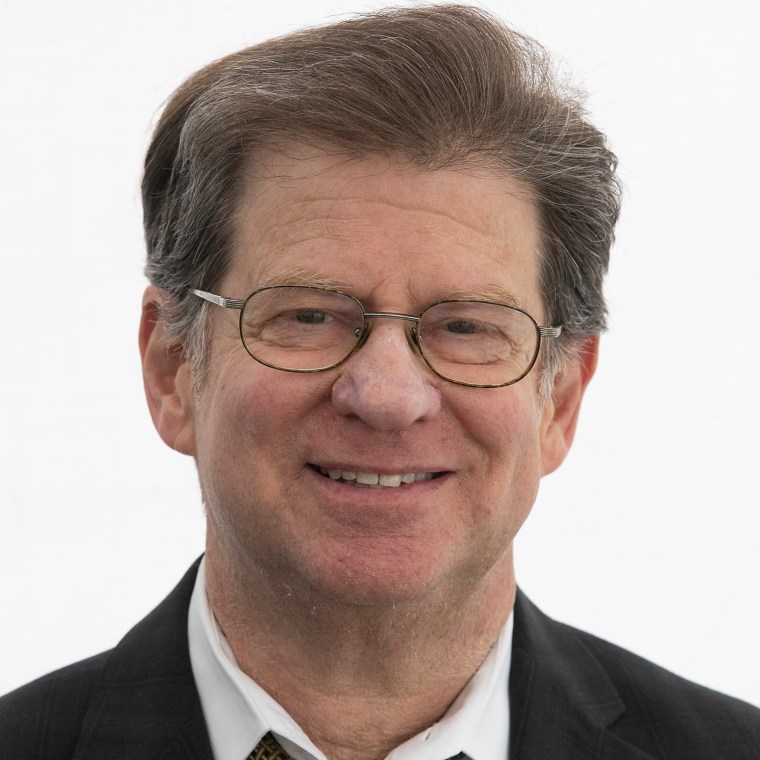
Robert Libman is an architect and planning consultant who has served as Equality Party leader and MNA, mayor of Côte-St-Luc and a member of the Montreal executive committee.