
Ozempic and other GLP-1 drugs have changed obesity treatment over the past few years, but a U.S. survey suggests most people would rather shed weight without medications.
“A lot of people are questioning, should I be taking this? What other alternatives are there because I don’t want to have to rely on this or use this for a long term,” said registered kinesiologist and trained chef, Connor Faiczak, owner of Faiczak Food and Fitness in uptown Waterloo.
Semaglutides (or GLP-1 drugs) mimic the natural GLP-1 hormone which is part of the body’s metabolic system, he said. It’s released when certain nutrients trigger specialized cells.
The drugs are approved in Canada for diabetic treatment. When prescribed off-label for weight loss, patients often cover out-of-pocket costs.
Natural GLP-1 hormone is produced in the gut and the brain, explained Andrea D’Ambrosio, registered dietician and owner of Kitchener’s Dietetic Directions.
“It works in several different ways; primarily to help manage blood sugars to control, decrease appetite, and also that impacts our digestion as well,” she said.
 Andrea D’Ambrosio, registered dietician and owner of Kitchener’s Dietetic Directions, suggests upping your protein intake to help bolster your GLP-1 production. (Julie Tauro)Foods matters
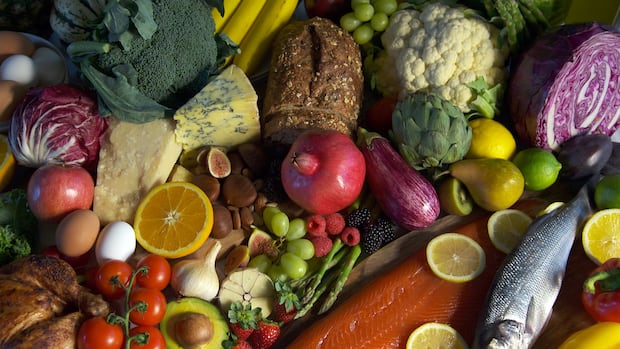
D’Ambrosio and Faiczak say certain foods can stimulate the natural GLP-1 hormone response and keep it active in our body for a longer time.
They are often fresh, minimally or unprocessed whole foods:
Proteins: Makes you feel full (so you eat less); preserve lean muscle mass, and stabilize blood sugar. Examples: chicken turkey, and extra lean beef; fish and seafood; protein powder, lentils, tofu, and whey powder.Fibre-rich foods: Soluble and fermentable fibres regulate blood sugars and diversify the gut’s flora. Examples: whole grains, legumes, produce such as apples, oranges, and asparagus, and seeds.Healthy fats: such as monounsaturated fats and omega-3s, help you feel full by slowing down stomach emptying. Examples: olive and flax oils, avocados, nuts and seeds, fatty fish.Fermented foods: Feed the gut microbiome and promote a healthy gut environment. Examples: yogurt, kefir, sauerkraut, and kimchi.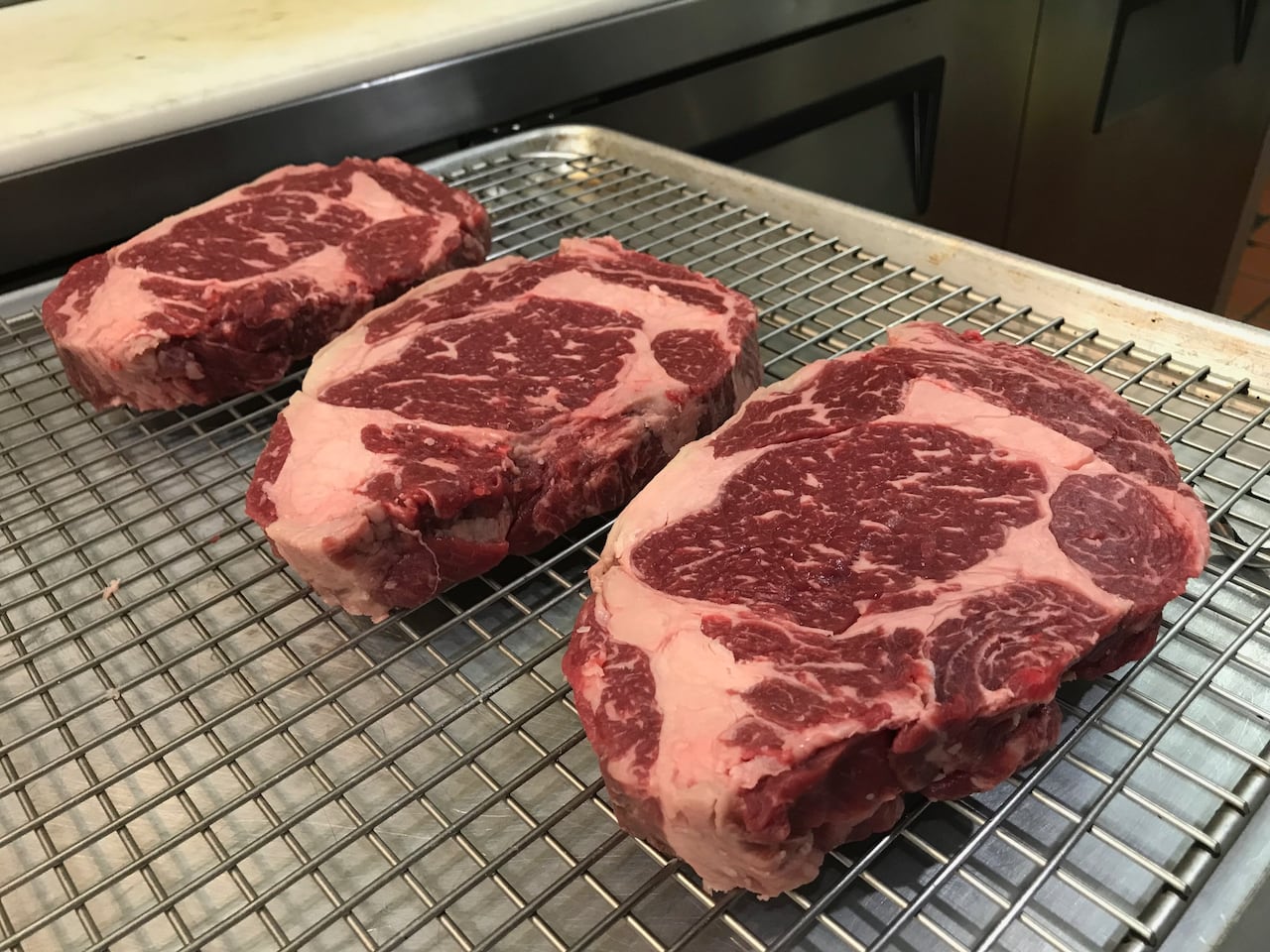 Adding more protein into your diet helps keep you fuller longer while preserving lean muscle mass. (Erin Collins/CBC)
Since many cuisines around the world have dishes based on whole foods, there are plenty of options to create tasty meals at home.
“No matter what your culture is, no matter what diet you want to follow, if it is a diet based on whole foods, meats, vegetables, fish, whatever you want to throw in there, it’s going to be an amazing choice,” Faiczak said.
If shedding kilos is your goal, D’Ambrosio recommends your protein serving be roughly the size of your whole hand (rather than just your palm). Serve that with at least two vegetables and some whole grains.
Feeling the benefits
While semaglutides offer a much higher and longer lasting dose, which can provide quick, dramatic results, depending on what your usual diet is, Faiczak says you might see almost immediate benefits, with dietary changes alone.
“If you have that healthy food, you’re like, ‘Oh, I didn’t feel as sluggish. Oh, I was able to wake up easier the next morning. Oh, I was able to play with my kids after school instead of just being tired and lethargic after work.’ It gives so much more than you realize,” Faiczak said.
 “No matter what diet you want to follow, if it is a diet based on whole foods, meats, vegetables, fish…it’s going to be an amazing choice,” said Connor Faiczak, registered kinesiologist and chef. (Jordyn Faiczak)
With the gut’s biome important to GLP-1 secretion, fresh, fermented and high fibre foods are important to its health but can come with side effects, D’Ambrosio says.
“If your goal is to increase your dietary fibre, make sure we’re doing so gradually and with an increase in water. This helps to combat some of those gassy digestive issues,” D’Ambrosio said.
Support natural GLP-1 production
Filling your shopping cart with whole foods like the ones listed above are key, but you can bolster their effects with lifestyle habits.
Mindful eating: Slowing down your eating, chewing thoroughly, and listening to your body’s signals can build lasting changes to support weight loss and maintenance.
Food sequencing: D’Ambrosio suggested filling up with non-starchy vegetables and protein first, and leaving carbs to the end may produce a blood sugar response.
Take care of your mental health: High stress levels can impede GLP-1 production and make it harder to shift excess weight. Faiczak recommends keeping a regular routine for waking up and meal schedules, developing good sleep hygiene, and regular exercise.
Get in the kitchen: Avoiding processed and ultra-processed foods. Cooking your meals and snacks gives you more control over your diet.
“I think generally the more we can cook our own foods, shop in-season, and prioritize a lifestyle that works,” D’Ambrosio said.
“We’re certainly going to help to lower those calories, lower the fat, lower the carbohydrates, and increase the fibre, and increase the protein.’
Connor Faiczak’s Mediterranean Salmon Bowl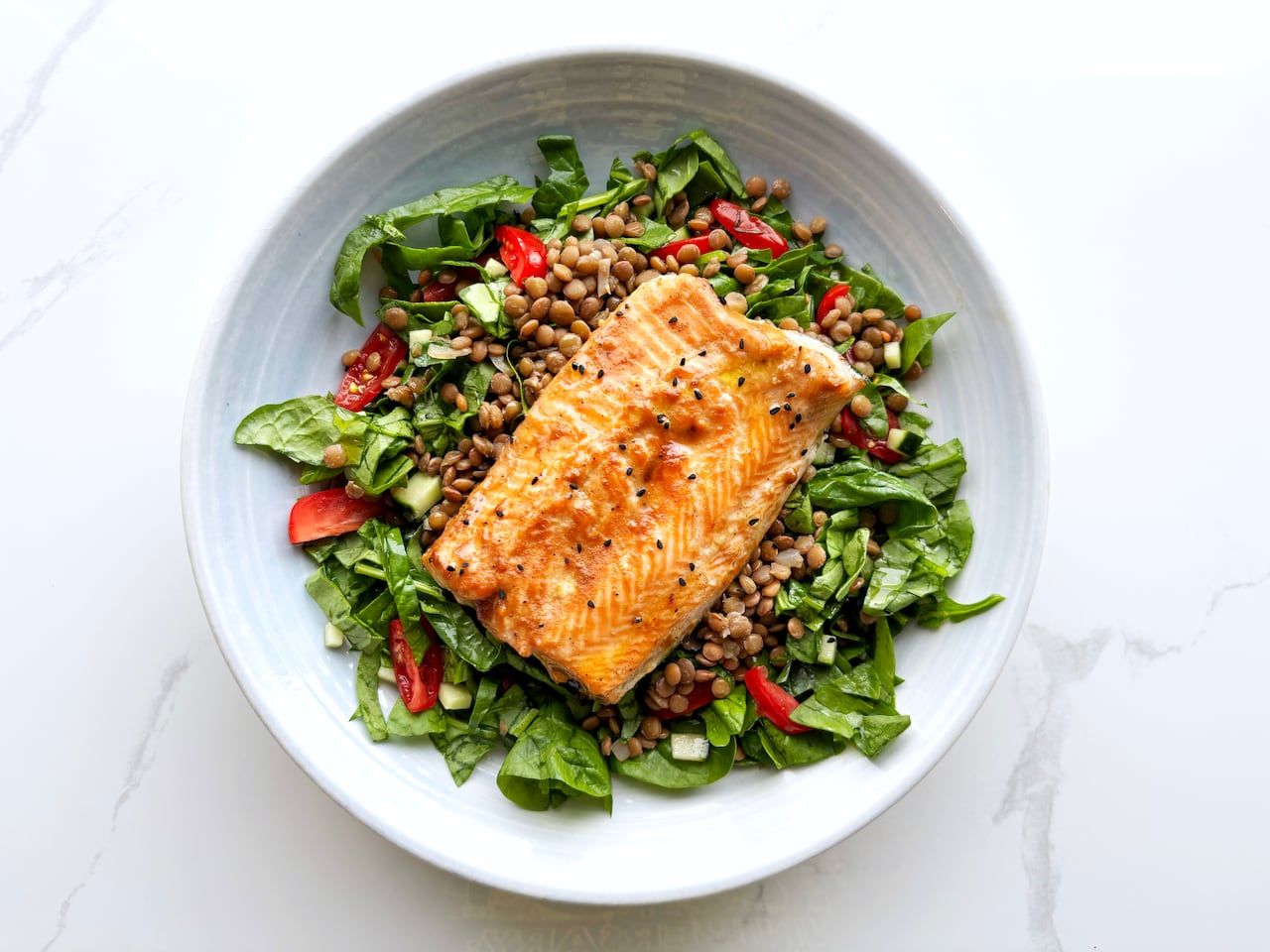 This quick and easy to make Mediterranean salmon bowl is packed full of whole foods that help boost your GLP-1 hormone. (Jasmine Mangalaseril/CBC)
Serves 1
1 fillet (approx. 140 g) baked or grilled salmon (or any fish rich in Omega-3 fats)75 g (125 ml) cooked brown or green lentils, cooled40 g (125 ml) raw spinach or kale, chopped75 g (approx 125 ml) diced cucumber and cherry tomatoes1 tablespoon extra-virgin olive oil1 tablespoon fresh lemon juice
Toss the spinach, cucumbers, and tomatoes in a dinner bowl. Add lentils. Place salmon on top. Drizzle with olive oil and lemon juice and serve.