
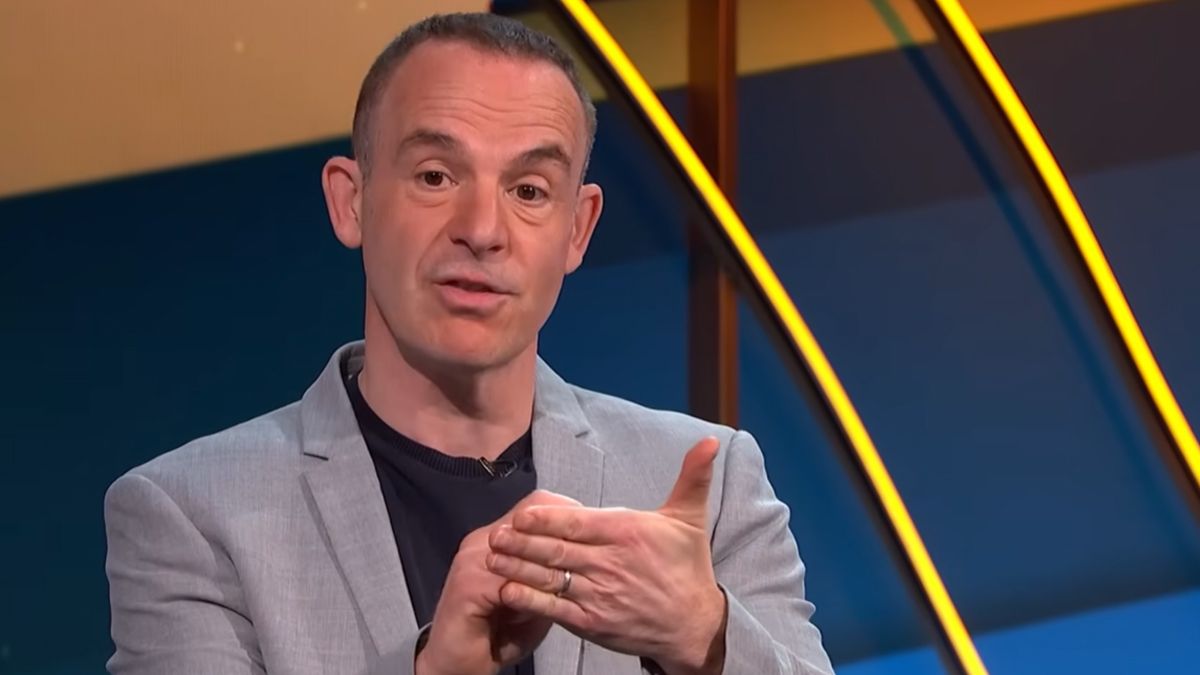
Martin Lewis was asked for his advice on paying for gaps in National Insurance contributions – and he had two key points to make on voluntary contributions and the State Pension
17:39, 20 Jun 2026Updated 17:44, 20 Jun 2026
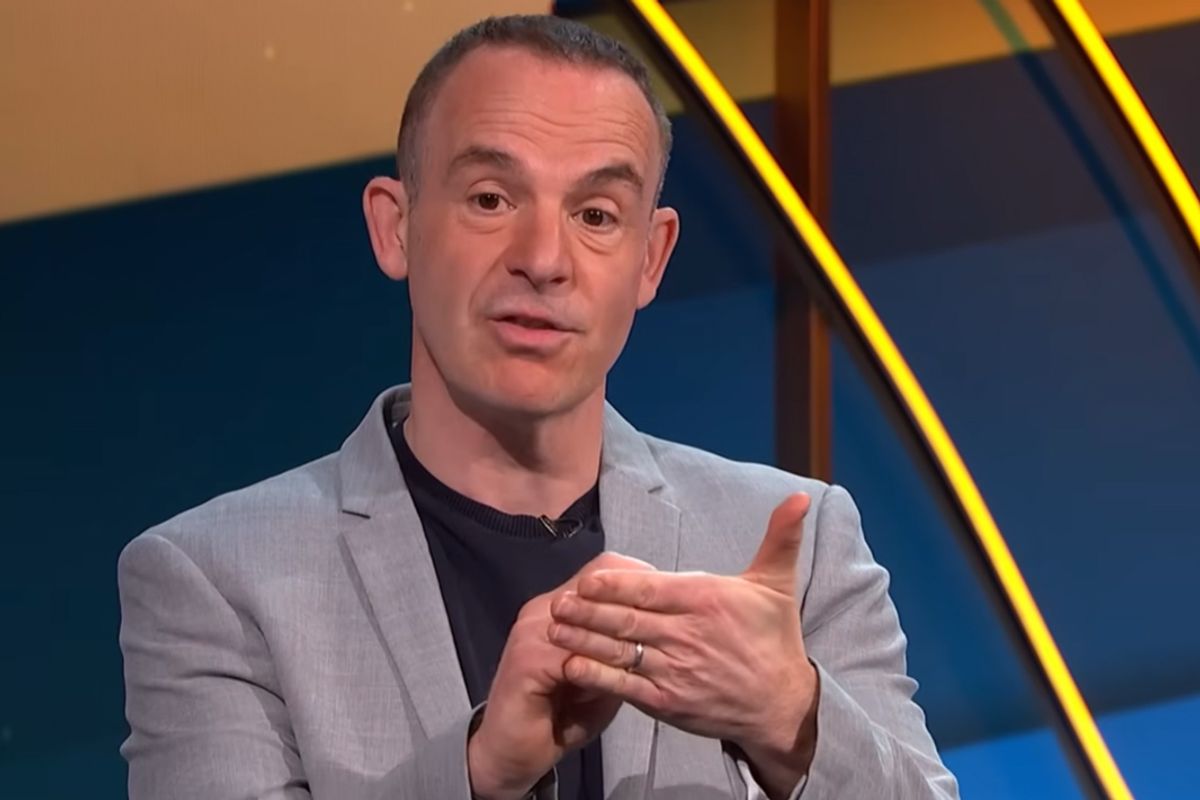
Martin Lewis has explained a little-known tax allowance(Image: ITV)
Martin Lewis revealed details of a state pension ‘exception’ rule following an enquiry from a listener. The financial expert examined the matter of state pension eligibility and the regulations surrounding retirement.
In the UK, individuals must accumulate at least 10 qualifying years on their National Insurance (NI) record to be entitled to any new State Pension. The full sum requires approximately 35 years.
A qualifying year on your NI record can be obtained through employment and paying National Insurance contributions, or through other methods.
Sign up for the North Wales Live newsletter sent twice daily to your inbox
A qualifying year can also be acquired through receiving National Insurance credits – for example, if you were unemployed, unwell, or serving as a parent or carer. Qualification may also apply if you have resided or been employed overseas, or paid a reduced rate of National Insurance as a married woman.
However, Martin focused particularly on the alternative pathway to securing a qualifying year on your NI record – specifically the payment of voluntary National Insurance contributions, reports the Mirror, reports Wales Online.
Martin addressed the topic on a recent BBC podcast following a listener’s enquiry. Holly sought his advice on whether she could pay to fill certain gaps in her National Insurance contributions.
She revealed she was contemplating paying to fill two years of gaps in order to bring her total qualifying years up to 10. Having worked abroad for a number of years and spent some time in education, she posed the question to him directly: “I am currently 36. Is it worth paying the two now or would it be considered a waste of money as I am likely to reach the 35 years needed for a full state pension anyway?”.
Martin Lewis’s advice on paying for National Insurance contribution gaps.
Martin began by stating: “That’s a really interesting question.”
He subsequently examined her options before arriving at two crucial conclusions – and his guidance to Holly provides useful advice for anybody considering filling gaps in their state pension history.
He stated: “The first thing I’d do is I’d go and look at your pension projection. On your pension projection, your state pension projection, which is on gov.uk, are you predicted to be able to get that you will have the full state pension when you retire, which is a very long time away?”.
“If you are, I think this is probably overkill, because it’s not like once you get to the full state pension, you earn more NI years, you get even bigger than the full state pension. It doesn’t work like that.”
That represented his initial observation. Nevertheless, he proceeded to outline circumstances in which purchasing those missing years might, under particular conditions, represent a sensible decision.
He noted that many older people complain about already having adequate contributions for their full state pension, asking “why do I have to keep paying National Insurance?”.
He said: “It’s because National Insurance is a tax in reality. It’s also a tax that happens to be demarked as your contributions towards getting a state pension once you are older.
“So if you are on for the full state pension, then you probably don’t need to do this.”
‘Exception’ rule where it’s worthwhile paying for gaps at a younger age.
Martin added: “The only time I would make an exception on that is if you could buy these years really, really cheaply. If any of these are part years – so a part year is where you have almost got all the contributions you need to get a year but you are not quite and it’s binary. I know people who have been able to buy a part year for £15.
“Normally it’s going to cost you, a full year, in the 900ish pounds. But if you could buy a part year for 15, 20, hey maybe 50 quid, even at your age, just in case somethng happens in future, as you can only buy back a certain amount – 6 years – I’d be tempted to go, you know what, it’s 50 quid, I’m just going to do it, just on the off-chance that I might need it at some point in the future.
“But if you are having to pay the full £950 for it, I’d probably be thinking it wasn’t worth it. You are so young at 36 for doing this. There are a lot of risks that you’re just going to be buying money, throwing stuff away – there are big risks for you that the state pension might become means-tested once you are older.
“We don’t know that. I don’t think that’s going to happen imminently for people retiring now. But you are talking about retiring in 30-35 years. Who knows what will be happening in the UK to state pensions in 30-35 years.
“So there are a lot or risks in this in doing it now. If you are on to get the full state pension, I probably wouldn’t be doing it – other than if you can get a year really cheaply, so it’s beer money-type costs, where you may as well do it just as a safety net in case there’s a year where you don’t work in the future and you wouldn’t be able to get it, and this would be a really cheap way to buy it.”
He concluded by recommending that should she still wish to proceed, she should take sufficient time to consider matters thoroughly and seek official guidance from the government before reaching any conclusion. The complete podcast is available to hear here.
What are the regulations regarding payment for National Insurance record shortfalls?
Shortfalls can develop in your National Insurance record should you fail to contribute National Insurance payments. Based on information from the gov.uk website, this could occur if you were: The Government recommends that you examine your National Insurance record in order to identify any gaps.
This allows you to establish what it would cost to make voluntary contributions.
The gov.uk website states: “If you have gaps in your National Insurance record, check if you’re eligible for National Insurance credits before deciding to pay voluntary contributions. Contact HM Revenue and Customs (HMRC) if you think your National Insurance record is wrong.”
Join the North Wales Live WhatsApp community group where you can get the latest stories delivered straight to your phone