
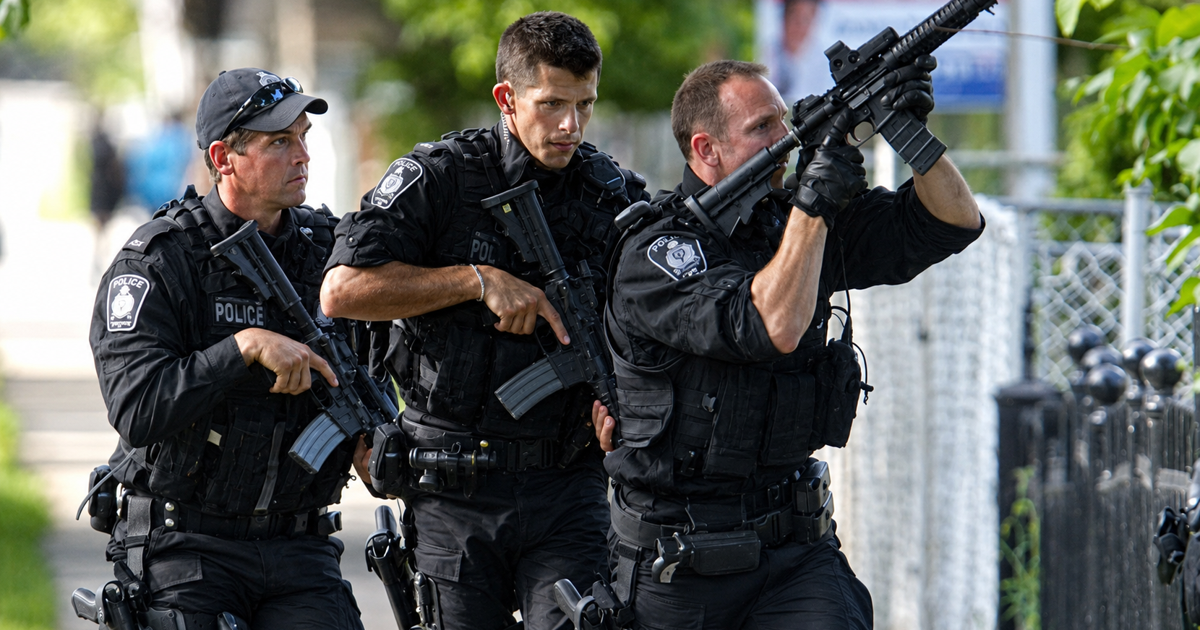

(Winnipeg Sun Staff photo)
See more Winnipeg Sun on Google – save as a Preferred Source
With the 2026 municipal election on the horizon this October, Winnipeg residents are taking stock of four years under Mayor Scott Gillingham. Many of the promises made during the last campaign — from fixing roads and tackling homelessness to improving safety and transit — remain unfulfilled for far too many, despite claims of progress.
The City of Winnipeg’s 2025 Resident Satisfaction Survey, conducted by Prairie Research Associates in May 2025 (n=600), shows quality of life ratings rebounded modestly to 86% good or very good. Yet satisfaction with overall city services fell to 72%, and value for tax dollars sits at just 57% positive. Residents are clear on what needs fixing.
When asked what actions the City should take to improve quality of life (up to three responses), the same core frustrations rise to the top. Here are the five biggest issues, drawn directly from resident feedback.
1. Crime and Public Safety
Crime and policing topped resident priorities, cited by around 44% overall and higher among those rating quality of life poorly. Concerns remain high about feeling safe walking in neighbourhoods (58% agree) and especially downtown at night (only 12% agree).
The Winnipeg Police Service’s 2025 statistical report highlights declines in crime severity (-8.8% overall, -11.2% for violent crime) and sharp drops in homicides (-48.8%). However, arrests rose 12.9%, and many residents question whether changes in how incidents are recorded and cleared (shifting emphasis toward charges) fully reflect the reality on the streets. Visible disorder, repeat offenders, and downtown safety continue to erode public confidence.
Remember, this is an election year, and Mayor Gillingham’s pledges for safer streets and bail reform have not been delivered.
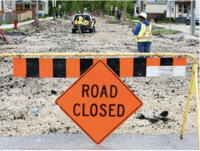
Winnipeg Sun staff photo
2. Roads, Infrastructure, and Maintenance
Roads remain a top complaint, with residents calling for faster repairs and less disruption. Infrastructure frustrations feature prominently in survey responses year after year.
The 2026 budget includes a 3.5% property tax increase, directing funds toward roads, yet potholes and construction delays persist as daily realities for drivers.
Promises to fix Winnipeg’s streets have been a staple for multiple administrations. With the election approaching, residents are seeing more work happen that should have been done years ago.
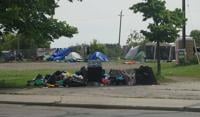
photo credit: Submitted
3. Homelessness, Housing Affordability, and Social Supports
Housing and social programs rank high in resident priorities, with calls for more affordable options and action on visible homelessness (around 25-36% in breakdowns). Population growth beyond 850,000 has strained supply and downtown vitality.
Record building permits have been approved, but residents see slow progress on encampments and supports for vulnerable individuals.
In this election year, note that addressing homelessness and street safety was a key platform item for Gillingham and many city councillors. They failed to make any significant improvement; the needle has not moved enough after four years.
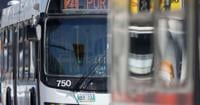
Winnipeg Sun staff photo
4. Transit, Active Transportation, and Getting Around
Satisfaction lags for walking (59%), biking (51%), and transit (48%). Younger residents, visible minorities, and lower-income households report greater challenges amid congestion and service issues.
The redesigned Primary Transit Network and related promises have drawn criticism over reliability and impacts on riders. Mobility remains a flashpoint heading into the election.
5. Property Taxes, Value for Money, and Service Delivery
Value-for-tax-dollar ratings hover at 57% positive. The latest 3.5% increase — roughly $75 more annually for an average home — comes as residents question whether services match the growing tax burden and population pressures.
Many prefer senior government funding over local hikes and want tighter accountability.
Mayor Gillingham promised a property tax increase of just 3.5%, but he did not keep his promise. He also added more fees to your tax bill. Since being elected to office in 2014 Gillinagham has voted to increases taxes and fees every year.
Looking Ahead to October
These issues are deeply connected. Safer streets support vibrant neighbourhoods. Reliable infrastructure and transit boost opportunity. Affordable housing and responsible spending build trust.
Mayor Gillingham is seeking re-election, arguing for continuity on initiatives started over the past term. But with many resident priorities showing limited tangible improvement, voters will decide whether promises have been kept or if new leadership is needed to deliver.
City Council’s Strategic Priorities Action Plan (2023-2026) targets safety, infrastructure, and livability — areas where the gap between rhetoric and results will be front and centre this fall.
Winnipeg’s strengths as a place to live and raise a family are real, especially for many homeowners. Closing the persistent gaps in safety, roads, housing, transit, and value for money will determine whether the next four years bring meaningful change.
Facts Matter. These are the sources used for this Top Five: City of Winnipeg 2025 Resident Satisfaction Survey (Prairie Research Associates); Winnipeg Police Service 2025 Annual Statistical Report; 2026 Multi-Year Budget documents; City Council Strategic Priorities. Primary city data and official reports.