
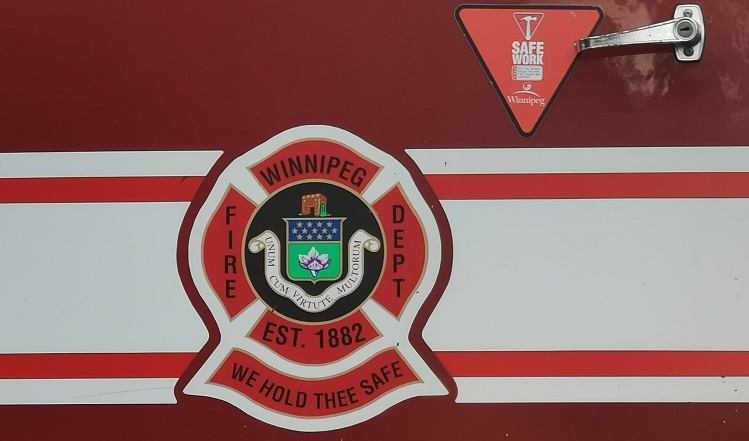
The City of Winnipeg has appointed a new Fire and Paramedic Chief following a competitive recruitment process, naming long-time senior leader Ryan Sneath to the role.
Sneath will officially take on the position on July 6, 2026, stepping into leadership of the Winnipeg Fire Paramedic Service (WFPS), which oversees both fire suppression and emergency medical response across the city.
He currently serves as Deputy Chief of Paramedic Operations and Training, a role he has held since 2021, where he has been responsible for overseeing integrated fire, paramedic, and emergency management services in Winnipeg.
Related Stories
Long-time service within WFPS
Sneath has been a senior figure within WFPS for several years. Prior to his current role, he served as Assistant Chief of Paramedic Operations, where he managed day-to-day emergency medical services and helped guide modernization efforts in paramedic care.
He has also worked as the service’s Culture Lead, focusing on improving workplace environment, collaboration, and inclusion within the organization.
Mayor Scott Gillingham says Sneath brings experience and stability to the leadership role at a time when emergency services continue to face high demand.
“Ryan Sneath brings steady leadership, proven experience, and a strong understanding of the Winnipeg Fire Paramedic Service,” Gillingham said. “At a demanding time for emergency services, I know he will keep supporting frontline staff, strengthening workplace culture, and making sure Winnipeggers continue to receive excellent care when they need it most.”
Leadership transition at WFPS
Sneath’s appointment comes as the department prepares for a broader leadership transition following the upcoming retirement of current Fire and Paramedic Chief Christian Schmidt.
Schmidt is set to retire after nearly 33 years of service with the City of Winnipeg, with his departure scheduled for July 3, 2026.
The city says the recruitment process was designed to ensure continuity and stability within the organization as it continues to manage rising call volumes and evolving emergency response needs.