
Spielberg, Austria – The FIA has formally declared the 2026 Austrian GP a “Heat Hazard” race, the first such designation of the season, due to forecasts of dangerously high temperatures at the Red Bull Ring.
The decision, announced on Thursday morning, follows predictions from the official weather service that the heat index will exceed 31.0°C (87.8°F) at some point during Sunday’s 71-lap Grand Prix. Ambient temperatures are expected to reach 32°C (89.6°F) during FP3 and qualifying on Saturday, climbing to 33°C (91.4°F) for the race start at 14:00 BST on Sunday.
The declaration comes amid a major heatwave across mainland Europe, with Austria and several other countries breaking June temperature records.
What the Heat Hazard Means
Under Article B1.5.10 of the FIA Formula 1 Sporting Regulations, the Heat Hazard protocol activates additional driver cooling measures. Teams are required to fit a full Driver Cooling System to every car, including a pump, plumbing, and thermal store. This allows the minimum car weight to be increased to accommodate the extra equipment.
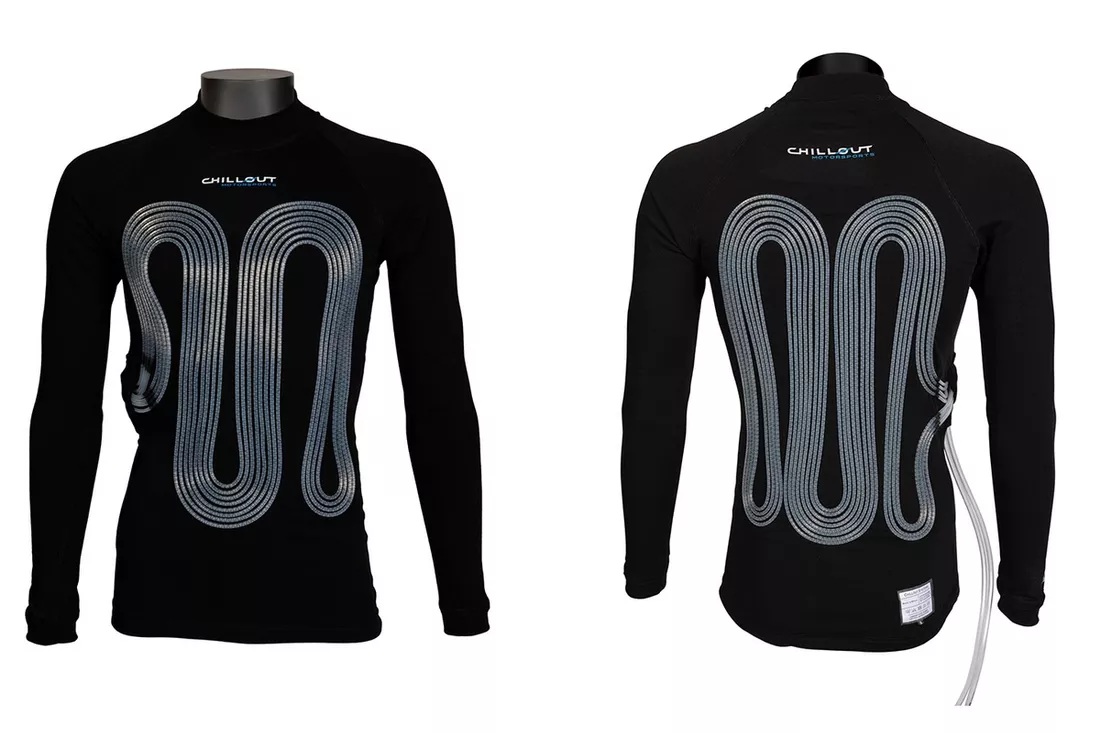
Drivers have the option to wear a specially designed cooling vest — a fireproof garment worn under the race suit with internal tubes that circulate cooled liquid (typically a glycol-based fluid) around the upper body to help regulate core temperature.
However, the vest remains optional following driver feedback on comfort and reliability. Drivers who choose not to wear it must carry an additional 0.5 kg of ballast in the cockpit to ensure no competitive disadvantage for those who do use the system.
Cockpit temperatures in Formula 1 cars routinely exceed 40°C (104°F) even in moderate conditions. Drivers wear multiple layers of fireproof clothing, a balaclava, and a full-face helmet, making heat management a serious safety and performance concern in extreme conditions.
Background to the Rule
The Heat Hazard protocol was introduced in 2025 to address rising temperatures at certain races. It was first used at the Singapore Grand Prix and later at the United States Grand Prix that year. Austria becomes the first event to trigger it in 2026.
The FIA had considered making the cooling vests mandatory from 2026 but ultimately kept them optional after significant pushback from drivers, who cited issues such as discomfort and the risk of the system failing mid-race.
Outlook for the Weekend
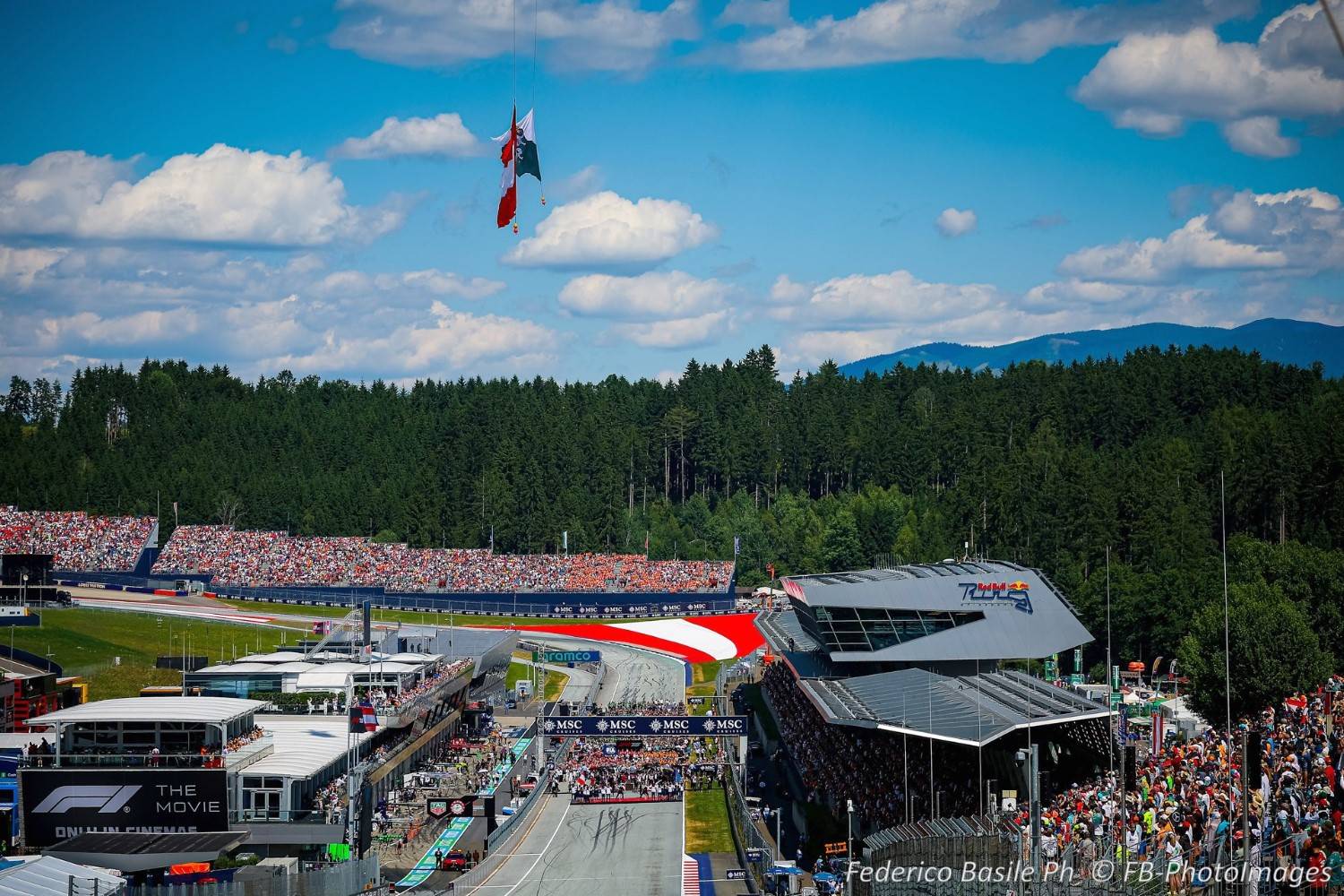 Starting Grid view, during the Austrian GP, Spielberg 26-29 June 2025, Red Bull Ring Formula 1 World championship 2025.
With hot and dry conditions forecast throughout the weekend at the scenic Red Bull Ring, teams and drivers will be closely monitoring how the Heat Hazard measures affect strategy and performance. While the cooling system offers a potential advantage in managing fatigue and concentration over the demanding 71 laps, the added weight and system complexity could influence car setup and handling.
The race itself is expected to be one of the hottest on the 2026 calendar so far, testing both machinery and human limits under the Austrian sun.
As Europe continues to grapple with record-breaking heat, the FIA’s proactive declaration underscores the growing importance of driver welfare protocols in modern Formula 1.