

Listen to this article
Estimated 2 minutes
The audio version of this article is generated by AI-based technology. Mispronunciations can occur. We are working with our partners to continually review and improve the results.
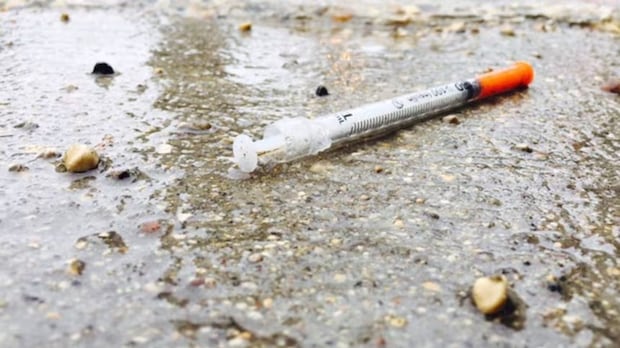
The Winnipeg Police Service says it has started cracking down on open drug use and trafficking in public places.
Details about the “recently launched initiative” are expected to be discussed in a news conference at police headquarters at 11 a.m. Friday. Mayor Scott Gillingham and police Chief Gene Bowers are among the scheduled speakers.
People will notice an increased police presence in neighbourhoods adversely affected by open drug use in response to “an overwhelming number of community concerns and public safety issues,” the police service said in a media release Thursday afternoon.
Kate Sjoberg, the executive director of Resource Assistance for Youth, said she’s been hearing from outreach teams who have already reported seeing a stepped-up police presence on Main Street.
“Workers from multiple organizations reported observing police removing people’s harm-reduction supplies — smashing pipes — detaining people who are actually not harming anyone,” Sjoberg told CBC on Thursday evening.
Businesses, school officials and politicians have spoken out in recent weeks against the rising tide of open drug use in the city.
A spokesperson for the mayor’s office said in May that Gillingham had raised concerns about open drug use with the police chief and “made it clear” he would support targeted enforcement.
Sjoberg said what she and other outreach workers saw on Thursday “was exactly the opposite” of what people with addictions need. She added it’s especially problematic that some police efforts appear to have been focused on the areas where homeless people have been encouraged to connect with social services.
“It’s folks that happen to be denied the human right to housing, which allows people to use their substances in a private space behind a door that they have the power to close,” Sjoberg said.
“That allows the unfair targeting of people that are already incredibly vulnerable and are already dying as a result of a toxic drug crisis.”