
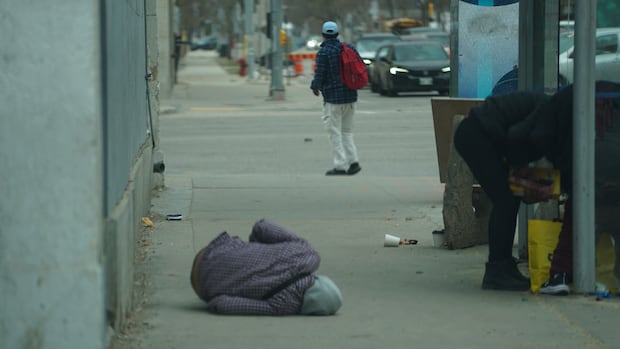
Winnipeg police say they have had more than 100 “interactions” and made more than two dozen arrests since the service ramped up patrolling in areas of the city affected by open drug use and trafficking earlier this week.
Police presence has been increased in some parts of the city that have seen a rise in drug use and dealing in public areas, officials said at a Friday morning news conference.
“We are not criminalizing addiction,” police Chief Gene Bowers said, insisting the goal is to deter and reduce open drug use and disrupt drug trafficking.
The crackdown comes after community members and businesses called on officials to address open drug use and vandalism happening downtown.
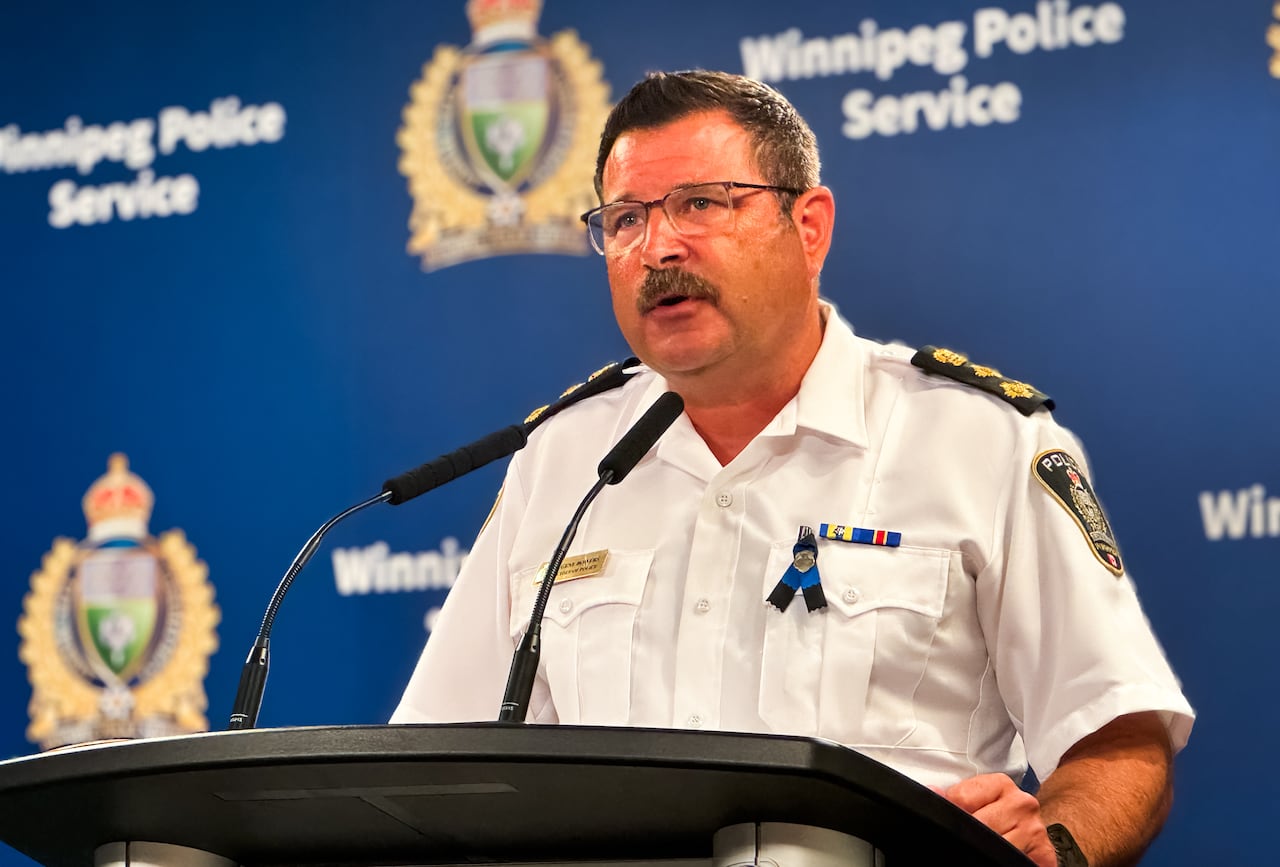 Winnipeg Police Service Chief Gene Bowers says the service’s 10-day crackdown on open drug use in parts of the city isn’t an effort to criminalize addiction. (Prabhjot Singh Lotey/CBC)
“These issues are affecting people’s sense of safety, their well-being and their confidence in the community,” Bowers said, adding open drug use is “not something our community should be expected to accept.”
The 10-day crackdown, which is being carried out by officers from the community support and rapid response units, began on Wednesday, Winnipeg Police Service Supt. Brian Miln said.
Police said the areas being prioritized were chosen using geographic crime data, and include the downtown and Point Douglas areas.
Miln also said in an email to CBC the initiative extends to Portage Avenue, including the area around Sherbrook and Maryland streets.
‘Underestimated the scope’ of problem
Officers have had 100 interactions with people using drugs in public, and 25 arrests have been made, according to the police service.
The majority were related to breaching conditions and outstanding warrants, but police have laid one drug trafficking charge and one drug possession charge during the crackdown, Miln said at the news conference.
Three people were taken to the province’s 72-hour detox centre.
Police are taking a “zero-tolerance approach” to people openly using drugs, said Miln.
“People that are found consuming drugs will be detained. If there is any product left, we will be seizing it. And we’re also looking out for trafficking of drugs as well at the same time,” he said.
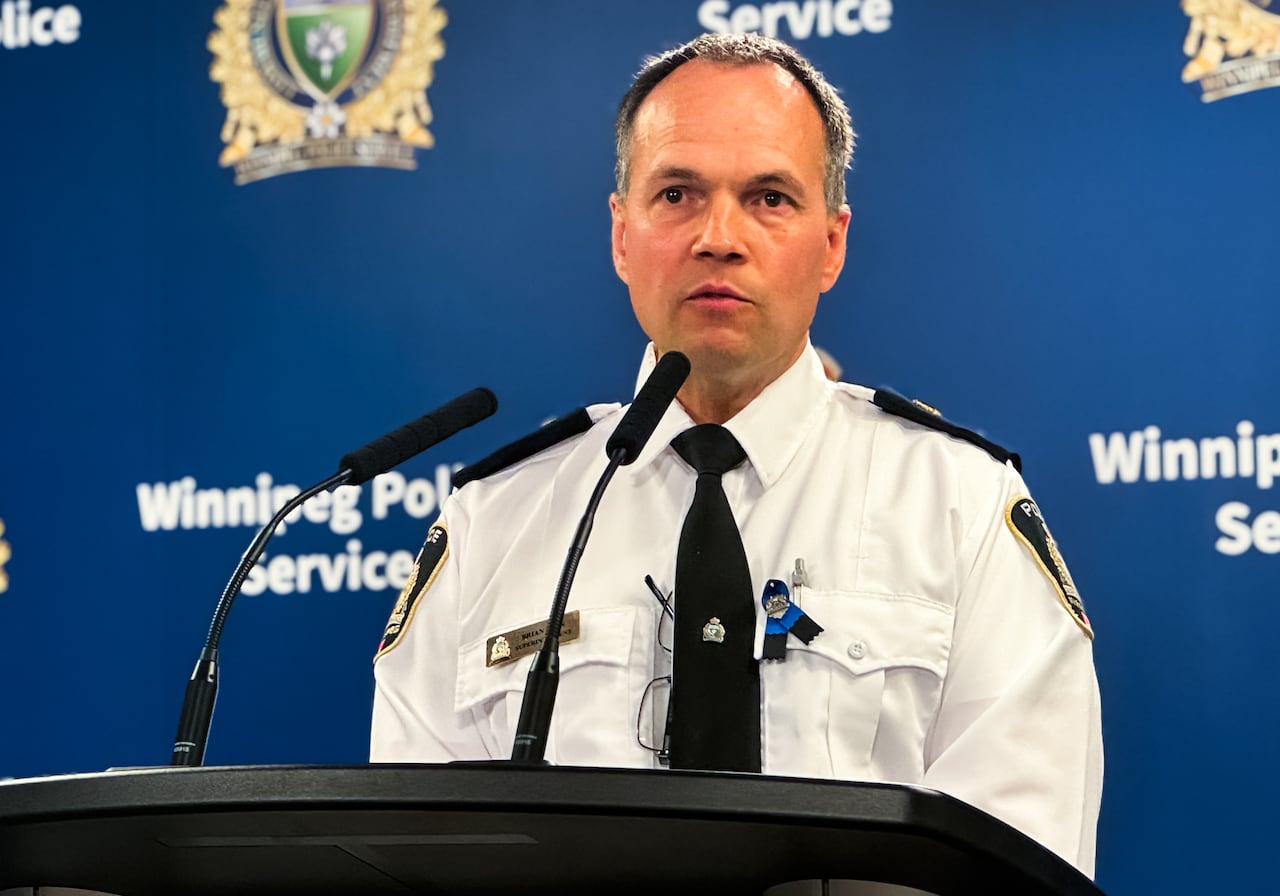 Supt. Brian Miln says police are taking a ‘zero-tolerance’ approach to open drug use during the crackdown. (Prabhjot Singh Lotey/CBC)
After just two days, Miln said front-line officers are indicating the issue is more widespread than the police service had realized.
“We underestimated the scope of this problem,” he said.
But Bowers said enforcement alone won’t fix the problem.
Addiction is a health issue, he said, and police are working with community outreach teams and health-care officials to connect people to supports and services.
Miln said the initiative also includes a team that transports or arranges transportation for people to hospital emergency departments. Several have been taken to emergency departments since Wednesday, he said.
However, a group of local community service groups — including Sunshine House, Resource Assistance for Youth, the North End Women’s Centre, Main Street Project and Manitoba Harm Reduction Network, among others — said in a news release Friday it appeared police didn’t consult front-line organizations before launching the sweep.
Bowers said police made a “misstep” by not notifying groups beforehand, but meetings with several community groups have been set.
“In retrospect, we should have provided a heads up,” he said.
‘Cannot become normal’: mayor
Mayor Scott Gillingham said many Winnipeggers have grown tired of seeing people using drugs in public spaces — himself included.
It’s something he’s seen happening outside his own office window at city hall, he said at Friday’s news conference.
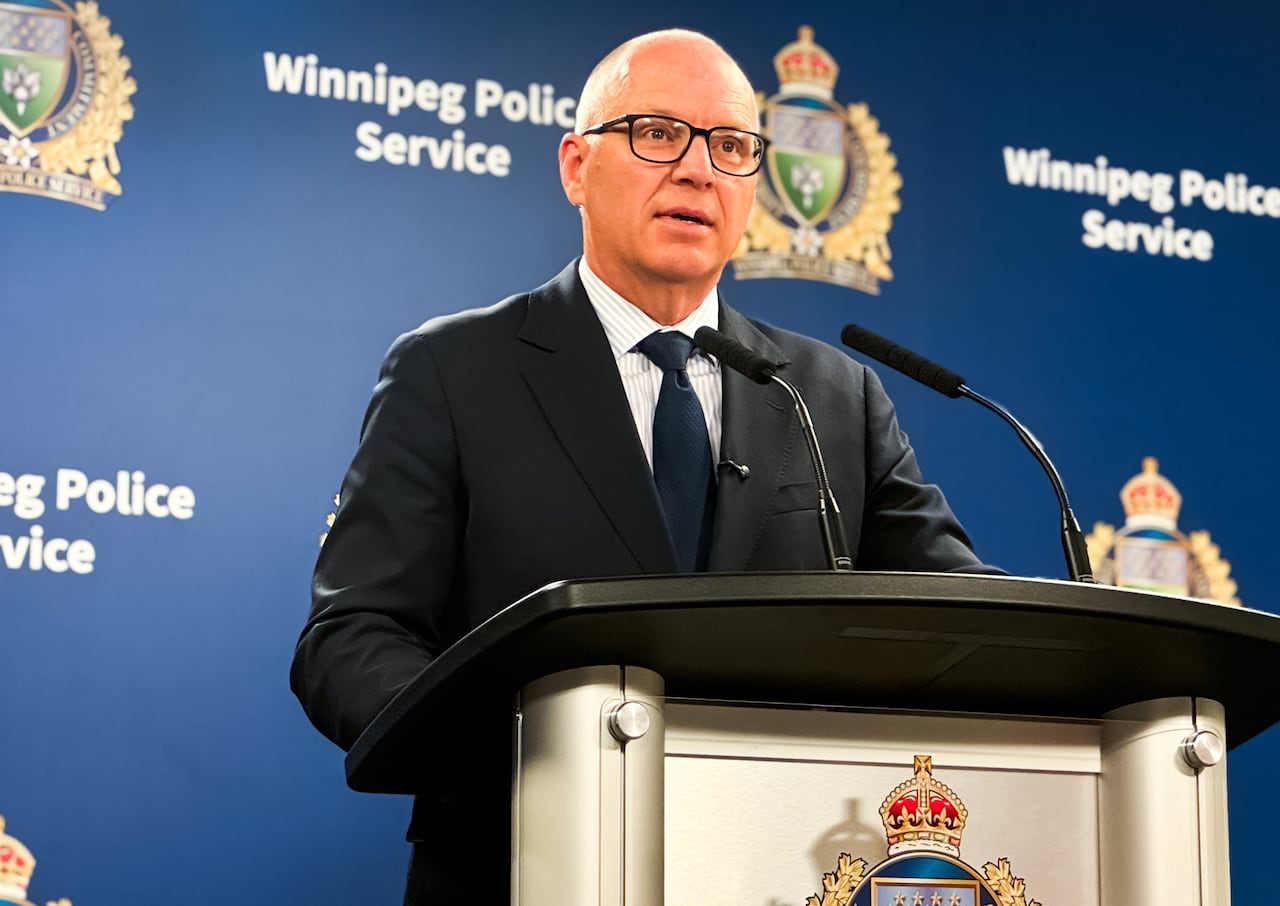 Winnipeg Mayor Scott Gillingham said open drug use is something he’s seen outside his own office window at city hall. (Prabhjot Singh Lotey/CBC)
“I stand with the police and I support their efforts to crack down on open, illegal drug use and drug trafficking,” which “cannot become normal in Winnipeg,” Gillingham said.
The 10-day initiative won’t solve the city’s drug crisis, but is a “necessary step” to allow Winnipeggers to feel safe in public spaces again, he said.
The issue is personal for many, including his own family, Gillingham said, after one of his family members died of an overdose in Saskatchewan.
“It’s not about penalizing people that are struggling with addiction.… It’s moral failure to let people spin unchecked in their addiction on our streets,” Gillingham said.
“I feel we’re failing sons and daughters that I look out my window and see every day when we don’t intervene in some manner.”
‘Worth a try’: Portage shop president
The enforcement sweep includes a stretch along Portage Avenue where business owners have previously raised concerns about open drug use and vandalism in the area.
Susan Lockhart, president of the Just Like New to You thrift store, said the situation hasn’t gotten any better since she spoke with CBC News back in May.
At the time, her shop, on Portage near Sherbrook Street, was reeling from an attempted break-in and a fire set in its vestibule.
There have been stabbings, overdoses and continued open drug use in the area in the weeks since, she said.
“It’s the same, and it’s almost probably getting worse,” Lockhart said Friday.
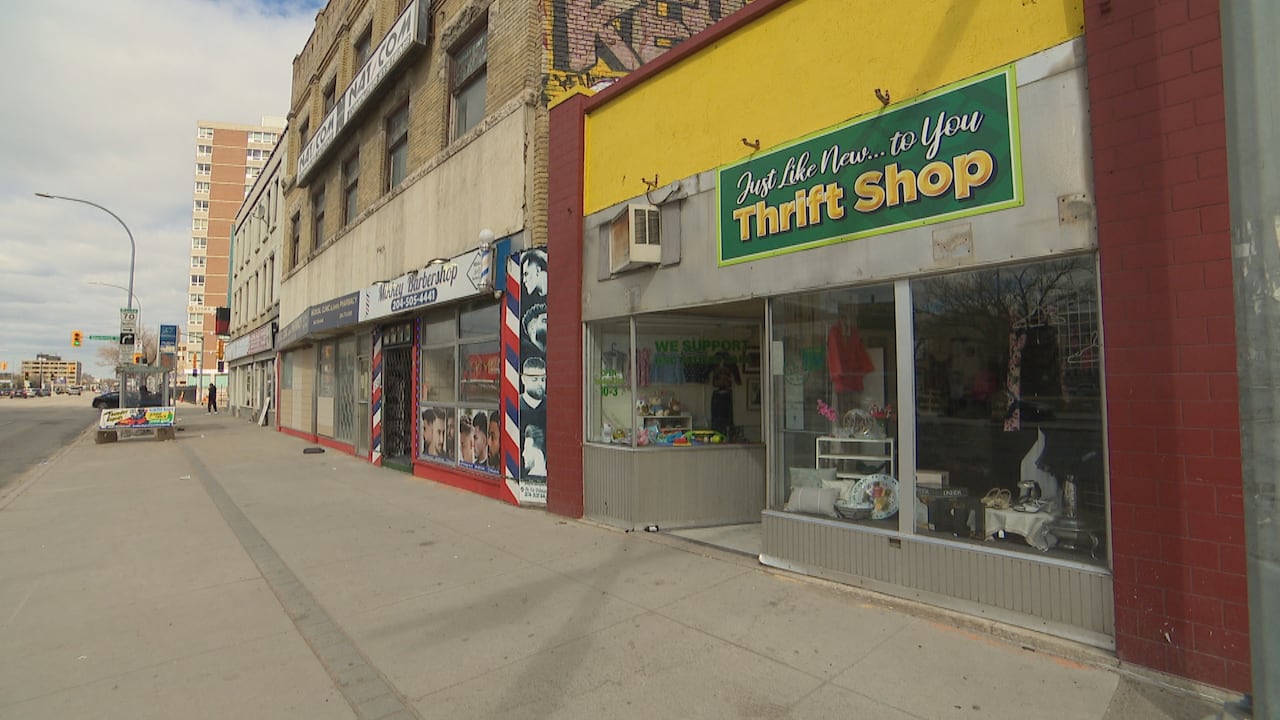 Susan Lockhart, president of the Just Like New to You thrift store, says open drug use around the Portage Avenue shop is ‘probably getting worse.’ (Trevor Brine/CBC)
The store has installed a security gate and rock glass on its front windows, she said. The shop calls emergency services or community support groups when issues arise, but people who gather outside often return soon after they’re dispersed, said Lockhart.
“It’s just a cycle that keeps happening.”
The issue has become “out of control,” Lockhart said, and she’s hoping the enforcement sweep will change things.
“A 10-day sort of blitz is a Band-Aid solution,” she said. “But I think it’s definitely worth a try to see what happens.”