
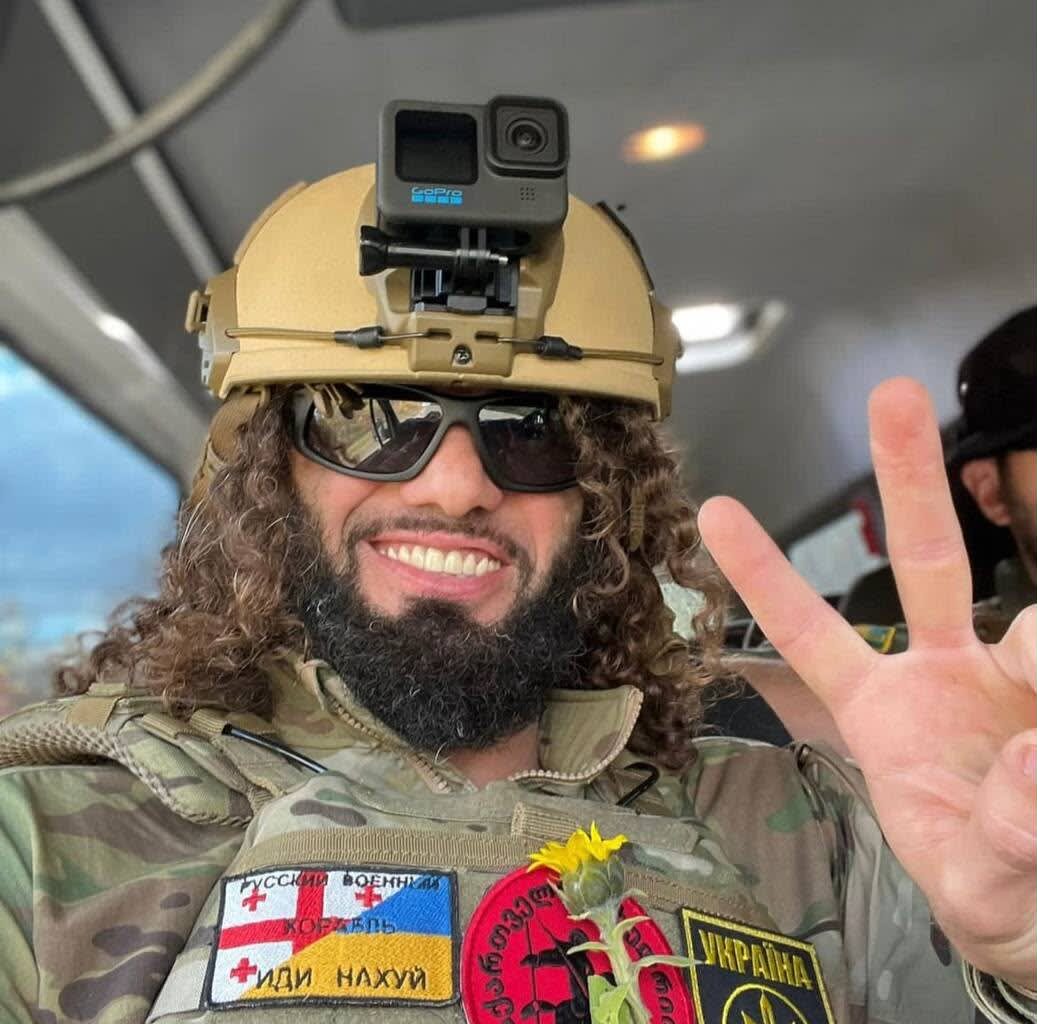
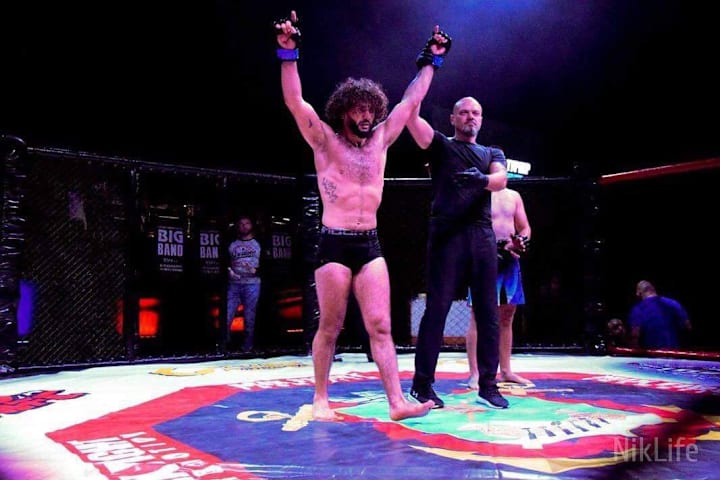
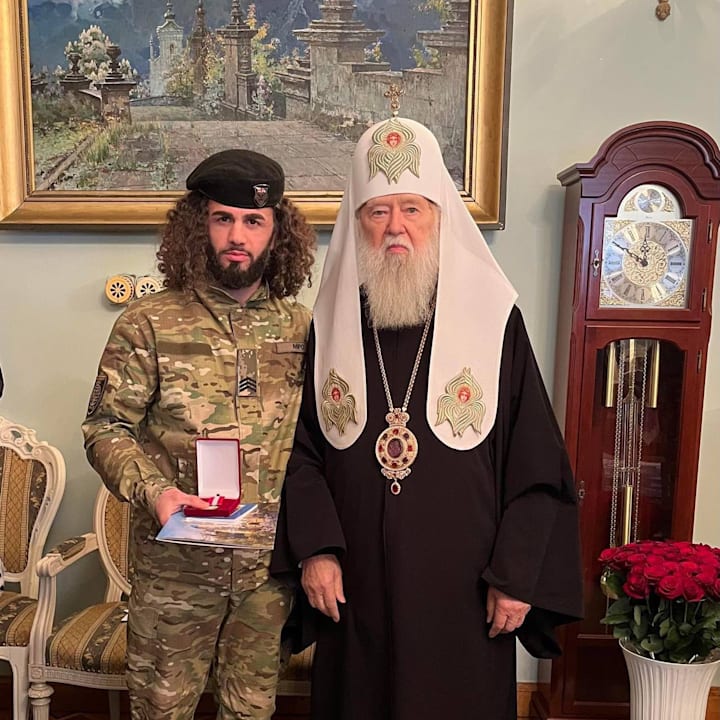
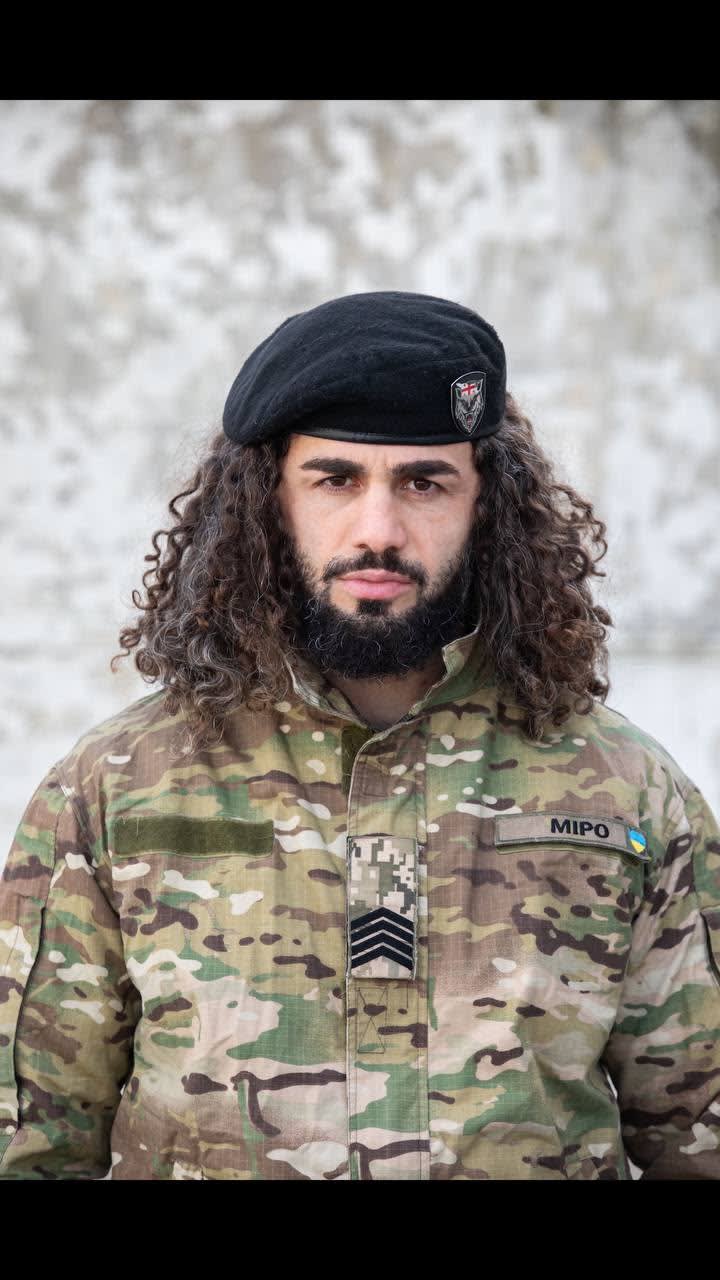
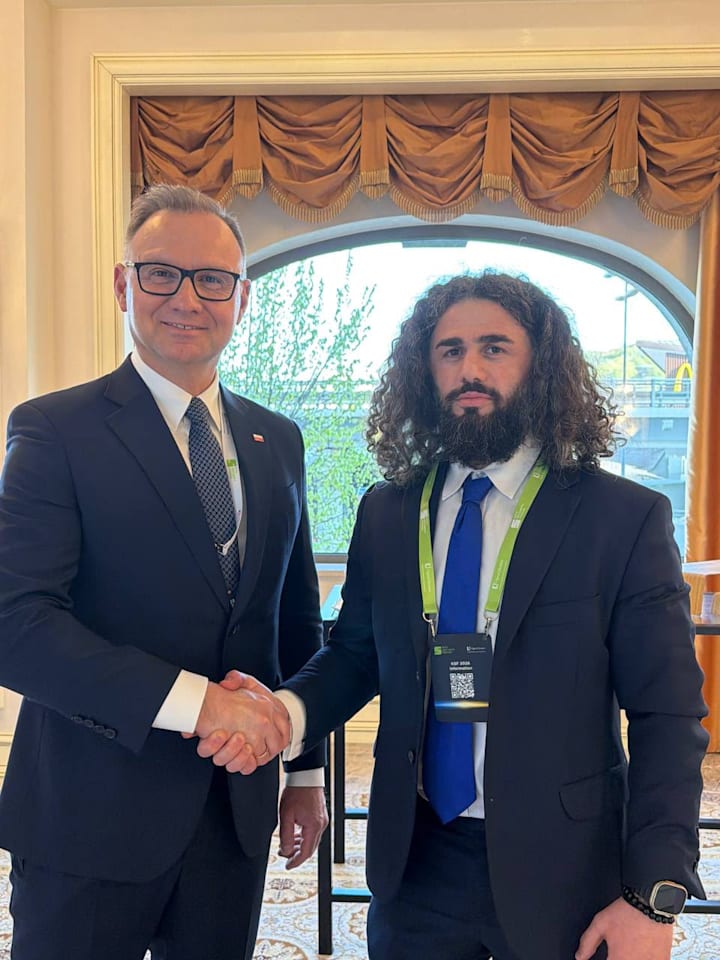
Miro Vanadze is a Georgian mixed martial artist and public figure from Batumi, recognized as a two-time WGFC MMA world champion. A pro-Ukraine volunteer fighter, he served with Ukraine’s 28th Mechanized Brigade after Russia’s full-scale invasion. Vanadze is the president of the President of the International Assembly of Georgian People, promoting Georgian-Ukrainian solidarity, civic advocacy, and resistance to Russian aggression through public campaigns and media appearances.
In this interview, Scott Douglas Jacobsen speaks with Miro Vanadze about Georgian and Ukrainian resistance to Russian aggression, his path from MMA champion to volunteer soldier, and the moral transformation caused by war. Vanadze reflects on Abkhazia, 2008, Ukraine’s defense, the Georgian Legion, saving civilians in Irpin, NATO-style training, drones, and why saving one life matters more than belts, titles, prizes, or a UFC dream amid a brutal imperial conflict and shared freedom struggle today.
Scott Douglas Jacobsen: What were your first interests in military life and fighting?
Miro Vanadze: I will tell you now. At the beginning of the war, my interest and desire was to save people and stand for the truth. Because of my upbringing, I believed I had to be on the side of truth and help people who needed help. I chose the side of truth. That was the first reason I became interested when the war began. That is why I became a soldier.
Jacobsen: In 1801, 1921, and 2008, there are historical records of Russian domination, invasion, or war against Georgia. What did those events mean within Georgian culture?
Vanadze: In 1992–1993, during the war in Abkhazia, hundreds of thousands of ethnic Georgians were displaced from their homes, and thousands of people were killed. The territory came under the control of Abkhaz separatist forces backed by Russia. Then, in August 2008, war broke out again involving Georgia, Russia, South Ossetian forces, and Abkhaz forces. Our struggle for freedom continues. As long as Georgians are alive, we will continue to fight for our future.
Russia is an occupier. It has committed war crimes, killed people, and continues its aggression in Ukraine. We fought then, and we continue to fight now. I was very young in 2008, and I wanted to serve. I was not taken to war because I was too young, but I was ready. In the Abkhazia war, my grandfather died. Even my ancestors fought for freedom, and we continue to fight.
To be honest, in 1992, war began in Abkhazia, a region internationally recognized as part of Georgia. Many people lost their homes, and many were killed. During the 2008 war, I was very young, but I wanted to become a soldier and protect my country. I could not because I was too young. Our struggle continues today because we now have a very bad government, and it is closely connected to Russia.
It is Russia. The struggle is ongoing because many people are still staying in our capital, and they want something to change.
Jacobsen: In addition, there is a history of Russian invasions of Ukraine. In 1708, 1775, 1918–1919, 1939, and from 2014 to the present, Russia repeatedly attacked or dominated Ukraine. Do many Georgians take up arms in Ukraine because of that common victimization by Russia?
Vanadze: Historically, Russia has attacked Ukraine many times. The latest phase began in 2014, followed by the full-scale invasion in 2022. Many Georgians took up arms because we feel close to Ukrainians in facing the same enemy.
Russia has used this strategy for decades. Putin wants pieces of land from Georgia and Ukraine to put pressure on both countries. Then we have territorial problems, which Russia uses to obstruct our paths toward NATO and the European Union.
All empires have collapsed, and the Russian empire must collapse too. We must understand that Russia has to be defeated. Ukraine and Ukrainians have shown the whole world that Russia is not as powerful as it claimed. The so-called “second army of the world” has been exposed. Russia deliberately attacks civilians and civilian objects. That is what I see.
As for the question of many Georgians fighting on Ukraine’s side, I will say this: in 1992–1993, Ukrainian volunteers helped Georgia during the war in Abkhazia, including volunteers associated with UNA-UNSO. When the war in Ukraine started in 2014, hundreds of Georgians came to fight on Ukraine’s side. Now, Georgians are among the largest groups of foreign volunteers fighting for Ukraine.
I am proud to be part of this struggle for freedom. My friends were part of the historic Battle of Kyiv. We fought and continue to fight for freedom alongside Ukrainians.
Ukraine and Georgia have a very common victimizer: Russia. For Georgia, this is very familiar. Now, of course, we will try to help Ukraine. We remember that Ukrainians helped us a lot in 1992–1993 during the war in Abkhazia. They helped us, and now our goal is to help Ukraine.
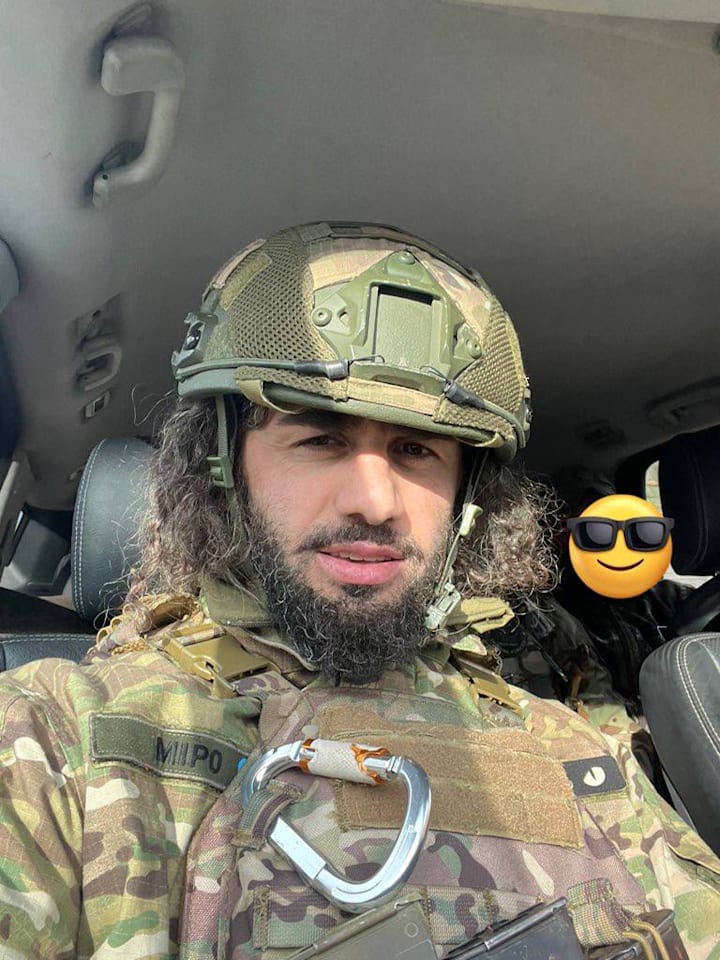
Vanadze: What I can say is that all empires have been destroyed, but one empire is still alive: Russia. People around the world must understand that we now have to help Ukraine defeat this empire. In the last 30 years, Russia has invaded or intervened militarily in many countries, including Georgia, Ukraine, and Syria. It is one of the most dangerous states in the world.
Putin has spoken about restoring Russian imperial power and influence over former Soviet territories. We cannot allow Russia to rebuild the Soviet Union or dominate its neighbours again. One of the largest foreign volunteer formations in Ukraine is the Georgian Legion. I am proud to be part of this fight for freedom in Ukraine and Georgia.
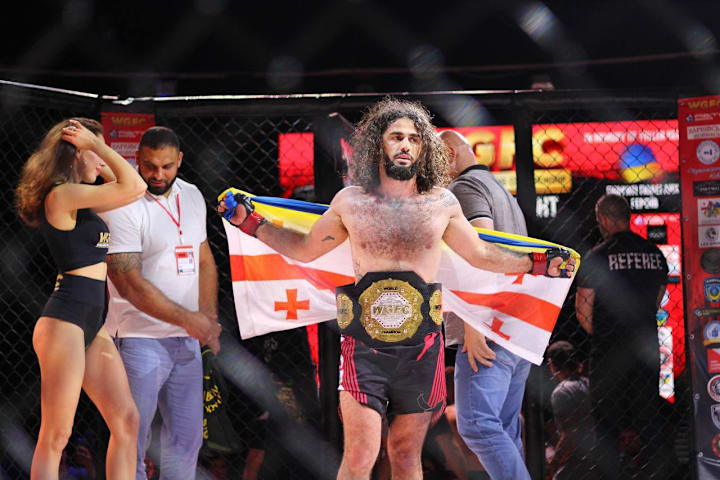
Jacobsen: Where do you see the united motivation between your fighting history and your military history? What is the difference between fighting in the ring and fighting in war?
Vanadze: First of all, my physical training helped me during the war.
Second, the war changed my life. I became a completely different person. I used to be more cheerful, and I had more feelings for the world. But after so many losses, and after so many friends died, I became a different person.
The most important thing is that I have changed. I realized that I could become a five-time world champion, but the most important thing is saving lives. When you save lives and see the faces of the people you have helped, that is the most important thing for me.
I became a world champion in WGC. I had a chance to go to America, and I had a visa to continue fighting in an American promotion. It was my dream to become a UFC fighter. But when the war started, I took off my gloves, put them in the locker, and went to war. Saving one life is worth more than any belt, title, or prize.
Nothing can be more important to me than this. My career is not as important as the situation I am in now.
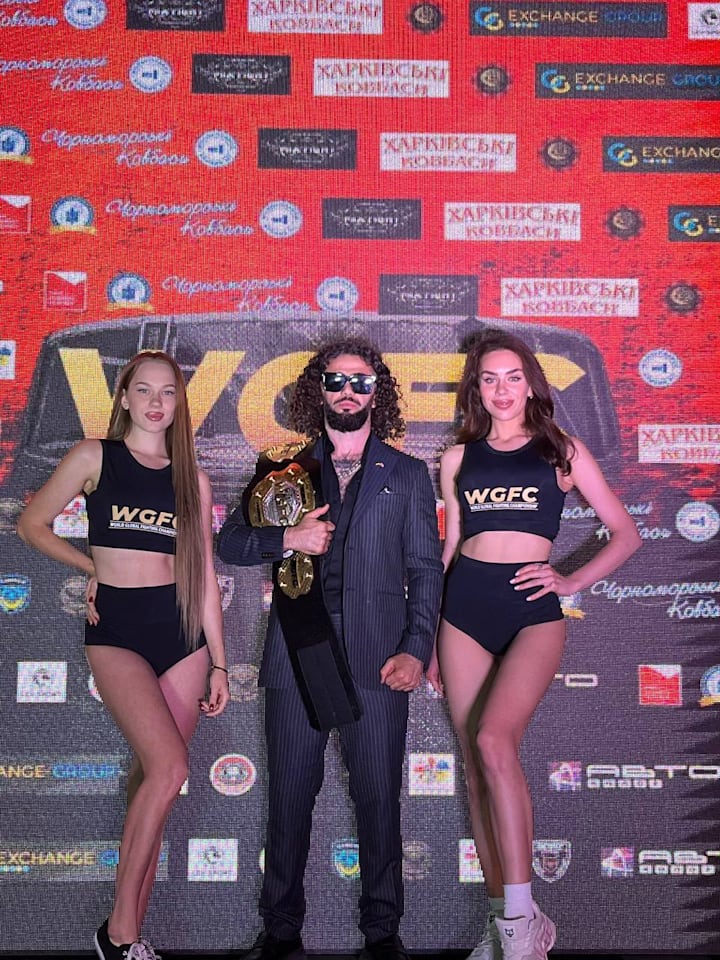
Jacobsen: When you think about wanting to attain world champion status before you had it, then winning the title several times, and now looking back, what was the importance of that title at each stage of your life?
Vanadze: Yes, of course, it is nice when I look back at my career. I am proud of it. But as an athlete, I could have gone further. I dreamed of following the path of fighters like Conor McGregor and Ilia Topuria, becoming a great fighter, a champion, and working with a major promotion.
But I do not regret it. I am proud that many fighters trained in my gym, and many of them became successful. To be honest, I am proud of my career.
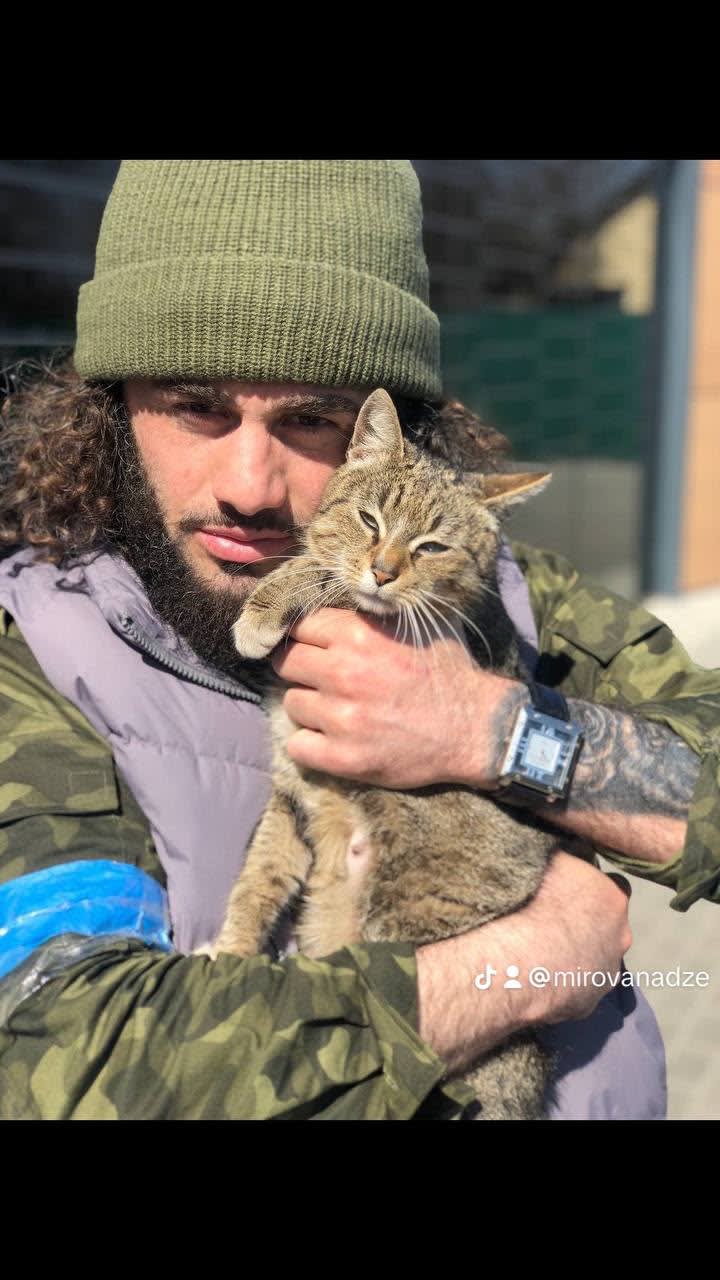
Jacobsen: What was the first life you saved?
Vanadze: It was in Irpin. When we entered, there was a dangerous zone under Russian fire. During the evacuation, there were moments when any movement could mean death.
A grandmother was trying to cross into the danger zone. She was only about 200 metres from the Russian positions. She was elderly and heavy, and it was very difficult for her to move. I was with my friend, Djambulat. I told him we had to save her because, if the Russians reached her, they would almost certainly kill her.
Many soldiers told us not to go because it was impossible. They said the Russians would see our uniforms, and that if we crossed that open area, snipers or heavy-calibre weapons could kill us. But when I saw how difficult it was for the grandmother to move, I decided to take the risk. We went in, helped her, and pulled her out of the danger zone.
I always remember the feeling of entering that zone. I remember those feelings. It felt good to save those people. Yes, it was dangerous, but we did it. It was our duty.
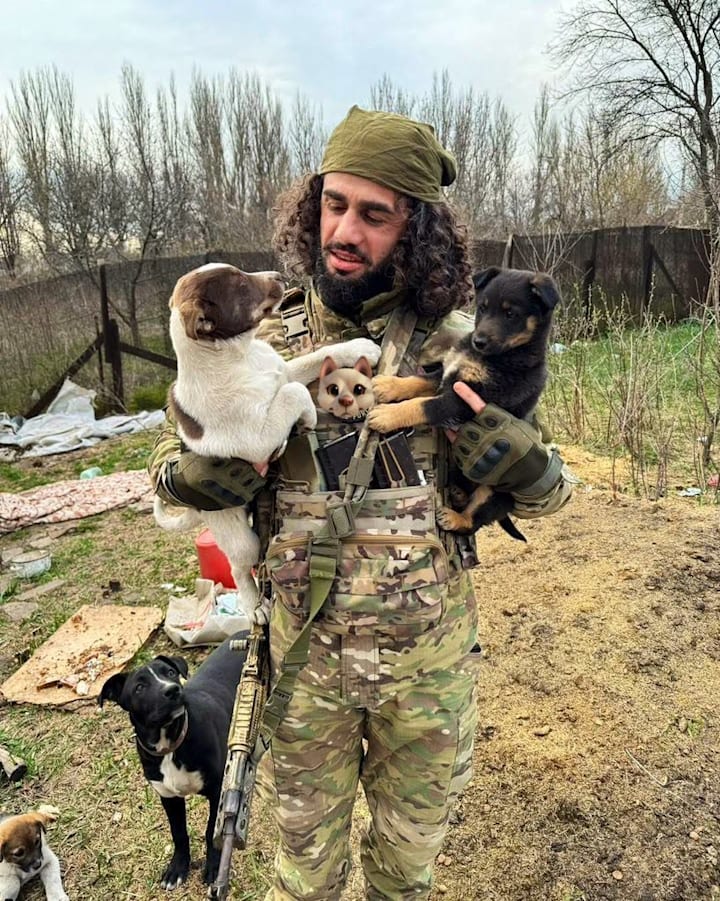
Jacobsen: Would you say your military training or your fighting training was harder? Which was more difficult: your training as a sportsman or your military training?
Vanadze: When I was an athlete, I trained two or three times a day. But defending Ukraine and being part of the defence of freedom is an honour for me.
Of course, training with armour, helmets, weapons, and equipment weighing up to 50 kilograms was difficult. We moved and trained with that weight. It was hard physically. But mentally, military training was a little easier for me than sports training because I knew why I was doing it.
Jacobsen: Thank you very much for the opportunity and your time, Miro.
Scott Douglas Jacobsen is a blogger on Vocal with more than 200 publications on the platform. He is the Founder and Publisher of In-Sight Publishing (ISBN: 978–1–0692343; 978–1–0673505) and Editor-in-Chief of In-Sight: Interviews (ISSN: 2369–6885). He writes for International Policy Digest (ISSN: 2332–9416), The Humanist (Print: ISSN, 0018–7399; Online: ISSN, 2163–3576), Basic Income Earth Network (UK Registered Charity 1177066), Humanist Perspectives (ISSN: 1719–6337), A Further Inquiry (SubStack), Vocal, Medium, The Good Men Project, The New Enlightenment Project, The Washington Outsider, rabble.ca, and other media. His bibliography index can be found via the Jacobsen Bank at In-Sight Publishing, comprising more than 10,000 articles, interviews, and republications across more than 200 outlets. He has served in national and international leadership roles within humanist and media organizations, held several academic fellowships, and currently serves on several boards. He is a member in good standing in numerous media organizations, including the Canadian Association of Journalists, PEN Canada (CRA: 88916 2541 RR0001), Reporters Without Borders (SIREN: 343 684 221/SIRET: 343 684 221 00041/EIN: 20–0708028), and others.
Image Credit: Miro Vanadze.