
Public health officials are urging Manitobans to take precautions against tick and mosquito bites as warmer temperatures and recent rainfall fuel increased insect activity across the province.
Manitoba Health, Seniors and Long-Term Care says Lyme disease is spread through the bite of infected blacklegged ticks, which can be present any time there is no snow cover.
Officials stress prevention is key, recommending residents use insect repellent on exposed skin and clothing, wear long sleeves and pants, and tuck clothing in when spending time outdoors.
People are also encouraged to walk in the centre of trails, check themselves, children and pets after being outside, and remove any attached ticks as soon as possible using tweezers. Keeping grass and shrubs around homes trimmed can also help reduce tick habitat.
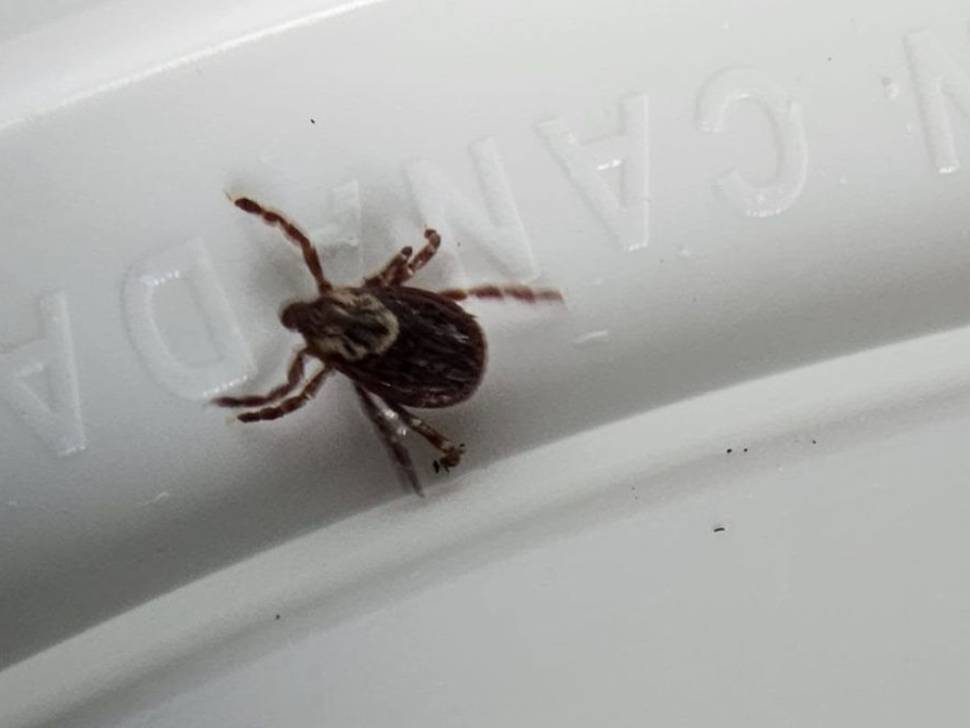
Because blacklegged ticks can resemble more common wood ticks, Manitobans are being encouraged to submit photos of ticks for identification by an expert to determine whether they may carry disease.
Health officials recommend visiting a health-care provider within 72 hours of removing a tick if the bite came from a confirmed blacklegged tick and it was attached for 36 hours or more, or appears engorged.
West Nile virus risk expected to rise
Officials are also warning that West Nile virus risk will increase in the coming weeks and into the summer peak, particularly in July and August, as mosquito populations grow following recent rainfall.
While current activity of the mosquito species Culex tarsalis remains low, Manitoba Health says conditions are becoming more favourable for breeding.
West Nile virus can cause severe illness, including inflammation of the brain, and in rare cases may lead to long-term complications or death. Infection can occur from a single bite from an infected mosquito.