
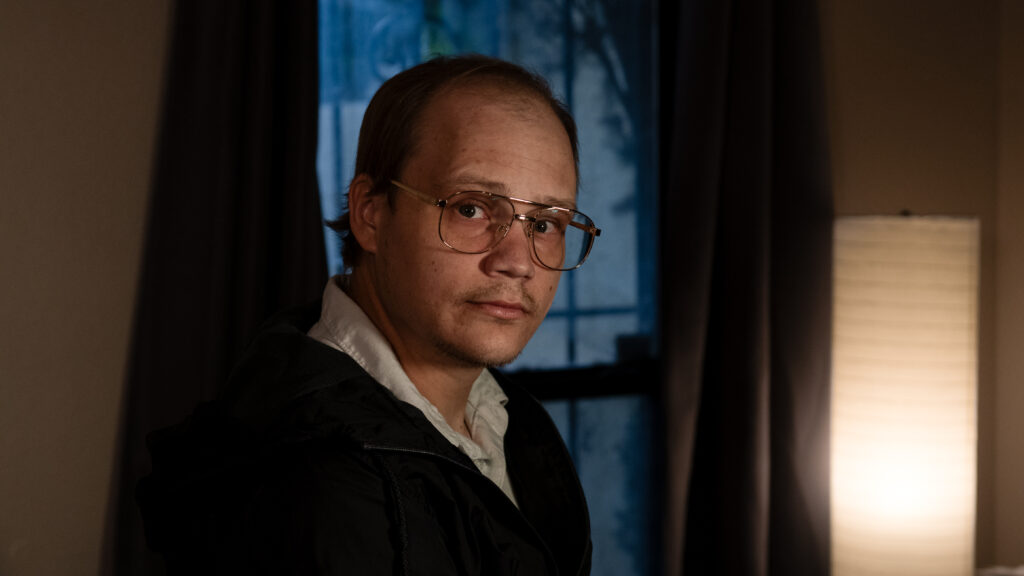
Robert Behounek walked into the Albuquerque emergency room last fall with telltale signs of a heart attack.
For weeks, he’d been having trouble breathing and terrible swelling all over his body. What began as searing pain in one of his arms was now a relentless ache in his chest. The receptionist at Albuquerque ER & Hospital asked for his health insurance card, but he didn’t have insurance. She told Behounek that his visit could cost upward of $1,600.
“I said, ‘I don’t have that. Can you just bill me afterward? I’m worried I’m having a heart attack,’” Behounek recalled. “She just said, ‘There’s nothing we can do for you. We can’t see you here unless you pay the cost first.’ I said, ‘But you guys are an ER,’ and she said, ‘We’re not that kind of ER.’”
For the past 40 years, it’s been illegal in the U.S. for emergency departments to turn away patients because of an inability to pay. But that only applies to hospitals that contract with Medicare. Houston-based Nutex Health, which runs the hospital Behounek visited, has opted not to at most of its hospitals, so it’s not bound by that law. Nutex claims it complies voluntarily, screening every patient to ensure they’re not dying before demanding payment. But some patients say they were never screened.
STAT+ Exclusive Story
Already have an account? Log in


This article is exclusive to STAT+ subscribers
Unlock this article — plus in-depth analysis, newsletters, premium events, and news alerts.
Already have an account? Log in
Individual plans
Group plans
To read the rest of this story subscribe to STAT+.