
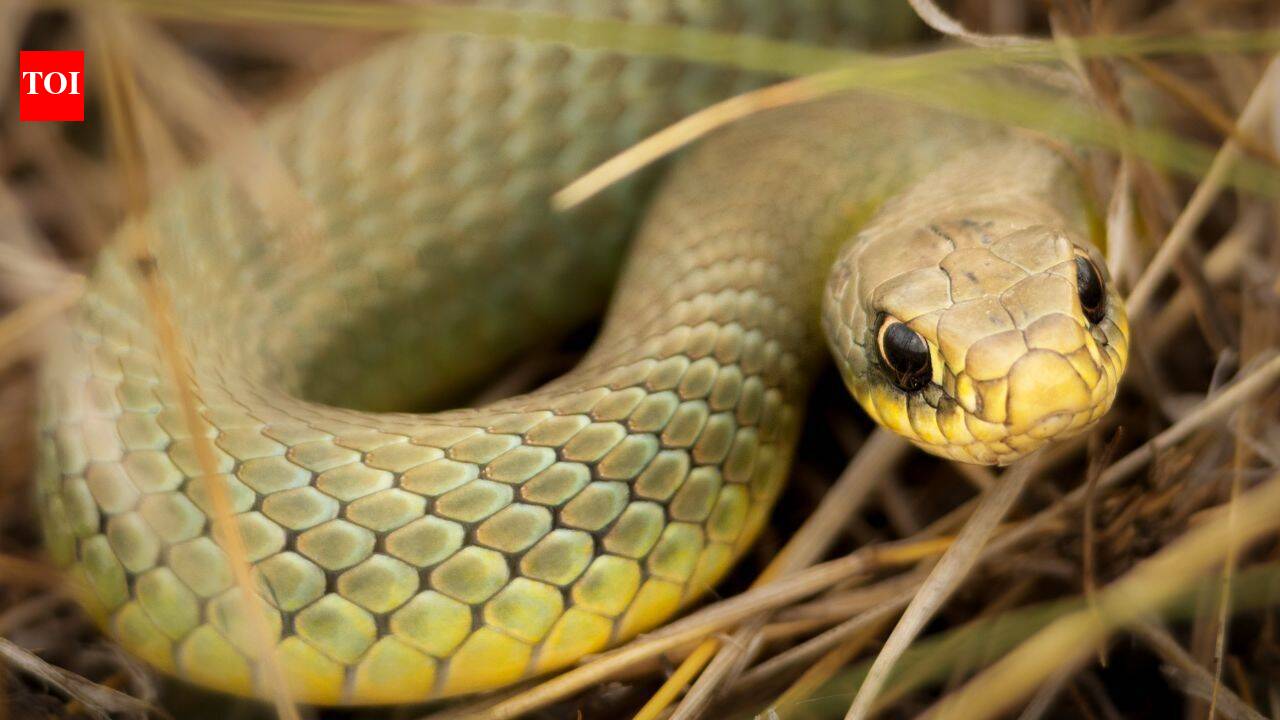
 The Maritime provinces are not the first places that come to mind when thinking about snake habitat. Long winters and relatively cool temperatures limit reptile diversity compared with many other parts of North America. Even so, pockets of suitable habitat exist across Nova Scotia, New Brunswick and Prince Edward Island. Wetlands, marshes, sheltered coves and slow-moving waterways provide enough warmth, cover and food to support several native snake species.Many of the snakes found in the region are small and secretive. Eastern garter snakes and eastern ribbon snakes are among the most frequently observed, while northern red-bellied snakes, northern ringneck snakes and the occasional smooth greensnake appear in more specialised habitats. Around a handful of lakes and rivers, these species occur often enough that wildlife enthusiasts stand a reasonable chance of spotting them during the warmer months.According to WorldAtlas, check the list of the 5 Most Snake-Filled Bodies Of Water In The Maritimes.
Snake species in Maritimes
waterbodiesSnake Species Commonly FoundKejimkujik Lake
Eastern garter snake, Eastern ribbon snake
Shubenacadie River
Maritime garter snake, Eastern ribbon snake
Morell River
Northern red-bellied snake, Eastern garter snake, Smooth greensnake
Grand Lake
Eastern garter snake, Northern ribbon snake
Bras d’Or Lake
Northern red-bellied snake, Northern ringneck snake, Maritime garter snake, Eastern smooth greensnake
Maritimes’ most snake-filled waterbodies
1. Kejimkujik Lake, Nova Scotia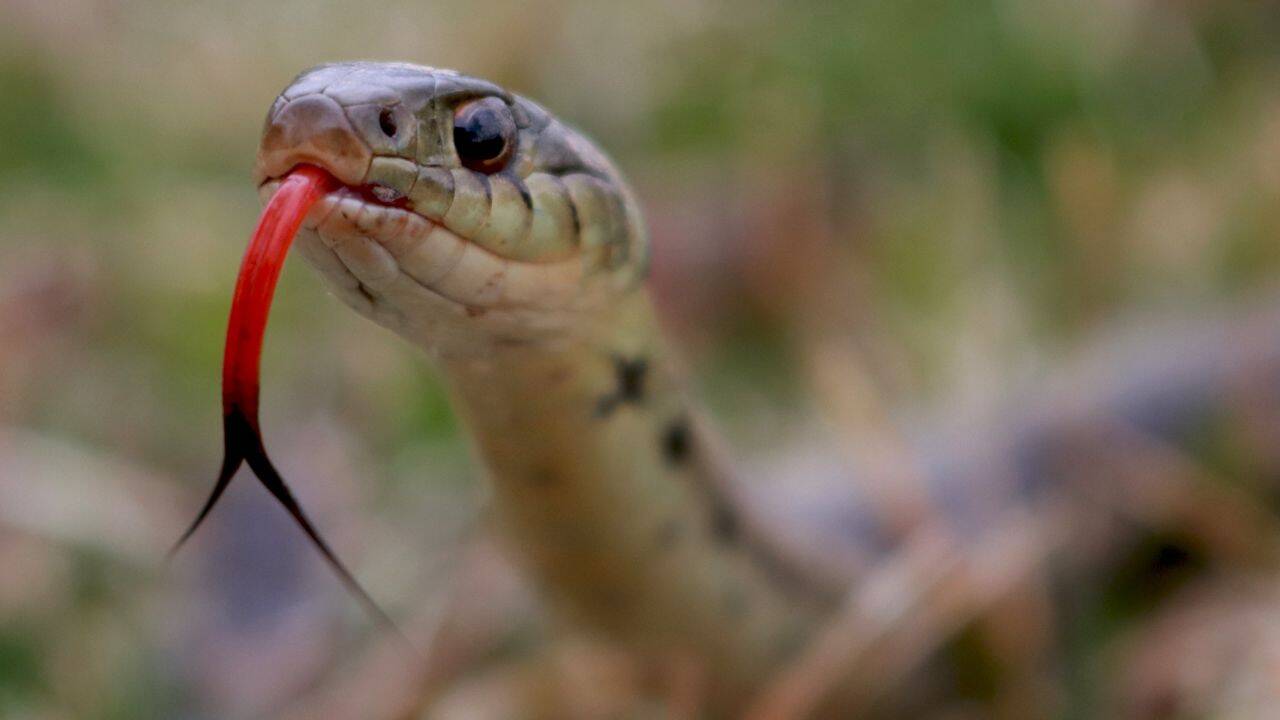
pc: Canva
Set within Nova Scotia’s interior, Kejimkujik Lake offers some of the most favourable reptile habitat in the Maritimes. The lake is surrounded by extensive forest, while its sheltered inlets and shallow waters warm more quickly than many exposed lakes elsewhere in the region.Eastern garter snakes and eastern ribbon snakes are the species most often associated with the lake. Both are regularly found near marshes and wet shoreline vegetation where amphibians are plentiful. Ribbon snakes, with their slender build and bright stripes, frequently remain close to water, while garter snakes roam more widely through nearby vegetation.Late spring and early summer tend to bring the highest level of activity. Quiet coves, reed beds and low branches along canoe routes provide suitable places for basking and hunting. The broader ecosystem also supports frogs, salamanders and turtles, helping create one of Atlantic Canada’s richest reptile and amphibian environments.2. Shubenacadie River, Nova Scotia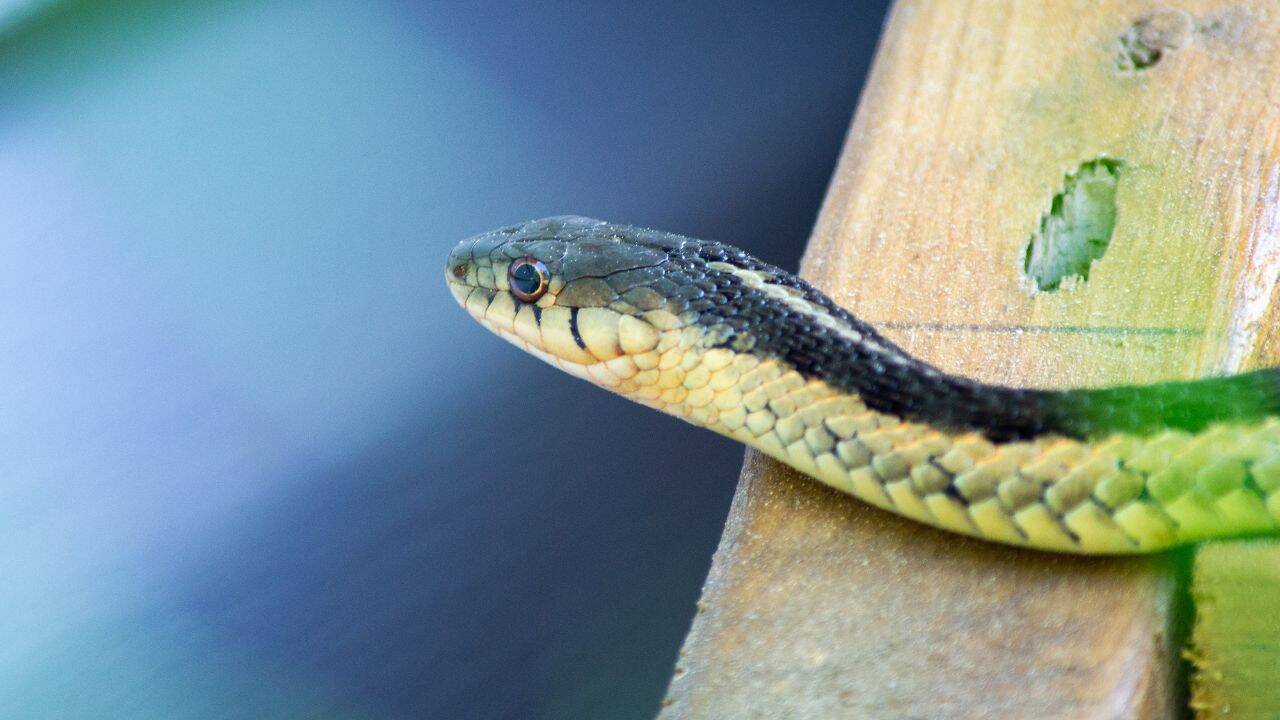
pc: Canva
The Shubenacadie River cuts through a landscape of wetlands, marshes and freshwater channels before connecting with tidal waters near Cobequid Bay. This mix of habitats creates favourable conditions for a range of wildlife, including several snake species.Maritime garter snakes and eastern ribbon snakes are the reptiles most commonly encountered along the river. They are particularly associated with the upper freshwater stretches where vegetation is dense, and disturbance is relatively limited. The surrounding marshes provide shelter while supporting the amphibians and small aquatic creatures that form much of their diet.Throughout the warmer months, snakes can often be found on exposed banks, among reeds or resting on fallen logs. Early morning and late afternoon are usually the best times to observe them as they emerge to regulate body temperature.3. Morell River, Prince Edward Island
pc: Canva
Prince Edward Island supports fewer snake species than neighbouring mainland provinces, making the Morell River an especially important location for reptile sightings. The river’s wooded upper reaches, east of St. Peter’s Bay, provide habitat for one of the island’s more distinctive snakes.The northern red-bellied snake appears here with some regularity. Small and generally shy, it spends much of its time hidden beneath moss, damp leaves and decaying wood close to the riverbank. Its reddish-orange underside gives the species its name, though it is rarely seen clearly because of its secretive habits.Eastern garter snakes also occur along the river corridor, particularly near wetter sections. The area has produced occasional sightings of the smooth greensnake as well. Covered in vivid green scales, this uncommon species blends remarkably well into grasses and low vegetation, making encounters relatively rare and often brief.4. Grand Lake, New Brunswick
pc: Canva
Grand Lake’s extensive shoreline and numerous sheltered backwaters create conditions that attract reptiles despite the cooler, wind-exposed nature of its open waters. The most productive areas are generally found where aquatic vegetation meets muddy or grassy banks.The eastern garter snake is the species most frequently observed around the lake. Individuals often move between shoreline vegetation and shallow water while searching for prey such as frogs, tadpoles and other small animals. Their adaptability allows them to persist even around cottage developments and recreational areas.Northern ribbon snakes also occur in quieter sections of the lake, particularly near feeder streams and protected coves. During warm weather, both species may be spotted basking on rocks, logs or low vegetation close to the water’s edge.5. Bras d’Or Lake, Nova Scotia
pc: Canva
Although Bras d’Or Lake is famous for its vast brackish waters, many of its sheltered shoreline pockets support habitats suitable for snakes. Damp coves, wooded margins and debris-rich shorelines provide the moisture and cover required by several species.Northern red-bellied snakes are among the reptiles found around the lake, usually beneath leaf litter, moss and driftwood near the water. Sharing similar habitats is the northern ringneck snake, recognised by the narrow yellow or orange ring around its neck and its brightly marked underside.Neither of these species spends much time in the water itself. Nova Scotia has no native watersnakes, so both remain largely on moist ground where cover is abundant. Maritime garter snakes are also present around parts of the shoreline, while eastern smooth greensnakes have been recorded occasionally in suitable grassy habitats nearby.