
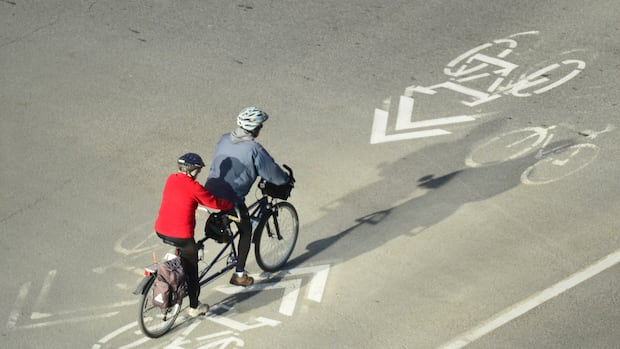
A City of Montreal survey on the bike path network has become mired in controversy since its launch earlier this month.
The online consultation currently underway looks to improve and develop the city’s bike path network, as Mayor Soraya Martinez Ferrada, and her administration, work towards creating a new bike plan that it plans to release in the fall of 2027.
However, concerns have emerged from Montreal’s cycling community about the survey, specifically regarding its objectivity and privacy. It all started when the survey suddenly disappeared, just a couple days after going live.
When it came back online, users noticed a major change — the option to suggest the removal of bike lanes had been added to the response options and to the survey’s interactive map, which initially had just asked respondents to mark areas for improvement.
Changes to survey called into question
Cyclist Nicolas Marcotte went through and documented the various modifications that were made to the survey.
He says the options that were added are deeply problematic.
“When they put on the table the option to not maintain the winter bike path network — to me, it’s a threat to my safety and the safety of my children,” said Marcotte, who uses the Rachel Street bike lane year round to take his two children, aged eight and 11, to school.
He referenced the death of an 11-year-old cyclist in Quebec City this week as proof for why cities need safe cycling infrastructure.
Vélo Québec shares his perspective.
“We would never ask citizens which libraries or public swimming pools should be closed,” said spokesperson Magali Bebronne. “Why, then, would a consultation on a cycling plan ask which bike lanes should be removed?”
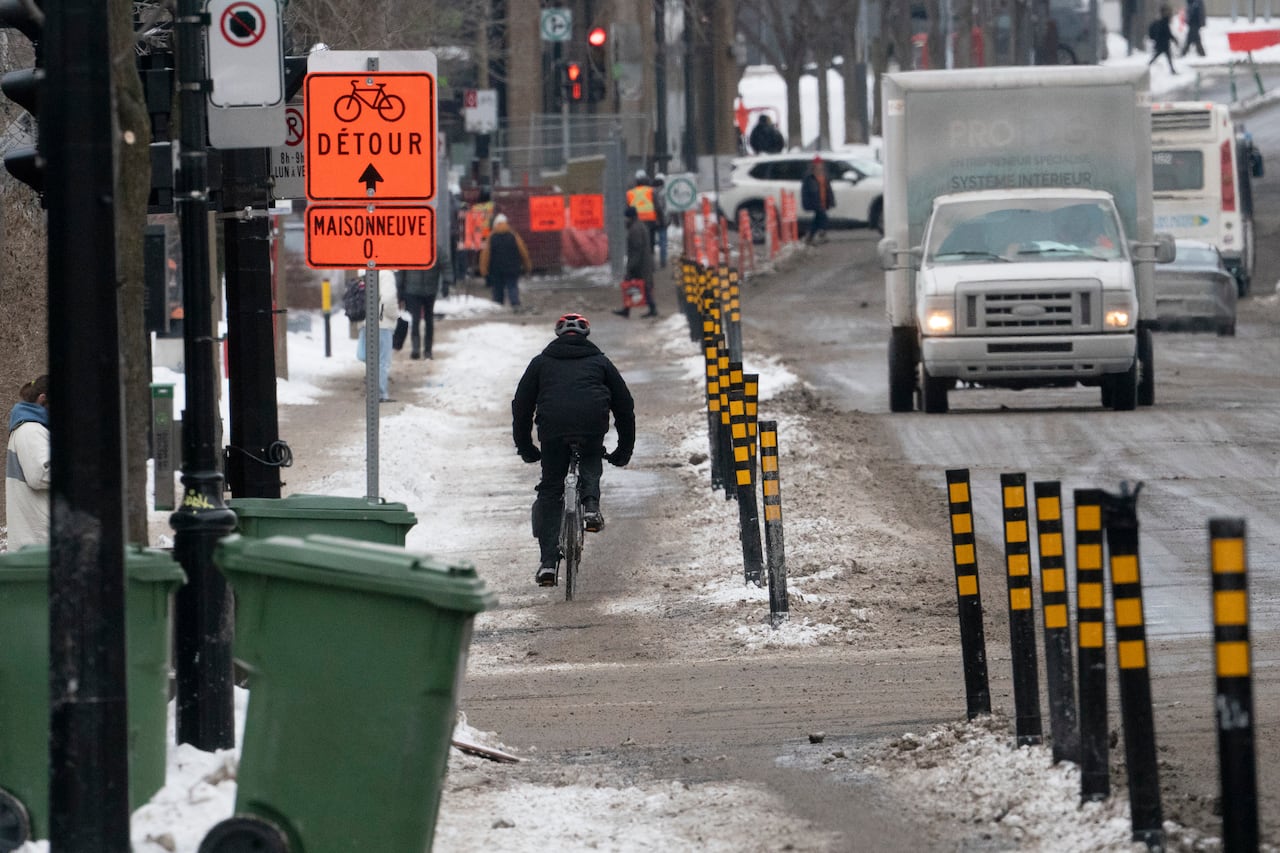 A cyclist biking in Montreal in February. Cyclists are speaking out about Montreal’s survey on bike lanes and are raising concerns over its objectivity and privacy, (Ivanoh Demers/CBC)
Another modification to the survey allowed people without a Montreal postal code to take part.
At a news conference Tuesday, Martinez Ferrada justified this by saying “all users of our roads” should be at the table when the city’s mobility is being examined.
“The diversification of those voices, it’s important,” she said, “That’s why the survey was enlarged in terms of the outreach of who was surveyed.”
‘Has it been a little clumsy? Absolutely,’ says cyclist
Cyclists CBC News spoke with said they feel the changes in the survey could polarize or fuel division between those for and against bike paths.
“I’ve heard Soraya say that she doesn’t want it to be this, like, polarized debate. And she has denied being anti-bike,” said cyclist Cole Dev, adding he thought the new version of the survey did exactly that.
Cyclists Nicola Zoghbi and Alexandre Lafontaine believe the updated version was a product of political pressure.
Lafontaine says the modifications “pander to particular groups dissatisfied with the initial pro-cycling options.”
“The process feels highly unprofessional and gives the impression of [it] being rigged,” he said.
Rick Hoge is willing to give the city the benefit of the doubt over how the survey has been handled.
“Has it been a little clumsy? Absolutely,” said Hoge.
“At least they’re trying. I don’t read anything into this.”
Personal information temporarily publicly visible
For Hoge, the bigger issue about the survey is what emerged surrounding privacy.
This past weekend users flagged that respondents’ personal information — including their full names — along with parts of their postal codes, and in some cases email addresses, were visible and could be downloaded by respondents.
Some information was reportedly viewable on the survey’s interactive map portion, which by Monday morning, had been removed. By then, the map had been covered with duplicate markers asking for multiple bike lanes to be fully removed.
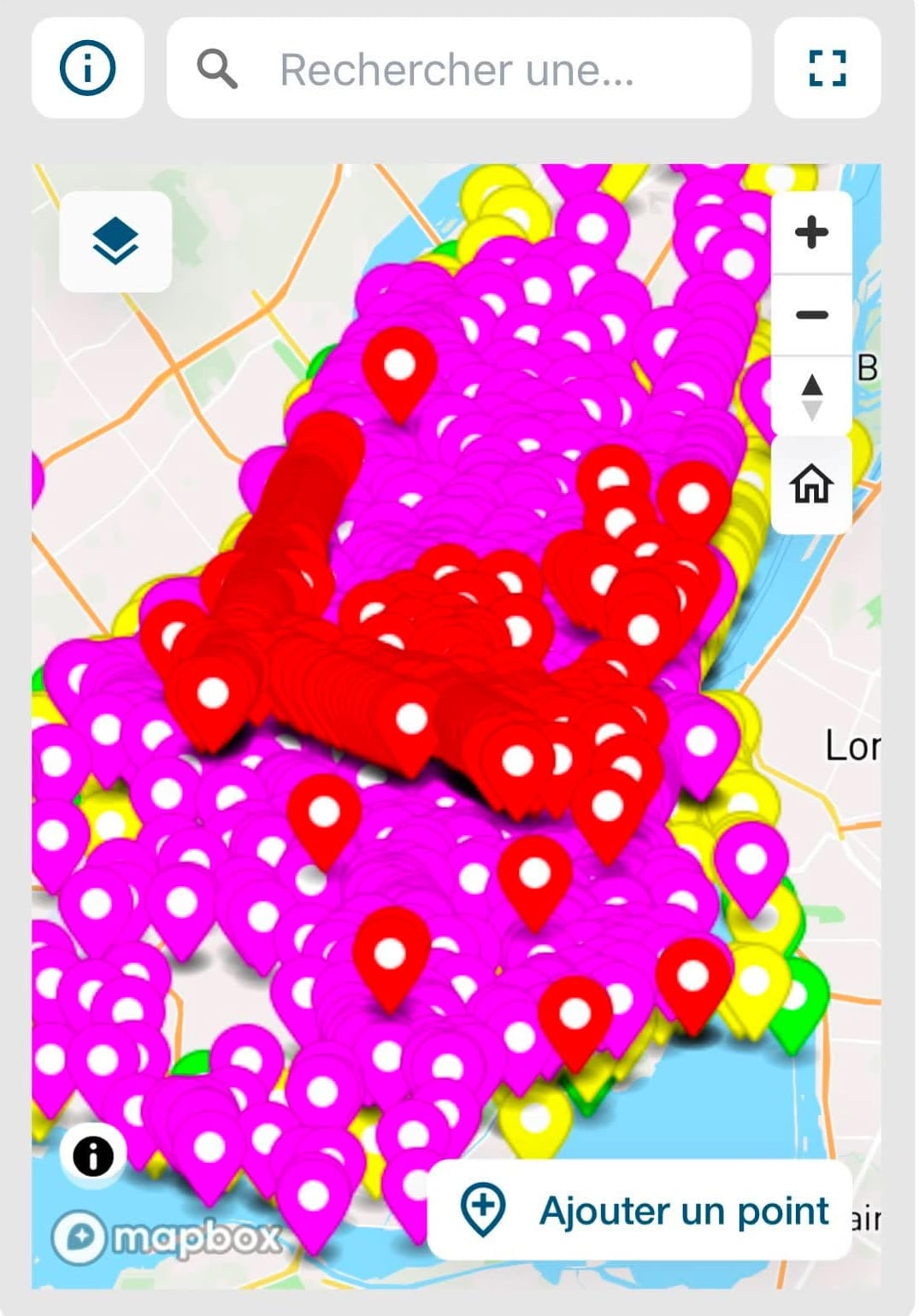 As shown in a screenshot, one of the modifications to the survey allowed users to indicate a point on an interactive map of which bike lanes should be removed. (Submitted by Nicolas Marcotte)
Cocoriko, the Quebec-based consultation platform that hosts the survey, says in its terms of use that unless otherwise indicated respondents’ comments will be visible to everyone, and their first and last name will be displayed along with their comments.
Hoge said this was not made explicitly clear to users.
“I’m not a lawyer … but I’m not sure this would pass the smell test in terms of Quebec’s privacy protection laws,” he said.
He said he didn’t think there was an adequate level of informed consent for people to know they could be disclosing identifiable personal information.
City addresses concerns
The City of Montreal responded to the concerns Tuesday afternoon.
A spokesperson told CBC News that survey contributors’ information was removed within 24 hours of the city being informed of its presence online. But the city said it does not consider data, such as a person’s first and last name, to be confidential because the contributors’ information was “not verified and authenticated by the city.”
The city plans to add the map back to the survey “as soon as possible.”
The 1,613 responses to the original survey will be included in the analysis of the online consultation, which people can participate in until July 25.
A more in-depth consultation is planned for this coming fall.