
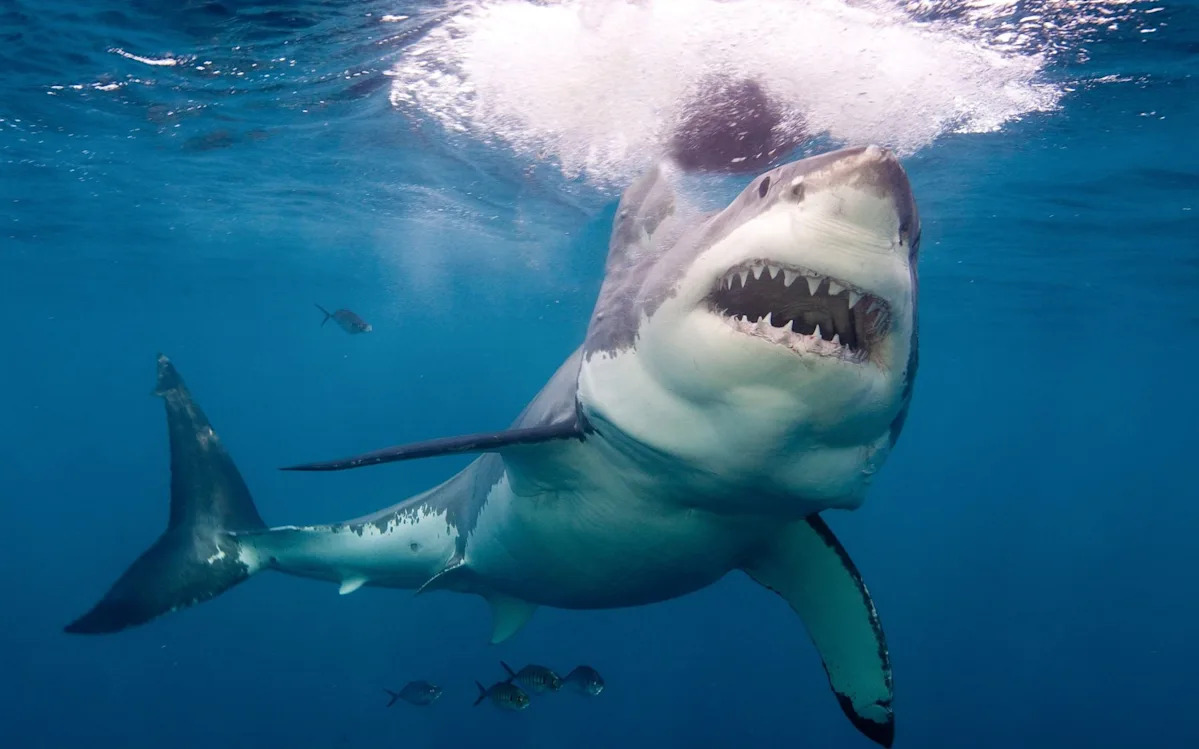
The most surprising thing about a great white shark taking up residence at Bondi Beach, Sydney, this month, forcing swimmers and surfers from the water for hours each day, is that it took so long to happen.
Australian beaches have been increasingly infested with sharks since great whites were protected nationwide in 2000, and various state governments started to restrict or close down shark fisheries in the mid 2010s.
In the past 26 years, sharks have killed about 60 people (including those whose unexplained disappearance in the water almost certainly involved an attack) and injured 350 more, including 80 whose wounds were deemed “serious”, which often means an amputated limb.
The rate is accelerating, which means there will probably be at least one more fatality at a beach somewhere in the country before Christmas.
After its closure, locals at Bondi were content to stroll the promenade in warm winter sunshine instead of diving in and taking a risk. Even when a decent swell rolled in last Wednesday, the hundreds of surfers who would normally have crowded the water stayed away.
If the locals are insouciant, however, the experts have been opportunistic. When the campaign to protect great whites began in the late 1990s, marine scientists were adamant that the species’s population was in precipitous decline.
Since then, scientists have built careers out of researching every conceivable aspect of the behaviour and breeding patterns of sharks while at the same time conspicuously throwing their hands up and declaring the population trend, which was so unambiguous 30 years ago, too difficult to calculate.
Despite the attack rate accelerating and seasoned, old fishermen around the country reporting seeing more sharks than ever, the experts refuse to even entertain the possibility that the size and abundance of sharks are now out of control.
“We simply do not have scientific evidence on the trends in the population of [great white sharks],” Daryl McPhee of the Gold Coast’s Bond University said recently, echoing the scientific consensus.
Politicians have been no better. In 2017, a senior member of the conservative federal government complimented me for my concerted campaign in various newspapers to end the protection of great whites and save lives (yes, I’ve been writing about this for longer than I should have).
“Well you’re in government, why don’t you do it?” I asked.
“We can’t,” she replied. “We’d be wiped out at the next election.”
She had a point. Many Australians have in the past two generations embraced a Rousseau-like attitude towards the environment, that the only legitimate custodians of this continent are its original inhabitants.
Unlike in Britain, where the built environment is often intimately entwined with the natural one, in Australia any activity by us descendants of colonials that disturbs the natural “balance” is often deemed destructive, exploitative and ultimately unnecessary.
Digging up minerals or clearing land for homes is bad enough, but killing sharks so people can enjoy the ocean in relative safety? Nothing could be more self-indulgent and evil.
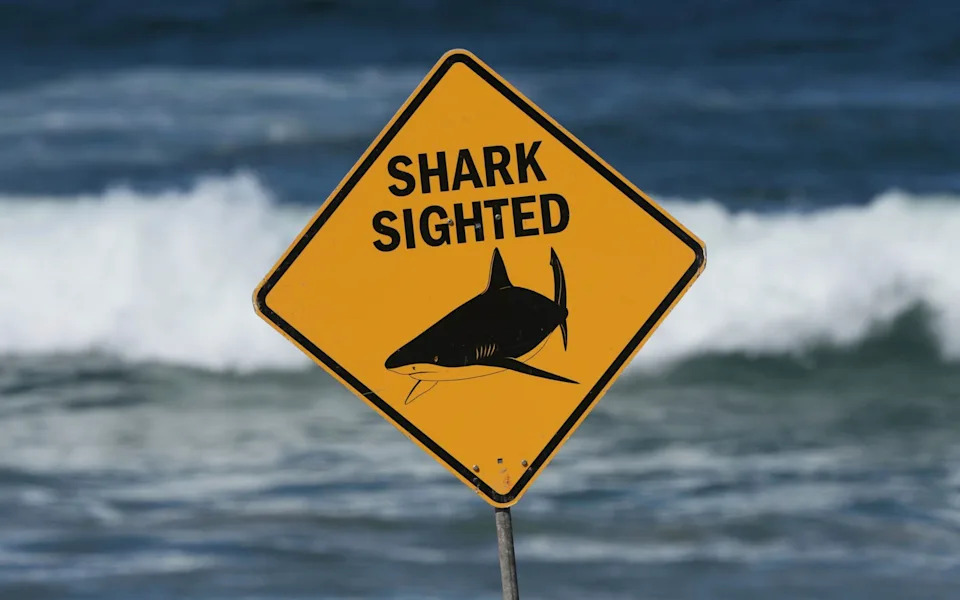
A warning sign on a Sydney beach last month – AP
Whenever there is a shark attack, environmentalists flood social media with comments about the victim deserving it because he or she was entering the shark’s home. Their inhumanity is as depressing as it is overt.
Reading this mood, politicians have sought to find ways to protect people without killing sharks. All of the methods they have financed and introduced over the past decade – using sonar tags, listening devices, AI-guided drones and electrical deterrents – have been expensive and mostly failures.
The cheapest and most effective solutions, which have been in place at popular beaches in Sydney since 1937 and Queensland since 1962, are lethal. They are nets and hooks designed to kill sharks, but also often kill other species, including dolphins.
The campaign by environmentalists to have these methods terminated was until recently gaining considerable political support, but the increasing rate of fatal attacks has stymied that.
These environmental harridans have been testing Australia’s culture of rugged pragmatism for too long. When it comes to swimming on our beaches, we must make it acceptable to prioritise human safety again.
The benefits will be many. Apart from returning to the water with renewed confidence, Australians will, when our shark fisheries reopen, once again be sitting on the beach and enjoying cheap, tasty fillets of flake and chips.
Why live on an island continent if you can’t enjoy a swim and some seafood?
Fred Pawle is an Australian surf journalist