
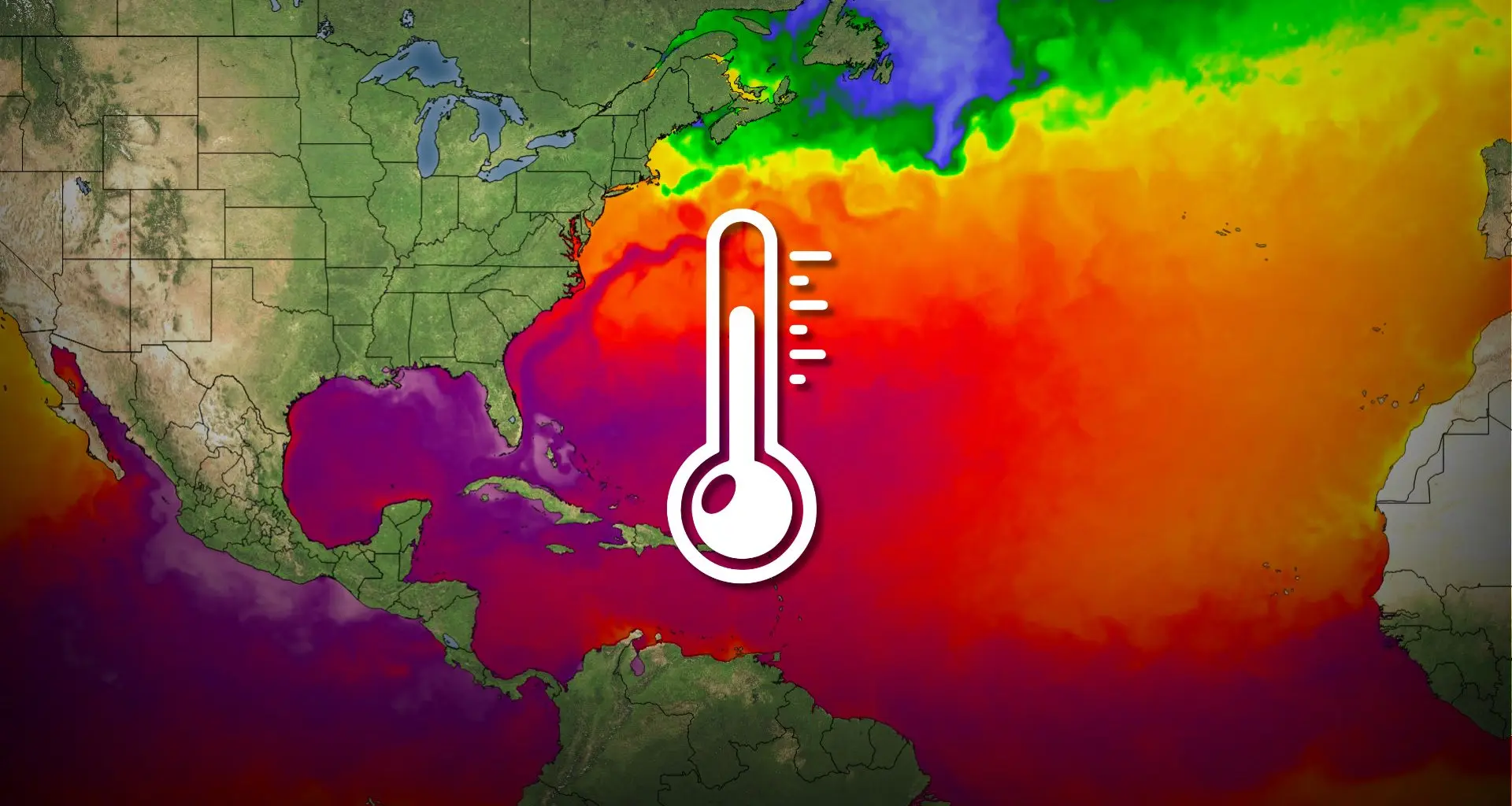
That is significant as warmer oceans do not remain isolated at sea.
Hotter waters release more moisture into the atmosphere, increasing the likelihood of stronger storms, heavy rainfall and flooding. They also have a significant impact on marine ecosystems, particularly coral reefs, where prolonged heat can cause widespread bleaching and die-offs.
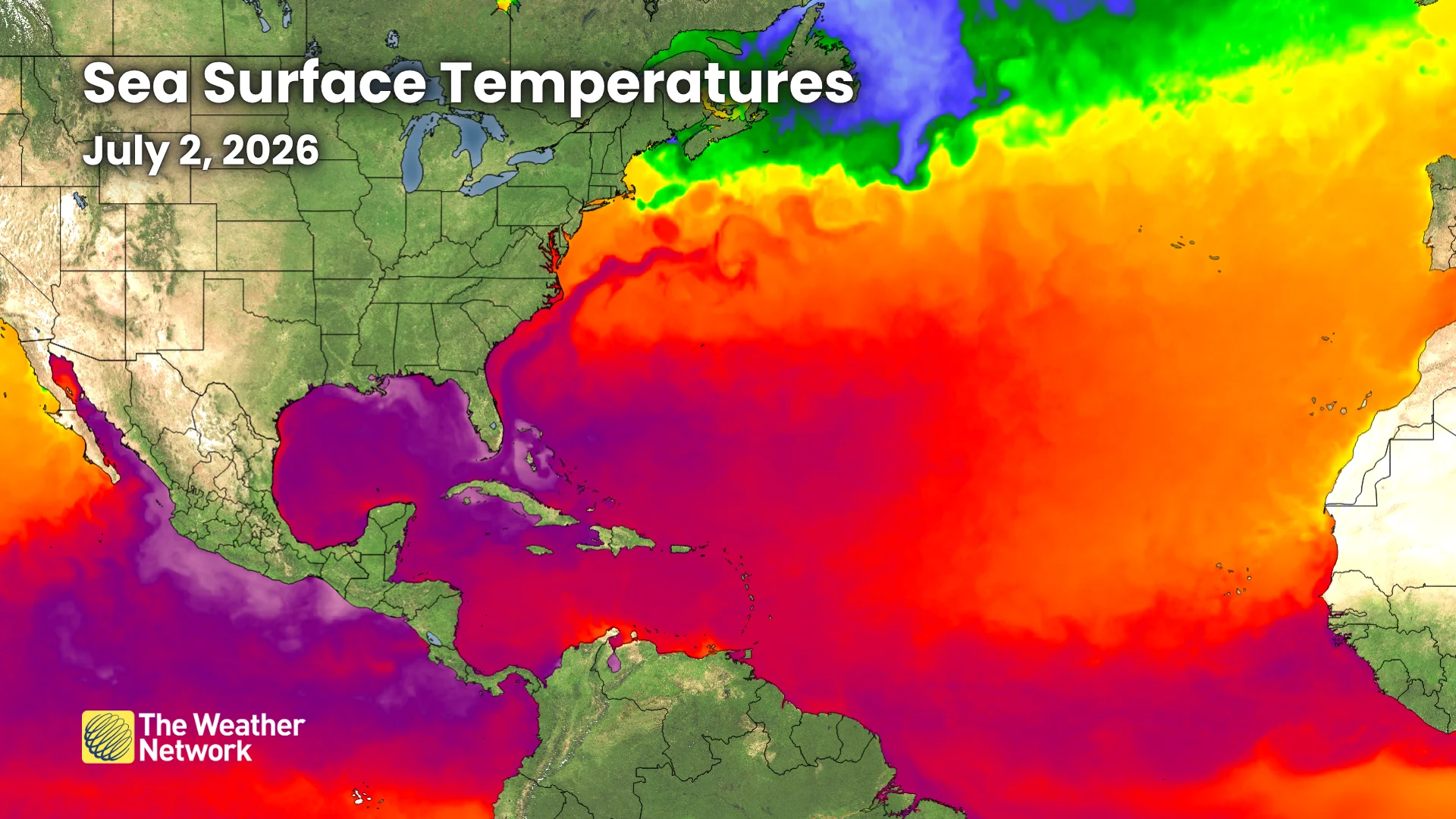
Scientists are monitoring the early stages of El Niño, a climate pattern caused by unusually warm Pacific waters that can increase global temperatures.
“With ocean temperatures at these levels and El Niño on the horizon, we are likely to see more temperature records fall in the coming months,” Carlo Buontempo, director of the Copernicus Climate Change Service, said in a statement.
CHECK OUT: 5 astronomical events happening after we’re gone
Regional hot spots raise alarms
The Mediterranean Sea had its warmest June on record at 24.3°C, with marine heat waves affecting nearly the entire basin in the first half of the year.
June temperatures in the tropical Pacific reached record highs, potentially strengthening El Niño conditions by 2026.