
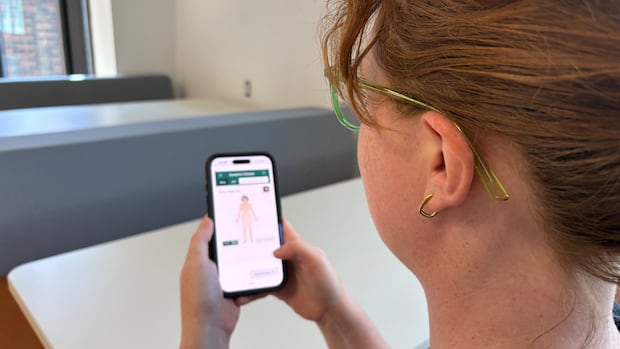
The province launched its new virtual care service on June 30, called Virtual Care N.B.
But some experts say, while virtual care provides relief when it comes to the family doctor shortage in New Brunswick, it is not a complete solution.
Martha Paynter, a University of New Brunswick associate nursing professor and reproductive health advocate, said while virtual care is helpful, the new system has some areas to improve.
“Having virtual care options has been an absolute lifesaver and game changer for patients and professionals to improve our ability to care for people quickly, efficiently, privately, especially in these areas that are persistently stigmatized,” she said.
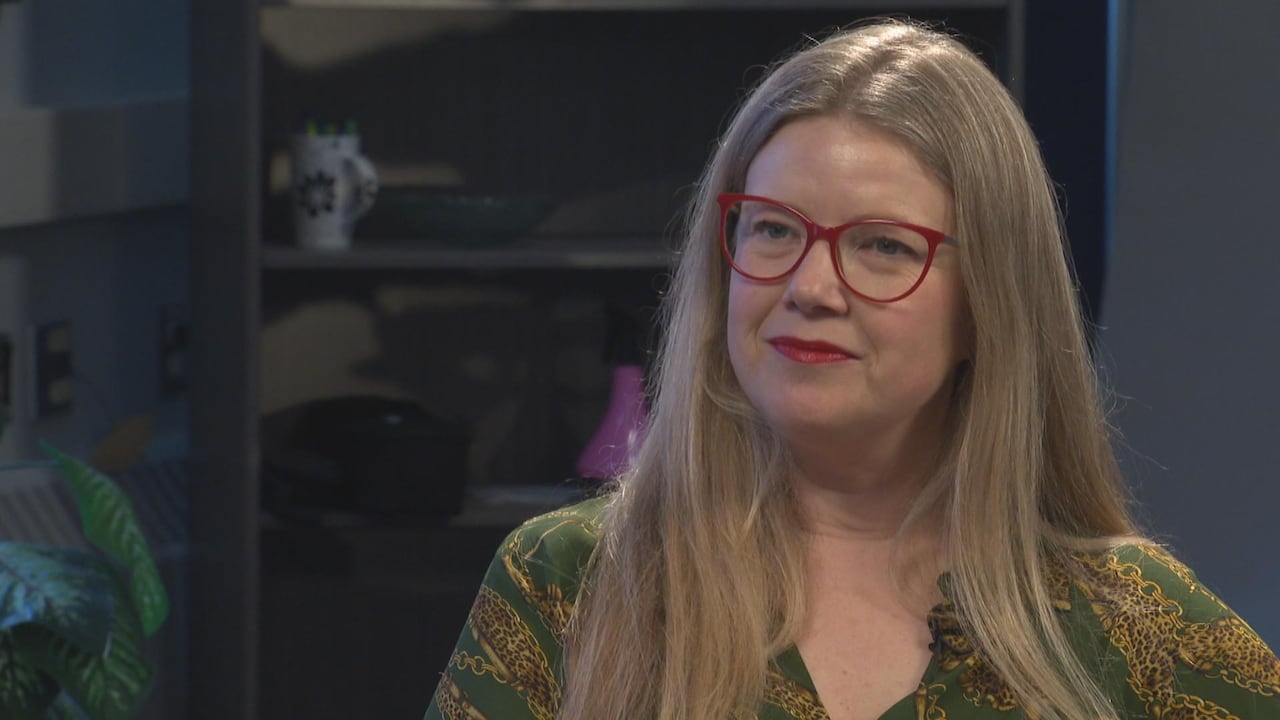 Martha Paynter, an associate nursing professor at the University of New Brunswick, said virtual care should try to be as inclusive as possible, keeping in mind people who are less technologically advanced, inequitable groups and francophones. (Ed Hunter/CBC)
But Paynter said “there are limits” to virtual care. For example, she said a provider could suggest an abortion pill as an over-the-phone solution, but some relationship building can be lost in that process, and the patient might not have further conversations with the provider about other contraceptive options.
“There are many realms in which telemedicine is simply not appropriate,” Paynter said. “You really need to see the patients, you need to touch the patient, you need to do things to their body to diagnose and to treat them:”
To use Virtual Care N.B., patients have two options. The first is to triage illnesses with a symptom checker by clicking pain points on a diagram of the human body.
Then, the website offers recommendations based on symptoms, such as going to the emergency room, booking a virtual care appointment or finding a walk-in clinic.
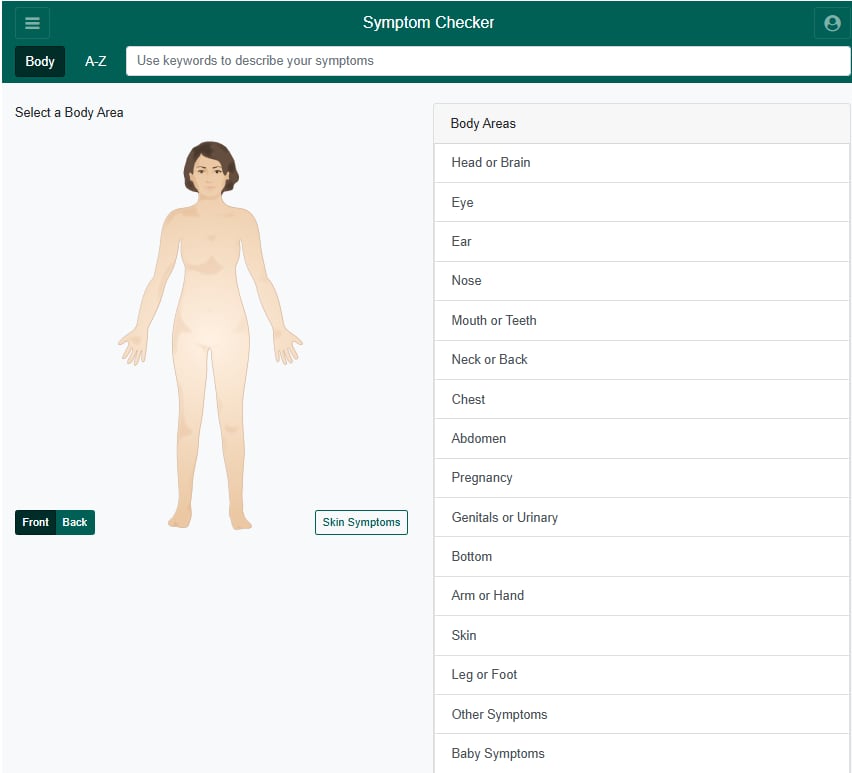 Users can click on a part of the body on the website’s symptom checker tool to get recommendations on next steps. (Government of New Brunswick)
The second option is to call Tele-Care 811 and speak to a registered nurse. According to the website, the 811 nurses can assess symptoms, determine the best care option and connect users to the appropriate services, including potentially a virtual care appointment.
The former service, called eVisitNB, had a virtual waiting room that patients were placed in before being connected with a health-care provider.
But with Virtual Care N.B., patients will receive scheduled appointments for care and the service will be available seven days a week from 8:00 a.m. to 8:00 p.m. for all New Brunswickers with a Medicare card.
Foundever, the Luxembourg-based provider behind the new service, is responsible for making sure patients receive the followup care and referrals they need, according to Health Minister John Dornan.
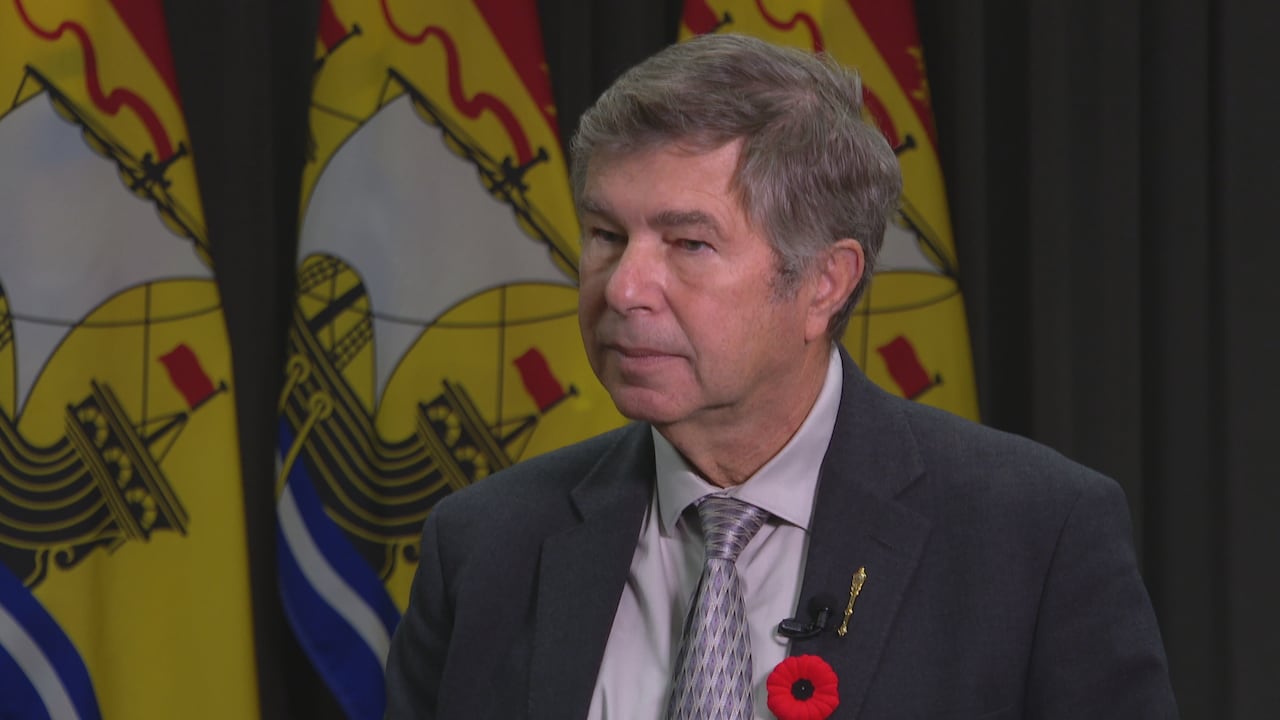 Health Minister John Dornan is hopeful about the new service. (Silas Brown/CBC)
Dornan confirmed that Foundever has hired 27 nurse practitioners to date.
“There [are] a lot of people with different skill sets, availabilities that are part of this new virtual care process,” Dornan told CBC’s Shift. “It’s a collaboration between a number of different health-care providers.”
Ruth Lavergne, an associate professor at Dalhousie University in the department of family medicine, said integrating virtual services into the health-care system makes it more effective.
“Nothing really does replace having an ongoing continuous relationship with a primary care clinician, but at least better integrated services and better connected health records can help things move a little bit more seamlessly.”
Paynter said that the added symptom checker could be another barrier for people to navigate. For example, she said mental illnesses are hard to point to on a symptom checker. And refilling prescriptions becomes a matter of calling and booking a time.
“Nowhere on this system does it say, ‘Just click here if all you need is your prescription renewed,'” she said. “It’s another headache.”
WATCH | Virtual care model has benefits and drawbacks, advocate says: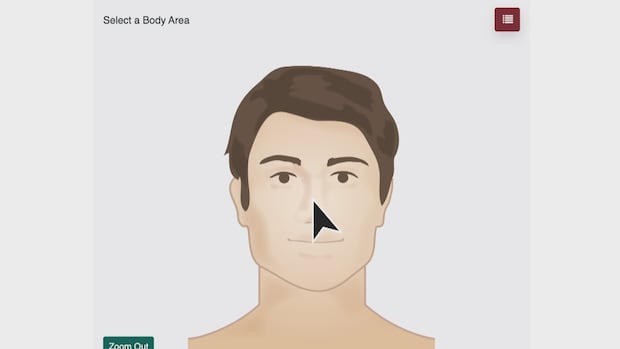
New virtual care service launched in New Brunswick
The new service replaces eVisitNB and includes a symptom checker that acts as a virtual triage.
In an email, Department of Health spokesperson Sean Hatchard said New Brunswickers who have a family doctor or nurse practitioner should always plan ahead and contact their provider first if they’re in need of a prescription renewal.
The statement said that someone who doesn’t have a provider but needs a refill can turn to pharmacists or book a prescription renewal appointment with Tele-Care 811, as Virtual Care N.B. can provide renewals for certain conditions.
“Not all prescription renewals are appropriate for virtual care,” Hatchard said in the statement. “People with complex or chronic health conditions should have an in-person assessment by a health-care provider.”
Connor Fraser, a Fredericton resident, said they have used virtual care before in New Brunswick and welcome more changes and enhancements.
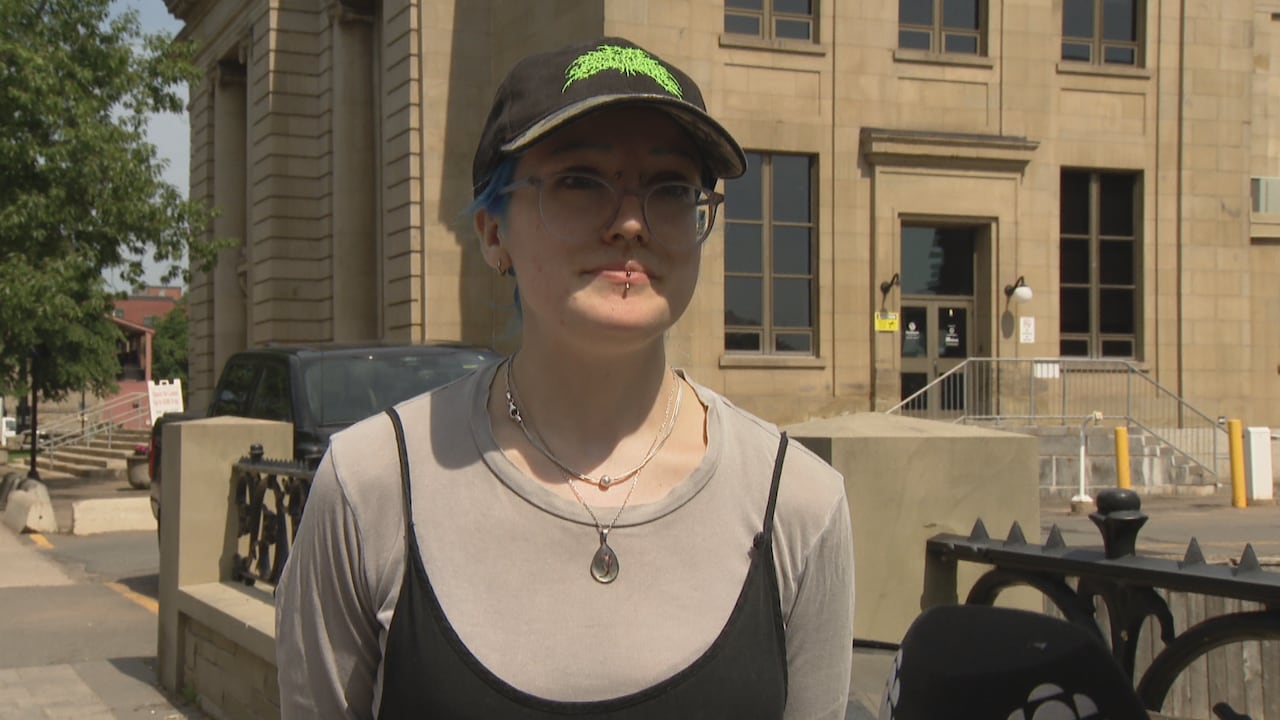 Connor Fraser said they appreciate the accessibility aspect of virtual care. (Prapti Bamaniya/CBC)
“[Virtual care is] a lot better to get the health and care we need, especially small stuff like doctors’ notes,” they said. “It’s not OK to flood the emergency room.
“That’s not what they’re there for.”
Paynter said virtual care should try to be as inclusive as possible, keeping in mind people who are less technologically advanced, inequitable groups and francophones.
Paynter said one thing lost with virtual care is the physical relationship with a regular medical professional.
“So on the one hand, there are some patients who are seeking sexual health services who are so relieved that they don’t have to go anywhere,” Paynter said. “On the other hand, being able to support a patient who’s experiencing gender based violence without having that face-to-face connection is very challenging.”
Lavergne said provinces, such as New Brunswick and Nova Scotia, are working hard to integrate virtual care into their health-care systems and it is right on time.
“I think this is a bold move that really did expand timely access to care for a lot of Maritimers, making it more convenient and faster to get to, to be seen for sort of day-to-day health needs,” Lavergne said. “It’s what we need.”