

Listen to this article
Estimated 4 minutes
The audio version of this article is generated by AI-based technology. Mispronunciations can occur. We are working with our partners to continually review and improve the results.
Some local leaders in B.C.’s Interior say a proposed new oil pipeline from Alberta to the west coast could bring major economic opportunities. But they warn smaller communities along the route need support as they brace for increased activity that comes with a major construction project.
Alberta formally pitched its vision for the new pipeline on Thursday after reaching a political compromise with Ottawa.
The project had initially considered a northern route, but the federal government and B.C. announced a deal that effectively took B.C.’s North Coast off the table as an export point.
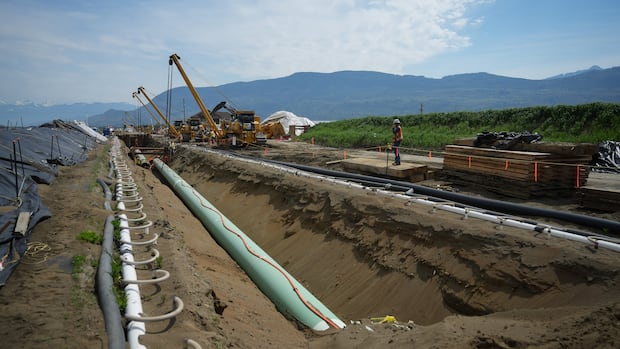
The proposed pipeline now generally follows the existing footprint of the federally-owned Trans Mountain pipeline, running from Bruderheim, northeast of Edmonton, to the Roberts Bank export terminal in Delta, B.C., south of Vancouver.
That means the project would run through Kamloops and the North Thompson Valley, including Barriere and Clearwater, B.C. communities that have felt the impact of the Trans Mountain expansion — both good and bad.
Clearwater Mayor Merlin Blackwell said he was not surprised by the proposed route.
“It’s the most logical route,” he said. “You’re not having to break ground through an entirely new route and make new deals and negotiate with completely new partners.”
WATCH | Alberta Premier Danielle Smith says new pipeline ‘increasingly likely’: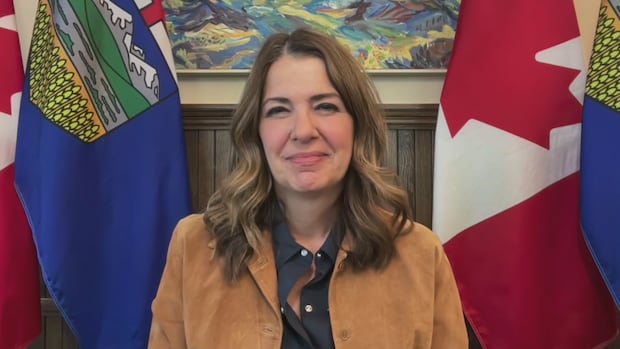
‘Increasingly likely’ new West Coast oil pipeline happens, says Alberta premier
The details of Alberta’s pitch for a new oil pipeline to the West Coast are now public, revealing a price tag of $35 billion. Power & Politics sits down with Alberta Premier Danielle Smith to discuss why her government is prepared to use public money to foot part of that bill.
The new Alberta proposal says construction could begin as early as 2027 and finish by 2034. Plans are underway to expand Trans Mountain to almost 1.2 million barrels per day through additional pump stations, chemical additives and some new pipe.
For Clearwater, Blackwell said the last pipeline expansion brought real business to town, especially for hotels, restaurants and service providers, especially during the COVID-19 pandemic, when tourism to the area dropped.
“Trans Mountain pipeline crews backfilled a lot of accommodation and restaurants and services in town during that time, which was great,” he said.
But the community also saw the downside of a boom.
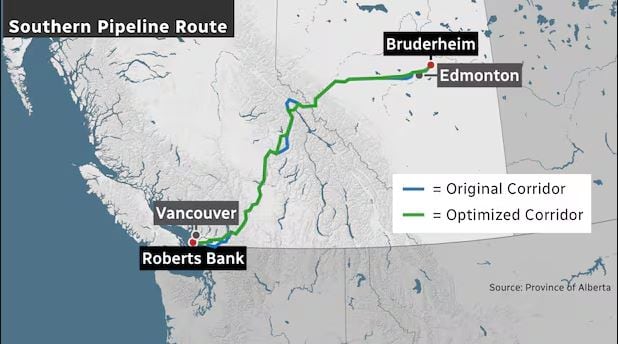 Alberta’s pipeline proposal project currently includes two main routing options, referred to as the original corridor and the optimized corridor. (Province of Alberta)
Both Valemount and Clearwater saw heavy truck traffic during the Trans Mountain expansion, causing wear and tear on local roads.
“It was a boom cycle and any city that’s gone through a boom understands what comes with it,” the mayor added. “Increased drugs, increased crime, increased civil issues.”
This time, he said, the concerns are heightened because Clearwater may also be affected by another major project. B.C. developer Taseko Mines’ proposed Yellowhead copper project, east of Clearwater, could create about 2,000 jobs during construction if it proceeds.
Blackwell said overlapping mega-projects would put a lot of pressure on the community of about 2,500 people.
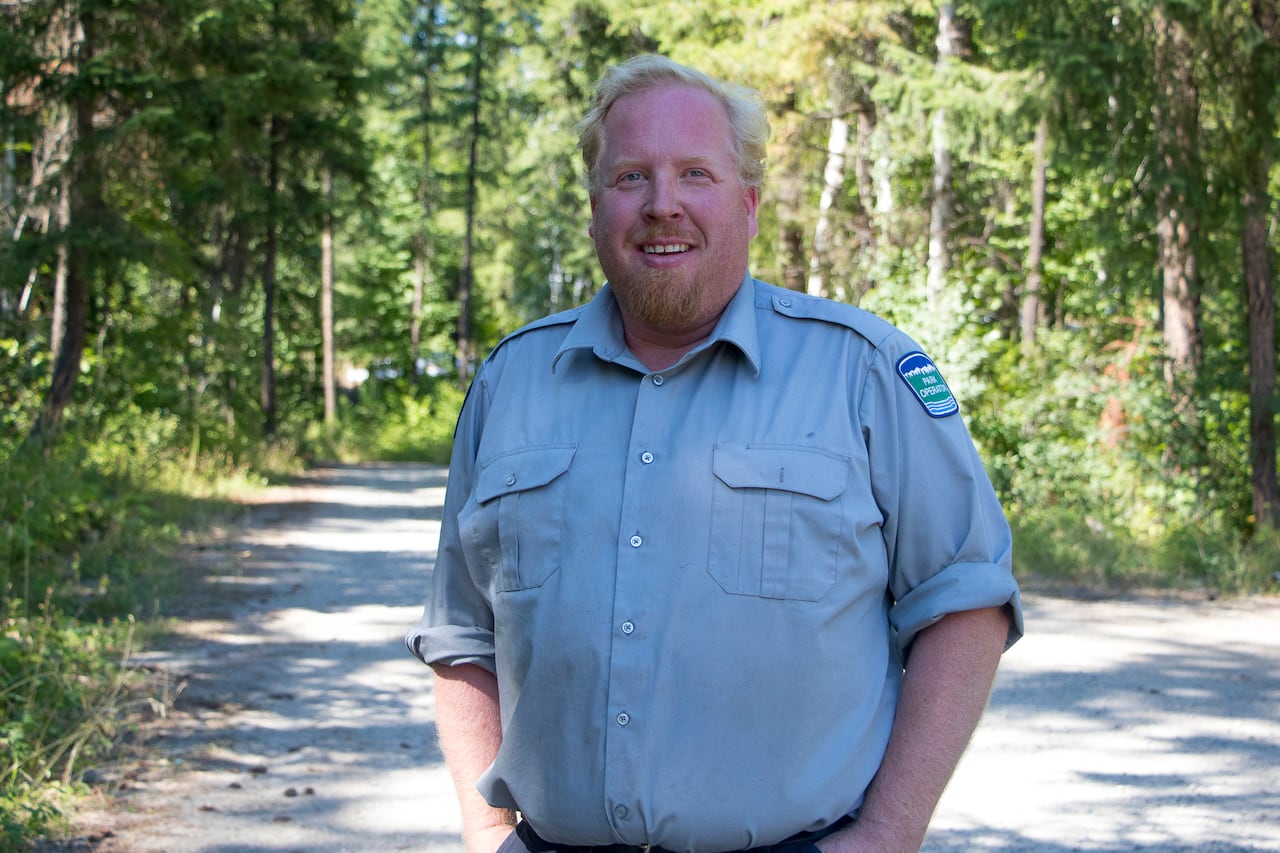 Clearwater Mayor Merlin Blackwell says the community can’t absorb the social challenges, housing needs and demands on infrastructure from two large projects without help from the government. (Tina Lovgreen/CBC)
“It’s going to really stretch what we already don’t have, which is varied housing stock, infrastructure on the ground, good road networks.”
Ward Stamer, the B.C. Conservative MLA for Kamloops-North Thompson and former mayor of Barriere, said he has “always been for pipelines” but says the project has a lot of unanswered questions.
“I’d like to know more of the devil in the details,” Stamer said.
He said a major concern is whether the region has enough electricity capacity for new pump stations along the route.
“Where is this power going to come from?” Stamer added. “Are we going to be generating more electricity in this province? Is it going to be hydroelectric? Is it going to be natural gas?”
‘We must be included’
Mike LeBourdais, former chief of the Whispering Pines Clinton Indian Band, said using the existing corridor was expected but it does not erase the impact on First Nations.
He said the Trans Mountain route crosses more than 20 reserves between Edmonton and Burnaby.
“We want to be able to monitor pipeline and make sure that we look after our moose calving grounds, the deer fawning grounds and the salmon spawning grounds,” he said.
WATCH | Alberta town excited about potential boom: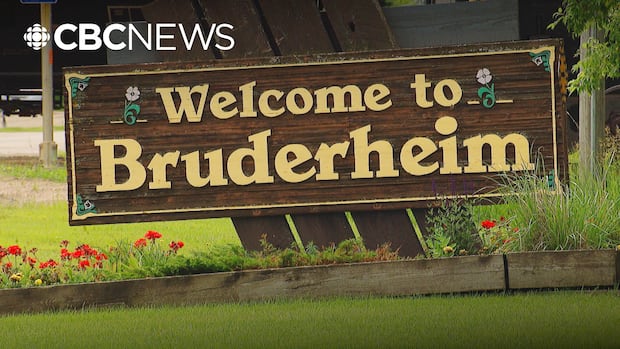
Alberta town chosen for proposed pipeline route is excited about potential boom
Some residents of Bruderheim, Alta., an endpoint for the proposed West Coast pipeline, hope the project — if it’s approved — will lead to economic growth for the community. CBC’s Nicole Healey has more.
LeBourdais said First Nations must be included in environmental monitoring and economic benefits.
“Canada has to understand this land is important to us,” he said. “We have to be included.”
The Alberta government says Indigenous equity partnership and consultation will be an “essential part” of the project, with the provincial and federal governments both saying they will “facilitate opportunities” for communities to invest through their respective Indigenous loan agencies.