
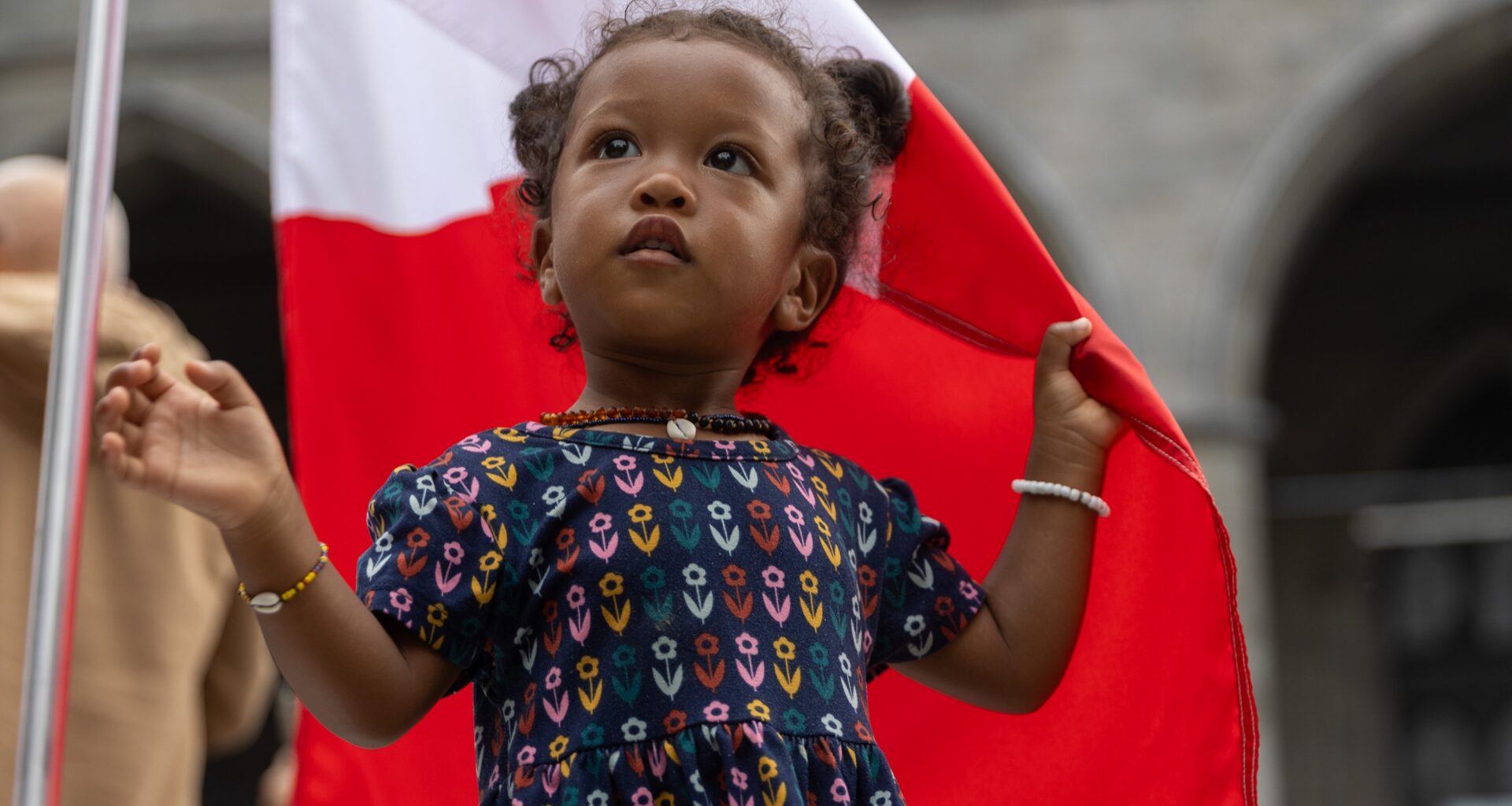
Canadians marked the country’s 159th birthday this week, with many — decked out in familiar red and white — proudly waving the Maple Leaf, participating in parades and taking in fireworks.
This year, though, it bears asking the question: What is it that binds us?
What differentiates us from other countries, and does it form a national bond resilient enough to withstand the apparent identity crisis that confronts us — again?
The July 1 celebrations temporarily glossed over the din of secessionist chatter that is very much part of the political discourse in not one, but two provinces.
On Oct. 19 Albertans will be voting in a referendum on whether to remain within Canada or pursue a path toward a second (binding) referendum on separation.
Also in October, the Quebec election may see the return to power of the Parti Québécois. Leading in the polls for the past 2½ years, PQ Leader Paul St-Pierre Plamondon has promised a referendum on independence in its first term if elected.
Regional differences and the push-pull between Ottawa and the provinces in their quest for more autonomy and power have been a constant of Canadian politics. Like a large family with 13 siblings living under the same roof, it is only natural for periods of tension. But believing they are better off going it alone is another story.
The Canadian federation is built on a foundation of equity and sharing, where “have-not” provinces receive a greater share of “equalization” payments. Albertans justifiably feel they’ve been contributing disproportionately to the family coffers, and during these times of affordability challenges, they ask why their wealth continues to be distributed among others.
For their part, some Quebecers feel the only way to adequately preserve and promote their majority French language is to leave home and build their own walls around themselves. One of Quebec’s most popular premiers, Lucien Bouchard, once railed that “Canada is divisible because it is not a real country.” He added, “There are two peoples and two nations and two territories. And this (Quebec) is ours.”
That was 30 years ago. What is it that has kept us together for this long?
If you ask Canadians to identify our defining characteristics, you will likely hear about multiculturalism, inclusive pluralism and diversity (rather than a monolithic national identity). Many will mention official bilingualism, the Charter of Rights and Freedoms, universal health care or Canada’s Indigenous heritage.
All of these self-defining characteristics, however, have been put to the test over the past few years.
Pushback has grown against immigration levels and integration of newcomers in the face of challenges in providing government services and affordable housing.
Two official languages may be entrenched in the Constitution, yet in the same Constitution, Quebec is recognized as a nation within Canada, with one common language. Canada’s Official languages Act essentially recognizes French as the only official language of Quebec.
The Charter of Rights can be overridden with the simple flick of the notwithstanding clause switch.
Our health care system is being stretched to the limit and is severely struggling.
Our history with Indigenous communities has seen many dark episodes.
What makes Canada different for me, however, is somewhat more subtle. We’re not as flashy or as brash as our immediate neighbour, with 50 very different kids under its roof. We are generally more reserved, patient, educated and seemingly less impulsive and intrusive. For this we are seen as a reliable, stable and cautious ally that the rest of the world can rely on and respect.
Editor’s Picks
Most Albertans recognize that, despite the balance sheet, they are part of a geopolitically stable G7 nation that values a sense of responsibility and caring that is not worth giving up on.
For Quebec, its French character is well protected and better buffered on both sides by Canada than if the rest of the country were to become a linguistic extension of the U.S.
We may be imperfect, but when push comes to shove, we are much stronger under one roof in a relatively stable household, providing for each other.

Robert Libman is an architect and planning consultant who has served as Equality Party leader and MNA, mayor of Côte-St-Luc and a member of the Montreal executive committee.