
Quebec’s next premier will govern nearly 9 million people. Among them are more than a million English-speaking Quebecers, people who raise families, build businesses and contribute to every aspect of Quebec society. They deserve the opportunity to hear directly from those asking for their vote.
Yet once again, there will be no English-language leaders’ debate in this provincial election.
The consortium of Quebec’s English-language media organizations stood ready to host one, as it did successfully in 2018. But after the governing Coalition Avenir Québec and the Parti Québécois declined to participate, and the Quebec Liberal Party indicated it would only attend if all five major parties were present, the debate was cancelled before a single question could be asked.
This is disappointing, but it is about much more than a cancelled television event.
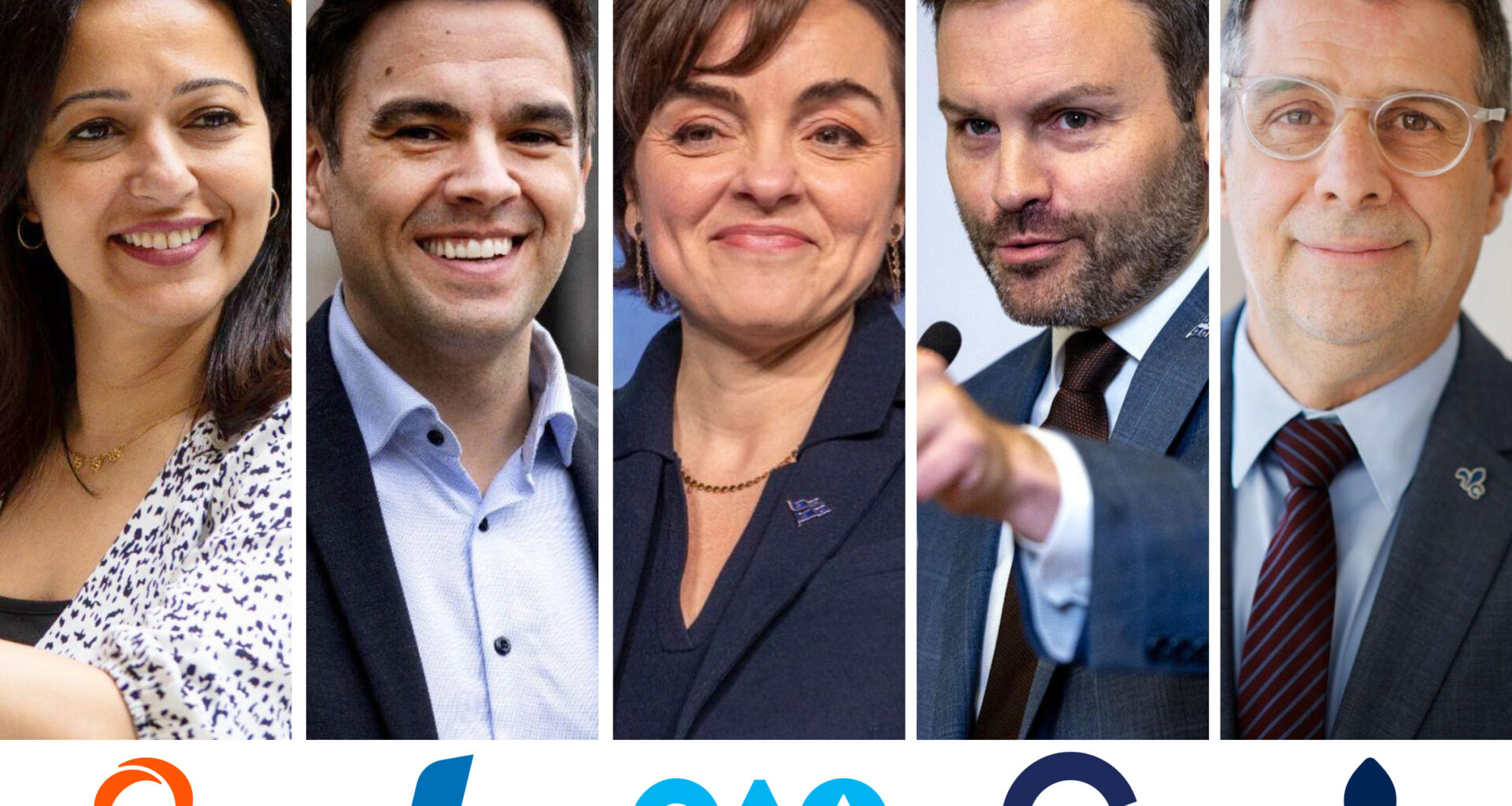
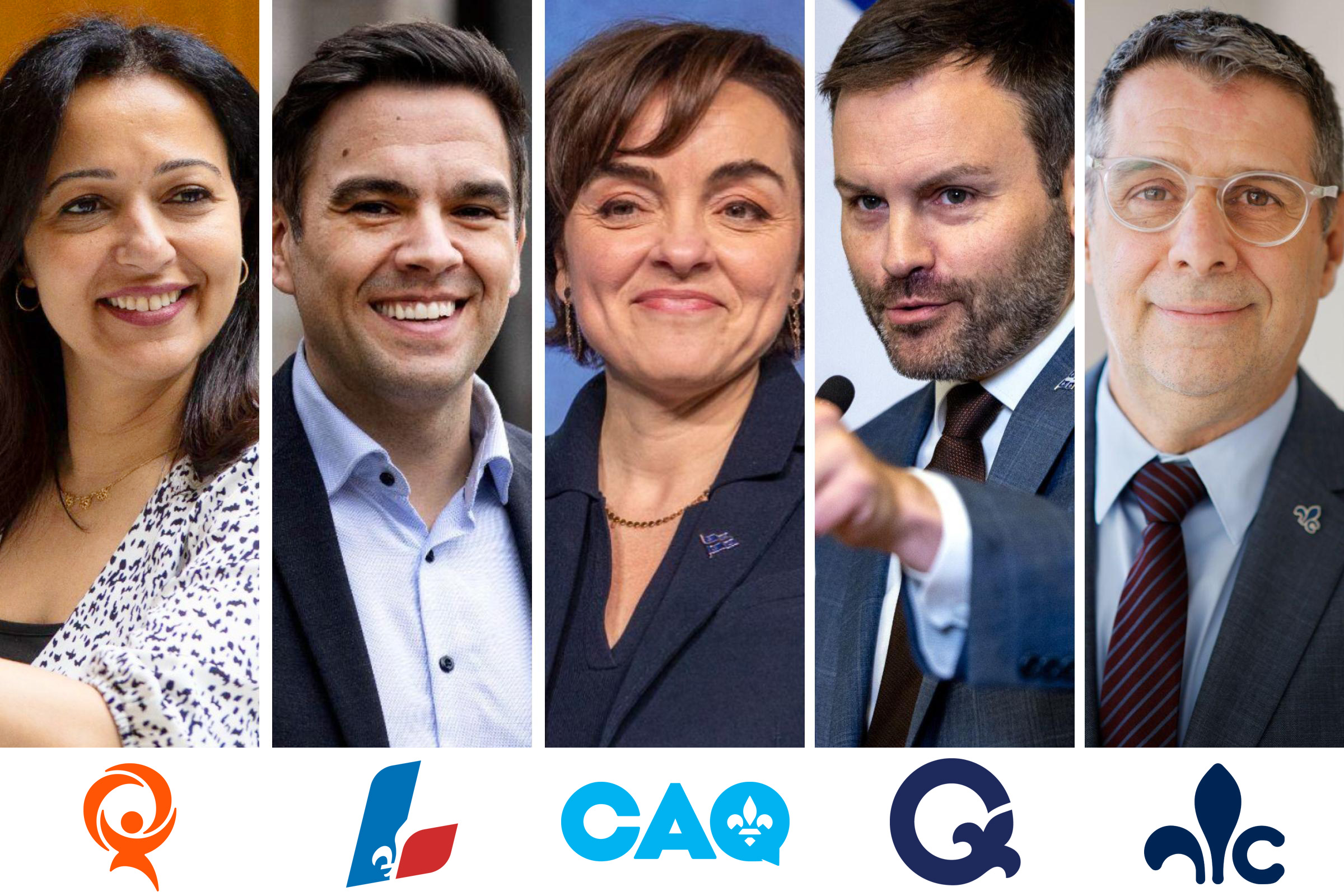 Quebec party leaders, from left: Ruba Ghazal (Québec solidaire), Charles Milliard (Quebec Liberal Party), Christine Fréchette (Coalition Avenir Québec), Paul St-Pierre Plamondon (Parti Québécois) and Éric Duhaime (Conservative Party of Quebec). Montreal Gazette files
Debates are among the few moments in an election campaign when political leaders answer the same questions, present their policies and competing visions for Quebec’s future. They are one of the most important accountability mechanisms in a democracy. That accountability should not depend on the language spoken by the audience.
An English-language debate is not about giving special treatment to our community. It is about ensuring that those seeking to govern Quebec are prepared to engage with all Quebecers.
English-speaking Quebecers have important questions, just as every community does. How do party leaders see our community contributing to Quebec’s future? What are their plans for the institutions and services on which our community relies? How will they address the economic challenges facing many young anglophones, improve access to health care, strengthen education, and ensure Quebec remains a place where everyone can contribute and thrive?
These are not niche issues. They are questions about opportunity, participation and the future of a community that has been part of Quebec’s social, cultural, and economic fabric for generations.
We are not asking for a different conversation about Quebec’s future. We are asking to be included in it.
The purpose of an English-language debate is not to emphasize what separates us. It is to recognize that our community shares the same goal of building a better Quebec. We are not asking for a different conversation about Quebec’s future. We are asking to be included in it.
Quebec rightly prides itself on being an inclusive and democratic society. Governments of all political stripes have long talked about the importance of respecting and protecting our community and making sure our voice is heard. A healthy, confident democracy welcomes questions from all of its citizens, regardless of the language they speak.
Participating in an English-language debate should not be viewed as a political concession. It is an opportunity for leaders to explain their ideas, answer difficult questions and demonstrate that they aspire to govern all Quebecers, not only those watching in French.
There is still time to change course.
The media consortium has made clear that it is prepared to host an English-language debate. The public interest case is compelling. The precedent exists. What remains is the willingness of political leaders to answer the call.
Immediately following the announcement that the debate was cancelled, TALQ wrote to each of Quebec’s major political parties. We urged those who chose not to participate to reconsider, in the interests of democratic accountability and inclusion. If you are asking for the confidence of all Quebecers, you should be prepared to answer questions from all Quebecers.
Elections are about earning the public’s trust. Trust is built by showing up, answering difficult questions and engaging with the people whose confidence you seek.
An English-language leaders’ debate is not a special privilege. It is a reasonable expectation in a democratic society that values transparency, accountability and inclusion. Quebec’s English-speaking community, and indeed, Quebec’s democratic values deserve nothing less.
Eva Ludvig is president of TALQ, an English-community advocacy group.