

Listen to this article
Estimated 3 minutes
The audio version of this article is generated by AI-based technology. Mispronunciations can occur. We are working with our partners to continually review and improve the results.
The number of reported human-bat exposures has increased in the Interior Health region, and with summer in full swing, doctors and officials are warning against the dangers of human contact with bats – and the risks of contracting rabies.
Bats are a common transmitter of rabies infections to humans, and can carry the disease without showing signs of infection themselves. That’s why any contact with a bat requires medical assessment, explains Dr. Andy Delli Pizzi, a medical health officer with Interior Health.
“Rabies is transmitted from animals and it requires the virus to get under our skin,” he said.
“That usually is from a bite or scratch from teeth, it could also be [their] saliva to an open wound. But with bats, because their teeth are so small, they may not leave a visible mark, a visible bite.”
In 2024, 362 animal exposures were reported to Interior Health, 35 per cent of which were bat exposures. But in 2025, there were 622 animal exposures reported, with 56 per cent involving bats.
The health authority said it doesn’t know for sure why the number of exposures went up, as the bat population hasn’t notably increased. But it offered some ideas: a relatively calm wildfire season in 2025 with high air quality may have meant that people spent more time outdoors and public awareness of bat risks may have increased after an 11-year-old in Ontario died of rabies in 2024.
WATCH | Scientist looks for cure to white-nose syndrome:
A B.C. scientist may have the remedy for a fungus affecting Canada’s bats
According to the B.C. Centre for Disease Control, bats are the only transmitters of the virus in B.C.
The centre says approximately 0.5 per cent of bats carry rabies in the province, but on average eight per cent of B.C. bats sent for rabies testing come back positive since bats that come in contact with humans or domestic animals are more likely to carry the virus.
Any contact with a bat, even through clothing, has the potential to transmit the virus, Delli Pizzi said.
“Rabies infection is a very serious illness. It’s not treatable and it’s fatal if a person becomes sick with rabies,” he said.
“But because it usually takes weeks to develop after exposure to the virus, it’s almost always preventable after an exposure with a course of vaccines.”
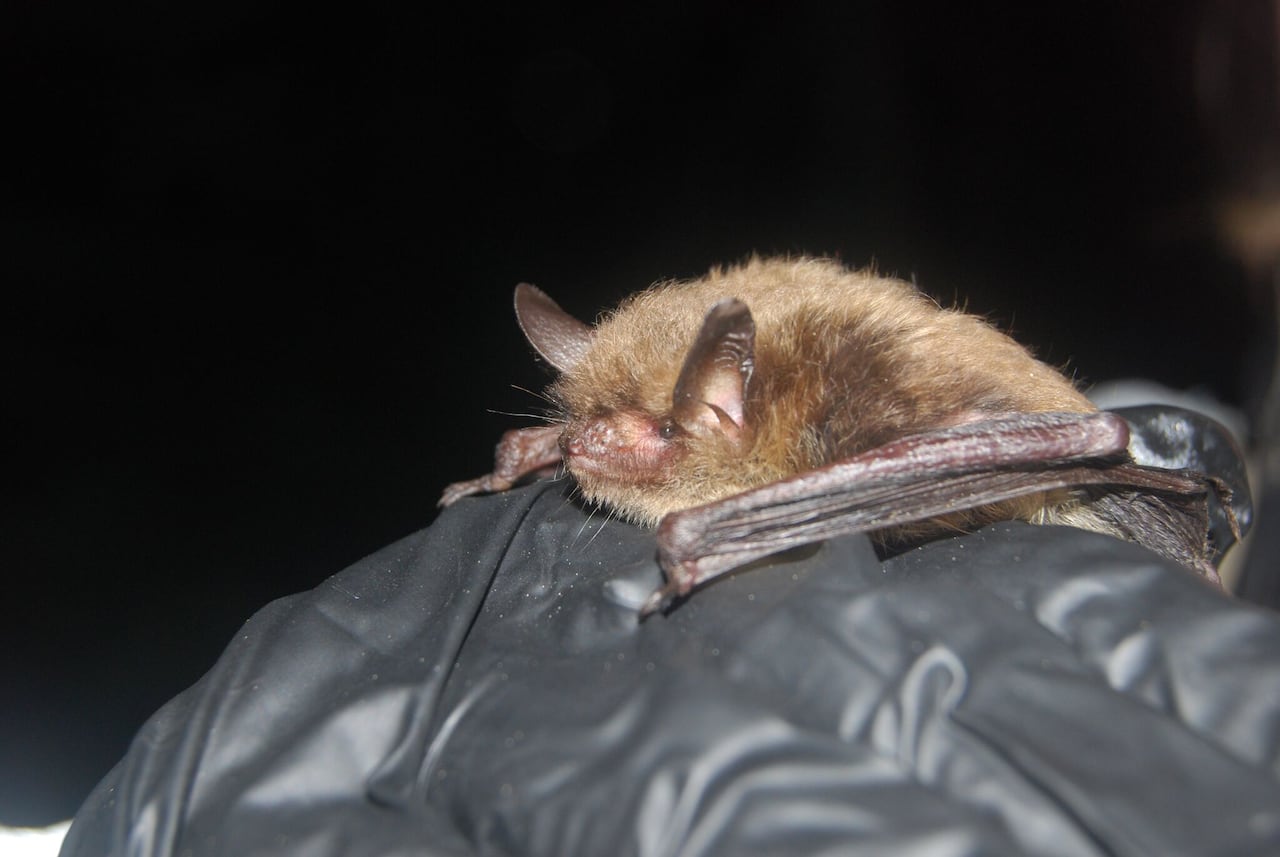 Health officials say people should never touch bats due to the risk of rabies infections. (Jordi Segers)
Interior Health says anyone who has been touched by a bat should wash the area with soap and water for at least 15 minutes.
“[Use] copious amounts of soap and water, that’s highly effective in removing any virus if the virus is present,” Delli Pizzi said.
People should then seek medical assessment, which can include going to an emergency department or calling your local public health unit, he said.
Treatment includes a series of immunizations over several weeks.
The health authority also provides tips for dealing with a bat in your home, which include not trying to remove it yourself, closing the door to any room they’re in, and contacting the B.C. Community Bat Program for instructions on how to safely evict it.