
Kiana Everett’s father says everything is a blur since the 25-year-old’s in-custody death last week in Winnipeg.
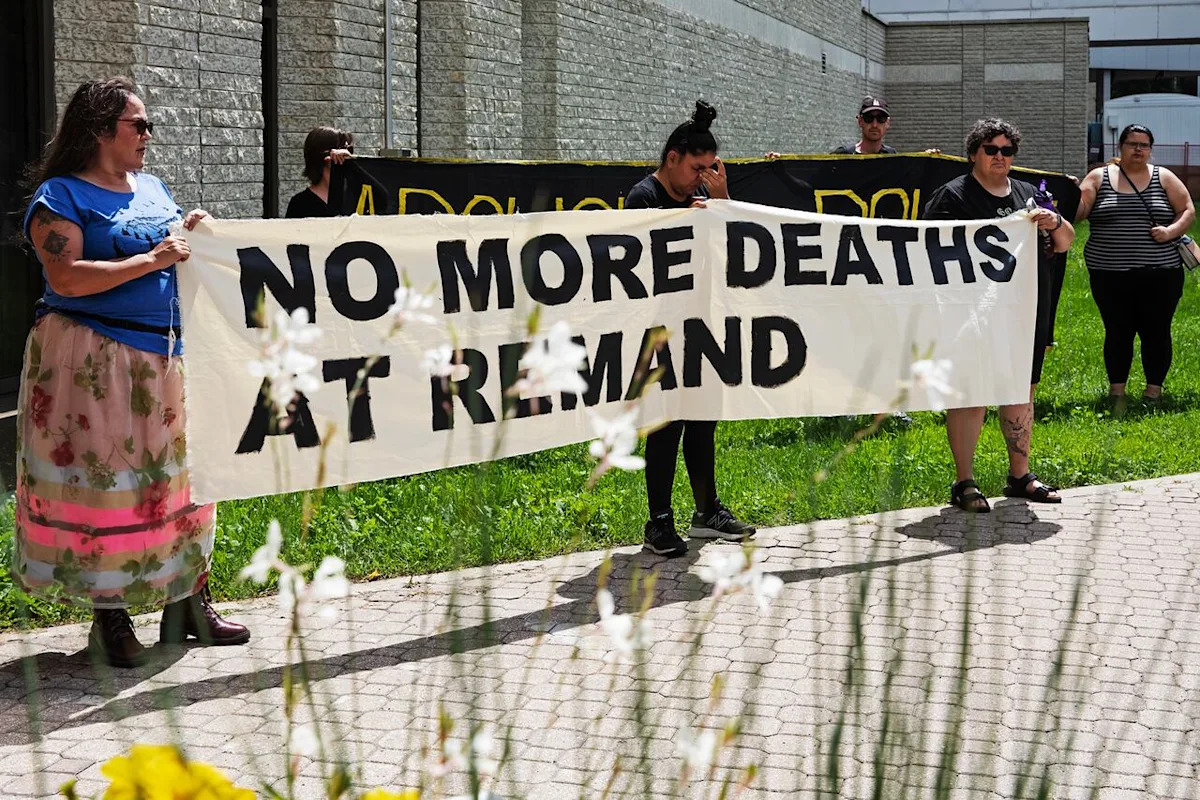
Norman Lagimodiere stood alongside supporters at a rally Monday outside the Winnipeg Remand Centre, where he says his daughter choked and stopped breathing one night last week.
“Real change needs to happen from the justice minister to the premier to our First Nations leaders,” Lagimodiere told the crowd. “We need real answers…. I just don’t want to see another family go through this.”
Manitoba Justice issued a news release on Friday noting the death of a 25-year-old woman at remand on July 1. The death was reported to the chief medical examiner in the province.
In-custody deaths in Manitoba automatically trigger a mandatory inquest.
Lagimodiere previously told CBC News he got a call on June 29 saying his daughter was transported to hospital from the Kennedy Street remand centre overnight.
By the time he arrived to see Everett, Lagimodiere says his daughter was “brain-dead.”
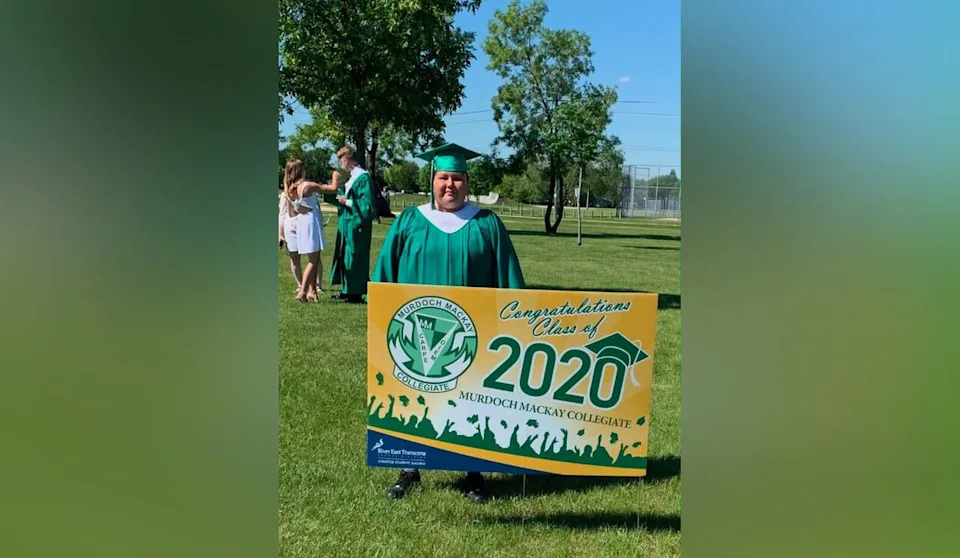
Kiana Everett pictured after graduating from Murdoch MacKay Collegiate in Winnipeg in 2020. She choked and stopped breathing while in custody at the Winnipeg Remand Centre overnight June 29 before she was taken off life support July 1, according to her father. (Submitted by Norman Lagimodiere)
Everett, a member of Kinonjeoshtegon First Nation, died moments after being taken off life support on July 1, he said.
Lagimodiere said last week that nurses at St. Boniface Hospital told him Everett stopped breathing after choking. She was resuscitated but unresponsive after that, according to Lagimodiere. An autopsy was performed last week, but results haven’t been shared yet with family, he added.
Last week, he said he heard his daughter was being held in a “suicide cell” before she was taken to hospital.
At the rally Monday, he said there’s been “no accountability” thus far in the death of his 25-year-old daughter.
“You shouldn’t die in custody, you shouldn’t die of natural causes at that age,” said Lagimodiere, who is a councillor in Kinonjeoshtegon.
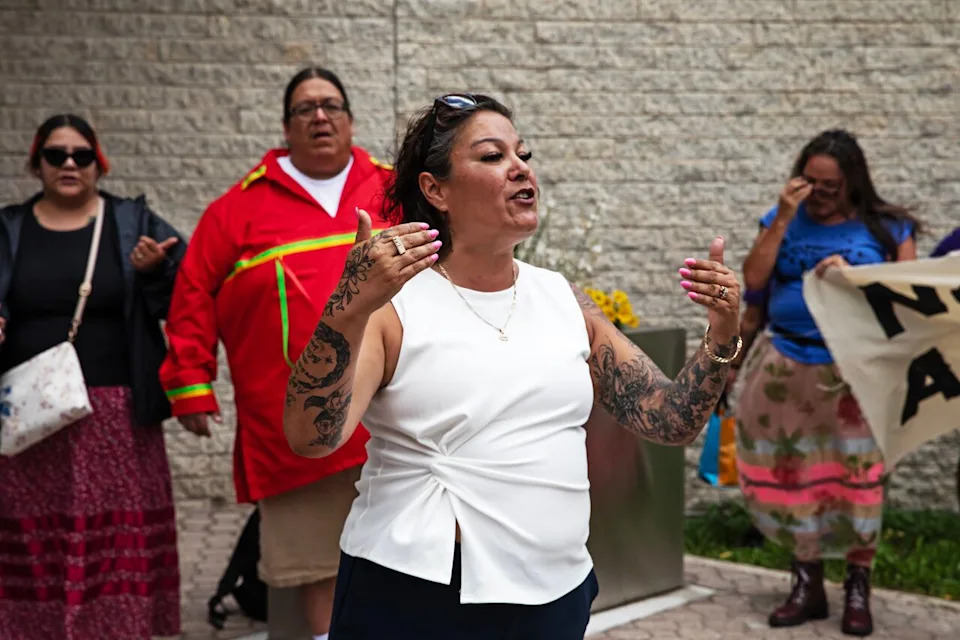
Melissa Robinson, director of the Assembly of Manitoba Chiefs’ Missing and Murdered First Nations Peoples Unit, speaks to the crowd at the Monday rally. (Prabhjot Singh Lotey/CBC)
Melissa Robinson said Everett “should be living her best life” but instead her parents are “now having to bury her.”
“I don’t care what you’ve done with your life, we’re all human, we all deserve to be treated as such,” said Robinson, director of the Assembly of Manitoba Chiefs’ Missing and Murdered First Nations Peoples Unit. “The family deserves answers.”
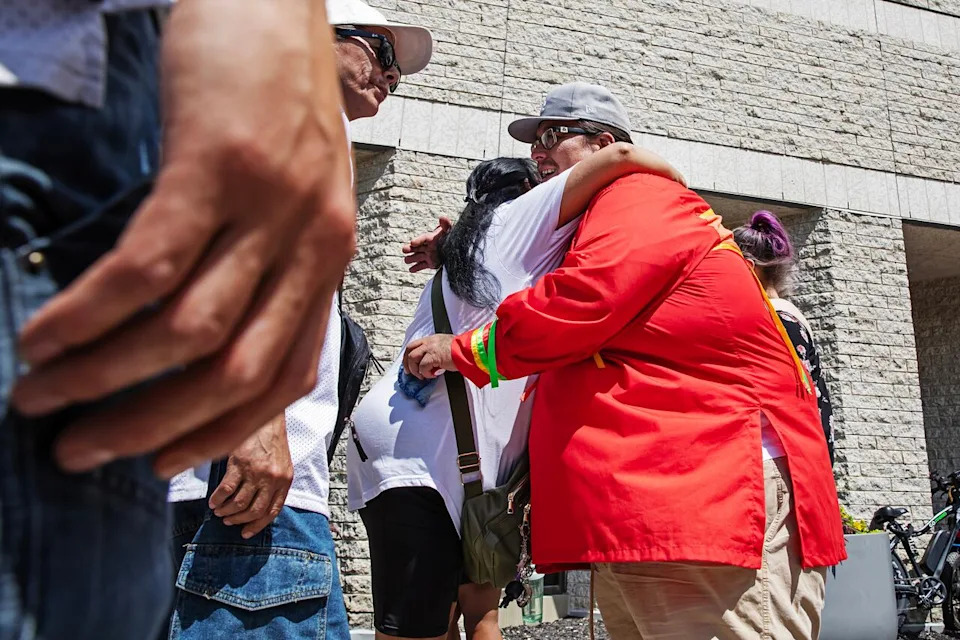
Norman Lagimodiere says he hopes to meet with Winnipeg Remand Centre officials soon to discuss the circumstances leading up to his daughter’s death. (Prabhjot Singh Lotey/CBC)
Lagimodiere said his daughter was apprehended by the Child and Family Services system when she was three. She returned to her biological parents when she was 15, he said.
She later graduated from Murdoch McKay Collegiate in Winnipeg, and “addictions got her a little bit,” said Lagimodiere.
He said his daughter was homeless when she was arrested in connection with theft “and a few other things” that led to her landing at the downtown facility.
A Manitoba Justice official told CBC News on Monday that a robbery charge was stayed against Everett on July 3, two days after she died.
Court records show Everett had pleaded guilty to or been found guilty of over a dozen offences between 2020 and fall 2025. The offences she was convicted of include failing to comply with release orders, assaults, uttering threats and mischief.
A dozen other charges she was facing were stayed in court on June 10, the justice official said.
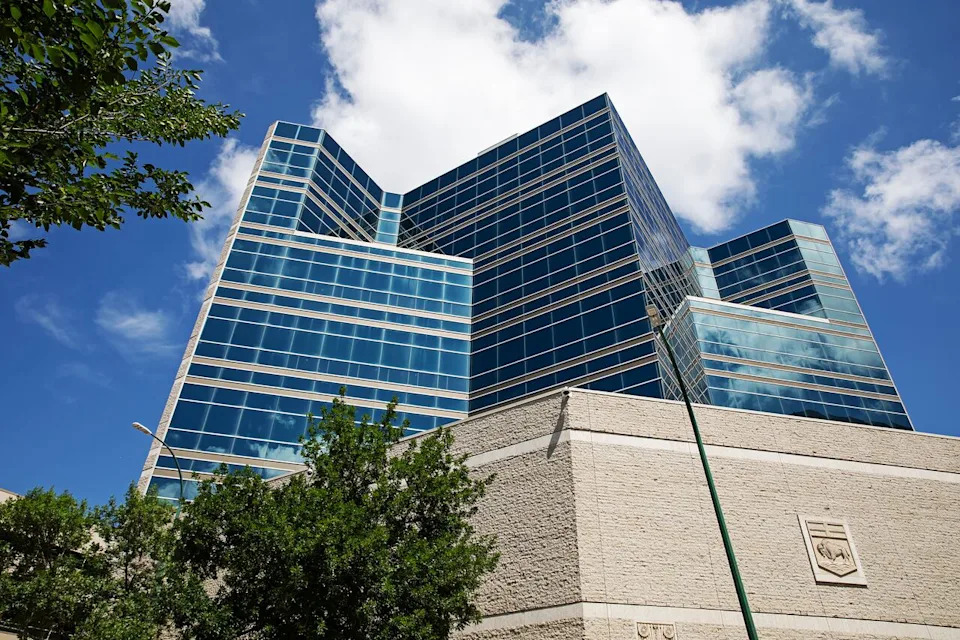
Everett’s is the third known death at the Winnipeg Remand Centre since last fall. (Prabhjot Singh Lotey/CBC)
Lagimodiere said he was supposed to meet with someone with the Winnipeg Remand Centre on Monday at 1 p.m. but that official cancelled on Sunday.
Bronwyn Dobchuk-Land, an associate professor of criminology at the University of Winnipeg, said Everett’s is the third in-custody death at the facility in less than a year.
A 39-year-old man died in September and a 25-year-old man died there in March.
“People are dying in jails and in the midst of what is a new intensified police crackdown on public drug use and encampments, the remand centre is going to get more and more full,” Dobchuk-Land said at the rally.
“The remand centre is not a place of care; it’s a place of custody, it’s a place of cages.”
Dobchuk-Land suggested recent inquests into in-custody deaths, such as that of Errol Greene, raise concerning themes around access people have to health-care while incarcerated at remand.
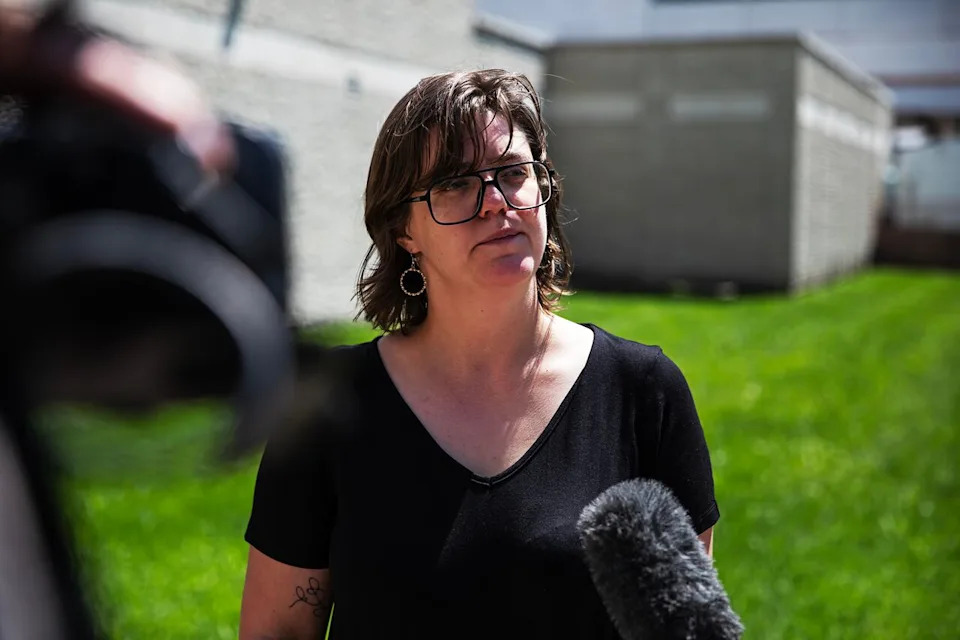
Bronwyn Dobchuk-Land, a University of Winnipeg associate professor, raised concerns around the access to care inmates receive in custody. (Prabhjot Singh Lotey/CBC)
“People technically have access to healthcare in jails but the authority of a correctional officer always trumps the authority of a health-care provider,” said Dobchuk-Land.
“There’s so little accountability even when there’s an inquiry or inquest. The recommendations aren’t binding.”
The Southern Chiefs’ Organization is calling for a review of the events leading up to Everett’s death to help identify whether any “system barriers contributed to her death.”
Grand Chief Jerry Daniels said in a written statement that her death “shows the remand centre and the provincial justice system are falling tragically short when it comes to incarceration, and that lives are being lost due to this gross negligence.”
Lagimodiere said he plans to help co-ordinate a camp outside the centre “until we get answers.”
Everett’s service in Winnipeg on Sunday is followed by services in Kinonjeoshtegon on Monday and Tuesday.
“All I want is answers for myself and for the families that have been harmed while in custody,” said Lagimodiere.
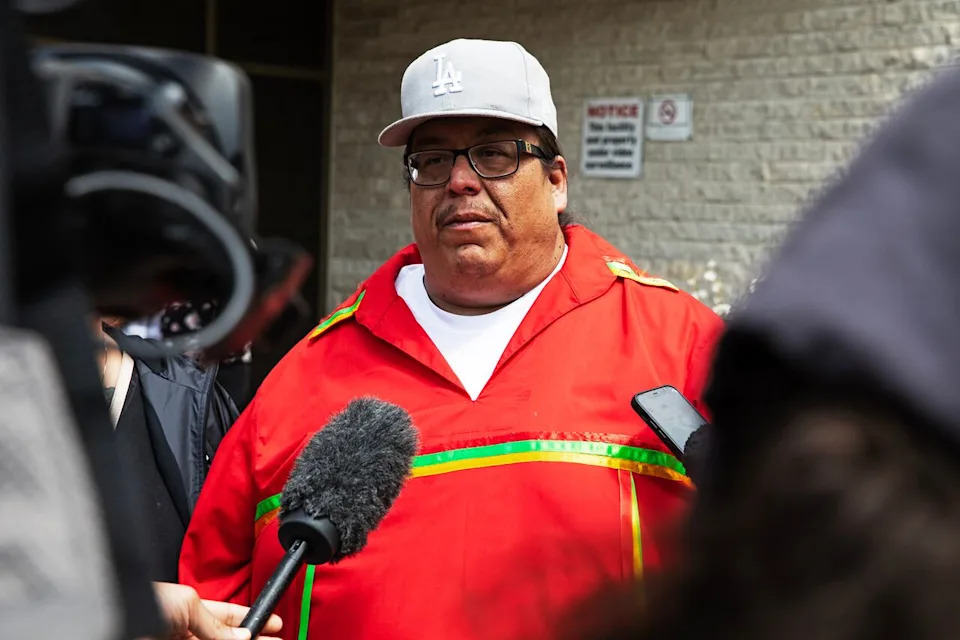
Lagimodiere says he plans to help co-ordinate a camp outside the centre ‘until we get answers.’ (Prabhjot Singh Lotey/CBC)