
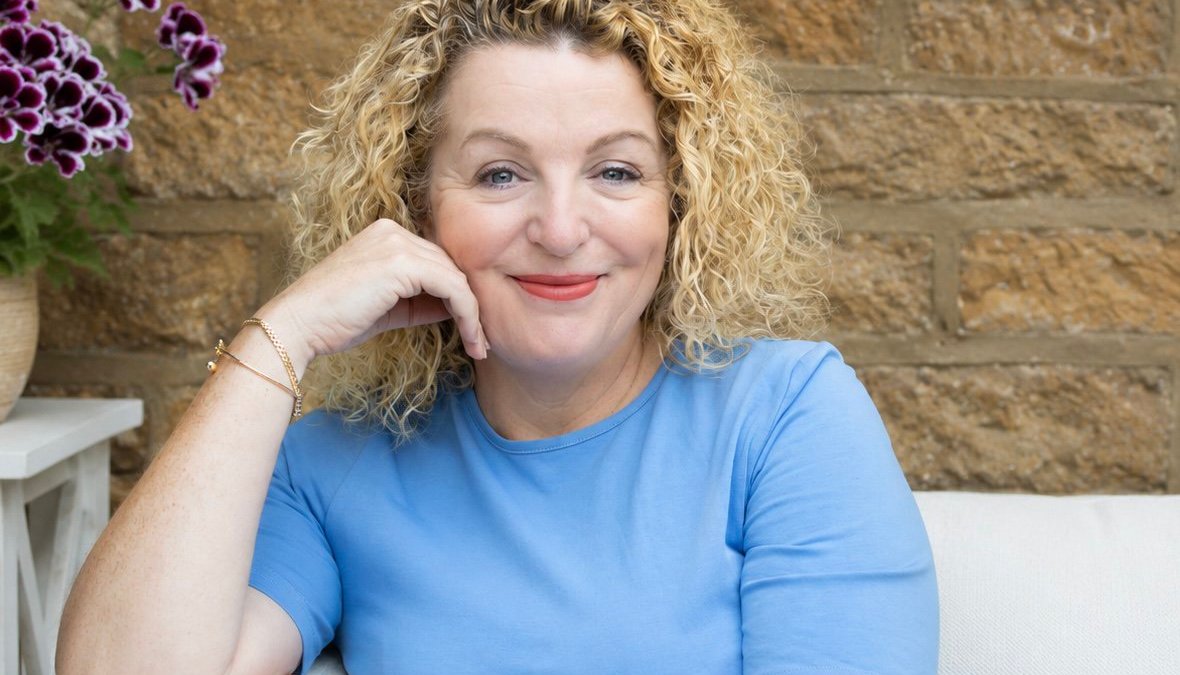
Heather Darwall-Smith was happy in her career as an advertising art director when, at 29, a yoga retreat changed her life. She explains, “I was going through a very painful period: I was struggling to conceive and had experienced pregnancy loss. The retreat was run by a couple who bought the site in their fifties and spent around 30 years developing it. I found that profoundly inspiring. It showed me that a major change did not have to happen early in life and that it was possible to build a life around values, community and wellbeing.”
During the retreat, however, another guest experienced significant mental health difficulties. It became clear to Darwall-Smith that good intentions and a peaceful setting were not enough: anyone running a retreat also needed the training and judgment to respond safely if somebody became psychologically unwell. That was the moment the idea took shape. She thought, “I will retrain as a psychotherapist and, one day, perhaps build a retreat centre of my own.” The retreat-centre plan eventually fell away, but the decision to become a psychotherapist remained and she began training at 42.
Being an art director was a career that suited many parts of Darwall-Smith’s personality: “I love visual problem-solving, the energy of a creative team and the satisfaction of turning something imagined into something real. At the same time, I could see that the role of an art director was becoming very different from the one I had entered, and I sensed that the future might not offer the same kind of creative life.”
Shorts
Scroll to previous short
Scroll to next short

 Nigel Farage made a number of extraordinary claims over his personal security during his statement
news
What you need to know as Farage resigns as MP
Reform UK leader Nigel Farage says he is resigning as Clacton MP, triggering a by-election he’ll stand in, after pressure over unregistered donations of cash and support.
Farage says it will force a “people versus the establishment” by-election and insists he hasn’t broken the law.
Why is Farage resigning?
In a public statement, the Reform UK leader said he has “never been angrier in my life” before announcing he would resign.
 Caption: LONDON, ENGLAND – JULY 7: Reform UK Leader Nigel Farage delivers a statement on his “future in public life” at Millbank Tower on July 7, 2026 in London, England. The remarks came amid renewed scrutiny over financial support he received ahead of his election as Clacton MP. (Photo by Dan Kitwood/Getty Images)
Photographer: Dan Kitwood
Provider: Getty Images
Source: Getty Images Europe
 Nigel Farage, leader of Reform UK, is facing scrutiny over his financial arrangements (Photo: Thomas Krych/Anadolu)
Farage said: “I’ve decided that the people of Clacton should be the judges of my actions. And that is why I will be putting my name forward to stand in this by-election.
“I will fight to win”, he said, accusing the media of harassment.
Farage’s recent controversies
 What is telling is the impact of Farage’s ‘none of your business’ response – that mood of truculence is beginning to grate (Photo: Jordan Pettitt/PA)
Unregistered £5m gift
Farage faced scrutiny over an unregistered £5m gift from Reform UK donor Christopher Harborne in early 2024.
Support from a convicted criminal
He was criticised over financial support from ally and convicted criminal George Cottrell.
 Nigel Farage is facing a possible parliamentary investigation over his failure to disclose financial support from George Cottrell, pictured here with the then-Brexit Party leader in 2020 (Photo: John Thys/AFP)
 His gossamer-thin skin and personal cowardice have never been more evident (Photo: Gareth Fuller/PA Wire)
Denying wrongdoing
Farage said: “I’ve done nothing wrong,” in the wake of the controversies.
Farage investigation suspended
Labour and the Liberal Democrats have called for the Electoral Commission and Parliamentary Commissioner for Standards to investigate the support from Cottrell.
His resignation means the Parliamentary Standards Commissioner investigation into the £5m donation is suspended – but it will resume if Farage wins the by-election.

POLITICS
3 min read

OPINION
3 min read
What have Labour and Tories said?
A spokesperson for Andy Burnham said the by-election was a “gimmick” to distract from Farage’s finances. Sir Keir Starmer branded it “a desperate stunt”.
 (Photo: Getty)
 Leader of the Conservative Party Kemi Badenoch (Photo: PA)
Conservative leader Kemi Badenoch accused Farage of having a “hissy fit” and said: “There shouldn’t be a by-election on his terms. What there should be is a by-election if the investigation finds him guilty.”
Councils warn overhaul poses risk to local services
Councils have called on the next prime minister to reconsider the programme of local government reorganisation and warned they pose a risk to key services like social care.
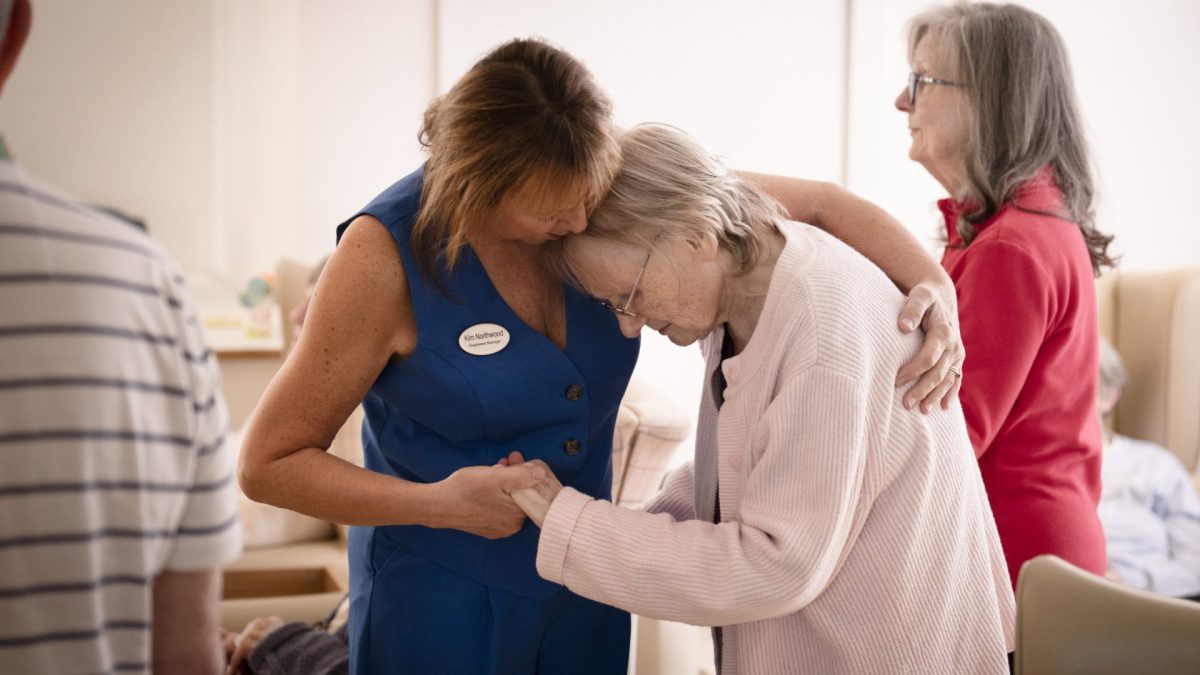 Caption: Story: The treatment by councils of care home residents who have lost their ability to pay.
Kim Northwood, manager at The Gables Care Home in Kidderminster, Worcestershire, comforts a resident.
Photographer: Andrew Fox
Provider: Andrew Fox
Source: Andrew Fox

NEWS
5 min read
Councils to be abolished
The Government has pledged to deliver wholesale reorganisation of councils in this Parliament by abolishing second-tier districts in largely rural areas and creating smaller unitary authorities.
Prospective prime minister Andy Burnham has promised a “new direction” with the UK’s biggest transfer of power out of Whitehall in modern times.
Andy Burnham has championed the rollout of Metrolink trams in Greater Manchester (Photo: Getty)
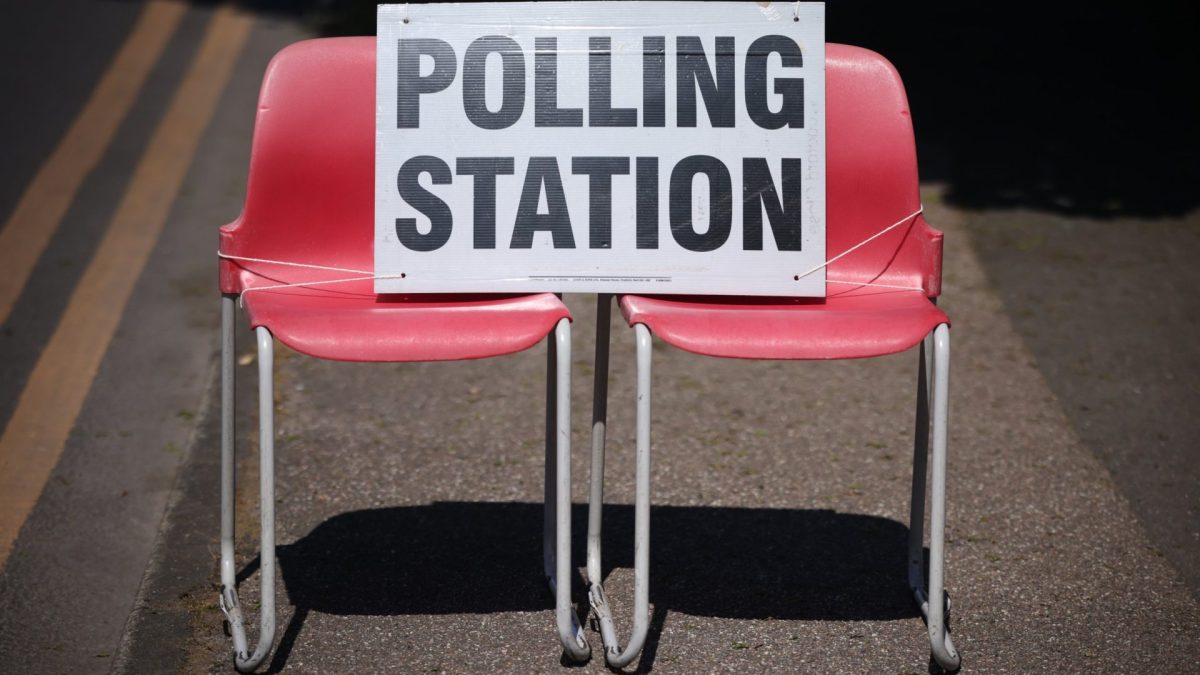 A polling station sign during the local council elections (Photo: Getty Images)
Councils warns of worsening services
Councils raised fears that the speed and scale of the changes at over 200 councils pose a risk to critical functions such as safeguarding and housing.
 Wimbledon and politics just keep colliding in mid-summer (Photo: Reuters)
 One mortgage expert warned that first-time buyers could be hit hardest by the interest rate hike (Photo: Joe Giddens/PA)
Eamonn O’Brien, chairman of the Local Government Association (LGA), said the Government should change its approach, including adjusting tight timetables or risk undermining core services for communities.
‘Unprecedented scale’ of change
The LGA said the “unprecedented scale of disaggregation poses significant risks, particularly for adult social care and children’s services”.
It said a “transparent and jointly owned central–local risk register with mitigation plans should be maintained, with all partners aligned on risk before go-live”.

Big Read
3 min read

POLITICS
2 min read
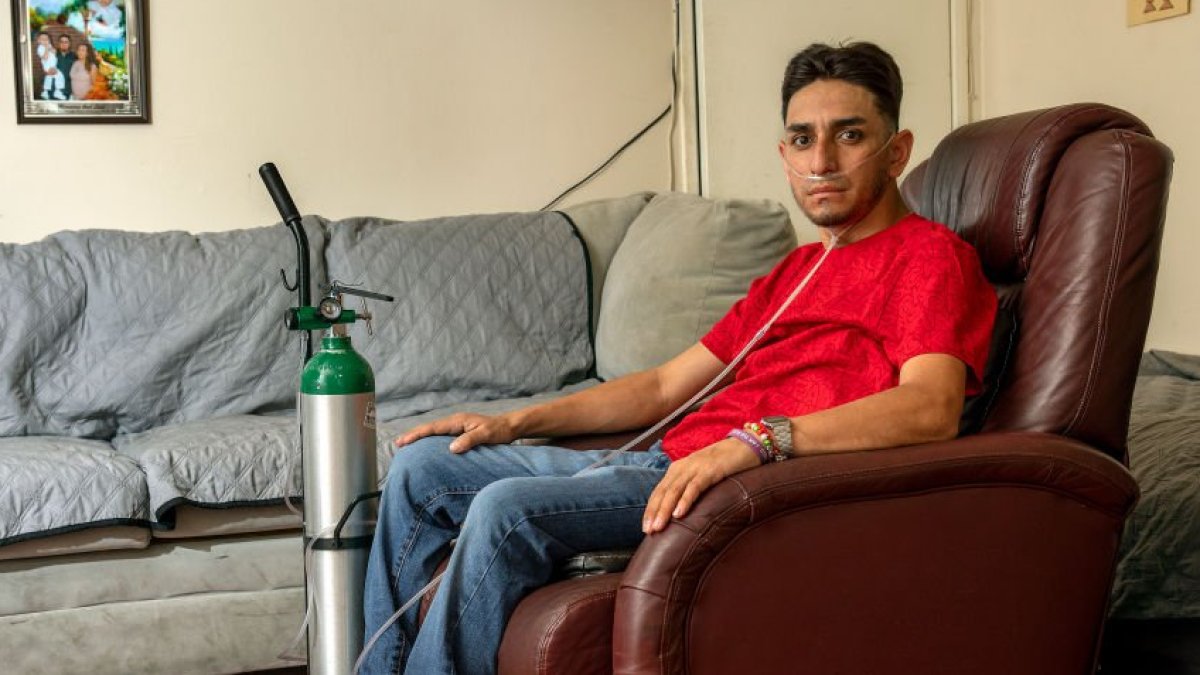
killer kitchens
Fears thousands more silicosis cases may emerge in the US

A new study warns there may be tens of thousands more unreported silicosis cases in the US, as doctors fear the scale of the problem is being underestimated in the UK.
What does the study say?
A new report by the American Thoracic Society has found “tens of thousands of silicosis cases may emerge in the coming years” in the US alone.
Since 2019, California has confirmed 596 silicosis cases in tradesmen cutting the slabs, with at least 31 deaths.
While 13 cases were detected in 2019, the number soared to 221 last year.

Killer Kitchens
3 min read
Silicosis cases elsewhere
More than 6,300 cases of engineered stone silicosis have been officially confirmed in 12 countries since 2010, but the true figure is likely to be “substantially higher”, the report said.

Screening programmes in Australia found around a quarter of the workforce were diagnosed with the incurable occupational illness.
“Without urgent, decisive action, thousands more cases will occur worldwide,” the report concluded.
Experts warn of escalating risk
The types of workshops where these cases are arising; the workers who are being affected; the rapidity of the disease; [and] the accelerated nature of the silicosis is common to all countries, whether that’s California, Australia, Spain.
Dr Jo Feary, Royal Brompton Hospital
 A stone countertop fabricator in in Sun Valley, California. The state could become the first in the US to ban engineered stone (Photo: Brian van der Brug/Getty)
 Most British houses are built to retain heat (Photo: Antonio Diaz/Getty/iStockphoto)
How to keep your sex life going in a heatwave
Don’t endure it
For some people, the heat and the sun boost the production of hormones responsible for joy, pleasure and connection like serotonin and dopamine. For others, the heat causes fatigue and irritability. For them, being touched can set off an anxiety response.
GEMMA NICE [BELOW]
Don’t endure sweaty cuddles
Long-term partners can be upfront and honest with each other and say that it’s too hot to touch right now.
For others, break the tension by having an open and honest conversation.
Choose dates with built-in air conditioning, like the cinema.
Don’t ignore the issue or
power through if you’re too hot.

LIFESTYLE
5 min read
How couples can manage a heatwave
Take penetrative sex off the table
It may make you feel lightheaded, tired, and can even lead to erectile dysfunction because the body is overheating.
 The UK had pretty low numbers of libidinous romantic lovers, suggesting that ‘Brits may not be having as much fun between the sheets as people in other countries’
(Photo: RealPeopleGroup/ Getty Images/ iStockphoto)
 (Photo: Dmitrii Marchenko/Getty).
Indulge in dirty talk instead
Because you aren’t distracted by physical movement, your focus is entirely on your partner’s voice. This can help build a massive amount of tension and sexual desire.
How couples can manage a heatwave
 Caption: Young couple at home practicing yoga. They are watching online fitness live streaming classes.
Photographer: svetikd
Provider: Getty Images
Source: E+
Copyright: SVETIKD
Breathwork
This syncs up your nervous systems and can trigger a deep, full-body energetic response.
Mutual play
Set up a fan and touch yourselves while looking directly into each other’s eyes, says Nice.
 ‘Humid heat is harder heat,’ one expert says (Photo: Getty)
 Our reader’s new partner always wants to ‘chill’ at home rather than go for walks or dinner or come up with ideas (Photo: vm/E+)
Strip and chill out
Just sharing the space and being close to each other can strengthen your bond.
Why you shouldn’t have
sex in the sea
Water actually washes away
your body’s natural lubrication.
It creates friction against the delicate tissue.
This can cause micro tears and severe irritation.
It drastically increases the risk of getting a urinary tract infection (UTI) or a yeast infection.

LIFESTYLE
4 min read
The one easy habit which keeps your
brain young
From adopting a different running route to taking up a new hobby, here are seven ways in which new experiences can dramatically alter your brain health for the better.
 Making friends at work can have a profound impact on happiness (Photo: Tim Robberts/Getty)
Why we need new experiences
A well-connected brain is more resilient to stress, illness and the effects of ageing.
Neurologist Dr Steve Allder says when we try unfamiliar things, our brain is forced to work in new ways.
Over time, this improves the brain’s ability to adapt to change and respond to challenges, helping us to preserve thinking skills and emotional balance.
Why we need new experiences
They strengthen memory formation
Regularly exposing yourself to new situations – even small ones – helps exercise your memory systems, which improves your ability to store and retrieve information.
 A human brain made of wool with folded paper brainwaves – stock photo. (Photo: Getty)
 Puzzles like sudoku have now been widely shown not to protect against cognitive decline (Photo: Getty Images)
They improve overall learning ability
Just as muscles adapt to new exercises, the brain adapts to new mental demands. As we age the brain then benefits from regular stimulation and maintains sharpness.
Why we need new experiences
 Caption: Happy woman walking with male partner in vineyard during sunset. Elderly couple are touring in field against sky. They are enjoying during weekend.
Photographer: Morsa Images
Provider: Getty Images
Source: Digital Vision
Boosts dopamine
New experiences naturally stimulate dopamine, which encourages positive behaviour patterns.
Reduce cognitive decline
New experiences activate different brain regions, helping to keep more areas working.
 Happy pregnant mother sitting close to smiling teen daughter while taking selfie on smartphone – stock photo. (Photo: Getty)
 Caption: Portrait of elderly woman solving sudoku puzzles at home, sitting in living room. Sudoku as popular game for aging people, logical thinking, problem solving.
Photographer: Halfpoint Images
Provider: Getty Images
Source: Moment RF
Problem-solving
Your brain must evaluate options, test ideas and adjust its approach.
The benefits of new experiences
Each time you adapt successfully to something new, your brain learns that change can be handled. This improves emotional flexibility, making it easier to cope with stress and unexpected events.
They also often involve other people, whether through travel or social activities. This stimulate areas of the brain
responsible for communication, empathy and understanding others’ perspectives.
 Running might not seem like the most appealing hobby, but if you give it a try, you might be surprised (Photo: EMS-FORSTER-PRODUCTIONS/Getty/Digital Vision/ems-forster-productions)
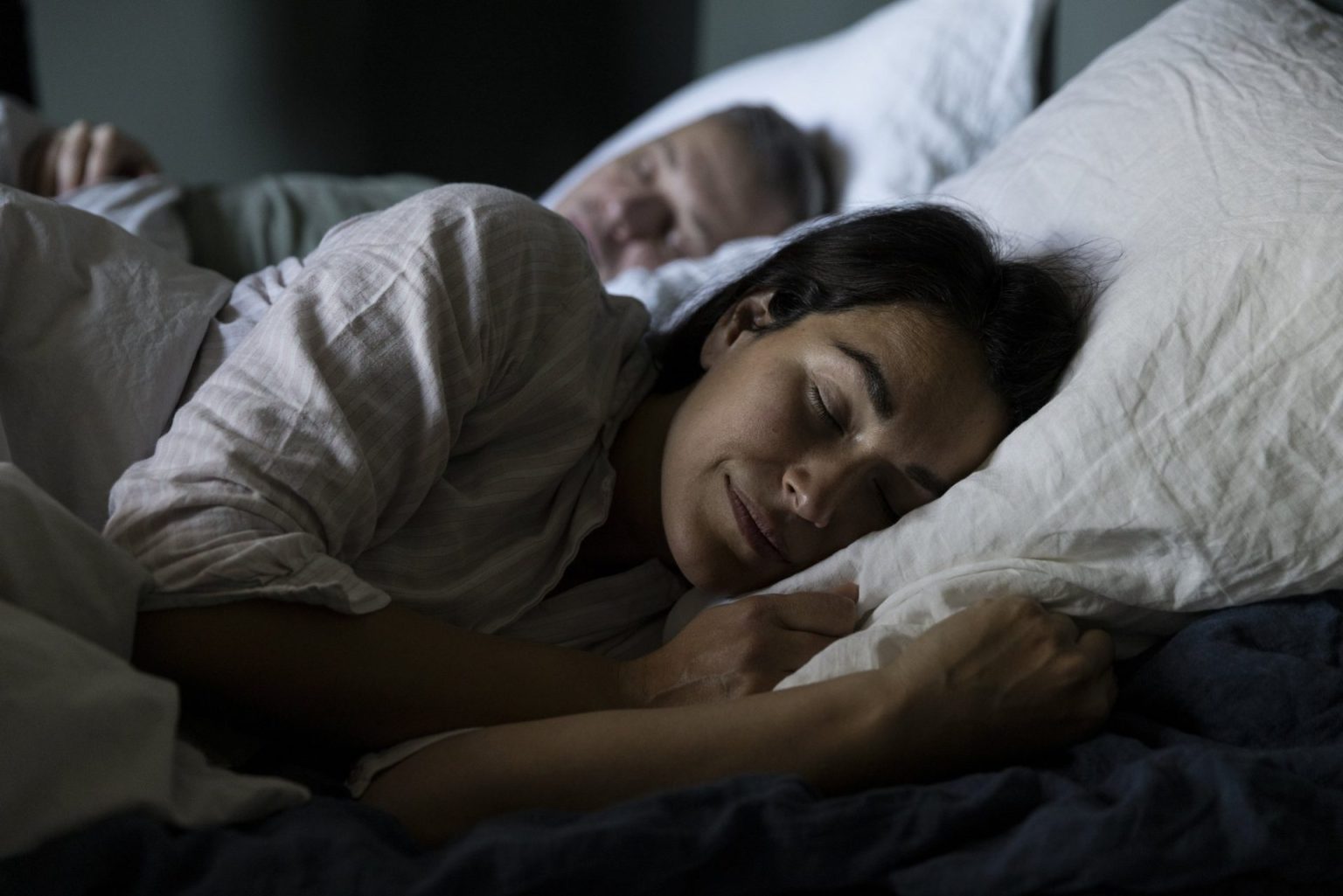
Your sleep has a huge impact on your heart health
How sleep and your heart
health are linked

Adults who regularly sleep fewer than seven hours are at increased risk of high blood pressure, obesity, heart attack and diabetes.
The risk of coronary artery disease is 45 per cent higher in adults with short sleep durations at night.

LIFESTYLE
4 min read
The bedtime habits that reduce risk
 Sleep tourism in hotel. Exhausted woman sleeps sweetly in bed in the morning – stock photo. (Photo: Getty)
Consistency
Keep daytime naps to less than 20 minutes and aim for seven to eight hours sleep per night.
Wind down
A reasonable 20-30 minute bedtime routine can include reading, light stretching, and meditation.
 A mature man meditates in the last sun rays coming into his bedroom – stock photo. (Photo: Getty)
 Caption: Close-up view of female jogger tying laces of her sport shoes before running exercise routine. Motivation, healthy lifestyle and fitness concept.
Photographer: Xavier Lorenzo
Provider: Getty Images
Source: Moment RF
Time your exercise
Vigorous exercise within three hours of bedtime can cause insomnia.
The bedroom environment
 Pensive young Asian woman sitting on bed writing on journal in cozy bedroom. Copy space. – stock photo. (Photo: Getty)
Sleeping in a bedroom with bright overhead light has been associated with a higher risk of major cardiovascular events, including heart attack (47 per cent higher risk), stroke (28 per cent) and heart failure.
Darken the room with blackout blinds or an eye mask, avoid blue light and leave your mobile phone outside your bedroom.
The bedtime habits that reduce risk
Food and drink
Alcohol, nicotine, caffeine and large evening meals can all disrupt sleep quality.
 One theory is that alcohol and drugs can hijack the brain’s pathways (Photo: Guillermo Spelucin/Getty Images)
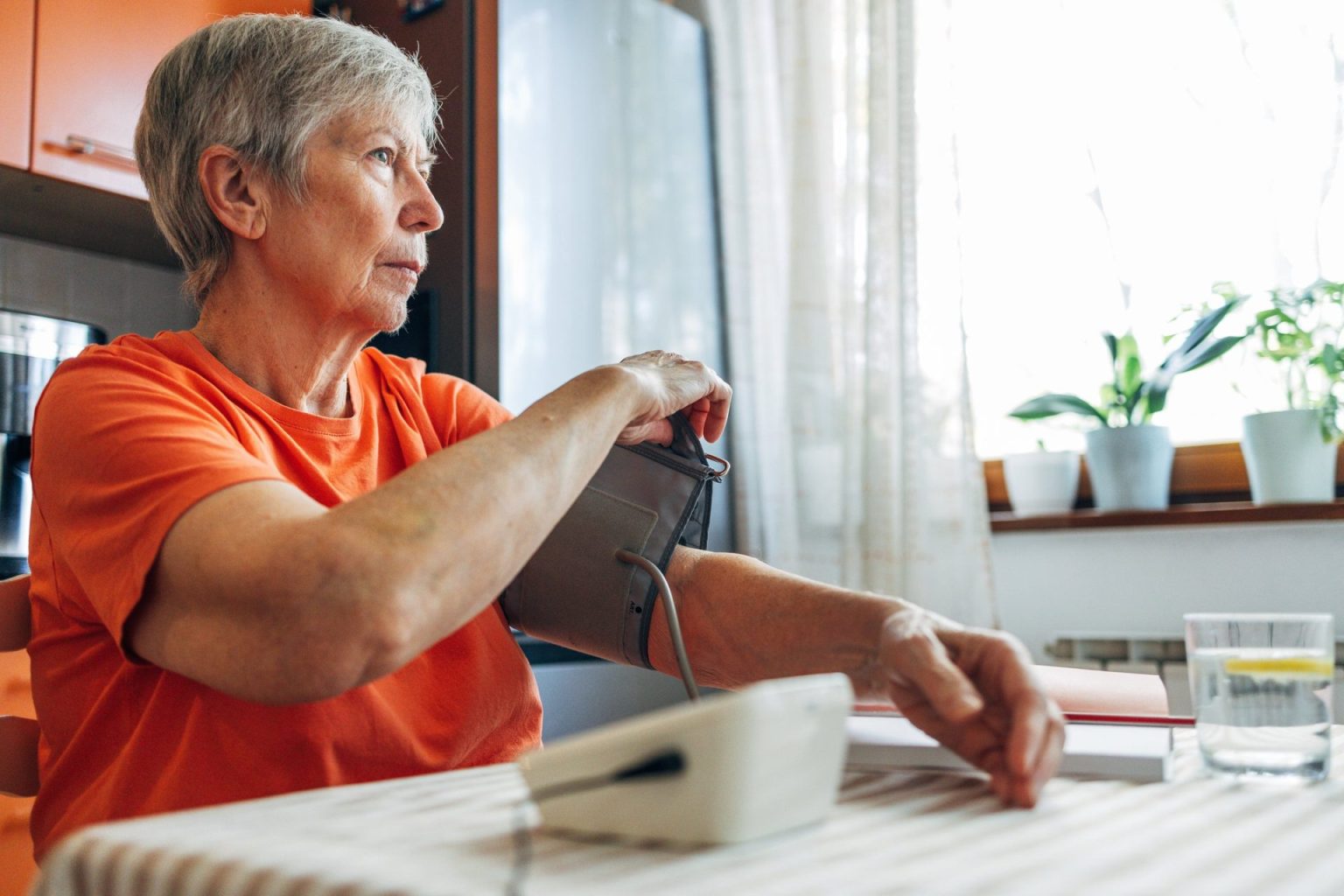
Know your numbers
If your blood pressure at bedtime is consistently high, consider discussing medication with your GP.
Beware of snoring
Sleep-disordered breathing is linked with cardiovascular conditions, so it could be time for a GP evaluation.
 Separate bedrooms is not the first step on the road to dissolution; it’s the route to joint survival (Photo: LordHenriVoton/E+/Miljan Lakic/Getty)
 Alzheimer’s can be seen on brain scans (Photo: Tek Image/Getty)
HEALTH
Reflecting on the early signs of dementia
Three families reflect on the early signs of the illness, which affected their parents.
They include the things they missed or dismissed, what they’d do differently and what they’d want other people in the same position to know.
Robert and his mother Joyce
She fell for a scam
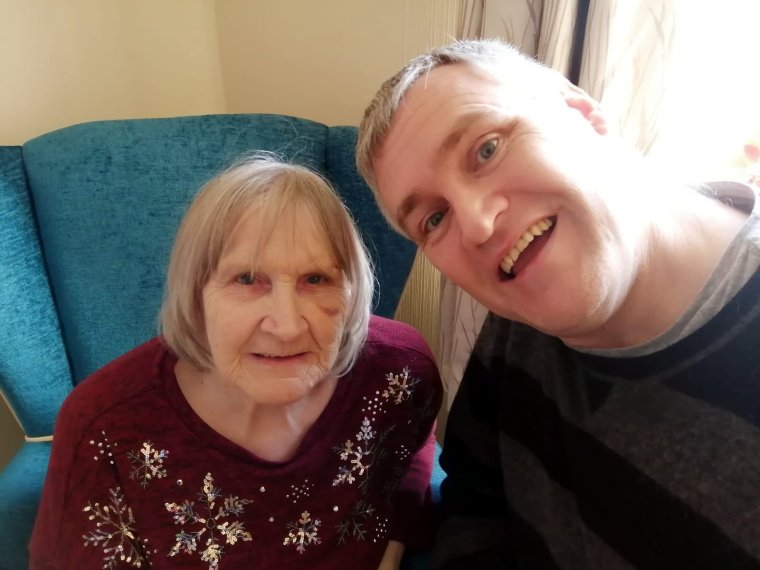 Robert’s mother Joyce spent her last six years in a care home
One of the first incidents that rang alarm bells for Robert was his mum falling victim to a suspected scam from someone selling mattresses door-to-door.
She also started to struggle with cooking and making her special dishes she’d been making for decades without a problem.
LIFESTYLE
5 min read
Did he tell his mother?
We [had] just sort of played along with everything. But on one particularly bad day, I blurted it out over the phone, ‘Because you’ve got dementia, mum!’ She threatened to kill herself, which was very scary. Maybe it’s something I should have explained properly to her from the get-go.
JOYCE WAS DIAGNOSED WITH ALZHEIMER’S IN HER EARLY SEVENTIES
 Old man with dementia enjoys sunny weather – stock photo. (Photo: Getty)

Rosie became a carer
in her early thirties
I think we missed some of the really early subtle signs.
Rosie’s mother was diagnosed with Young Onset Alzheimer’s Disease at 58 but some symptoms, like brain fog, were put down to the menopause.
She had become more forgetful, and was repeating herself, but as she had always “been scatty” it was dismissed.
She became fixated
It was on strange things like going to the same buffet.
Chloe was just 14 when her mum, Sarah, was diagnosed with young onset frontotemporal dementia, a rare form of the disease.
Another time Sarah, who was diagnosed in her forties, forgot how to boil an egg.
On Saturdays, when she’d usually go shopping, she’d go out and come straight back home, almost like she was forgetting
what she was going out for.
Unused or unwanted subscriptions cost consumers £1.6bn.
Writer Sadhbh O’Sullivan looked into her own forgotten subscriptions when she became a first-time buyer, and realised how much she was wasting on things she wasn’t using.
 Are you good at managing money (Photo:
Peter Dazeley/Getty/The Image Bank RF)
The hidden spends that go unnoticed
I’d long considered myself to be quite a reasonable spender.
But the hidden costs across her bank accounts, like free trials that hadn’t been cancelled and memberships for abandoned services, proved otherwise.
It was full of small amounts, £2.99 here, £4.50 there. These small amounts added up.
The ghost subscriptions
Sadhbh isn’t alone.
19%
According to a Nationwide survey almost one in five Brits don’t use every platform they pay for.
The bank suggests they could save as much as £400 a year by ditching them.
4.7 million
National Trading Standards’ 2025 research found 4.7 million people were paying for subscriptions they didn’t know they’d signed up for.
In 2024, a government report found unused and unwanted subscriptions cost consumers up to £1.6bn a year.
How to deal with the subscriptions
Hunt them down
Banking apps usually list your ‘subscriptions’ separately from direct debits and standing orders so you can easily spot what you’re shelling out on.
 Pensioners have some flexibility over the timing and payment of their state pension
(juststock/Getty Images/iStockphoto/ NIPITPHON)
 Edge will give customers cashback on debit card and direct debit spending
Check everything
You can be debited through credit cards, E-payment services, your mobile phone bill, Apple Pay or Google Pay.
How to deal with subscriptions
 Dating apps have failed the black community, says Amber (Photo: Morsa Images/Getty)
Be honest
Don’t vow to use a subscription you’re not going to, even if you
have good intentions.
Look over 13 months
Many businesses have changed from monthly to annual payments so look further back.
 Changes are due to kick in on everything from inheritance tax to filling in self-assessment forms (Photo: Getty).
 Customers struggling with debts are highly likely to be in vulnerable circumstances, regulators warn
(Photo: Martin Prescott/Getty)
Future proof
Make sure to track any subscriptions you have kept so you can cancel them, if need be, in future.
Don’t be afraid of phone calls
If companies don’t let you cancel online, don’t fear the customer service line.
With TV and broadband, call the new customer number as it’s often answered more quickly.
If you’re happy with the service, but not the price, speak to a real person that may offer a better deal.
Look for a phone number and press the ‘thinking of leaving us’ option. It’s usually a fast track to a team with authority to offer bigger discounts.
Having been in therapy at various points in her life, Heather knew how powerful it could be and found herself increasingly drawn towards work that involved depth, meaning and sustained human connection. There was also a sense of security in working in a therapeutic setting, as demand for therapy increased. Driven in part by reduced stigma and greater awareness of mental health issues, over 80 per cent of therapists report operating at full capacity, and there’s a real need for more trained practitioners to help those in need.
Darwall-Smith is far from alone in retraining in the mental health field. Data from the British Association of Counselling and Psychotherapy (BACP) found that from April 2020 to 2023, membership rose by 27 per cent. And in 2021, 24 per cent of applicants to the Doctorate in Clinical Psychology course were aged 30 to 49.
Wanting to be a therapist is much more than being a good listener, and while Darwall-Smith understands the impulse to retrain because you’ve been through something difficult and want to help others, it can be a terrible reason on its own. She explains, “The people who struggle most aren’t the ones who lack empathy. They’re the ones who have too much investment in being helpful, in being liked, in fixing things. Sitting with someone’s distress without rushing to resolve it is genuinely hard. It goes against most of our instincts.”
The increased demand for therapy means that sometimes people seek advice from those who are not adequately trained, Darwall-Smith explains. “In the UK, anyone can call themselves a psychotherapist; it’s not a protected term, like nurse or midwife. That’s a genuinely alarming situation when you consider how vulnerable people are when they reach out for help. I take my accreditation with the United Kingdom Council for Psychotherapy (UKCP) seriously. It means I’m insured, I’m bound by a code of ethics, and there are processes in place if something goes wrong.”
The training brought together academic study, clinical placements, supervision, personal therapy, reflective writing and a great deal of emotional and practical commitment. “I expected it to be absorbing; I underestimated how rigorous, exposing and transformative it would be,” says Darwall-Smith. The personal therapy she undertook during the training was “necessary and uncomfortable in equal measure. You can’t ask clients to go somewhere you won’t go yourself.”
Darwall-Smith estimates that the training cost at least £80,000, as it took six years to complete the master’s degree in mindfulness-based psychotherapy alone. During that period, she also worked as a freelance designer while raising a family, so the challenge was not only financial; it was about time, energy and sustaining momentum over many years. “A significant amount of the work is unpaid, yet it still has to be fitted around earning a living and, in my case, family life,” she says.
Training does not really end at qualification. Psychotherapists are expected to continue learning throughout their careers. Darwall-Smith has specialised further, including studying sleep medicine at the University of Oxford and training in cognitive behavioural therapy for insomnia. She undertakes continuing professional development every year, as well as ongoing supervision, so both the learning and the expense continue.
Some people retrain in therapy as they believe it will be a lucrative career, but the data shows this is often not the case. A BACP survey found that only 40 per cent of people said they could earn a living as a psychotherapist, with nearly 75 per cent earning £30,000 a year or less.
Darwall-Smith left advertising fully in 2019, a year before qualifying at 48, and she works full-time from a consulting room at home. Client contact hours are only part of it. “Most therapists I know work considerably more than their clinical hours suggest. It looks like a part-time job from the outside. It rarely is,” she says.
Typically, a psychotherapist in private practice might see around 15-20 clients a week and charge somewhere in the region of £65–£85 per session. However, that figure does not take into account the many associated costs, such as insurance, professional development, room hire, administration, tax, pension contributions, and periods of unpaid leave or cancellations.
She says the best part of the job is the privilege of being trusted with another person’s story, explaining, “People bring experiences that may be difficult to share elsewhere, and being allowed to accompany them as they make sense of them is deeply meaningful. The work can be quiet and gradual, but small shifts in understanding can have a profound effect on how somebody lives.”
As rewarding as the job is, it can be difficult to switch off from, as Darwall-Smith says, “When a client is in acute distress, when the work feels stuck, or you’re genuinely not sure whether things are moving or deteriorating – that’s frightening. There’s an accumulated weight of being trusted with difficult things.” Darwall-Smith is still in personal therapy and doesn’t think she’d be able to do her job without it.
Psychotherapy is, largely, a white middle-class pursuit – both in terms of who practises it and, to a significant degree, who accesses it. Members of the Partnership of Counselling and Psychotherapy Bodies (PCPB) are mainly aged 45-64, white, and female. The reasons aren’t mysterious. Training is expensive, long, and largely self-funded. It requires years of reduced income, as well as the ongoing cost of your own therapy and supervision. Darwall-Smith says, “We need younger therapists, therapists from a much wider range of cultural and ethnic backgrounds. We need the training to be more accessible financially and structurally.”
Retraining has changed Darwall-Smith’s relationship to ambition. As she explains, “In design and advertising, I was highly driven. Success was closely linked to status, momentum, recognition and the next achievement. Today, success is much more about sustainability. For me, it means being healthy and grounded enough to be genuinely present with my clients. It means doing work that matters while also having room for relationships, family, rest and a life beyond work. Ambition has not disappeared, but it has become less about proving something and more about creating a life I can inhabit.”
Heather Darwall-Smith is the author of three books including ‘The ADHD Sleep Book‘, out now