
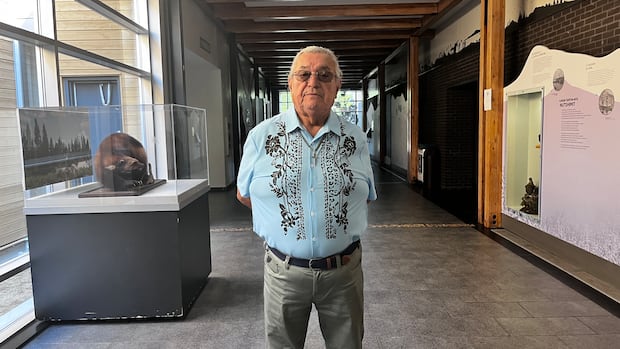
The band council for the Innu First Nation of Pessamit, northeast of Quebec City, says it has reached a deal with the province and Hydro-Québec that would settle ongoing legal disputes and potentially bring billions of dollars into the community.
“The agreement would see Pessamit compensated for past and existing damages, and also in future adhering to a process of direct participation in hydroelectric development,” Raphaël Picard, the band council’s chief negotiator, told Radio-Canada.
The deal, which builds on a framework agreement reached in 2024, will be put to approximately 4,300 band members in a referendum on Sunday. If they don’t approve it, it won’t go through.
Although people in the community were aware negotiations were happening, they were only informed about the deal and the referendum last weekend.
In an interview with Radio-Canada, band member Marco Bacon said that’s not enough time.
“We have a decision to make about our past, our present, our future, and they give us six days?” Bacon said.
What’s in the deal?
Radio-Canada obtained a copy of the new agreement, which says that Hydro-Québec will compensate Pessamit for energy projects carried out on its territory without the community’s consent.
Under the deal, Hydro-Québec would pay Pessamit $992 million in compensation over 50 years and the province would pay $632 million over 10 years.
Picard said the deal could also see Pessamit get additional compensation from Hydro-Québec beyond those dates.
“These are going to be perpetual payments as long as the dams are there and operating,” Picard said.
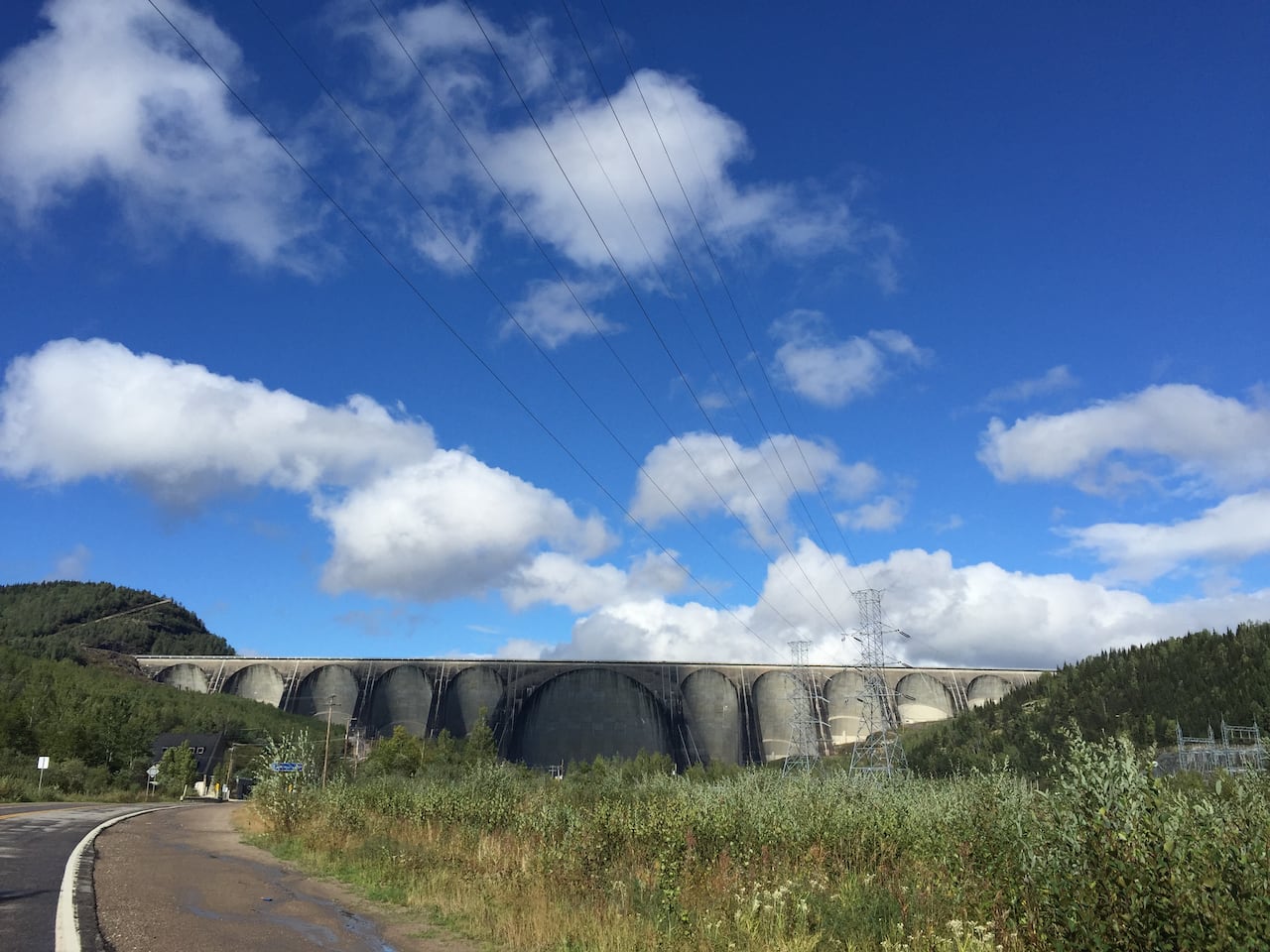 The Daniel Johnson dam is a Hydro-Québec project on Pessamit territory that has been the subject of previous lawsuits that this deal would settle with financial compensation. (Marika Wheeler/CBC News)
In return, Hydro-Québec could continue to develop existing hydroelectric facilities and potentially build new dams and wind energy projects on the territory in consultation with the community, and Pessamit could receive additional compensation for each new project.
“The agreement is very complex, in terms of compensation, resulting benefits, and how it will be applied,” Picard said.
“For us, what matters is that, from now on, we are stakeholders in the projects — stakeholders on an equal footing,” he said.
The office of Ian Lafrenière, minister responsible for relations with First Nations and Inuit, refused to comment other than to say the deal has to be approved by the cabinet.
Hydro-Québec also refused to comment.
What’s the rush?
The band council has been holding meetings with separate groups of citizens this week to explain the deal, but band member Marie St-Gelais told Radio-Canada that’s not the best way to go about it.
“They should be holding a complete information session where the entire community can participate,” St-Gelais said.
“Then we can benefit from each other’s questions, and also from the answers to each other’s questions.”
Picard said the band council has met with roughly 400 members in two days.
“We have a whole information kit. This is the first time we’ve distributed a complete agreement,” he said.
“When we talk about transparency, this is it.”
Picard acknowledged the short time frame wasn’t ideal, but he said the band council wanted to hold the vote before band council elections in August and the provincial election in the fall.
St-Gelais said election dates don’t matter.
“We have a duty to fully understand this agreement for future generations so that we can make informed decisions,” she said.
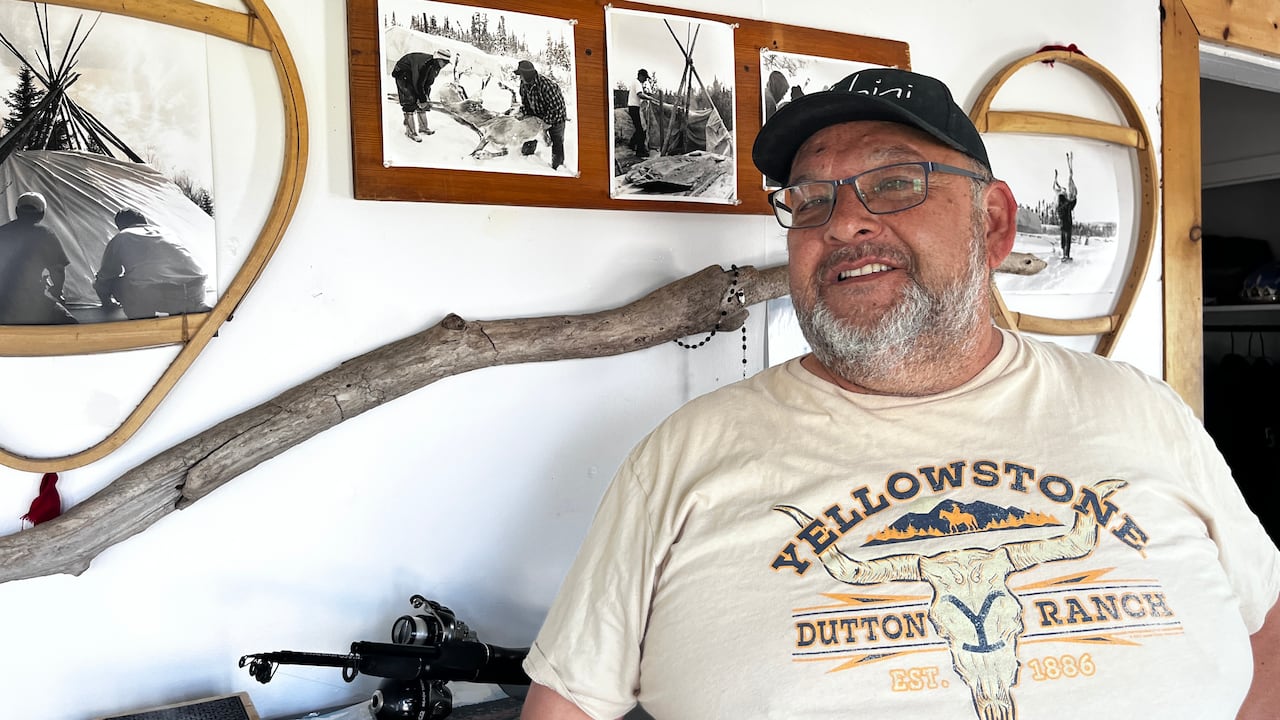 Band member Marco Bacon said the band council didn’t give enough notice for such a major decision. (Benoit Jobin/Radio-Canada)
Bacon said there’s no rush, and that the referendum should be delayed until at least September.
“We’ve already experienced referendums, elections, and other agreements that didn’t work out. We have experience with all of that,” he said.
Concerns over figures, legal recourse
Bacon and St-Gelais said based on their preliminary reading of the deal, they also have concerns.
In an online video, the council says the deal could bring in $7 billion to the community over the next 50 years.
“Where did this $7 billion figure come from? Because when you read the agreement, that figure isn’t there,” St-Gelais said.
Picard said that $7 billion is an estimate that includes potential revenue for the community if Hydro-Québec builds new dams on the territory.
Bacon said the deal prevents Pessamit from launching any future legal action against Hydro-Québec.
“I’d like my community to be among those who stand up for themselves, who think about the Earth instead of thinking about money,” he said.
“I think that having a territory today is a gift from heaven and a real treasure that’s worth far more than all the money in the world.”