
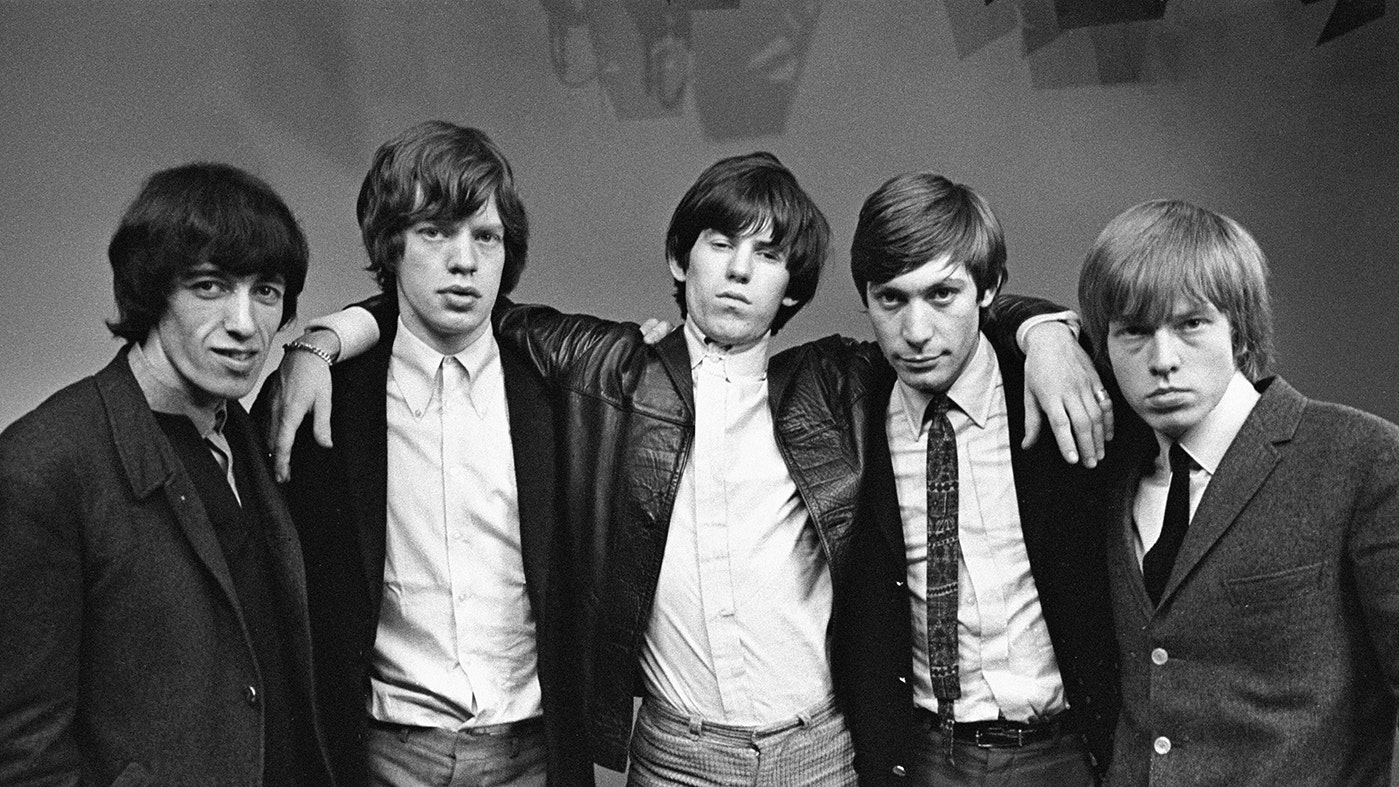
Few would regard the albums The Rolling Stones made between 1964 to 1972 – that is, from their debut LP to Exile On Main St. – as anything other than vital documents from rock’s formative era. But, of course, that was only the first phase of their 64-year journey, which would deliver many more musical pearls, whether it was 1978’s Some Girls with its mix of disco and punk influences, or the unfeasibly good collection of studio outtakes Tattoo You in 1981, or Steel Wheels, their punchy ‘comeback’ statement after a midlife lull in the ’80s.
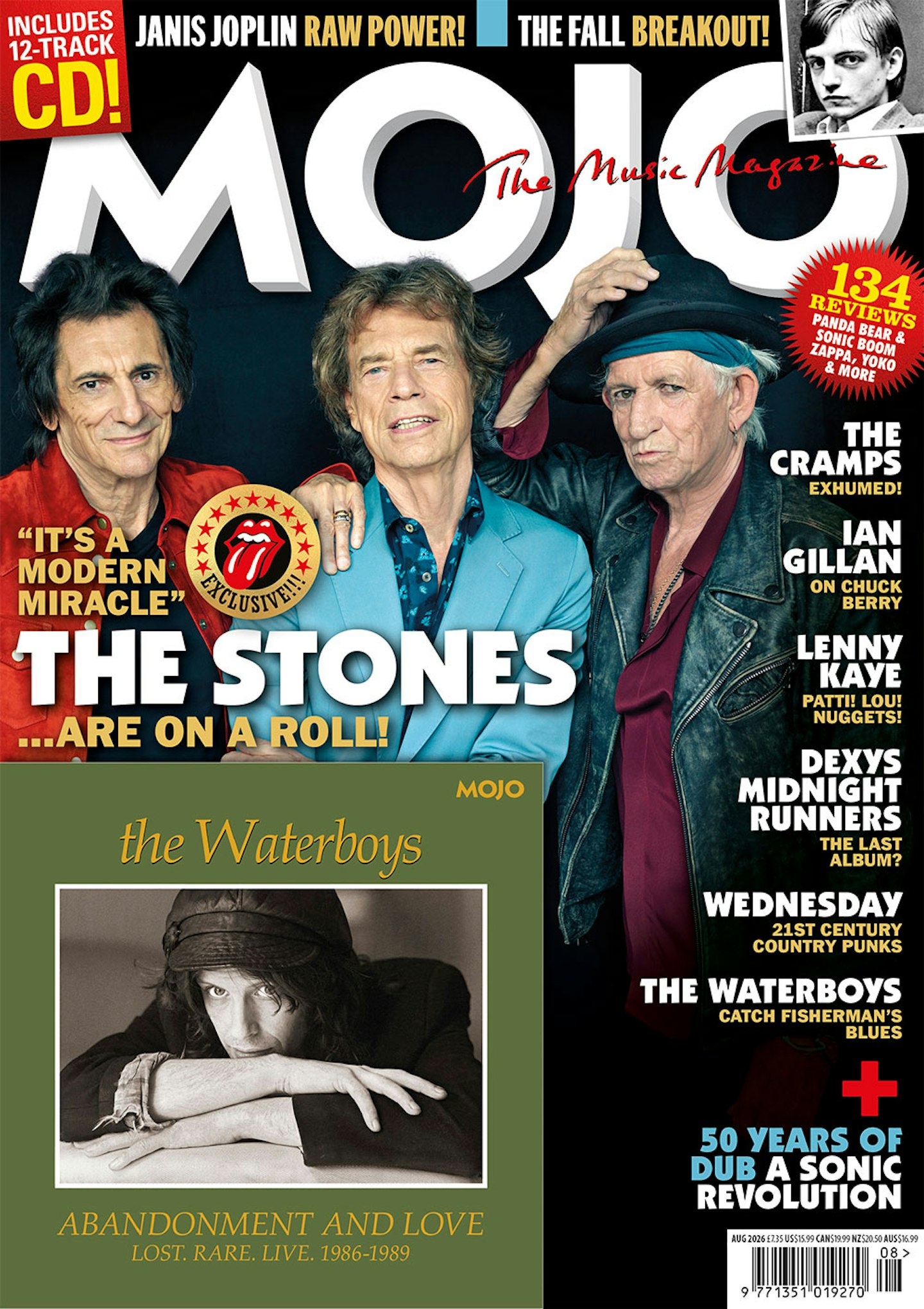
The Stones’ recorded output may have slowed down in the 21st century – 2005’s A Bigger Bang was their first album in almost a decade, while 2016’s Blue & Lonesome was made up entirely of blues covers – yet 2023’s Andrew Watt-assisted reboot Hackney Diamonds will be followed this Friday by a brand-new Stones record, Foreign Tongues. Speaking in the new issue of MOJO, on sale now, Mick Jagger, Keith Richards and Ronnie Wood discuss the making of the album, the madness and excess surrounding the band during the 60s and 70s, the loss of Brian Jones and Charlie Watts, and why The Greatest Rock’n’Roll Band In The World are not done yet – “If you’re not performing,” they tell MOJO’s Will Hodgkinson, “what are you going to do?”
While we await Foreign Tongues arrival, MOJO’s Mark Blake has rundown every studio album to date from the band. From their earliest days as blues and R&B-loving youngsters, through their late ’60s and early ’70s imperial phase, their more chequered ’80s and ’90s output, and their recent revival in the 21st century.
Every Rolling Stones Album Ranked…
24.
Dirty Work
(Rolling Stones Records, 1986)
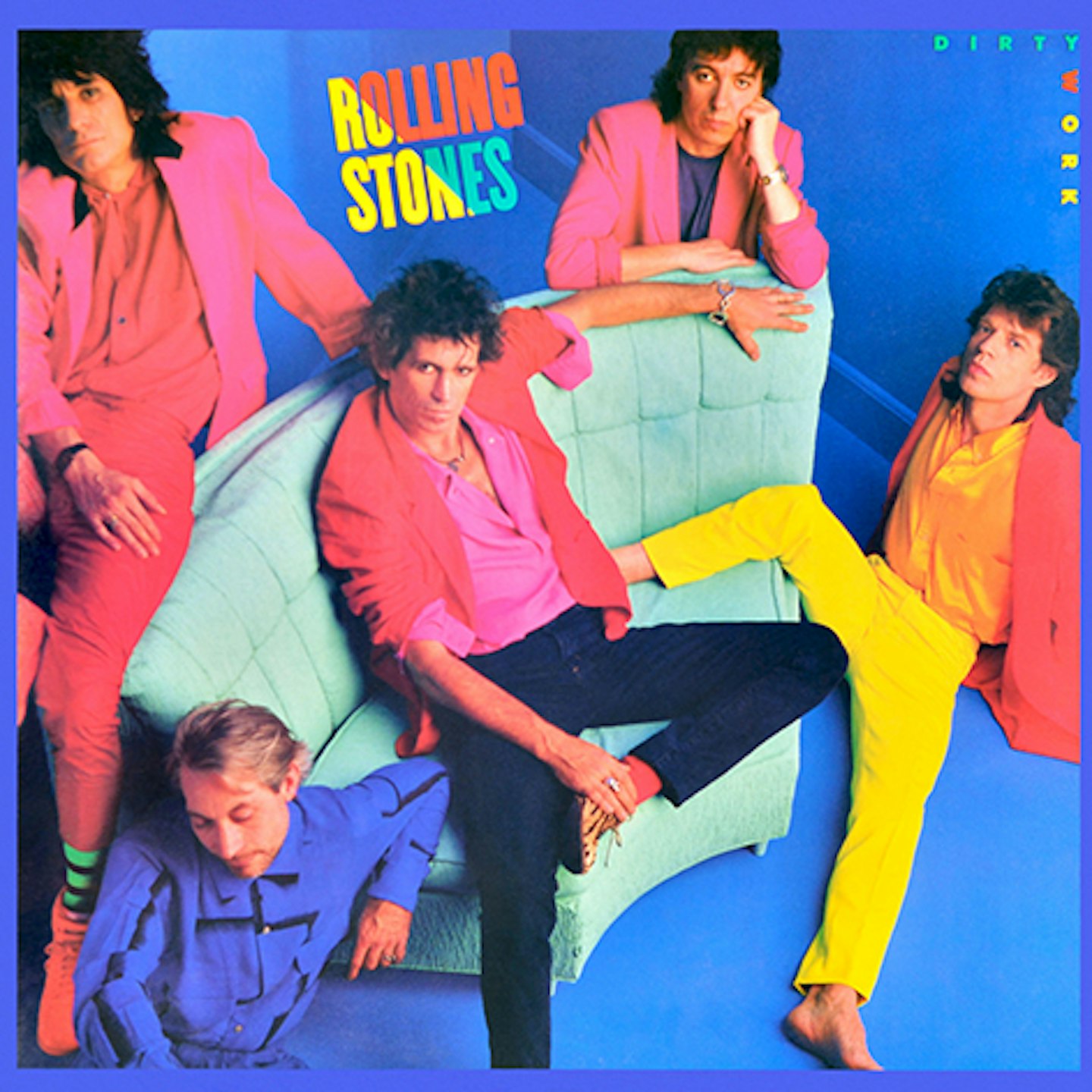
Cobbled together by a group in freefall (Jagger and Richards weren’t speaking), Dirty Work is briefly redeemed by a cover of the Miracles’ Going To A Go-Go and One Hit (To The Body)’s scrappy hard rock. But most of it suggests the Stones sleepwalking – and some. Poor old Charlie Watts is so disengaged, he can’t even look at the camera in the cover pic, and he’s grown a beard.
Key track: One Hit (To The Body)
23.
Undercover
(Rolling Stones Records, 1983)
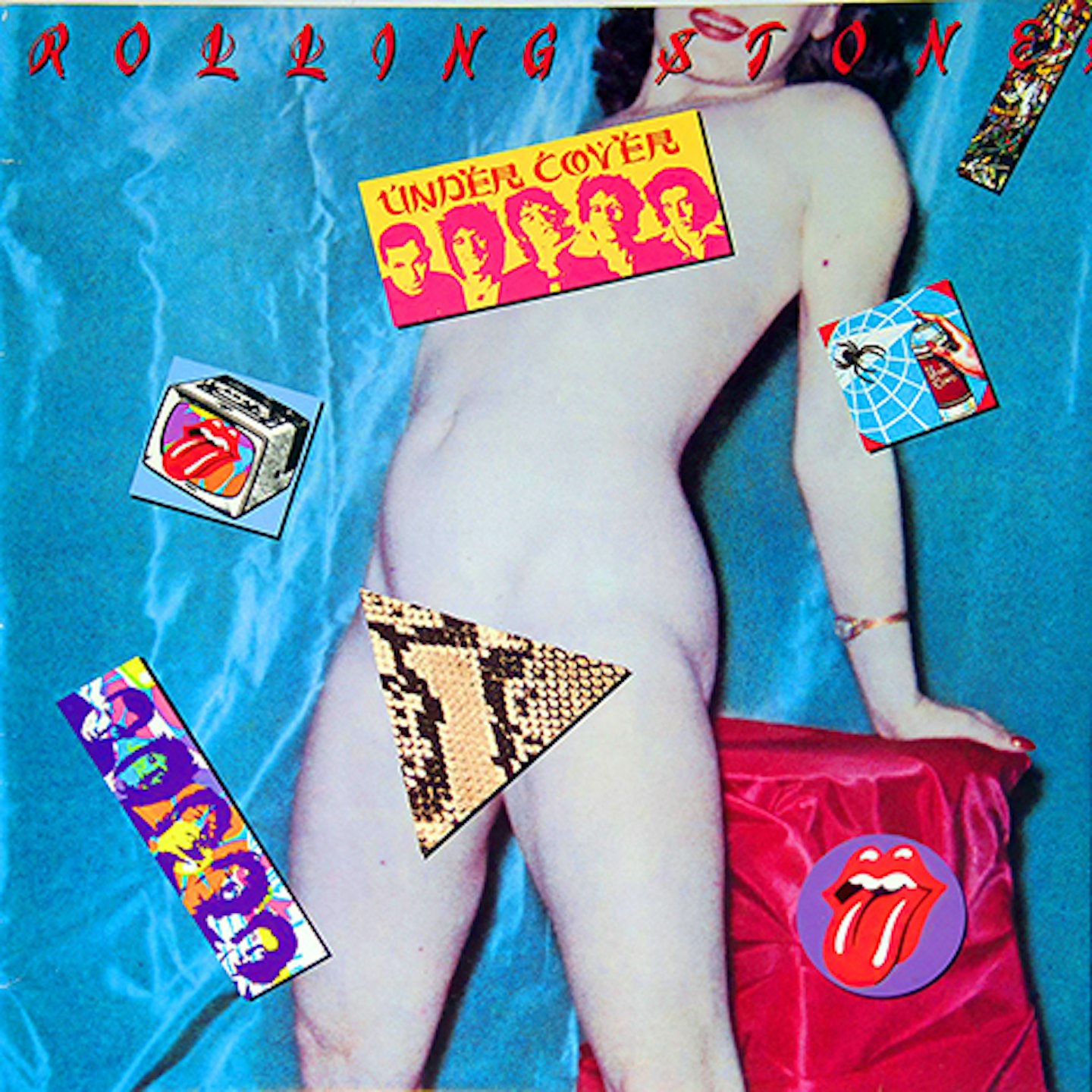
Marginally better than Dirty Work, the single, Undercover Of The Night is worth the price of admission (and, as an aside, the 12-inch mix is worth investigating). While there is an awful lot of over-processed hard rock and camp S&M imagery here, Too Much Blood, where Jagger semi-raps about a murder (“Ever see the Texas Chainsaw Massacre? ‘orrible isn’t it”) is both bizarre and brilliant.
Key track: Undercover Of The Night
22.
Bridges To Babylon
(Virgin, 1997)
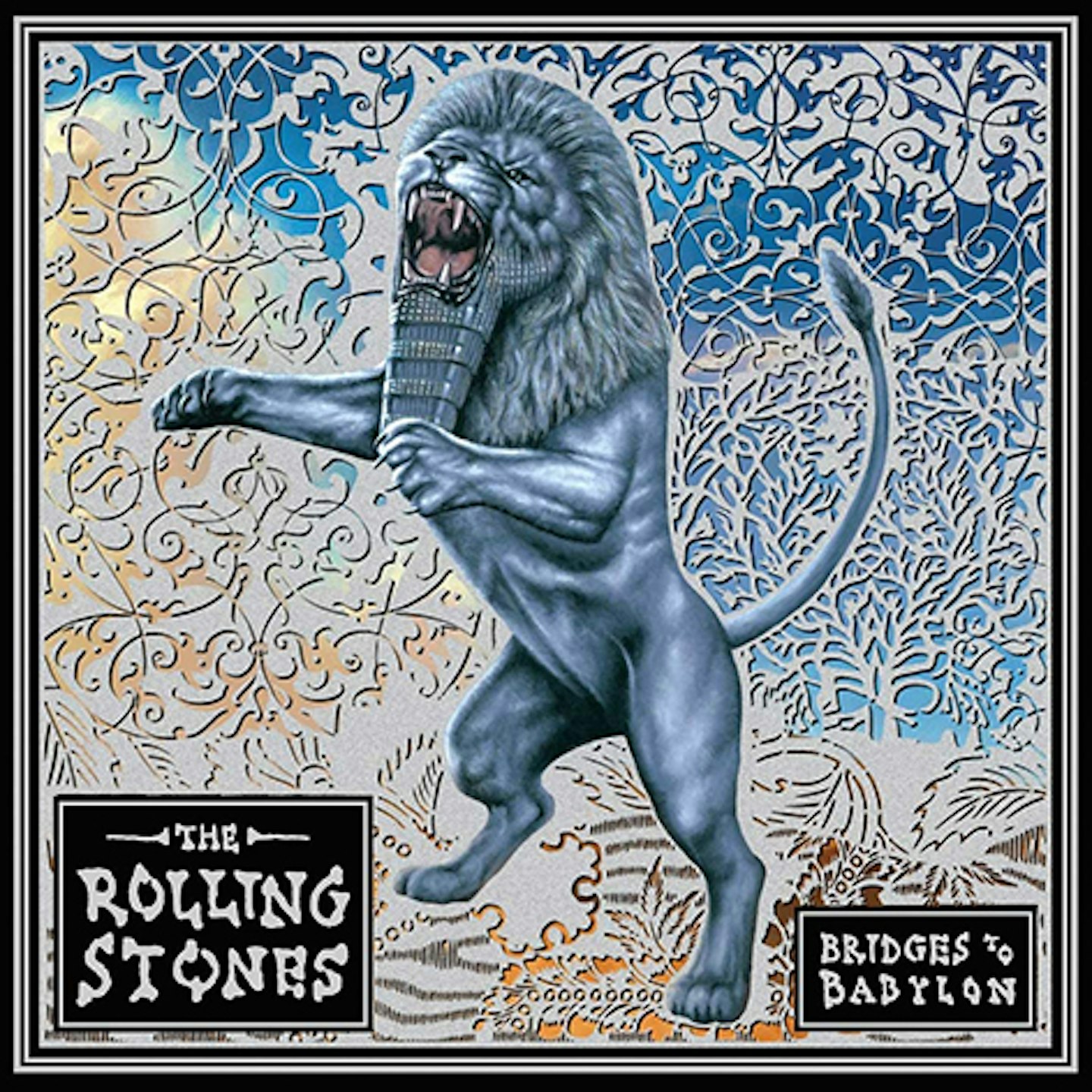
This late-‘90s makeover was engendered by Jagger hiring several hip co-producers, including Beastie Boys collaborators the Dust Brothers, while Richards glowered on the sidelines. However, Keith’s Thief In The Night and How Can I Stop? are more intriguing than by-rote rockers such as Flip Of The Switch. The single Anybody Seen My Baby? (with rapper Biz Markle) is a melancholy highpoint, but an accidental partial re-write of k.d. lang’s Constant Craving, hence some last-minute credit changes.
Key track: Anybody Seen My Baby?
21.
Voodoo Lounge
(Virgin, 1994)
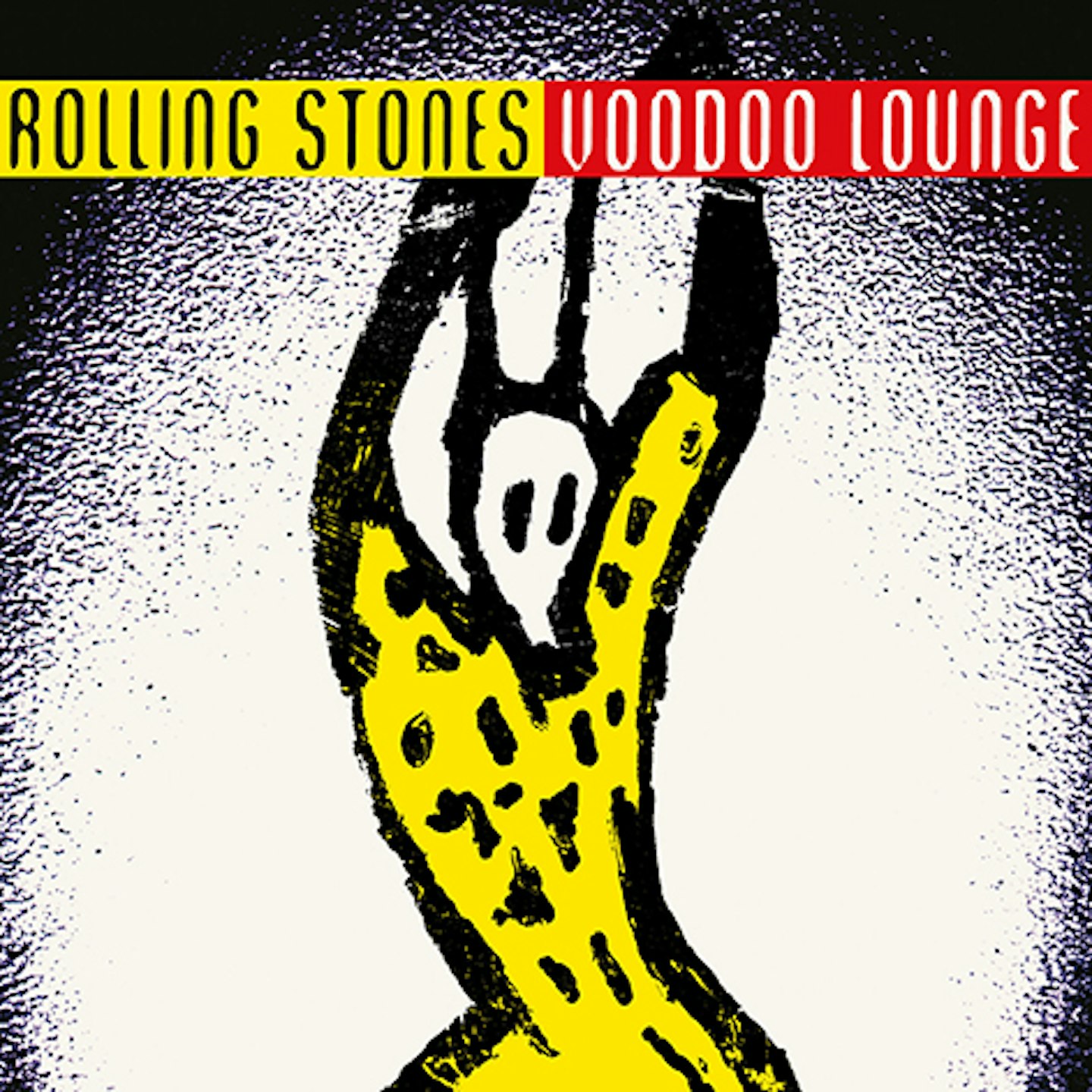
Apparently, Jagger wanted more grooves and strangeness on the Stones’ first album without Bill Wyman (and their first of the 1990s), while co-producer Don Was steered them towards familiar Stones terrain. You Got Me Rockin’ is less prosaic than it sounds, and became a mainstay of the live set, while New Faces has Jagger unusually playing the role of a lover cuckolded by a younger man. But overall it’s a bit safe.
Key track: You Got Me Rockin’
20.
Their Satanic Majesties Request
(Decca, 1967)
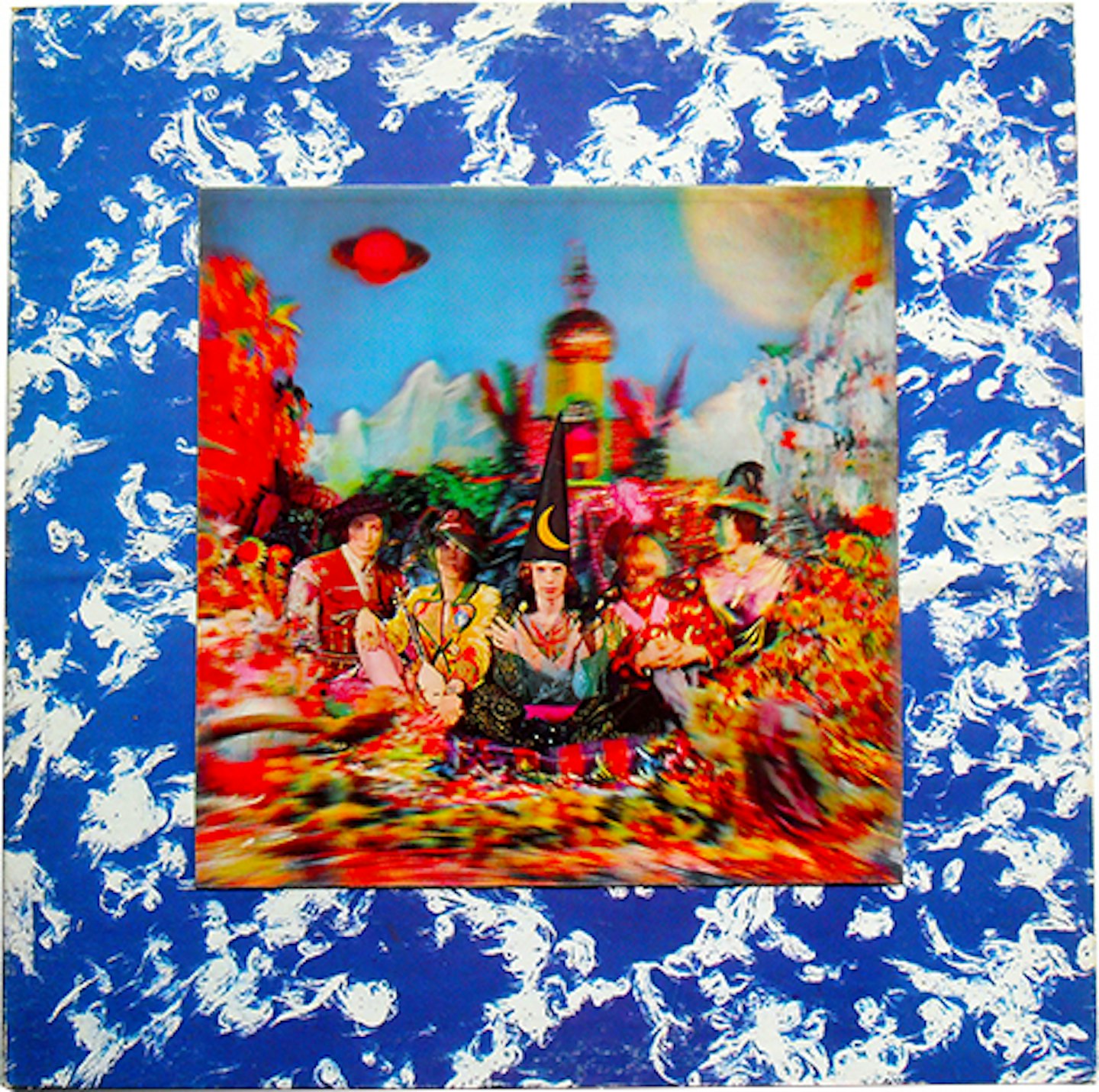
The Stones’ riposte to The Beatles’ Sgt Pepper… was pieced together in between Jagger and Richards serving jail time – and sounds like it. Sing This All Together proves the Stones didn’t really ‘do’ love and peace, and The Gomper suggests Syd Barrett-era Pink Floyd slipping into a Mandrax stupor. Better to stick with 2000 Light Years From Home and the slightly creepy flower-power pop of She’s A Rainbow.
Key track: 2000 Light Years From Home
19.
Steel Wheels
(Rolling Stones Records, 1989)
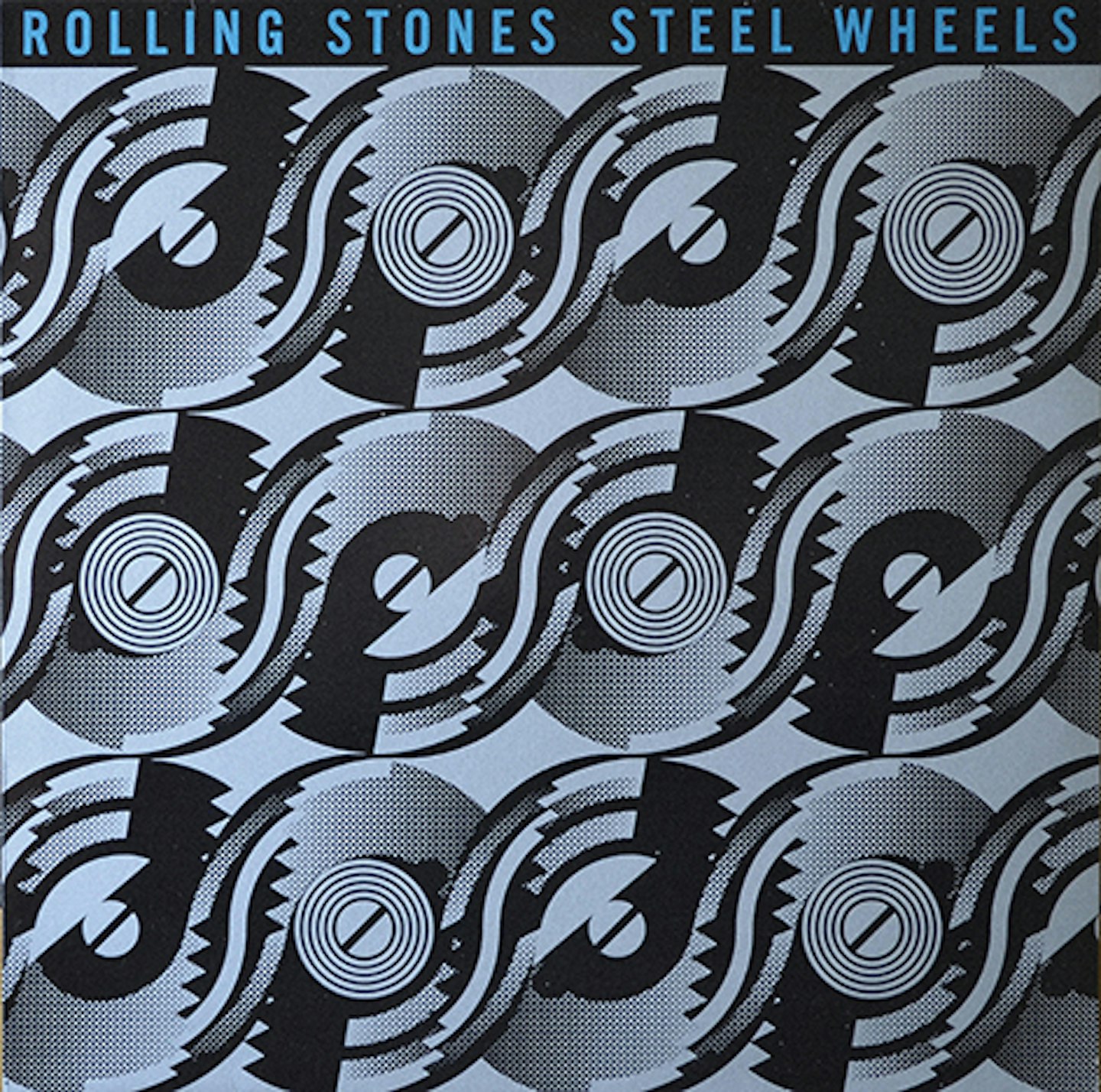
“Let’s bury the hatchet/wipe out the past,” declares Jagger on Mixed Emotions, the lead single from the Stones’ 1989 comeback. Steel Wheels benefits from Mick and Keith’s truce, whether on the daft Terrifying (“I’m h-o-r-n-y as a hog” indeed), grubby rockers such as Hearts For Sale or the mournful ballad, Almost Hear You Sigh. Also tips a hat to Brian Jones on Continental Drift featuring Jones’ old collaborators, The Master Musicians Of Joujouka.
Key track: Hearts For Sale
18.
Hackney Diamonds
(Polydor, 2023)
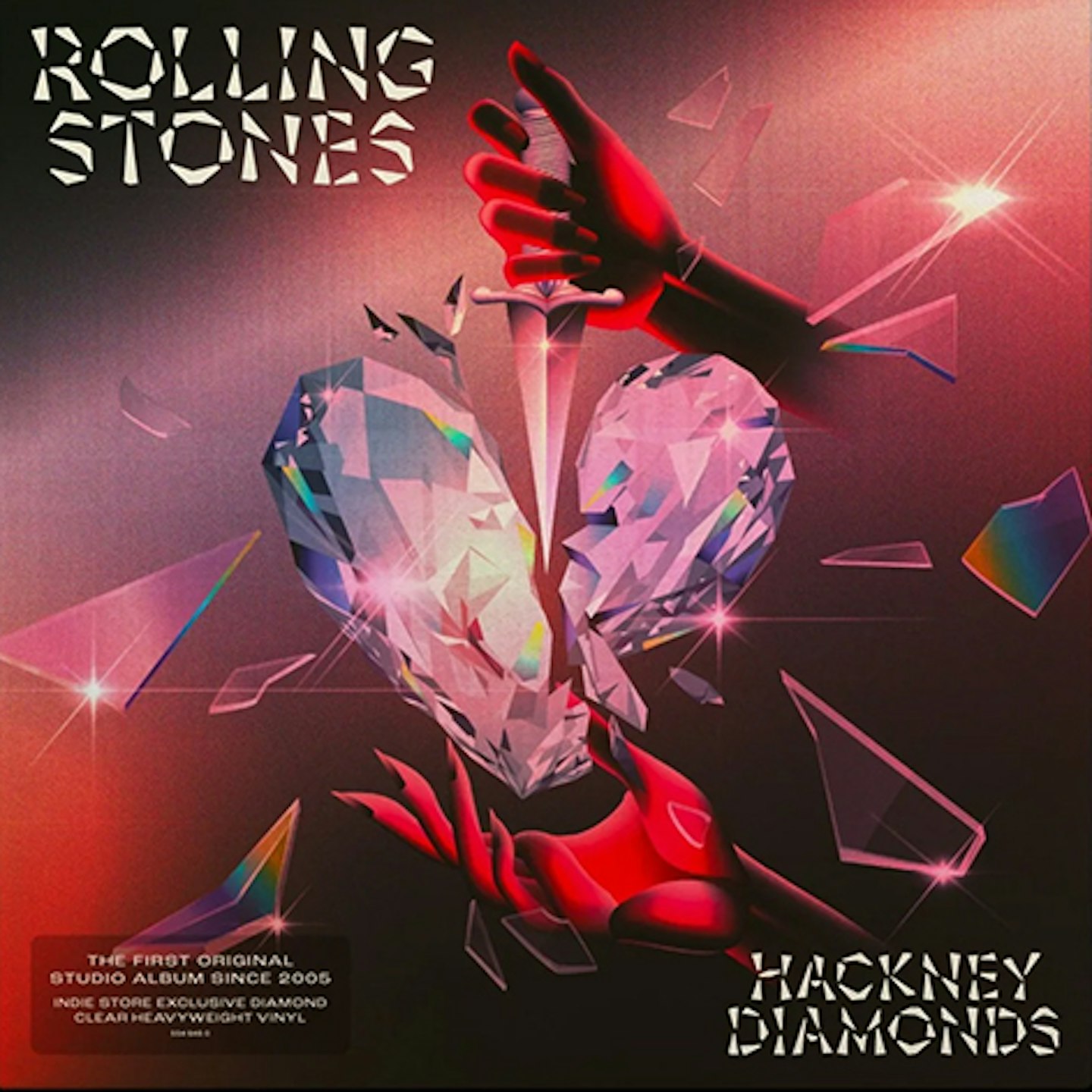
Re-energised by co-producer Andrew Watt, the Stones’ first album of all original material since Bridges To Babylon and the last to include contributions from Charlie Watts, bested their ‘90s output. Cameos from Elton John, Lady Gaga and Paul McCartney are all well and good, but it’s the sheer Stonesy-ness of Get Close and Mess It Up that impress, with Depending On You a textbook example of the band’s flair for vulnerable ballads.
Key track: Get Close
17.
A Bigger Bang
(Virgin, 2005)
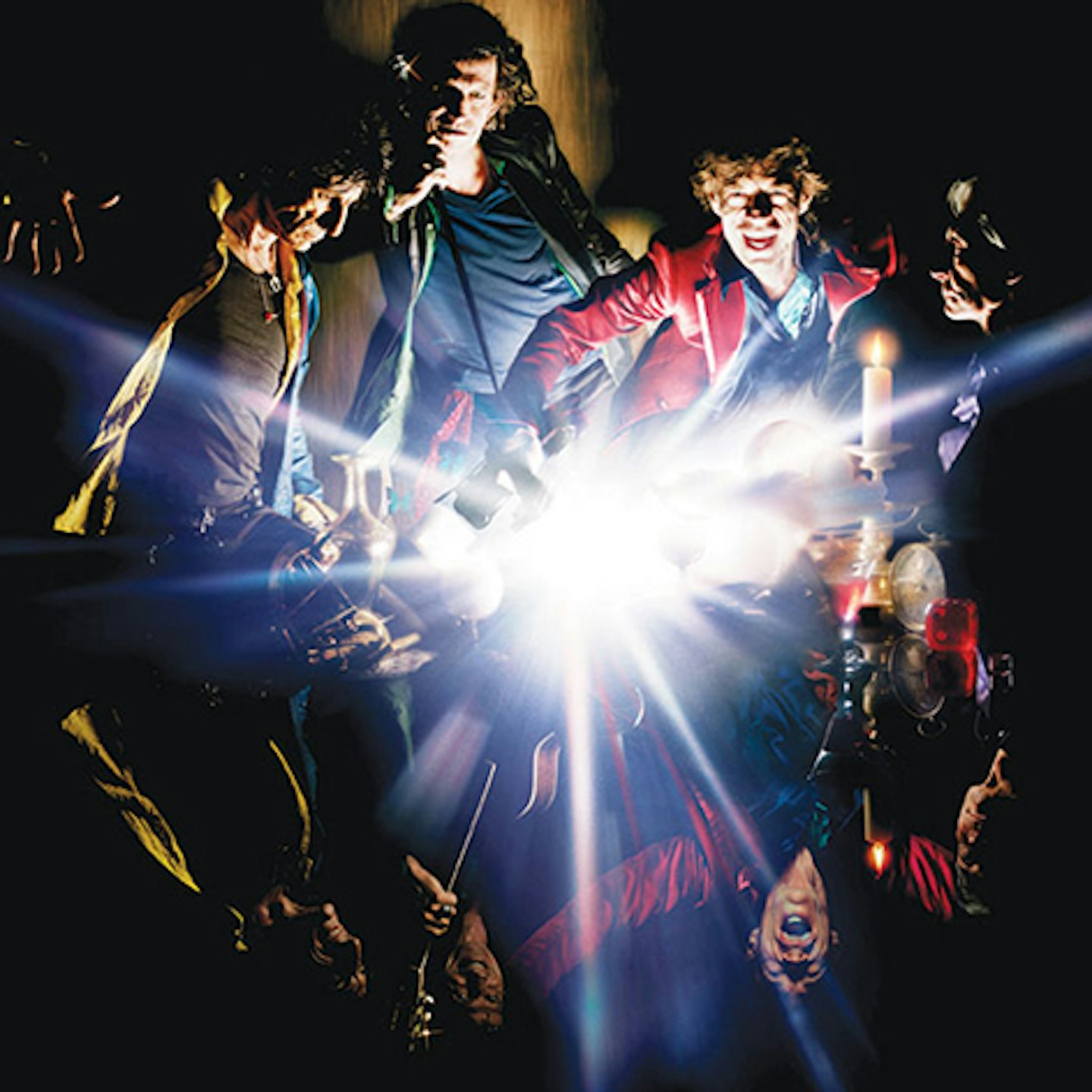
Feted as – that old chestnut – “their best since Exile On Main Street”, A Bigger Bang is their finest this century so far and exudes more vim and fire than its immediate predecessors. Exhibits A and B: the lascivious Rough Justice (“Am ah justa one of ya cocks?”) and Look What The Cat Dragged In, a wiry funk-rocker in which Jagger moans about his dirty stop-out girlfriend staggering in while he’s reading the morning papers.
Key track: Look What The Cat Dragged In
16.
It’s Only Rock’N’Roll
(Rolling Stones Records, 1974)
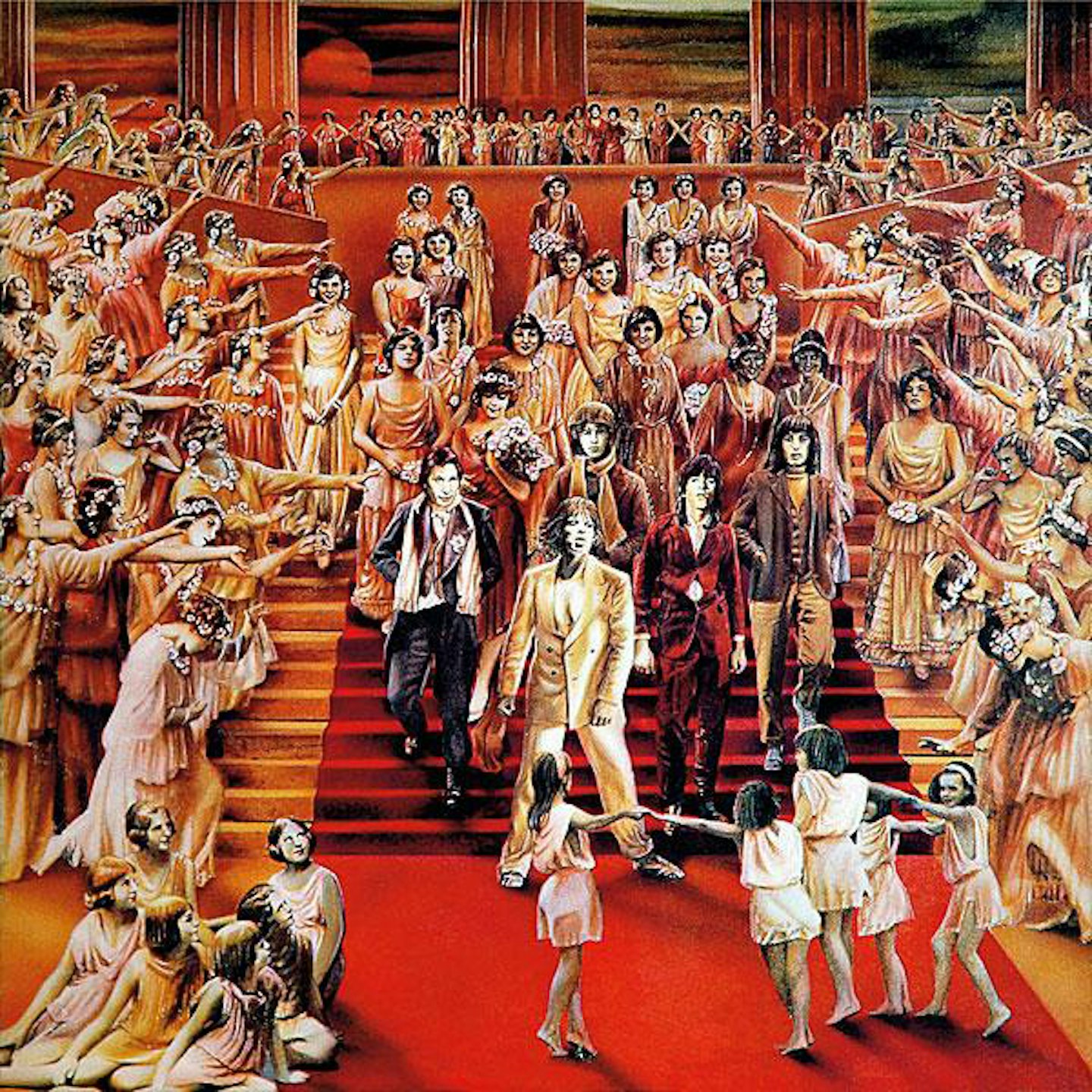
Mick Taylor’s swansong LP is a curate’s egg. The title track remains a cornerstone of any Stones hits collection (and featured Taylor’s replacement Ronnie Wood). The real juice, though, lies in Time Waits For No One, which demonstrates the departing Stone’s gorgeous guitar playing, and Fingerprint File, where Jagger runs through his gamut of regional US accents on a funky tale of covert surveillance and what sounds like cocaine paranoia.
Key track: It’s Only Rock’N’Roll
15.
Blue & Lonesome
(Polydor, 2016)
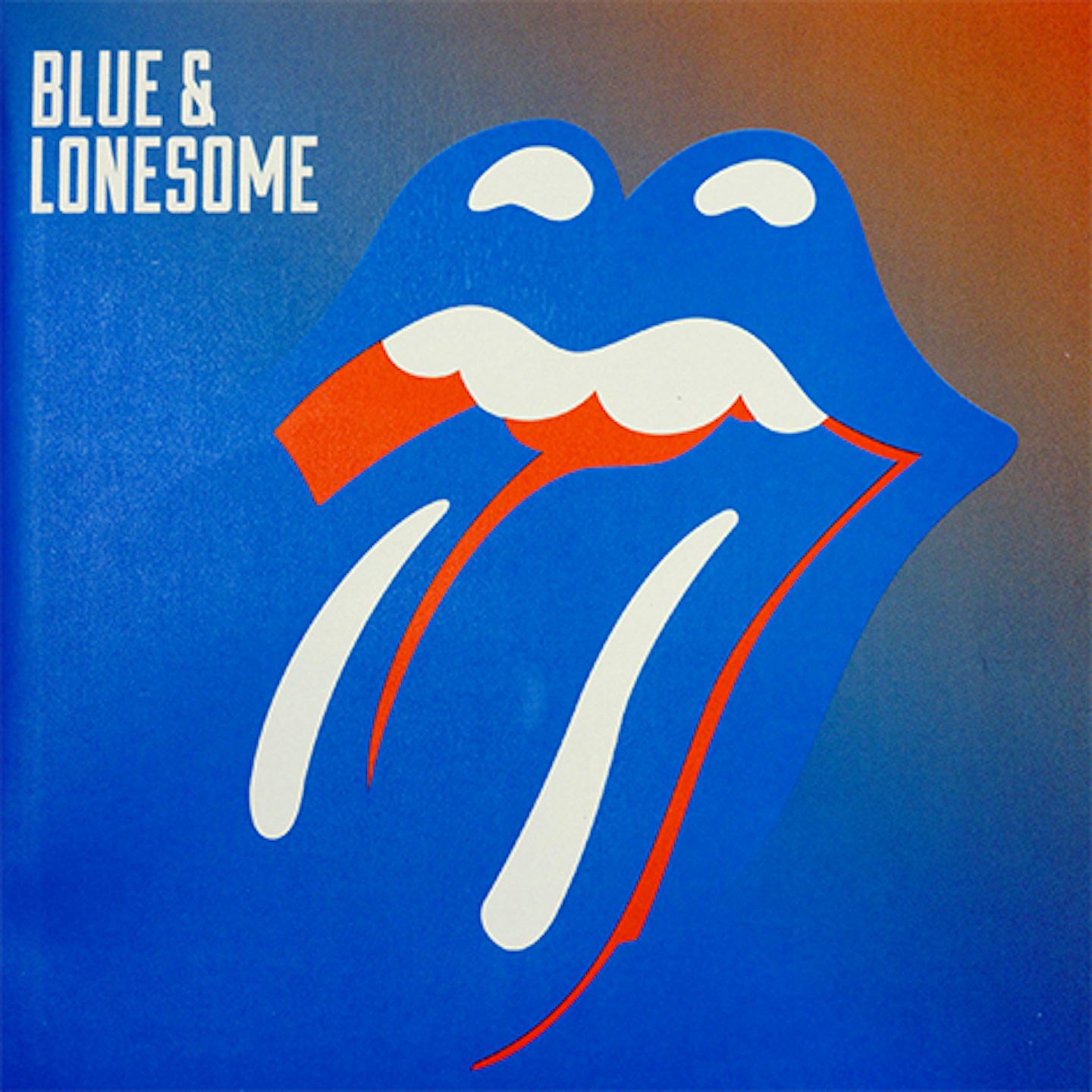
Arriving 11 years after A Bigger Bang, Blue & Lonesome comprised of 12 covers cranked out during three studio sessions. Its sparky versions of Howlin’ Wolf’s Commit A Crime and Little Walter’s Hate To See You Go suggested the band weren’t experiencing collective writer’s block but wanted to revisit the source of so many of their own songs. A fine showcase, too, for Jagger’s peerless harmonica playing.
Key track: Commit A Crime
14.
Between The Buttons
(Decca, 1967)
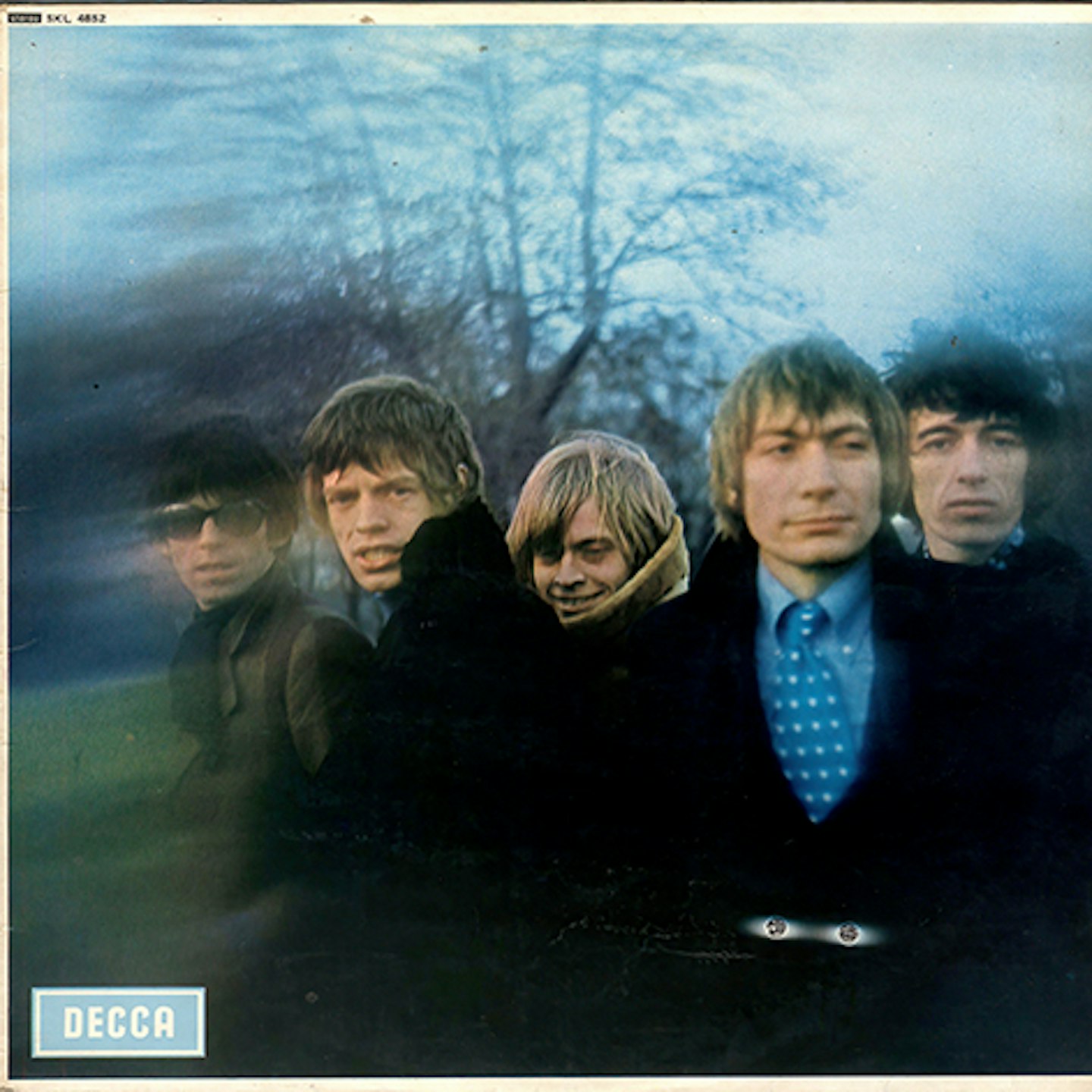
Jagger and Richards’ songwriting had bedded in by now, as had Brian Jones’ desire to broaden the group’s sound with dulcimers and harpsichords. Between The Buttons is a band in transition, then: flitting between bratty R&B (Let’s Spend The Night Together) and the newfangled baroque pop songs, Yesterday’s Papers and Ruby Tuesday; music for lounging around on cushions in some hip art dealer’s Mayfair pad, while his Moroccan manservant pours the Darjeeling.
Key track: Let’s Spend The Night Together
13.
Black And Blue
(Rolling Stones Records, 1976)
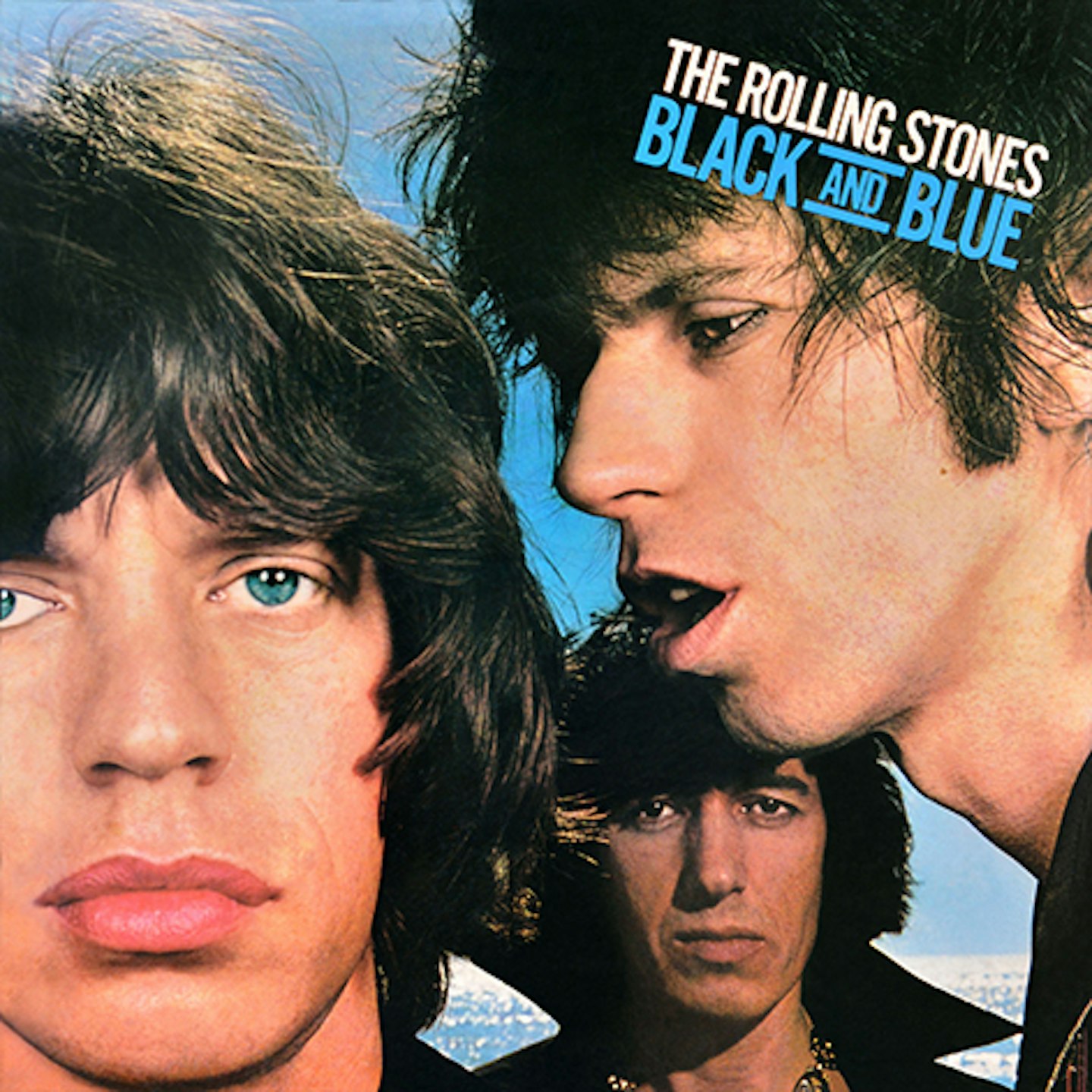
Recorded while the Stones were seeking a replacement for Mick Taylor, Black And Blue is more cohesive than its transient personnel (Wayne Perkins, Harvey Mandel and Taylor’s eventual replacement, Ronnie Wood, all feature) suggests. The teary Fool To Cry had legs beyond the album’s natural lifespan, but the pared-down jams Hot Stuff and Hey Negrita impress as much – and few rock bands looked as disreputable as the Stones did on the LP cover.
Key track: Fool To Cry
12.
Out Of Our Heads
(Decca, 1965)
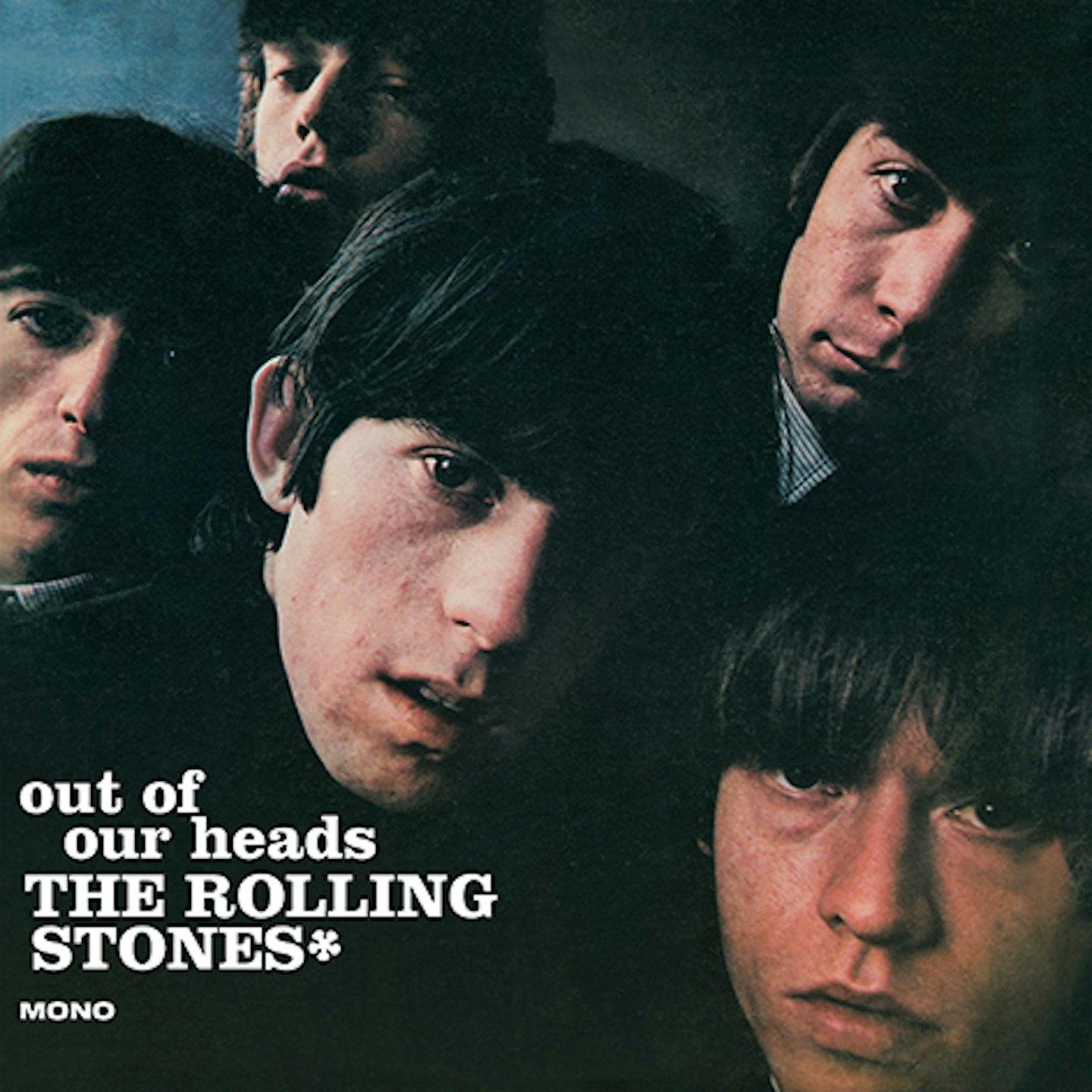
The US version of Out Of Heads squeezed in some early hits alongside a bunch of covers. Instead, Britain got the Stones tearing up Don Covay’s Mercy Mercy and Marvin Gaye’s Hitch Hike, alongside the Jagger/Richards originals, Heart Of Stone, I’m Free and The Under Assistant West Coast Promotion Man (credited to the group’s shared pseudonym, Nanker Phelge), in which the pair poked fun at a record company stooge: “I’m a necessary talent behind every rock and roll band.”
Key track: Heart Of Stone
11.
Emotional Rescue
(Rolling Stones Records, 1980)
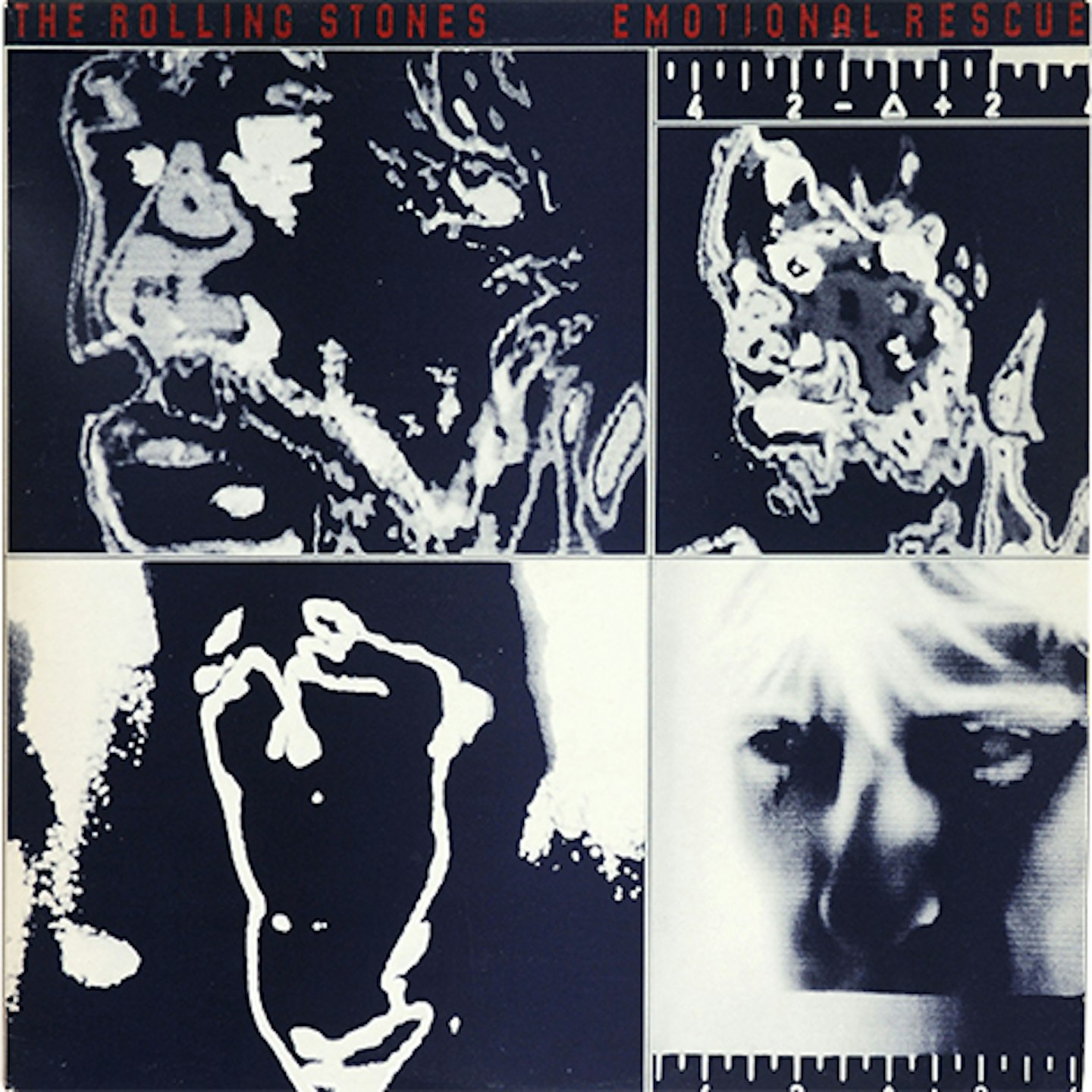
The Stones’ first album of the ‘80s followed its predecessor Some Girls by meshing rock, reggae and disco, and, on Indian Girl, political commentary with mariachi horns: “My father he ain’t no Che Guevera,” claims Jagger in a questionable accent. Mick’s lilting falsetto is a thing of wonder on the fabulous title track, as is his over-enunciated rap at 4:01 minutes: “I will be your knight in shining armour…” indeed. An often-underrated curveball in the catalogue.
Key track: All About You
10.
The Rolling Stones No.2
(Decca, 1965)
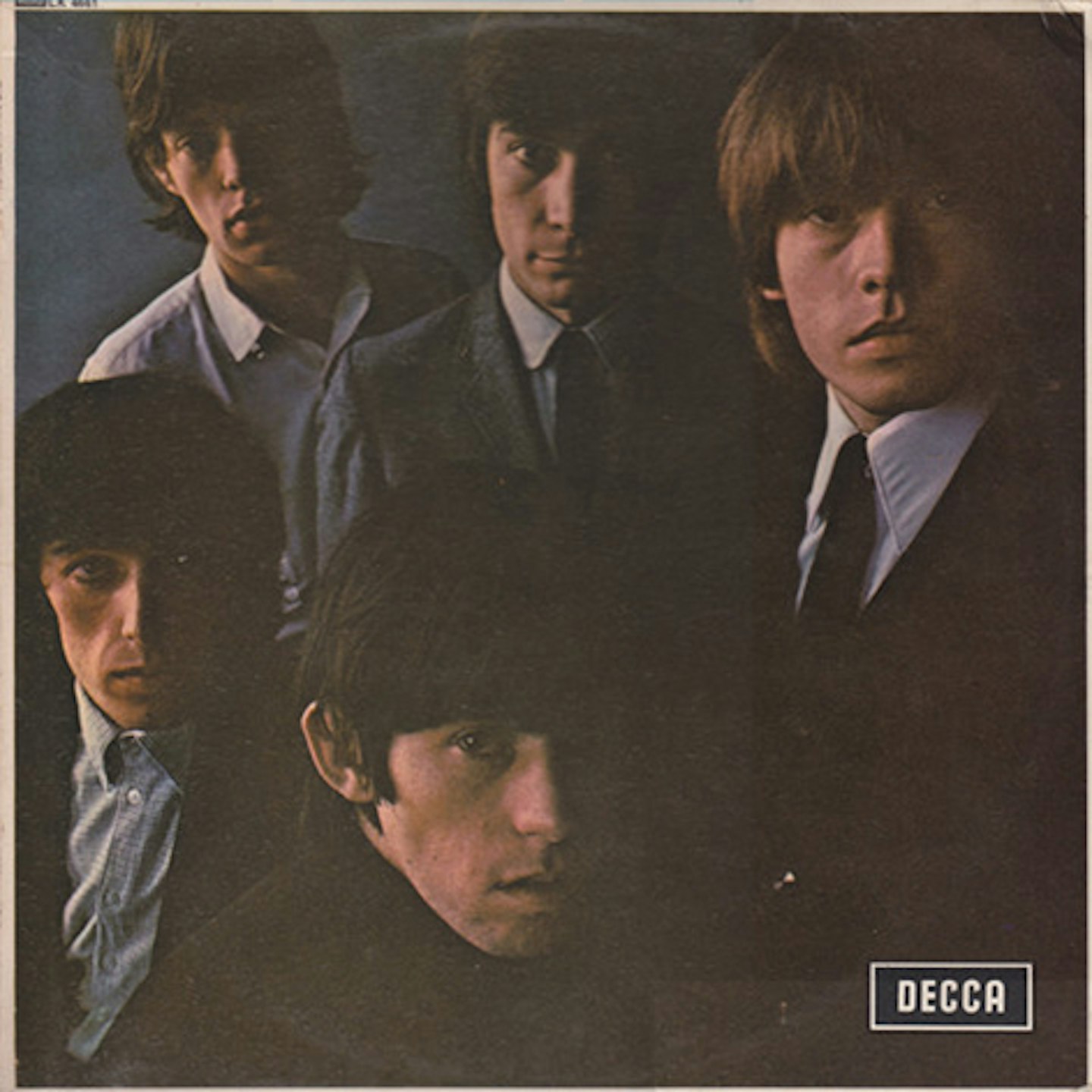
The young Stones radiate hooligan vibes from the LP’s cover, setting the tone for this grab-bag of chippy R&B covers (even Solomon Burke’s Everybody Needs Somebody To Love sounds a bit sullen) and three equally sneery originals. What A Shame and Off The Hook hardly break the mold, but Grown Up All Wrong is typical Stones fare: complaining about a girl who isn’t falling for their bullshit anymore: “You were easy to fool when you were in school.”
Key track: Grown Up All Wrong
9.
Tattoo You
(Rolling Stones Records, 1981)
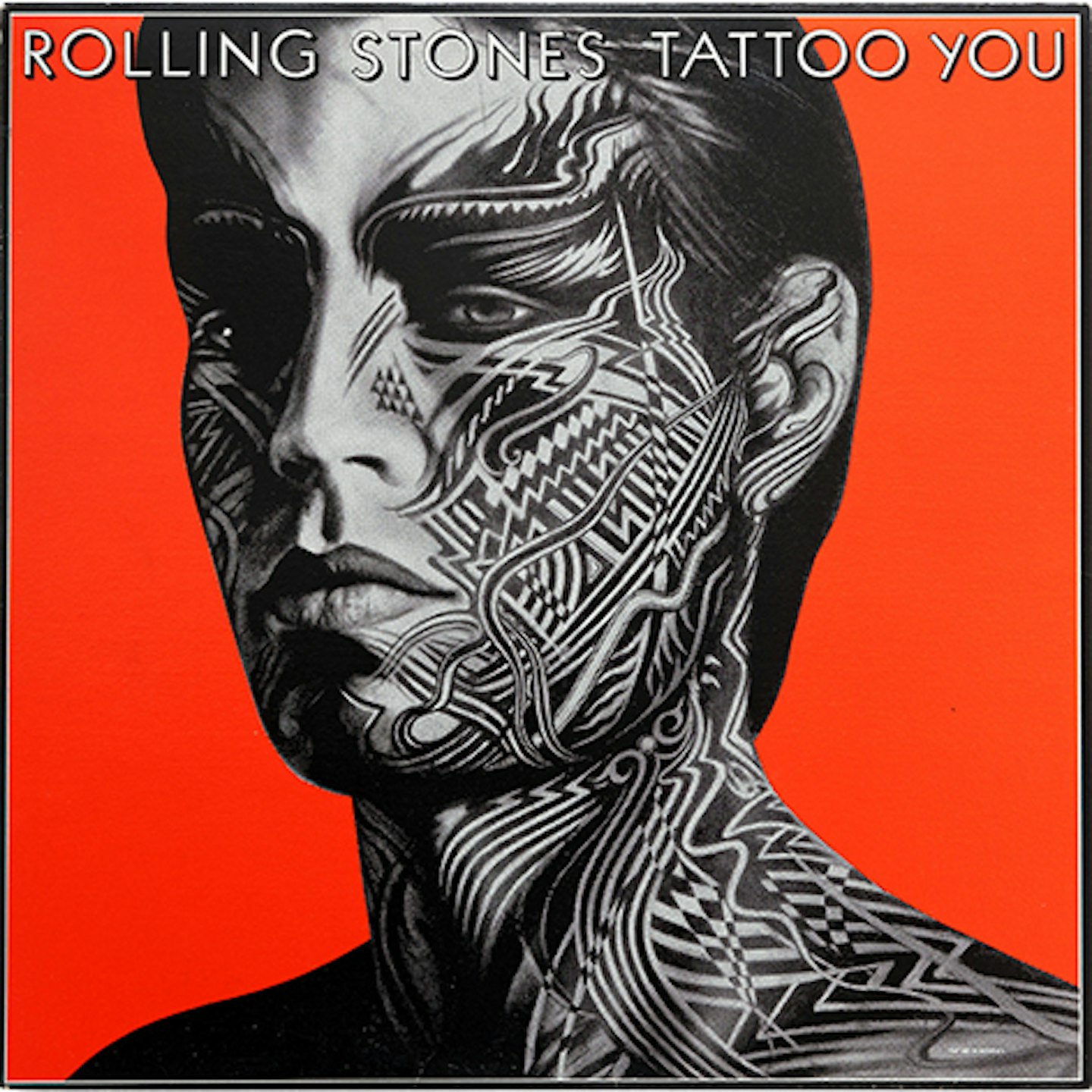
A clever hotch-potch of mostly outtakes, Tattoo You still included the hits Waiting On A Friend and Start Me Up; the last a setlist mainstay as recently as 2024. The provenance of Slave, Hang Fire and Neighbours (in which Jagger hilariously berates the noisy folks next door) barely matters as the whole thing flows beautifully, while Heaven – a dreamy, psychedelic groove cooked up by Jagger, Wyman and Watts especially for this album – is a lost gem.
Key track: Start Me Up
8.
The Rolling Stones
(Decca, 1964)
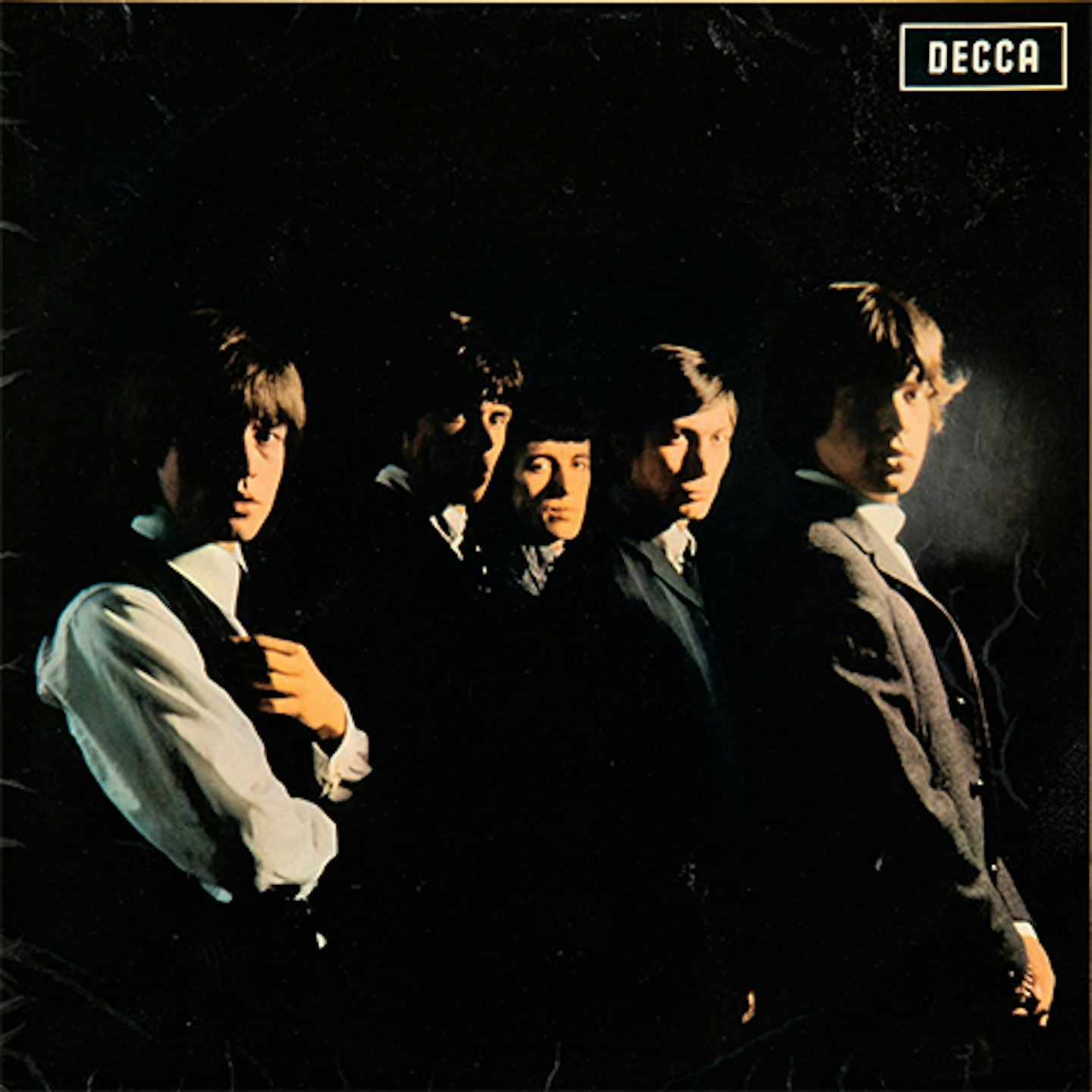
Where it all began: 12 covers of songs by the Stones’ heroes, including Willie Dixon and Muddy Waters, plus one Jagger/Richards original, Tell Me (You’re Coming Back). You can already hear the future, though, in these ferocious takes on Dixon’s I Just Wanna Make Love To You and Chuck Berry’s Carol; songs to inspire mass hysteria among teenagers and mass condemnation from a generation who’d fought two world wars only to be subjected to this bloody racket.
Key track: Tell Me (You’re Coming Back)
7.
Goats Head Soup
(Rolling Stones Records, 1973)
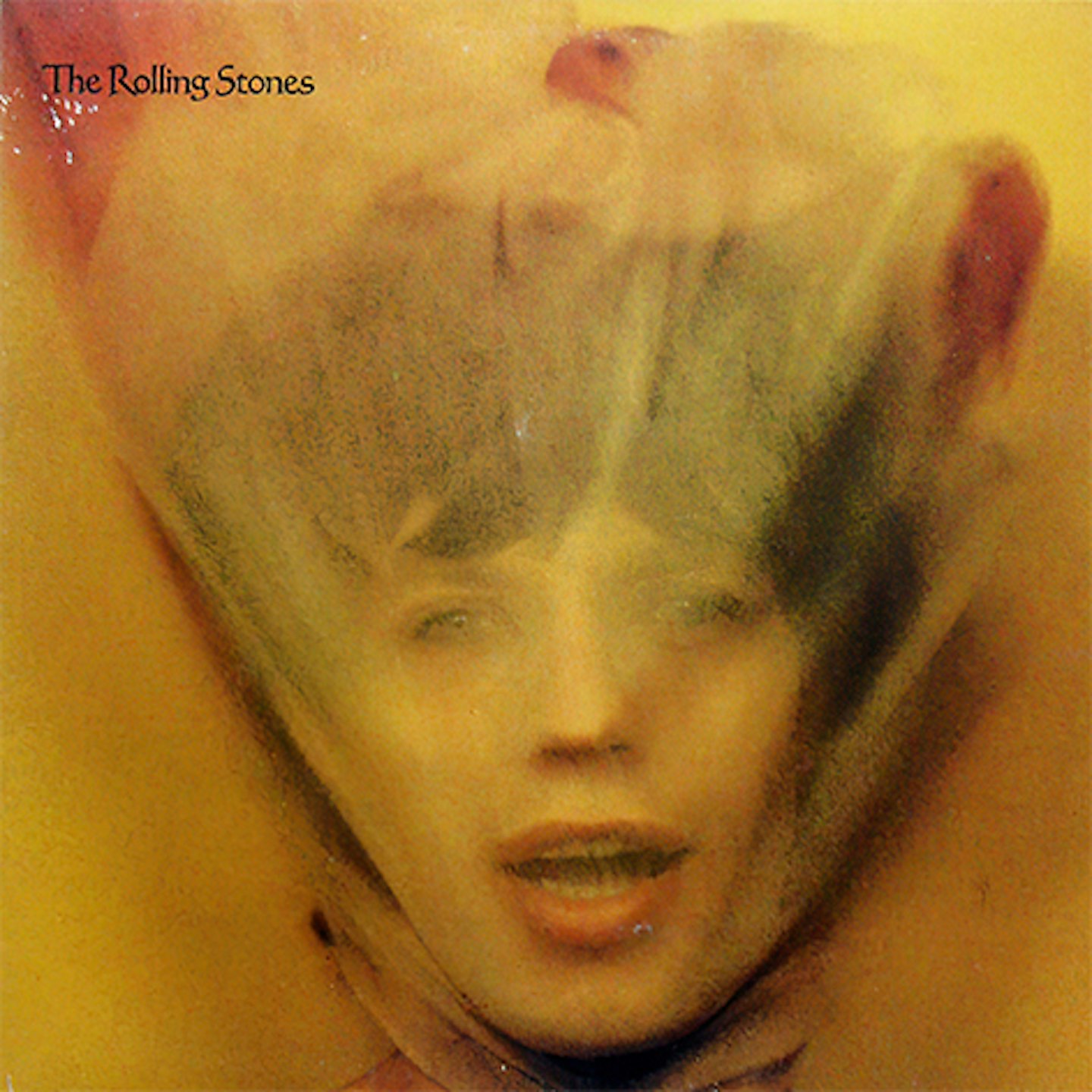
Dwarfed by its predecessor, Exile On Main Street, Goats Head Soup is also partly let down by its cover image (Mick as the world’s campest bank robber, anyone?). The groupie anthem Star Star is the most explicit example, but most of the album, from the gnarly Dancing With Mr D to the wounded-sounding Angie, seem to reflect the Stones’ itinerant lifestyle; all tax-exile globe-trotting and nasty drug habits. Goat’s Head… deserves more love.
Key track: Angie
6.
Some Girls
(Rolling Stones Records, 1978)
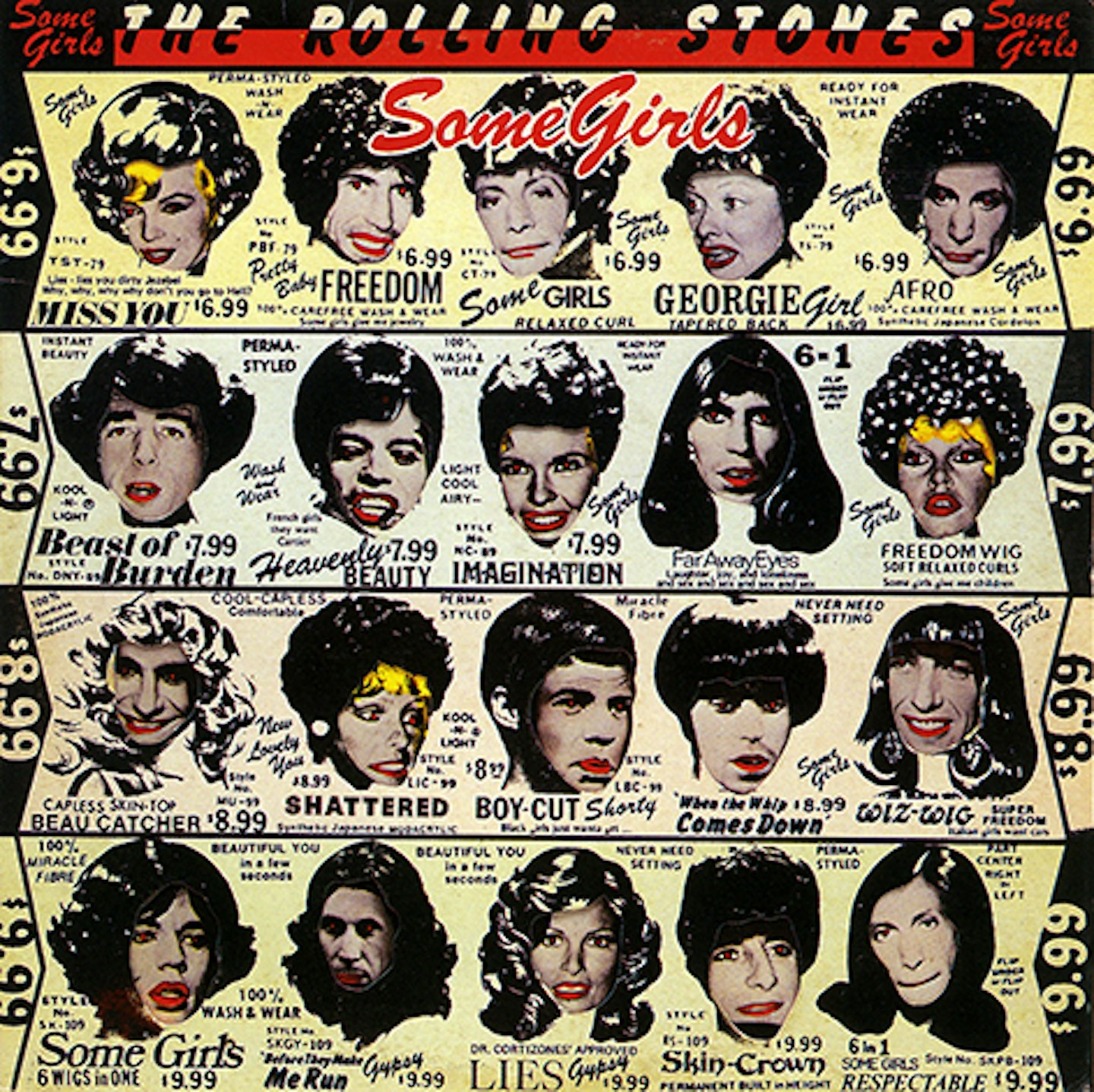
On their late-’70s comeback, the Stones faced down the twin threats of punk and disco by reminding the world of their garage band origins on Lies and Shattered, and their black music roots on the dancefloor filler Miss You. Elsewhere, flipping between almost parodic country (Far Away Eyes) and soulful balladry (Beast Of Burden) compounded their flair for always sounding like the Stones no matter what genre they laid their grubby mitts on.
Key track: Miss You
5.
Aftermath
(Decca, 1966)
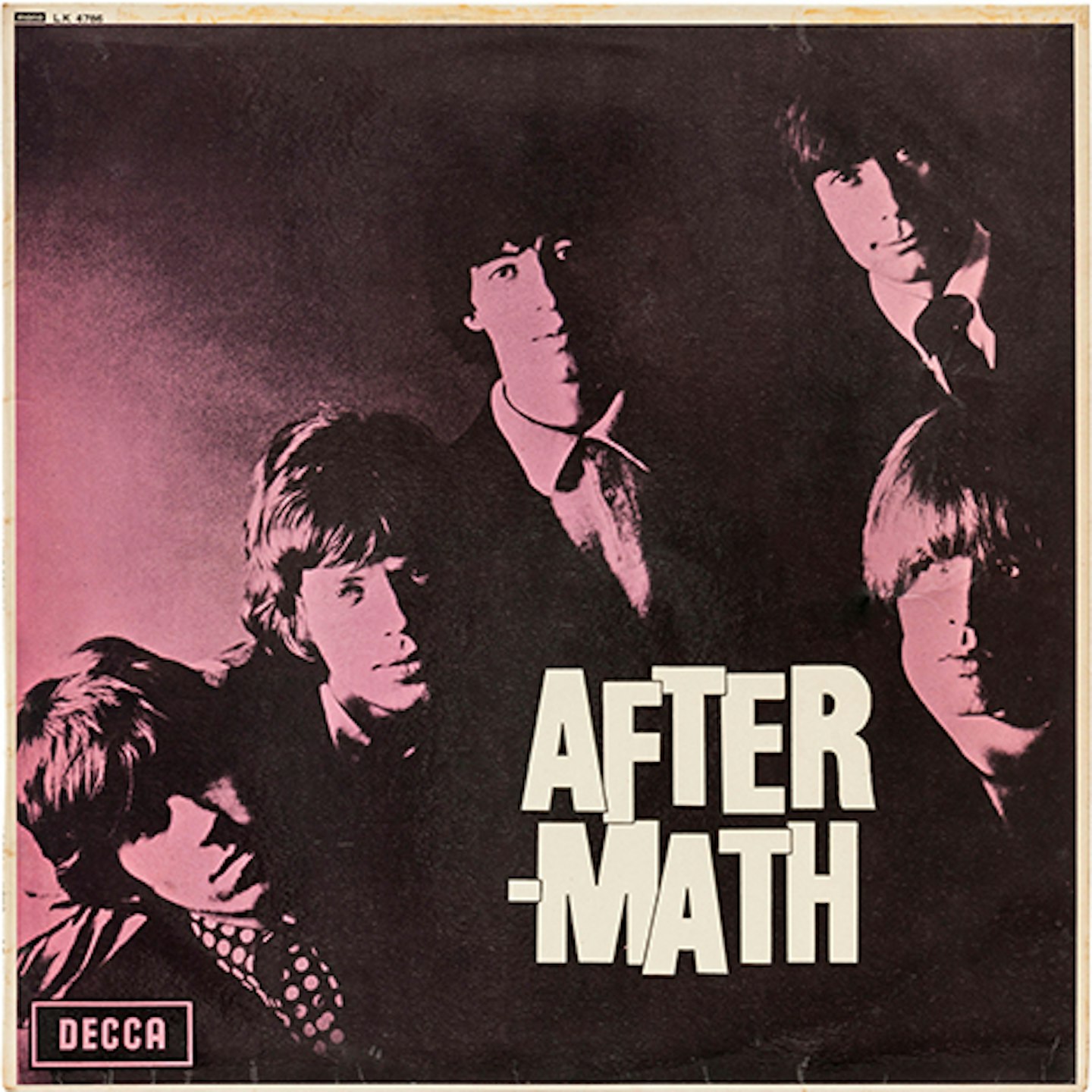
Mother’s Little Helper’s opening lyric, “What a d-r-a-g it is getting o-l-d”, sets the tone for the rest of the Stones’ fourth LP: essentially, snarky beat-pop decorated with Brian Jones’ exotic instrumentation (dulcimers, kotos, etc). Just as the Stones did on later albums, Aftermath’s glib putdowns (Stupid Girl) and quest for sexual dominance (Under My Thumb) held up a mirror to their insular world – and woe betide anyone on the outside.
Key track: Under My Thumb
4.
Beggars Banquet
(Decca, 1968)
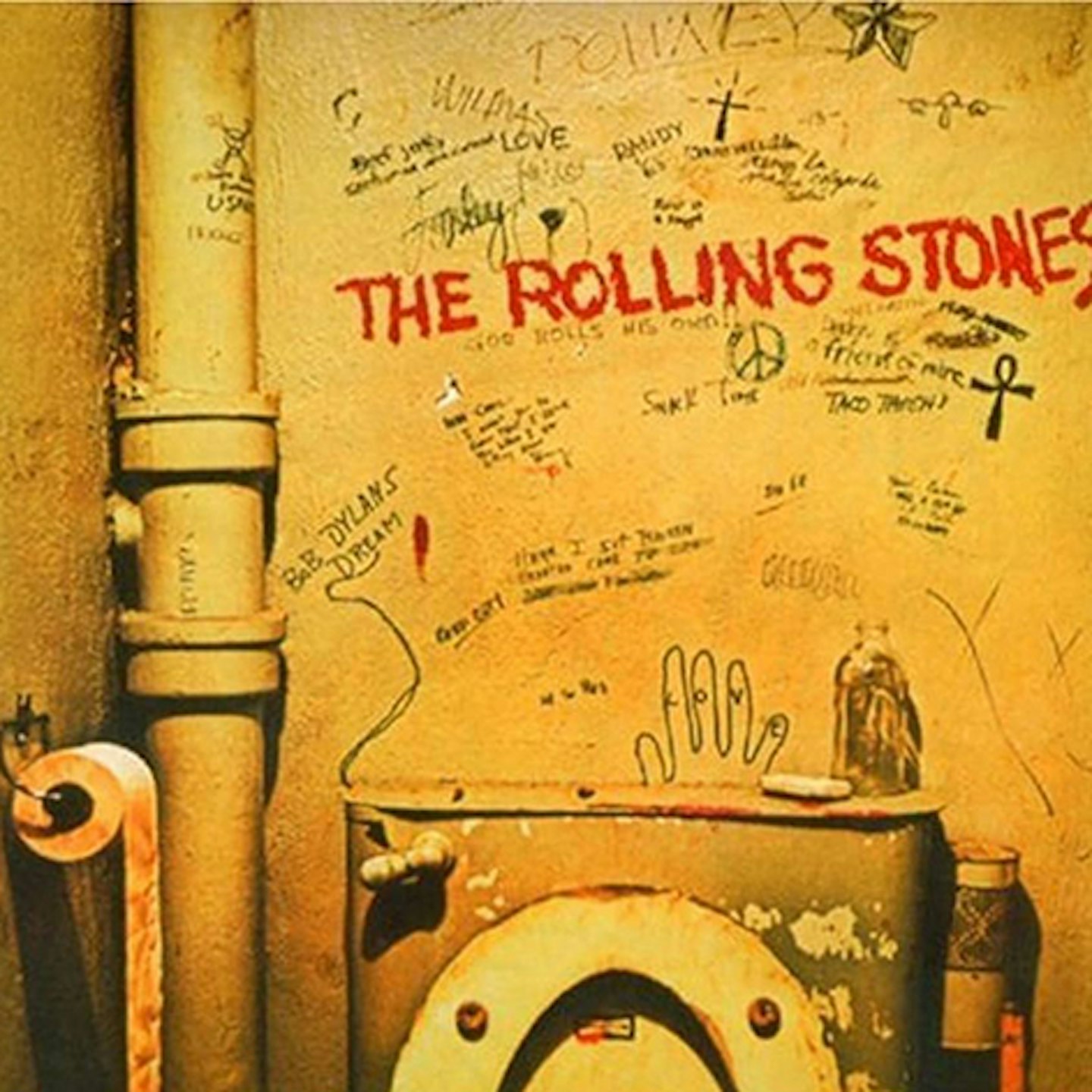
In many ways, the Stones’ first ‘American’ album (despite being recorded in West London), Aftermath trailered the tough-as-nails blues-rock with knowingly British wordplay that became their calling card from hereon in. It’s all here: in Richards’ riff-driven Street Fighting Man, Sympathy For The Devil’s satanic majesty, and Parachute Woman’s sexual braggadocio: “I’ll break big in New Orleans and I’ll overspill in Carolina,” promises Jagger. Steady on Mick…
Key track: Sympathy For The Devil
3.
Let It Bleed
(Decca, 1969)
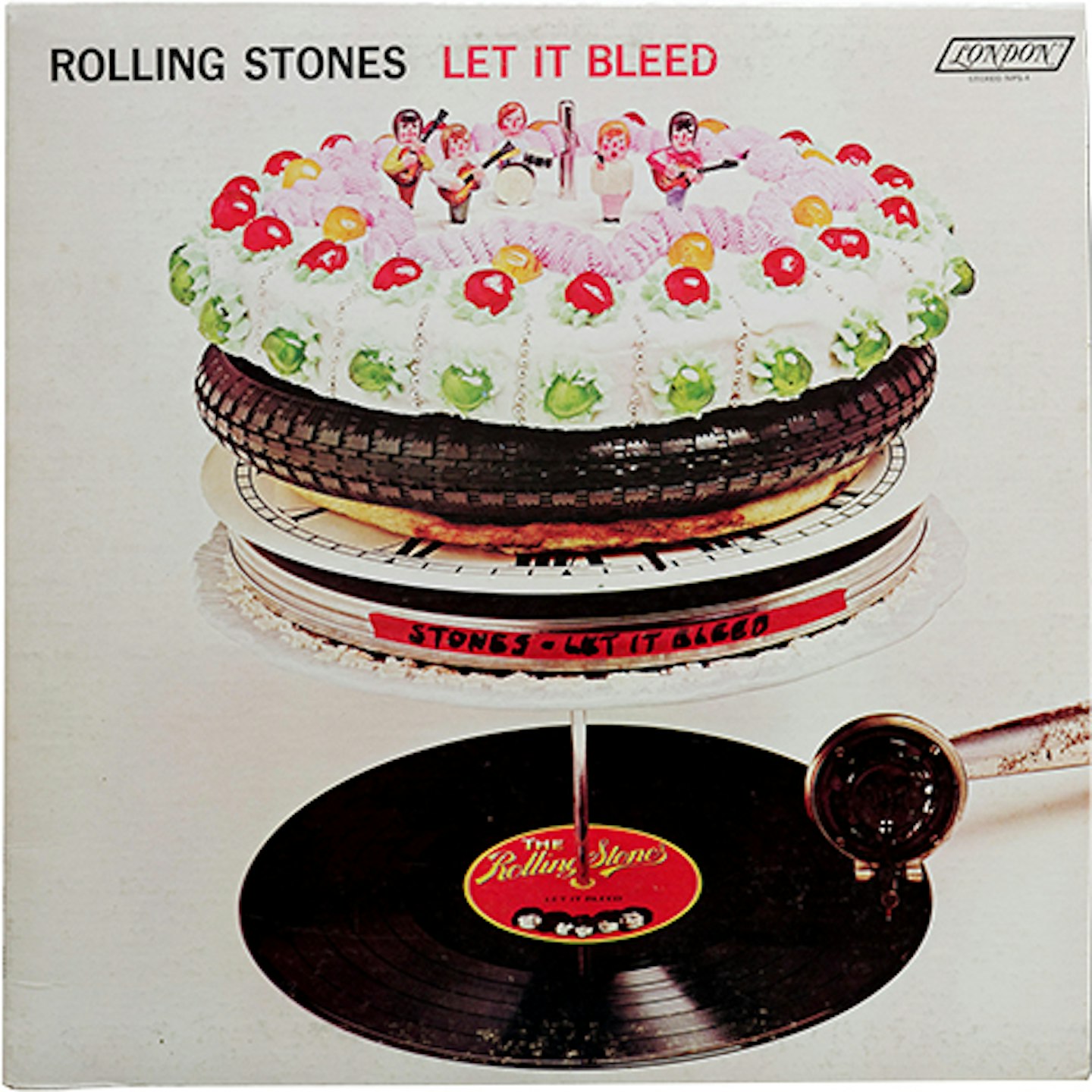
A soon-to-be-fired Brian Jones was barely present, with Mick Taylor taking his place here. But Let It Bleed is the Mick and Keith show, from Gimme Shelter’s doomy overture to You Can’t Always Get What You Want’s grand finale, but also in the Appalachian hoedown Country Honk and Monkey Man’s ode to Italian painter Mario Shifano. Having embraced their collective public enemy number one persona, the Stones sound poised to conquer the world here.
Key track: Gimme Shelter
2.
Exile On Main Street
(Rolling Stones Records, 1972)
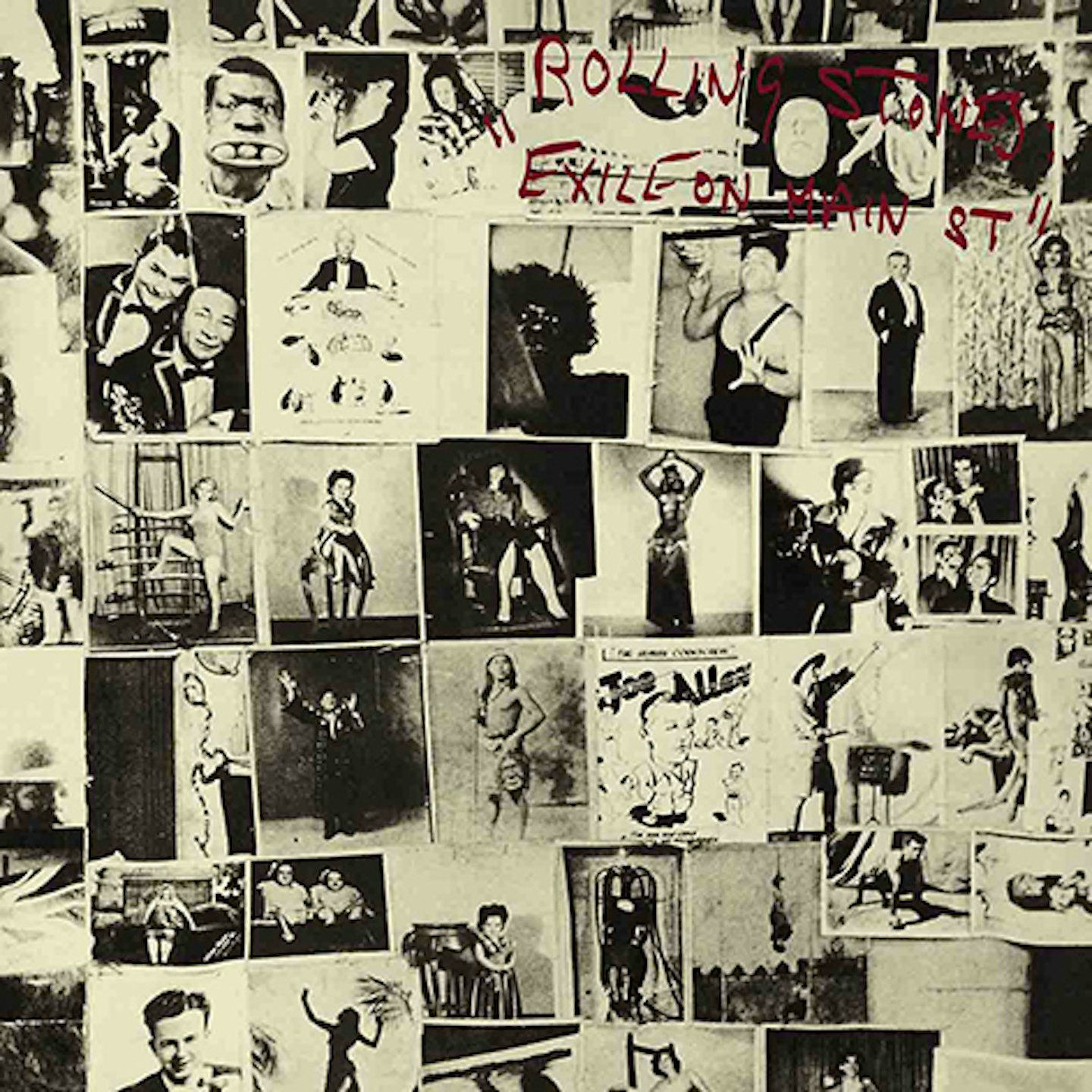
Apparently, Jagger dislikes the mix and some songs on Exile…, but for non-Stones members, its noisy sprawl of rock, soul and gospel is part of its charm. All Stones life is present on this joyous double LP: on Rip This Joint’s redux Chuck Berry grooves and Tumblin’ Dice’s exultant blues-rock shuffle to those songs (think: I Just Want To See His Face’s voodoo ceremony-meets-revivalist church hymn) that too often slip between the cracks on sides three and four.
Key track: Rocks Off
1.
Sticky Fingers
(Rolling Stones Records, 1971)
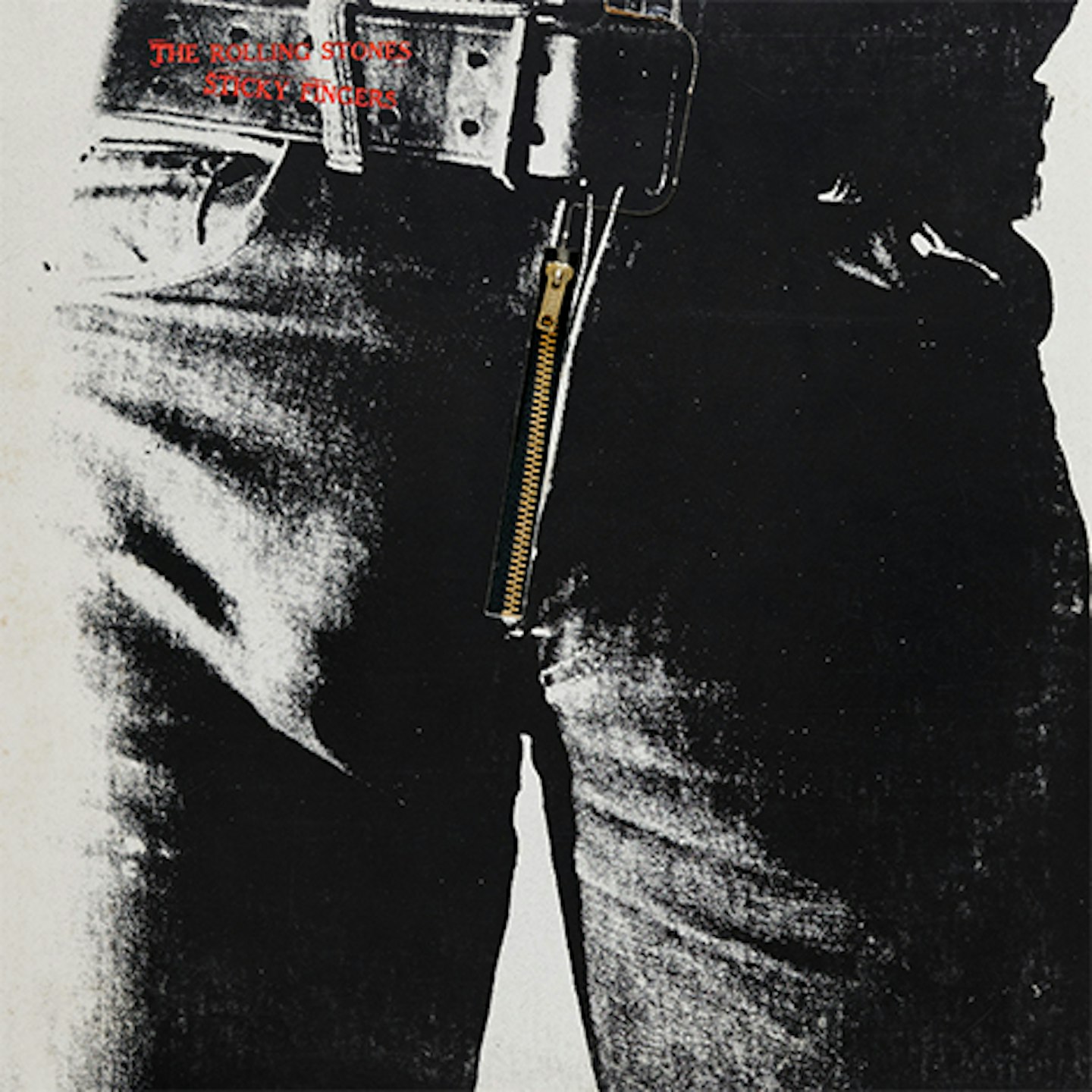
Partly recorded at Alabama’s Muscle Shoals studio, the Stones fully consummated their love affair with American music here. However, nothing, from the now partially cancelled Brown Sugar’s tale of “scarred old slavers” to Dead Flowers’ hillbilly lament ever lapses into pastiche. Instead, the Stones bring their droll British perspective to it all and, on the closing Moonlight Mile, even sound a little homesick for the Thames Delta. There are no bad songs on Sticky Fingers.
Key track: Can’t You Hear Me Knocking
.
.
.
.
.
.
“Me and Mick are very different people – and that’s what makes the gravy.”
Get the latest issue of MOJO to read our exclusive interview with Mick Jagger, Keith Richards and Ronnie Wood in full, in which they reveal the secrets behind The Rolling Stones’ ongoing saga – from the loss of Brian Jones and Charlie Watts, to on-the-road excess, almost splitting up, and why The World’s Greatest Rock’n’Roll Band aren’t done yet. “If you’re not performing what are you going to do?” they tell MOJO. More information and to order a copy for delivery wherever you are HERE!
.
.
.
.
.