

Listen to this article
Estimated 4 minutes
The audio version of this article is generated by AI-based technology. Mispronunciations can occur. We are working with our partners to continually review and improve the results.
CBC’s road trip series Land of Living Stories explores inspiring stories of community spirit from across Saskatchewan. In our latest visit, CBC-Radio Canada hit the road to Île-à-la-Crosse. This is one story in a multi-part series from that community.
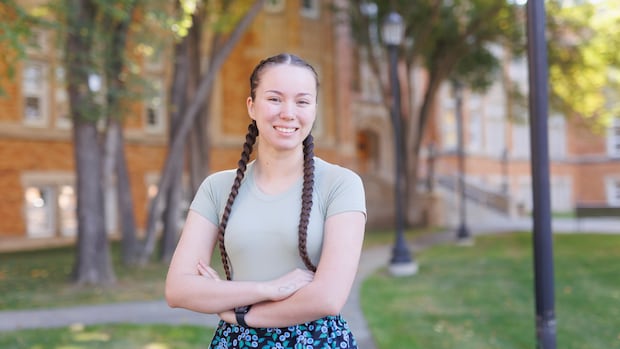
As a six-year-old growing up in the village of Île-à-la-Crosse, Sask., Haley Burnouf made her family laugh when she proclaimed she’d be a scientist when she grew up.
“We [were] laughing and saying, ‘Oh, that’s so cute,'” recalled her mother, Joanne Favel. “You know, a lot of six-year-olds are talking about how they want to be a ballerina … but Haley was wanting to be a scientist at six. Big dreams.”
Favel had tears in her eyes as she watched her 19-year-old daughter in a cap and gown, preparing to receive her diploma from Saskatchewan Polytechnic in design and manufacturing engineering technology.
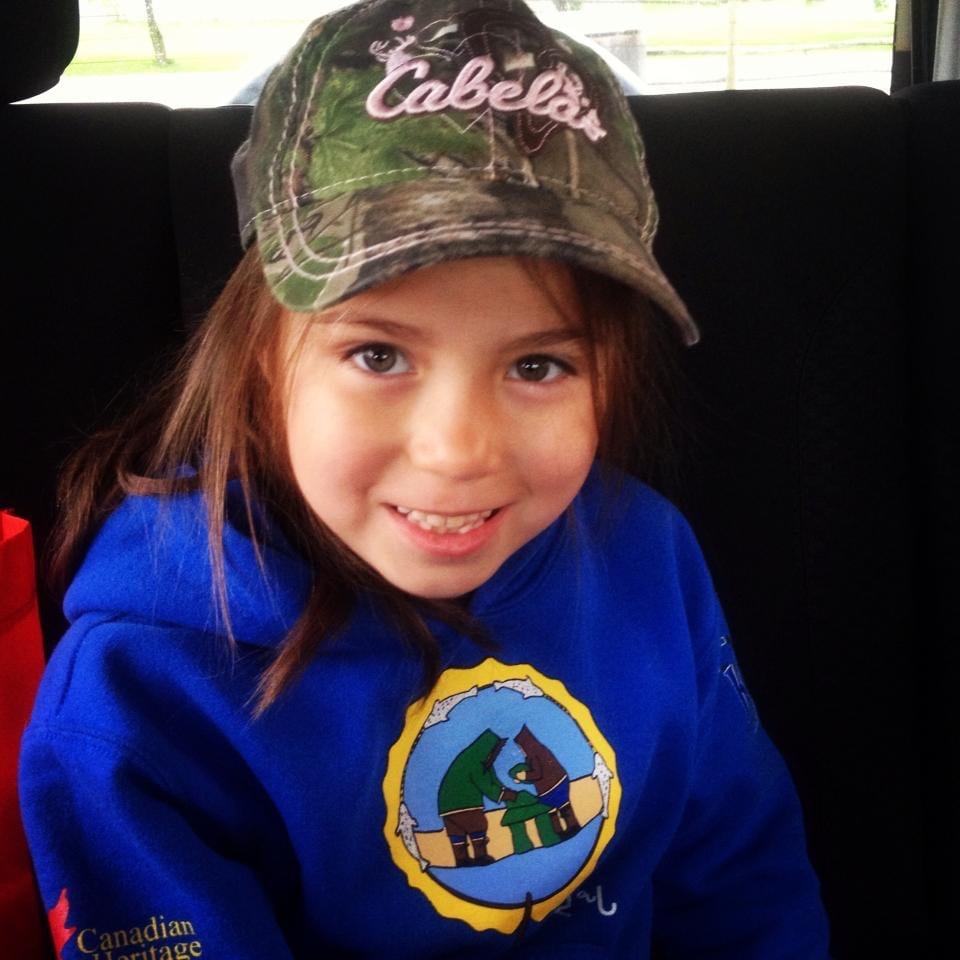 Even as a young child, Haley Burnouf dreamed of being a scientist. (Submitted by Haley Burnouf)
Like so many graduates, various small things could have prevented Burnouf from achieving this goal, including struggles with mental health and depression, and violence. When she was a young teenager, a bullet came through the window of her home right by where she slept.
Even after coming to Saskatoon for her studies, she faced an uphill battle adjusting. At times, she was tempted to quit and go home, she said.
Looking back, all of the challenges have made her stronger, Burnouf said.
“Living up north or just living in this society nowadays, you need to be tough. You need to be mentally tough, especially as an Indigenous woman.”
Favel said that’s just the kind of person her daughter is.
“She knew who she was from a very small young age, just bright and go-getting,” Favel said.
“I just couldn’t be more proud.”
WATCH | Île-à-la-Crosse inspired young graduate to pursue science: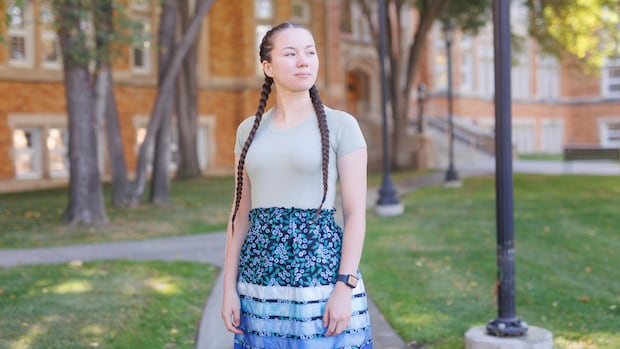
Île-à-la-Crosse inspired young graduate to pursue science
A Métis student says life in the north and exposure to wild rice harvesting gave her a passion for the sciences. Now she has graduated with an award for ‘Reconciliation in Action,’ which she says is a testament to her community.Land provides the inspiration
Burnouf’s graduation comes at a serendipitous time. Île-à-la-Crosse, a village located about 375 kilometres northwest of Saskatoon, is celebrating its 250th anniversary this summer. She said it makes her graduation feel more meaningful, and pointed to the land as her inspiration to go into engineering technology.
As a child, she would spend summers on the water, harvesting wild rice with her family.
“The land is my sacred place. I just love going back home and it’s so peaceful. I’ll sleep with my window open. I’ll hear the frogs. It’s just a very peaceful sanctuary for me,” she said.
“You gotta respect everything, every life, and in our culture, you know, even the rocks have souls. Everything is really interconnected.”
That understanding also shaped a project she’s been part of at Sask Polytech, working to create a 3D model intended to improve the design of wild rice harvesting boats.
“It’s just really nice to have my name there and to put my piece in for giving back to the north and giving back to my community,” she said.
That work saw her recognized with a Reconciliation in Action award, alongside the diploma that she’ll be putting to work at Cameco’s Rabbit Lake uranium mine.
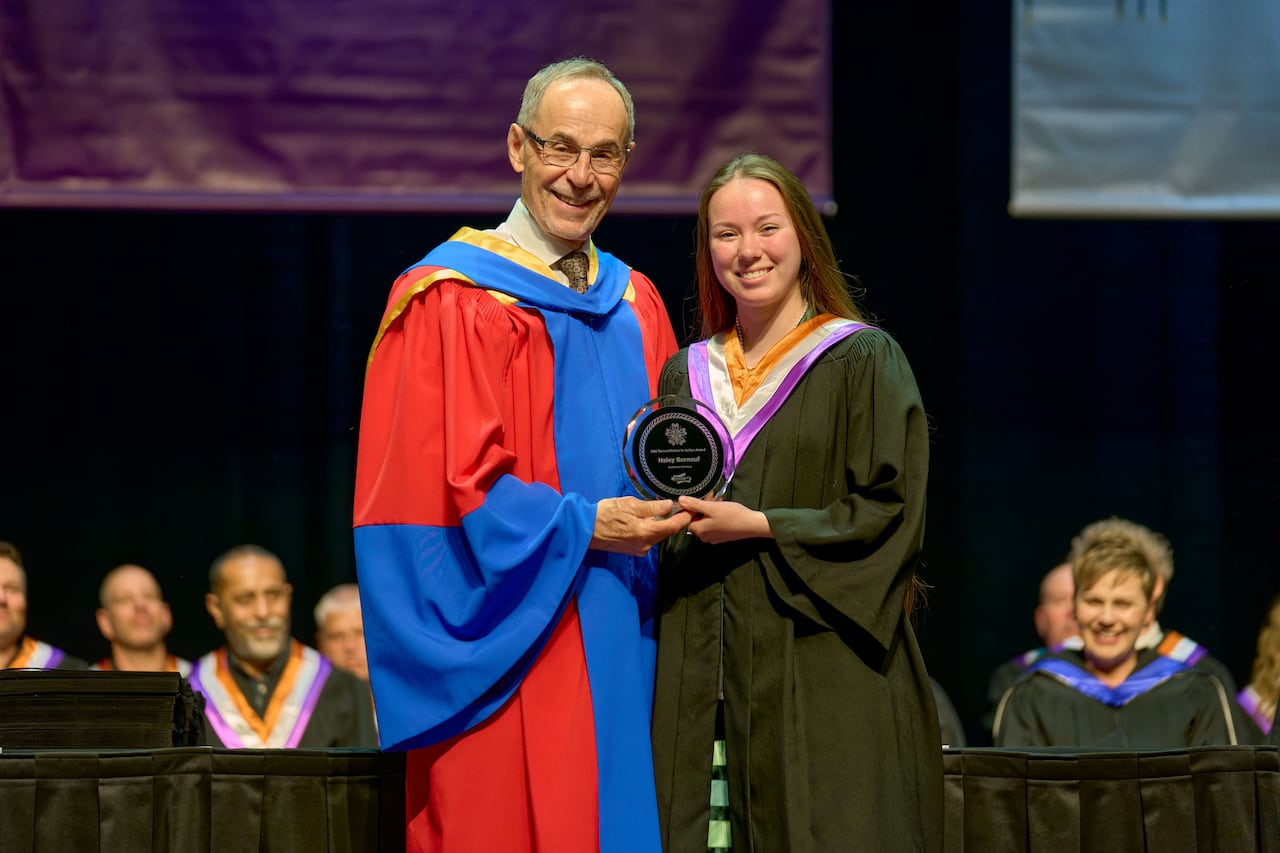 President and CEO of Sask Polytech Larry Rosia presents the 2026 Reconciliation in Action award to Haley Burnouf. (Submitted by Sask Polytech)
Burnouf crossed the stage twice on her graduation day, once to accept her diploma and then again to accept the reconciliation award.
She said she thought in that moment of all the people that brought her here, this city so far from home, where at times she didn’t think she could finish her diploma. She thought of her family, her boyfriend, her friends and all the people cheering her on as she comes home to celebrate with her village.
The glass plaque she was handed has a heavier meaning than the pound or two it weighs in her hands.
“It’s a testament to my community.”