
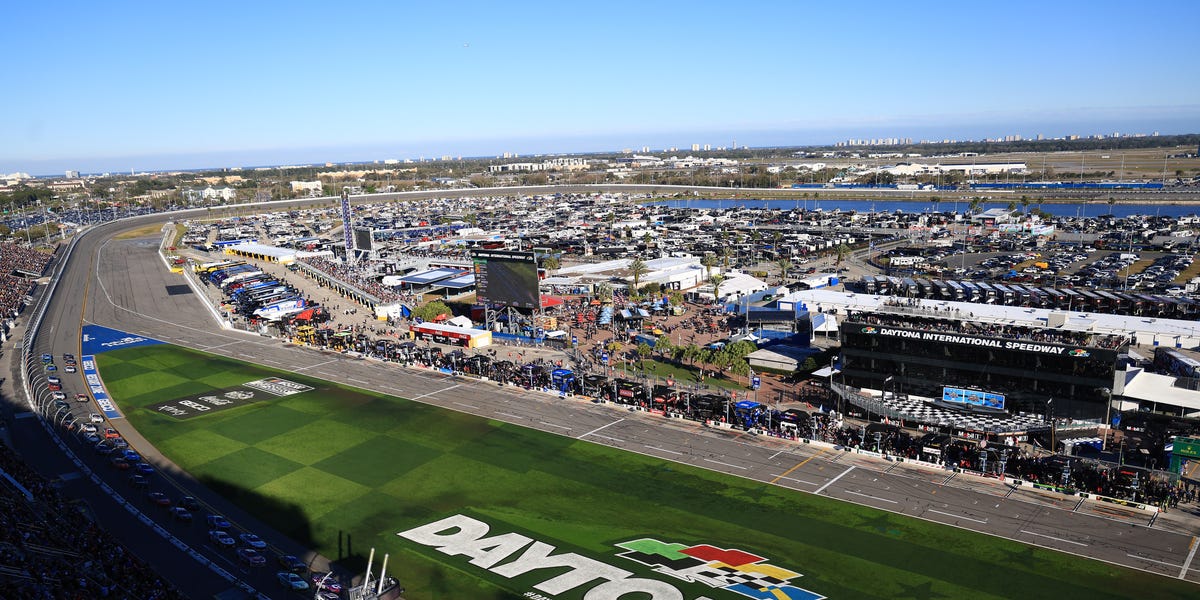
Discussions surrounding NASCAR’s Cup schedule are never ending, starting immediately after the Clash and continuing until next year’s agenda is released.
In many respects, it seems the debates go full circle. To put it simply, what was once old and unacceptable has now become the new norm.
The Chase points format used to determine the Cup champion was shelved after the 2013 season and the elimination-style post-season format was instituted. Now, after a dozen years, NASCAR has returned to the Chase, not just for the Cup competitors but for all three of its national touring series. NASCAR bid farewell to North Wilkesboro Speedway after the historic track’s fall race in 1996. The 0.625-mile track reopened with the All-Star race in 2023. Now, after 30 years North Wilkesboro once again has a Cup points race. From 1979-2021, the Clash was held at Daytona. It moved to the Los Angeles Memorial Coliseum 2022-2024, and in 2025 shifted to Bowman Gray Stadium in Winston-Salem, North Carolina. Now, the calls for it to return to Daytona have grown louder, so don’t be surprised if that happens next year.
Recently, I have been surprised by the number of people, especially competitors, saying the Cup Series should return to Daytona for July 4 and once again use its original name—the Firecracker 400. I can’t help but wonder if several of today’s competitors don’t want to return to Daytona in July because of their childhood memories.
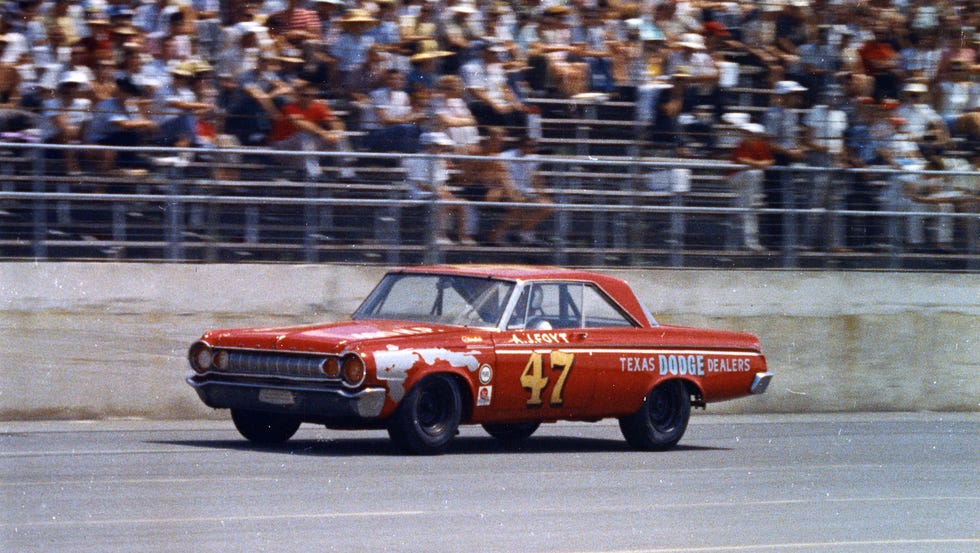 RacingOne//Getty Images
A.J. Foyt scored his first career NASCAR Grand National victory on July 4, 1964, at the Firecracker 400.
From 1959-1997, Daytona’s July race was first held at 10 a.m. and then moved to 11 a.m. Initially, it was on July 4, no matter the day of the week, and then in 1988 it was moved to the Saturday closest to the Fourth of July holiday. There were several reasons the race was originally scheduled during that time frame.
Stock car racing began as a blue-collar sport. In its formative years, there was an abundance of textile mills in the South. They would close the week of July 4th so they could switch production from summer to winter items, providing the mill workers with a week’s vacation. The morning start times were adopted in an effort to avoid the intense heat and frequent afternoon thunderstorms.
It didn’t always work, but when it did it was great because everyone, including the media, was through with their work and on the beach by 3 p.m. or 4 p.m. Then came a nice dinner and afterwards a beautiful fireworks display over the ocean. Many competitors took their families, treating it as a mini vacation.
When it was moved to a Saturday night race in 1998, I told the speedway’s public relations director they had taken the last decent race weekend we had and screwed it up. Ironically, they had to move that year’s race to mid-October due to wildfires ravaging northeast Florida along the I-95 corridor, burning nearly 500,000 acres and closing a 140-mile stretch of I-95.
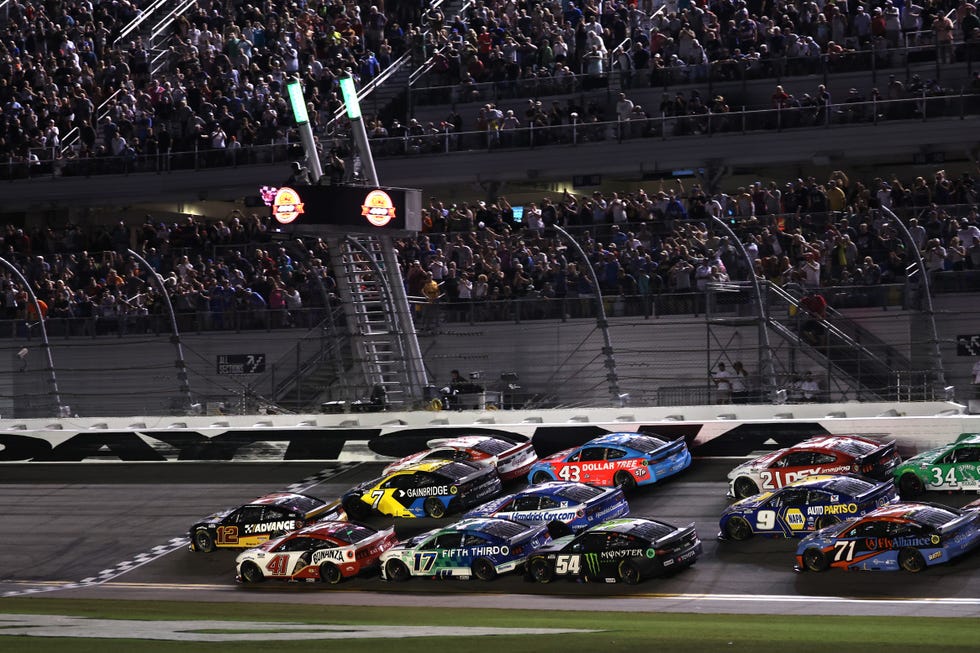 James Gilbert//Getty Images
Ryan Blaney wins the NASCAR Cup Series Coke Zero Sugar 400 at Daytona International Speedway last August.
After 2019, the Daytona race was shifted to its current August date. That way, Daytona races began and ended the regular season. With the win-and-you’re-in format, it provided suspense. However, since that no longer exists due to the Chase format, there are those who believe it should return to its traditional July date. A return to that date would work only if the race reverted to its morning start time. Unfortunately, I don’t see the media partner televising the event agreeing to a 10 a.m. or 11 a.m. start time, but it sure would be nice.

A North Carolina native, Deb Williams is an award-winning motorsports journalist who is in her fourth decade covering auto racing. In addition to covering the sport for United Press International, she has written motorsports articles for several newspapers, magazines and websites including espnW.com, USA Today, and The Charlotte Observer. Her awards include the American Motorsports Media Award of Excellence, two-time National Motorsports Press Association writer of the year, and two-time recipient of the Russ Catlin award. She also has won an award in the North Carolina Press Association’s sports feature category. During her career, Deb has been managing editor of GT Motorsports magazine and was with Winston Cup Scene and NASCAR Winston Cup Scene for 18 years, serving as the publication’s editor for 10 years. In 2024 she was inducted into the NMPA Hall of Fame.