

Listen to this article
Estimated 5 minutes
The audio version of this article is generated by AI-based technology. Mispronunciations can occur. We are working with our partners to continually review and improve the results.
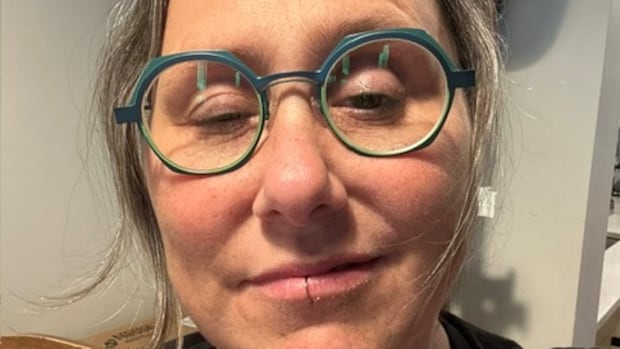
Sovay Desmarais woke up one morning to double vision. Her eyelids would only open halfway, and she knew something was wrong.
Her eye doctor confirmed something was not right — but it wasn’t an issue with her eyes. A neurologist diagnosed her with a rare autoimmune condition called myasthenia gravis, or MG, which can lead to muscle weakness, trouble swallowing and even difficulty breathing.
MG affects about 30 out of every 100,000 people in Canada, according to the Myasthenia Gravis Society of Canada. There is no known cure, the society says, but once diagnosed and properly treated, people can live fairly normal lives.
“I retired from work well before retirement age, so my life is good, but very different than what I imagined it would be,” Demaris told CBC’s On The Coast.
Different, indeed.
Desmarais said she continues to have symptoms daily. But from her diagnosis came an unusual opportunity: to use her lived experience to help reimagine the first chapter of beloved author A. A. Milne’s Winnie-the-Pooh through the lens of living with myasthenia gravis.
Demaris spoke with CBC’s Gloria Macarenko about the project, called A Bear Who Took His Time: The Myasthenia Gravis edition.
LISTEN | Sovay Desmarais speaks with CBC Radio:
On The Coast8:42Victoria woman with rare neurological condition shares expertise in reimagined chapter of Winnie-the-Pooh
Myasthenia gravis (MG) causes muscle weakness, fatigue and can affect people’s ability to move. Sovay Desmarais is a retired nurse living with MG in Victoria.
This interview has been edited for length and clarity.
Tell us a little bit more about this condition.
Myasthenia gravis is an autoimmune neuromuscular disease. So it affects the place where your nerves and your muscles communicate, and it’s your own immune system attacking that wrongfully. It can affect any muscle that you have control over. Moving arms and legs and all of those things. Some of the things we don’t think about is breathing. Breathing is actually voluntary. So that’s one of the very scary things that myasthenia can affect is your ability to breathe. Also, [difficulty] swallowing, double vision is a really common symptom as well.
How did this Winnie-the-Pooh project come about?
June is Myasthenia Gravis Awareness Month. We were doing this project in June and it’s the 100-year anniversary of that book being published. A.A. Milne’s son, Christopher Robin Milne, lived with his disease for most of his life. So it just seemed like a perfect opportunity to do something fun.
 A Bear Who Took His Time: The Myasthenia Gravis edition spotlights the rare autoimmune condition that affected the son of Winnie-the-Pooh author A.A. Milne. (Submitted by UCB Canada)
Why is this chapter called A Bear Who Took His Time?
When you’re living with a disease like this, one of the big things is the type of weakness you get in your muscles is called fatigable. So it means that the more you use that muscle, the weaker it gets. So taking time and pacing are huge parts of self-care, living with this disease, learning how to take your time, take each step as it comes. I think the story does a good job of describing that.
You participated as a consultant on the adaptive chapter. What insights and perspectives did you share?
It was quite fun. I wasn’t the only person. There were a few of us that worked on this together. And really it was just looking at those little bits in the book where you could tell Milne was writing about MG and just sort of making that a little bit clearer.
What was it like bringing this very real, sometimes invisible condition into the gentle world of the Hundred Acre Wood?
I think life can become really medical when you’re living with a condition like this. It’s nice to have something a little bit gentler and a creative outlet and feel like you’re doing something for the community and raising awareness without being overly medical.
WATCH | Fame from Winnie-the-Pooh took a toll on real-life Christopher Robin: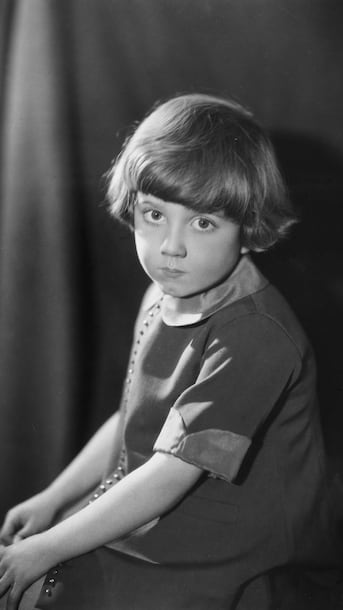
The (sad) story you didn’t learn in the Winnie the Pooh Heritage Minute
A hundred years ago, A.A. Milne first published Winnie the Pooh. It was an instant hit but the fame took a toll on the real Christopher Robin who was ‘more famous than Harry Potter in his day.’
Why do you think this story is a good vehicle to shine a light on MG?
It’s super familiar to everybody. Almost everybody knows Winnie-the-Pooh and knows Christopher Robin without a second thought. So it’s a nice way to say this condition is maybe not as obscure as you might think, when you think about the book being written about somebody with MG.
Really, it’s about awareness. Awareness of symptoms means that you will likely seek help sooner if you put some of your symptoms together yourself and say, “I wonder, I’m having this double vision that comes and goes, I wonder if it’s my myasthenia, I better talk to my doctor.”
Raising awareness also brings funding to diseases like this. And it’s a very rare disease. So getting that public awareness in order to raise funds for organizations that support people living with MG.