
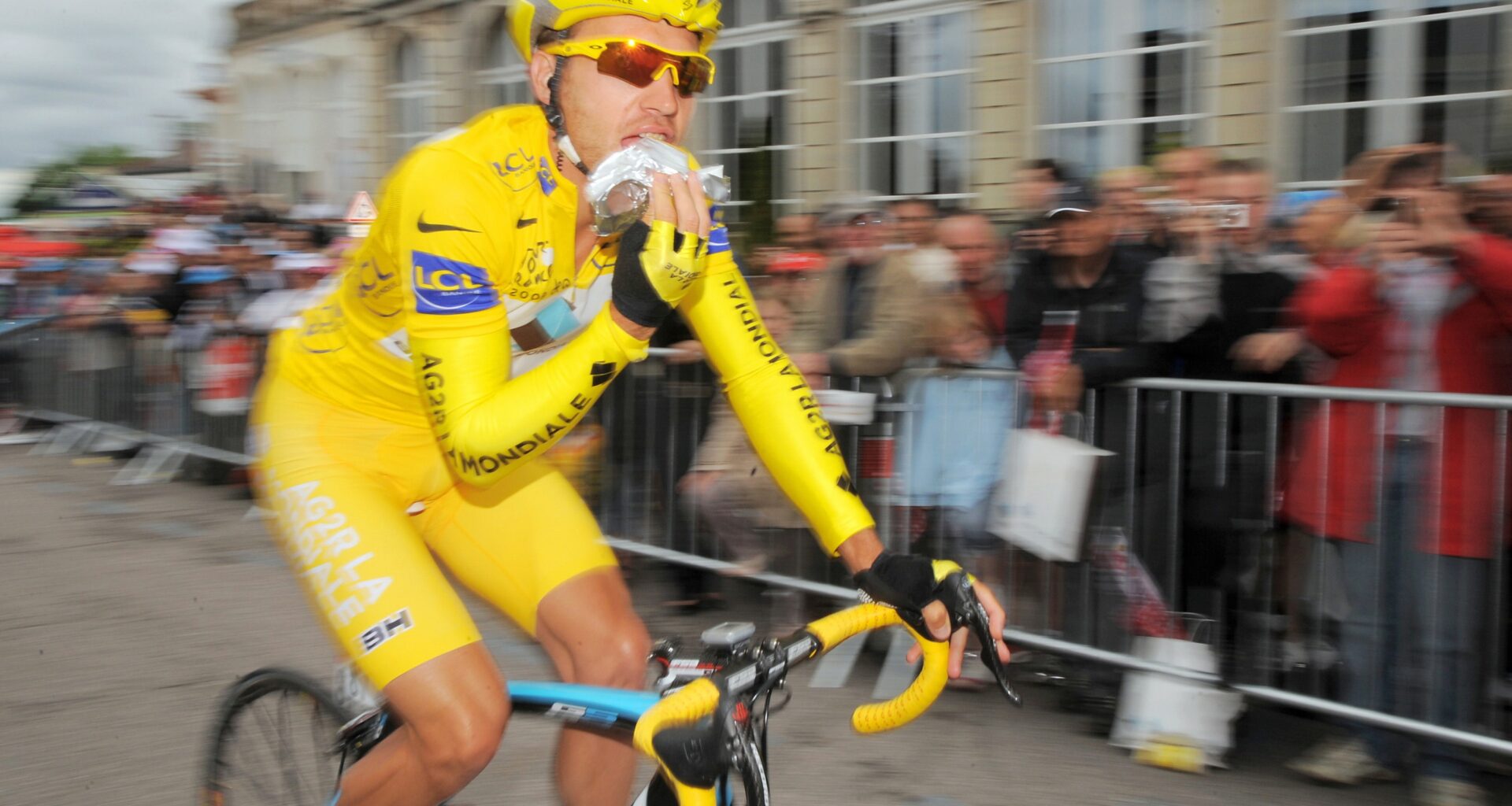
The Tour de France is one of the most physically demanding competitions across all sports. This year’s race started July 4 in Barcelona, traverses 3,333 kilometres and lasts three weeks with only two rest days. The 21-stage event features eight mountain, seven flat and four hilly courses, with cyclists averaging about 225 km on their bike and expending up to about 7,000 calories a day (the average active male burns 2,800-3,000 calories a day).
Replenishing those calories is key to sustaining the effort needed to ride with the pack over the three-week Tour, including the numerous high-intensity pushes that can last anywhere from a few seconds to several minutes. Success in the Tour is often attributed to the ability to produce and sustain the intensity needed to hold or improve position, so making sure the body is well fuelled is important. And since a common team strategy is to push the pace early to tire out the competition, maintaining the energy needed to sustain power output later in the day has become even more important.
“Nutrition support is increasingly recognized as a critical performance factor in road cycling,” said authors of the review Race Nutrition for Road Cycling published in the International Journal of Sport Nutrition and Exercise Metabolism. The review outlines “recent advances in race nutrition support for professional road cycling, emphasizing individualized, context-specific strategies over generic recommendations.”
Acknowledging the significance nutrition has on athletic performance, almost all professional cycling teams now invest in nutritional support during the Tour, including specialized chefs and dieticians. The goal is not only to sustain energy levels while on the bike, but also to adequately refuel in anticipation of the next day’s efforts. That’s not easy given cyclists have a short window to recover from the day’s efforts and refuel for the next morning. Hence, the need for well thought out strategies designed to postpone fatigue and recover energy.
Editor’s Picks
The most substantial change in fuelling practices in the last couple decades is the increase in the amount of carbohydrates consumed on the bike. It has long been acknowledged carbs are the primary source of fuel during exercise, delaying fatigue and re-energizing working muscles. Yet until a couple of decades ago, most Tour riders focused on getting the necessary calories and carbohydrates before and after getting on the bike, only consuming about 64 grams of carbs an hour during the race. Most cyclists competing in the 2026 Tour will be consuming 90-120 grams per hour on their most physically demanding days and about 10 grams per hour on rest days when they are not on the bike.
“Ingesting carbohydrates and fluid during stages will not only support performance that day, but also helps significantly toward managing overall energy and nutrient needs over the course of the one to three weeks of stage racing,” said the authors of the race nutrition review. “Carbohydrate will still be absorbed and will be available immediately after exercise, faster than any recovery meal that is ingested after the end of training or after crossing a finish line.”
Let that be a cue for all cyclists spending an hour or more on their bike. Even if you’re not climbing mountains, sprinting in a time trial or spending six hours on your bike several days in a row, there’s a lot the average weekend warrior can improve upon when it comes to replenishing their energy needs during and after a long ride. Don’t skimp when it comes to fuelling while on the go. Use carbohydrate loaded drinks, gels, chews or solid food, testing them to see which are better tolerated and easiest to consume while on the bike. Avoid combining those carbs with fibre, high fat and protein laded foods or drinks that slow down the delivery of carbs to the working muscles.
General guidelines for recreational endurance athletes exercising more than 60 minutes are to ingest 30-60 grams of carbohydrates per hour, with higher intensity efforts demanding closer to 60 grams. Refuel early to keep carbohydrate levels stable, versus trying to catch up once energy levels dip. Workouts under 60 minutes don’t require refuelling while exercising, though there is a small body of evidence suggesting a small top up of carbs can help reduce fatigue in high-intensity efforts lasting 45-75 minutes. If you’re not used to consuming high levels of carbs while exercising, start with more modest amounts and slowly increase to improve tolerance, which nutrition experts call gut training.
“It makes sense to focus on good carbohydrate availability for sessions requiring high intensity or high levels of technique and skill, while noting that it is less important during lower intensity workouts or the conditioning sessions at the beginning of a season,” said the authors of a Journal of Sports Science article, Carbohydrates for Training and Competition.
Even if there are no yellow jerseys awarded at the end of your ride, keeping well-fuelled while on the bike makes those long rides more enjoyable, especially if you plan to be back on your bike the next day. Choose your carbs wisely and refuel often to maximize energy levels and recover for the next day.