

Listen to this article
Estimated 2 minutes
The audio version of this article is generated by AI-based technology. Mispronunciations can occur. We are working with our partners to continually review and improve the results.
The federal government is investing $2 million to combat organized crime in Indigenous communities in Quebec.
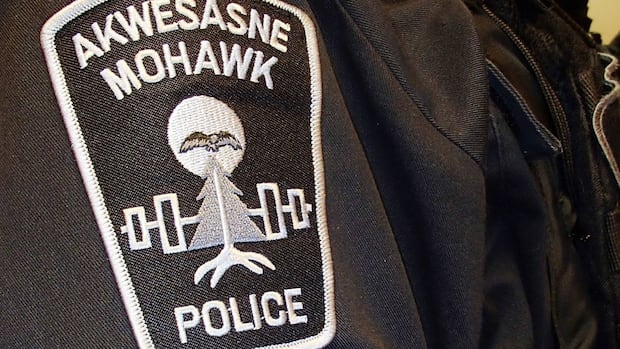
The funding is for the 2026-27 fiscal year and will allow for eight Indigenous police forces to integrate into various specialized Sûreté du Québec (SQ) and intelligence units. A provincial police officer will also be assigned to work with the Akwesasne Mohawk Police Service.
The announcement was made at a news conference in Wendake, near Quebec City, Wednesday evening.
Quebec Domestic Security Minister Ian Lafrenière, who is also responsible for relations with the First Nations and the Inuit, emphasized the need for collaboration to stop criminal networks.
“We need to share intelligence, it’s not going to happen just by itself,” he said. “We need to be united.”
The teams will focus on addressing firearms and drug trafficking, and money laundering.
Authorities have targeted certain regions for operations including the Abitibi, the North Shore, the Gaspé Peninsula, the cities of Saguenay and Quebec City, and communities south of Montreal.
“Our message is clear: Organized crime, this is over. We’re going to work together to kick you out from those communities because you’re not welcome, not welcome at all,” Lafrenière said.
‘Renewed hope’
Listuguj police Chief William Moffat welcomed the announcement.
“Today’s announcement gives me renewed hope for First Nations and Inuit police services,” Moffat said.
“Far too many of our communities are facing a devastating addiction epidemic. Drug traffickers, organized crime, continue to exploit vulnerable individuals and families, profiting from addiction and undermining the safety and well-being of our people.”
Pierre Simard, the executive director of the Association des chefs policiers première nations et inuits, said this kind of investment is something Indigenous police forces have been asking for for years.
“We need specialized tools, solid partnerships … but most importantly a response built by those who know the terrain. Indigenous police have to be at the heart of these initiatives,” he said.