

Listen to this article
Estimated 2 minutes
The audio version of this article is generated by AI-based technology. Mispronunciations can occur. We are working with our partners to continually review and improve the results.
The Canadian Transportation Agency (CTA) has approved the construction of a railway bypass in Lac-Mégantic Que., 13 years after the deadly rail disaster killed 47 people and left much of the downtown incinerated.
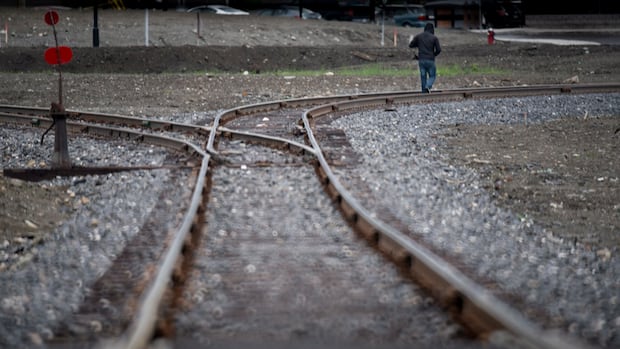
The project will include 12.5 kilometres of new track and related infrastructure to permanently reroute trains from downtown Lac-Mégantic, where the train carrying crude oil crashed in 2013.
The city initially proposed the construction of a bypass after the derailment and both the government of Canada and Quebec committed to financing the project in 2018.
The CTA’s decision comes after a months-long public consultation process conducted by the CTA, and engagement with Indigenous communities who may be affected by the project carried out by Transport Canada.
In a news release published Thursday, Federal Transport Minister Steven MacKinnon called the approval of the construction a “significant step forward” for residents of Lac-Mégantic.
“This decision brings us closer to the start of construction on a long-awaited project that will help improve the community’s safety and quality of life,” he said.
For years, some residents surrounding Lac-Mégantic have opposed the bypass system — highlighting its potential impact on their property and environment.
At one consultation session in December, citizens voiced concerns about the environmental impact of the proposed route, and the potential damage to wetlands and water supply.
The CTA’s report states it hired environmental consultants to conduct a hydrogeological assessment of the proposed route and shared the results with affected communities. The report also sets out conditions to mitigate the environmental impact of the construction.
The agency concluded that the location of the bypass is reasonable, taking into account “the interests of the localities and Indigenous communities” and that its construction will serve the regional and national economy.
The agency says it will publish detailed reasons for its decision in August.