
‘Individuals experiencing severe or worsening shortness of breath, chest pain, dizziness, confusion, or symptoms that do not improve should seek medical attention,’ said hospital official
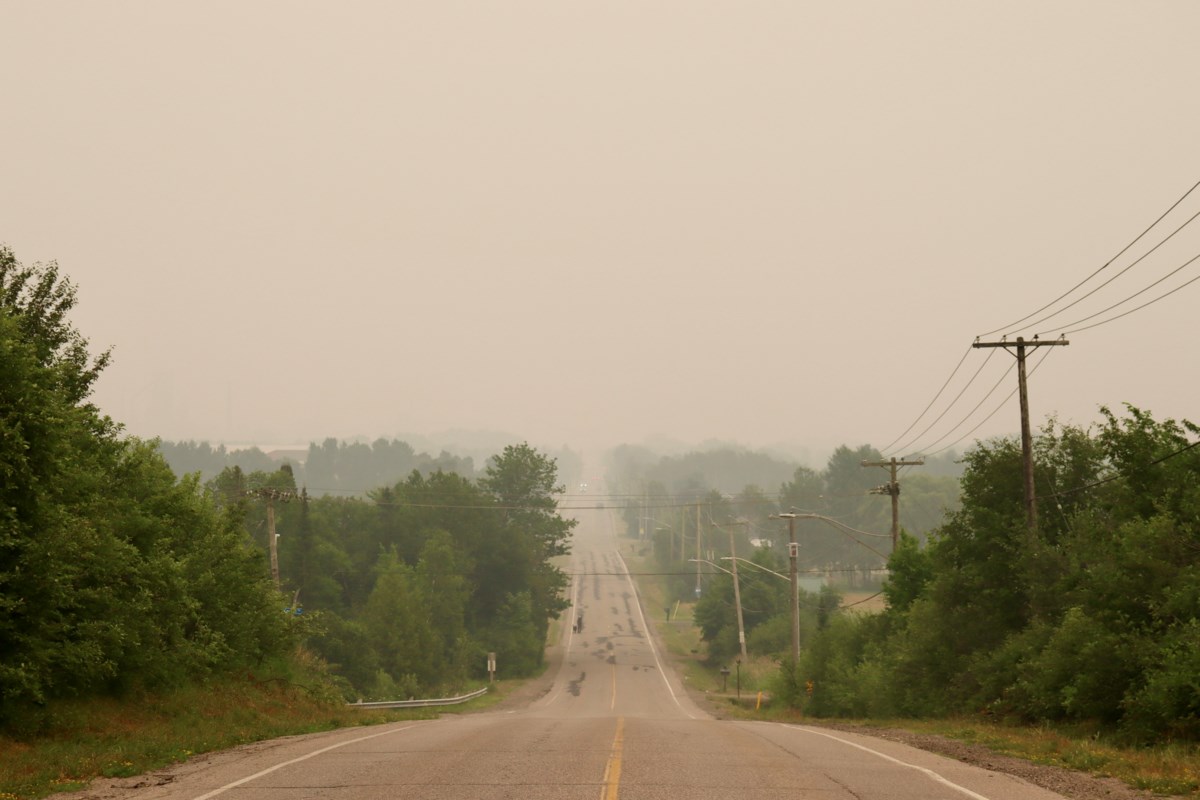
In the city’s second straight day under an orange-level air quality alert, Sault Area Hospital said it has seen a “small number” of patients for related symptoms.
Officials say these patients are seeking care for symptoms “that may be associated with poor air quality, wildfire smoke exposure, and extreme heat conditions” – but would not state the specific number that have come through the hospital doors.
“To protect patient privacy, we are not providing specific patient numbers or individual details,” said Brandy Sharp Young, director of corporate affairs and patient engagement.
“Given the small number of patients and the size of our community, sharing additional details could risk identifying individuals.”
While there have been “no significant increases in hospital admissions” following the drop in air quality this week, Young said people experiencing certain symptoms should seek care.
“Individuals experiencing severe or worsening shortness of breath, chest pain, dizziness, confusion, or symptoms that do not improve should seek medical attention,” she said.
Exposure to wildfire smoke can cause eye and throat irritation, coughing, runny nose, headaches, and – for some – worsening existing heart or lung conditions.
Serious symptoms can include difficulty breathing, wheezing, chest pain, dizziness, and heart palpitations.
With wildfire smoke blanketing the city, the hospital encourages residents to monitor air quality advisories, limit outdoor activities, close windows and doors when possible, as well as utilizing air filtration or N95 respirators during periods with elevated wildfire smoke.
“We encourage residents to follow the guidance provided by Algoma Public Health during periods of poor air quality,” Young said.
“People at higher risk—including older adults, infants and young children, pregnant individuals, those with heart or lung conditions, and people who work outdoors—should take extra precautions.”