
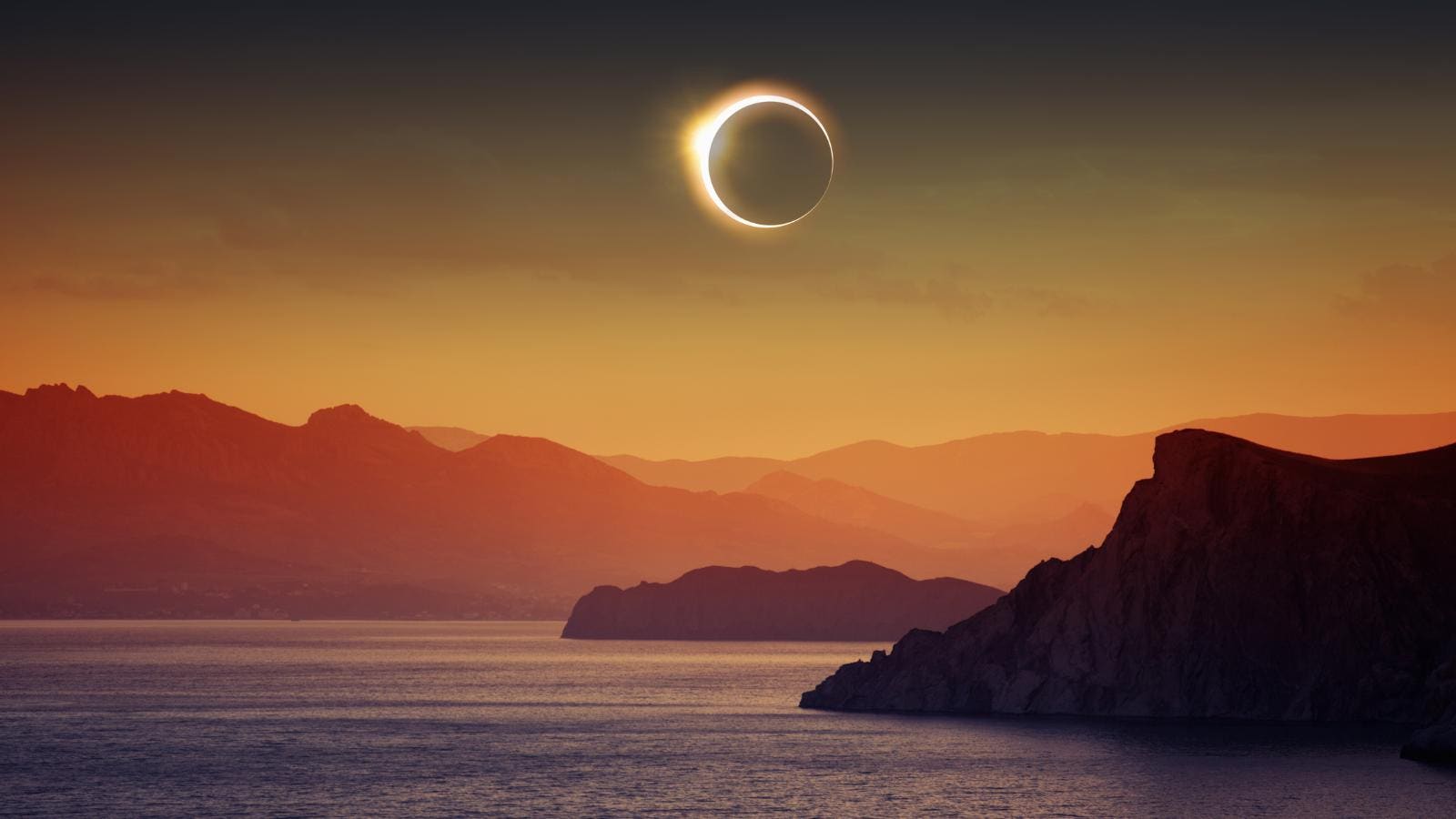
A total solar eclipse will sweep across parts of Europe on August 12, creating a rare opportunity to pair a summer vacation with one of nature’s most spectacular celestial events. While August is already peak travel season, the eclipse has made destinations from Iceland to Spain especially popular among astrotourists, with lodging searches along the path of totality up 245% year over year, according to Expedia Group. Whether you’re planning a dedicated eclipse getaway or adding the event to an existing Mediterranean or Nordic itinerary, there’s still time to book a last-minute trip if you know where to stay, where to watch and how to prepare.
Which Eclipse Destination Is Best? Spain: Sunny Weather And A Variety Of Viewing Locations
Your solar eclipse viewing experience will look vastly different depending on which country you choose. If you want predictable sunny weather, a wide range of accommodations and a variety of viewing locations, Spain is your best bet. While 40% of the country falls within the path of totality, some of the best places to see it from are Bilbao, Zaragoza, parts of Catalonia and the island of Mallorca. Mallorca is forecasted to be one of the most popular viewing destinations, thanks to its high mountain peaks and sandy coastline and the eclipse’s rare convergence with the sunset. While many hotels are fully booked, there is still limited availability at the Grand Hotel Son Net and The St. Regis Mardavall Mallorca Resort, which are featured in our guide to the Best Hotels In Mallorca.
Old town Palma de Mallorca, with a view of the famous Cathedral La Seu.
Getty Images
Want to read this story later?
Get a link sent straight to your inbox.
Remind Me
We’ve sent this story to your inbox.
If you’re unable to book a hotel along the path of totality, you can still experience the eclipse by using Barcelona or Madrid as your base and traveling to see the event by train or rental car. Barcelona is a little over an hour’s drive to Reus, while Madrid is about a 75-minute high-speed train ride away from Zaragoza. Even closer, the northernmost suburbs of Madrid like San Sebastián de los Reyes are in the path of totality and just 30 minutes from the city center.
In Barcelona, consider Hotel Neri, set in an 18th-century aristocratic house in the ancient Gothic Quarter, or The Hoxton, Poblenou for something more design-centric and modern. Our top hotel picks for Madrid include the elegant Rosewood Villa Magna and the family-friendly Petit Palace Lealtad Plaza. Another major advantage of going this route is being able to combine your trip with a stay in Portugal, France or elsewhere in Europe. (While the northeastern tip of Portugal is technically located within the path of totality, we don’t recommend traveling there solely for eclipse viewing, as totality will only last for roughly 26 seconds.) But other European destinations will still be close enough to catch a good view: Paris will experience a deep solar eclipse with 92% of the sun covered by the moon, with Lisbon and Florence expected to have about the same.
Iceland: Cinematic Landscapes, But Fewer Lodging Options
There are fewer lodging options in Iceland, driving higher prices and less availability. Overall, average daily hotel rates are approximately $610 in Reykjavík compared to $285 in Valencia and $405 in Mallorca, according to Melanie Fish, VP of public relations for Expedia Group Brands. However, Iceland presents a unique setting that could make it worth the added expense. Glaciers, lava fields and black-sand beaches create an especially cinematic backdrop. “With Iceland’s already dramatic, otherworldly landscapes, it will be an incredible place to experience the eclipse,” says Matt Stevens, VP of United Airline’s international network, whose flights from Chicago, Washington, D.C. and Newark to Reykjavík are nearly completely booked (The airline also reports bookings to Spain and Iceland are up 50% overall).
Kirkjufell Mountain on Iceland’s Snæfellsnes Peninsula.
Getty
While Reykjavík lies in the eclipse’s path, the totality phase will last about one minute. For a longer experience, astrotourists should head to Western Iceland, including the Snæfellsnes Peninsula, Reykjanes Peninsula and the Westfjords, which are between one to four hours away by car. If you don’t want to rent a car, there are a number of day tours available. We recommend staying in the industrial-chic Exeter Hotel, located in downtown Reykjavík’s Old Harbour district.
How To Safely Watch The Solar Eclipse
The number one consideration when observing a total solar eclipse is eye safety. “The only safe way to look directly at the uneclipsed or partially eclipsed sun is through special-purpose solar filters, like eclipse glasses or handheld solar viewers,” says Dr. Susanna Kohler, director of communications and media relations at the American Astronomical Society (AAS). “These filters are at least a thousand times darker than normal sunglasses and are necessary to protect your eyes from serious injury.”
The AAS recommends using eclipse glasses or handheld solar viewers that meet the ISO 12312-2 safety standard and maintains a list of approved manufacturers (including this highly rated pair from Rainbow Symphony). The only time it’s safe to view the sun with the naked eye is during the brief totality phase. “While the sun is entirely eclipsed, it is safe to view it without eye protection—and that’s the most magical time to witness,” says Kohler. “You should then put the glasses back on when the sun reemerges.”
One final tip: Plan your eclipse day logistics well in advance. “For anyone traveling for this summer’s eclipse, plan where you’ll watch the eclipse ahead of time and get there early to stake out your spot,” Fish says.