
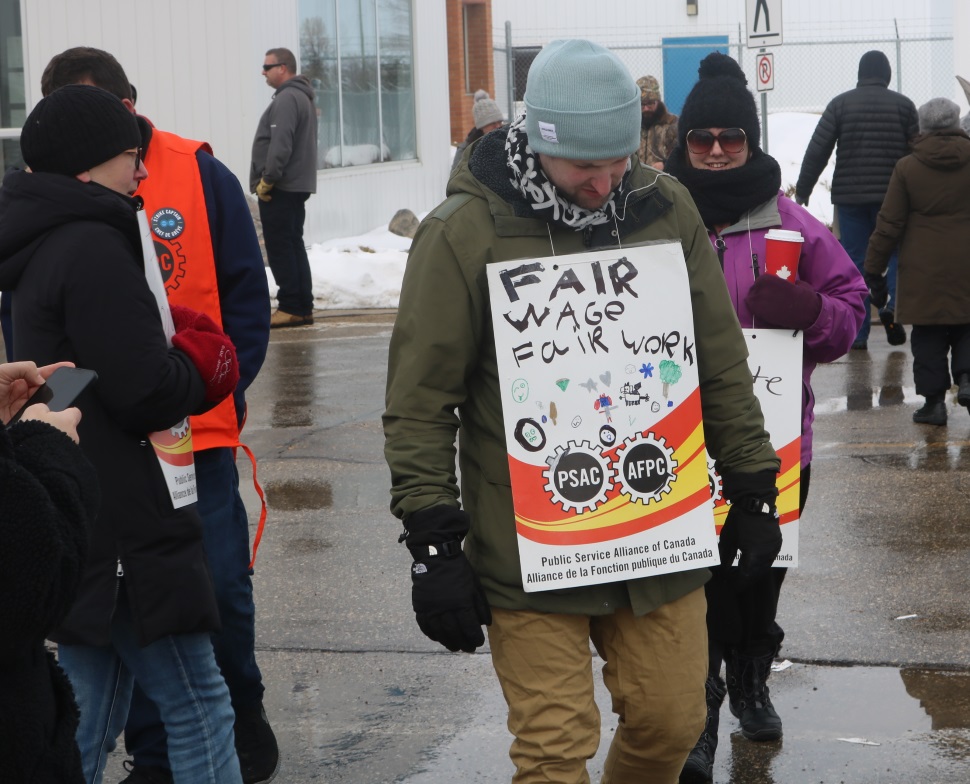
The federal government is launching a second round of consultations on possible changes to Canada’s labour relations framework, including strike rules, collective bargaining and protections for workers.
Jobs and Families Minister Patty Hajdu and Secretary of State for Labour John Zerucelli announced the summer consultation process following an initial round of engagement held in spring 2026.
The government says the next phase will seek additional feedback from workers, unions, employers, Indigenous partners and other stakeholders in federally regulated industries.
Labour Code provisions under review
The consultations will examine several areas of federal labour policy, including Section 107 of the Canada Labour Code.
That section allows the federal labour minister to take certain steps during labour disputes, including referring questions to the Canada Industrial Relations Board.
Other issues under consideration include expedited grievance arbitration, allegations of bad-faith bargaining, the length of strike or lockout mandates and the process for establishing first collective agreements.
The government will also seek feedback on paid medical leave, wage theft and enforcement measures.
Related Stories:
Written submissions accepted
Interested workers, organizations and other parties in federally regulated sectors can submit written feedback until Aug. 2.
The government will also hold targeted roundtable discussions with employers, unions, employee groups, Indigenous partners and other stakeholders.
Hajdu said the second round will allow the government to examine key issues in greater detail and confirm feedback received during the first phase.
“These consultations will go deeper on important issues and validate earlier feedback so that our labour relations framework reflects workers’ and employers’ needs,” Hajdu said in a release.
Zerucelli said the process is intended to identify the tools and supports workers need in changing workplaces.
Report to guide next steps
Feedback from both rounds of consultation will be included in a “What We Heard” report.
The government says the findings could help shape future policy, regulatory or legislative changes, although no specific amendments have been announced.
Ottawa said it remains committed to protecting workers’ rights, including the right to strike, while ensuring federally regulated workplaces remain fair, safe and productive.
More than one million workers covered
Federally regulated industries include air, rail, road and marine transportation, banking, telecommunications, postal services and courier operations.
The federal private sector includes more than 22,000 employers and over one million workers across Canada.