
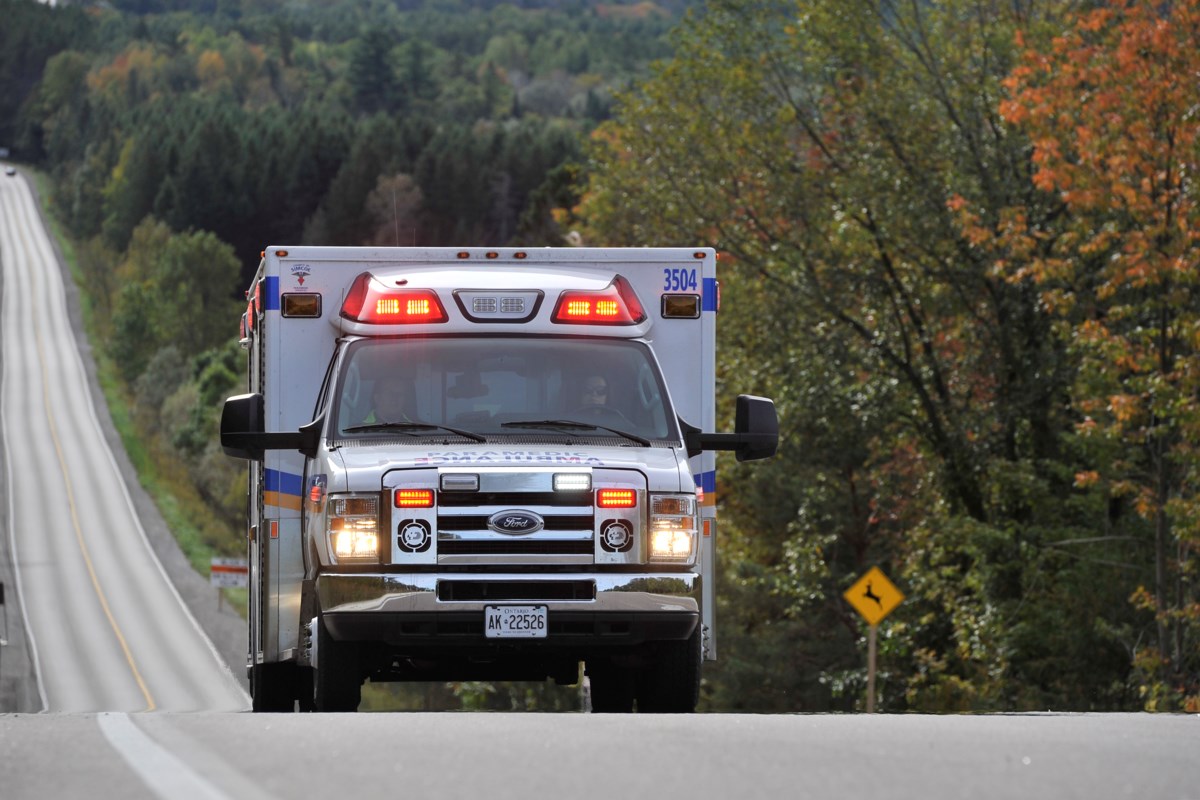
An Orillia resident is sharing her family’s experience with Ontario’s health care system, saying her father survived a lung transplant that left him permanently disabled
OrilliaMatters welcomes letters to the editor at [email protected] or via the website. Please include your full name, daytime phone number and address (for verification of authorship, not publication).
My father survived the transplant. What nearly killed him — and continues to threaten his life — was everything that came after.
The Betrayal of the Ontario Health Care System
In early 2025, under the care of a local Orillia respirologist and chronic disease specialist, my father was told that his pulmonary fibrosis was progressing rapidly. There was no cure. The only treatment that offered hope for a longer life and an improved quality of life was a lung transplant.
Like countless Ontario families, we placed our trust in our health care system. We believed that after years of medical advancements and the expertise available at one of Canada’s leading transplant centres, my father would be given the opportunity to reclaim his life.
On October 31, 2025, my dad received a single left lung transplant at Toronto General Hospital. It should have marked the beginning of a new chapter.
Instead, it became the beginning of our family’s nightmare.
Immediately following the completion of the transplant, my father had to be rushed back into the operating room for emergency, life-saving surgery after two arteries were damaged, causing catastrophic internal bleeding. Although he survived, this was only the first in a long series of devastating complications that would follow.
What happened over the months that followed cannot be explained by one difficult surgery alone. It exposed something far more troubling: a health care system that too often fails patients after the operating room lights are turned off.
Our family witnessed serious postoperative complications, prolonged hospitalizations, severe delirium, repeated setbacks, fragmented communication between care teams, and a level of care that often felt reactive rather than proactive. We found ourselves constantly advocating for timely assessments, coordinated care, and basic interventions while trying to support a man who was fighting simply to survive.
Today, my father is permanently disabled.
He can no longer walk independently. He requires assistance with bathing, dressing, toileting, eating, and many of the everyday tasks that most of us perform without a second thought. The man who once lived an active, independent life now depends on others for nearly every aspect of his daily care.
A lung transplant is never promised to be easy, and every family understands that serious complications can occur. What is far more difficult to accept is when preventable failures in communication, continuity of care, and accountability compound those complications, leaving patients and families to bear consequences that last a lifetime.
Just when we believed we had endured the worst, another devastating revelation emerged.
In the spring of 2026, our family learned that the donor lung transplanted into my father had tested positive for Epstein-Barr virus (EBV), along with other viral findings. My parents were never informed of these results before the transplant. They were never given the opportunity to discuss the associated risks with the transplant team or to decide whether they wished to proceed with this information in hand.
Informed consent is one of the cornerstones of ethical medicine. Patients have the right to understand the known risks associated with a procedure before making one of the most significant decisions of their lives. We continue to struggle with the fact that this information was never disclosed to our family before the transplant took place.
In the months following his transplant, my father was diagnosed with post-transplant lymphoproliferative disorder (PTLD), a rare but life-threatening complication associated with Epstein-Barr virus in transplant recipients. Today, instead of rebuilding his life after receiving the gift of a donor lung, he is fighting aggressive lymphoma and undergoing chemotherapy.
Our family recognizes that transplantation is an inherently complex field of medicine and that not every complication can be prevented. We also understand that donor organs are precious and that difficult decisions must often be made. However, transparency is not optional. Patients deserve honest conversations about known risks and the opportunity to make fully informed decisions before consenting to treatment.
The greatest tragedy is that my father entered the transplant process seeking more time with his family and a better quality of life. Instead, he has lost his independence, become permanently disabled, and is now fighting a second life-threatening illness while undergoing chemotherapy.
The gift of organ donation is one of the greatest acts of human generosity. My father’s donor and their family gave him an extraordinary opportunity — a chance to live. That gift deserved to be honoured with exceptional, coordinated care, open communication, and complete transparency throughout his recovery.
Instead, our family was left navigating a system that too often felt fragmented, overwhelmed, and incapable of protecting its most vulnerable patients.
This is not simply my father’s story. It is the story of a health care system that asks patients to place absolute trust in its hands while too often failing to provide the communication, continuity, and accountability that every patient deserves.
Ontario’s health care system is built on public trust. When that trust is broken, patients lose far more than confidence — they lose their health, their independence, and, sometimes, the future they believed they still had.
My father’s story deserves to be heard, not because it is unique, but because it isn’t. Until we are willing to confront the systemic failures that continue to exist within our health care system, more families will find themselves asking the same heartbreaking question:
How did surviving the transplant become only the beginning of the tragedy?
Katie Maracle
Orillia