
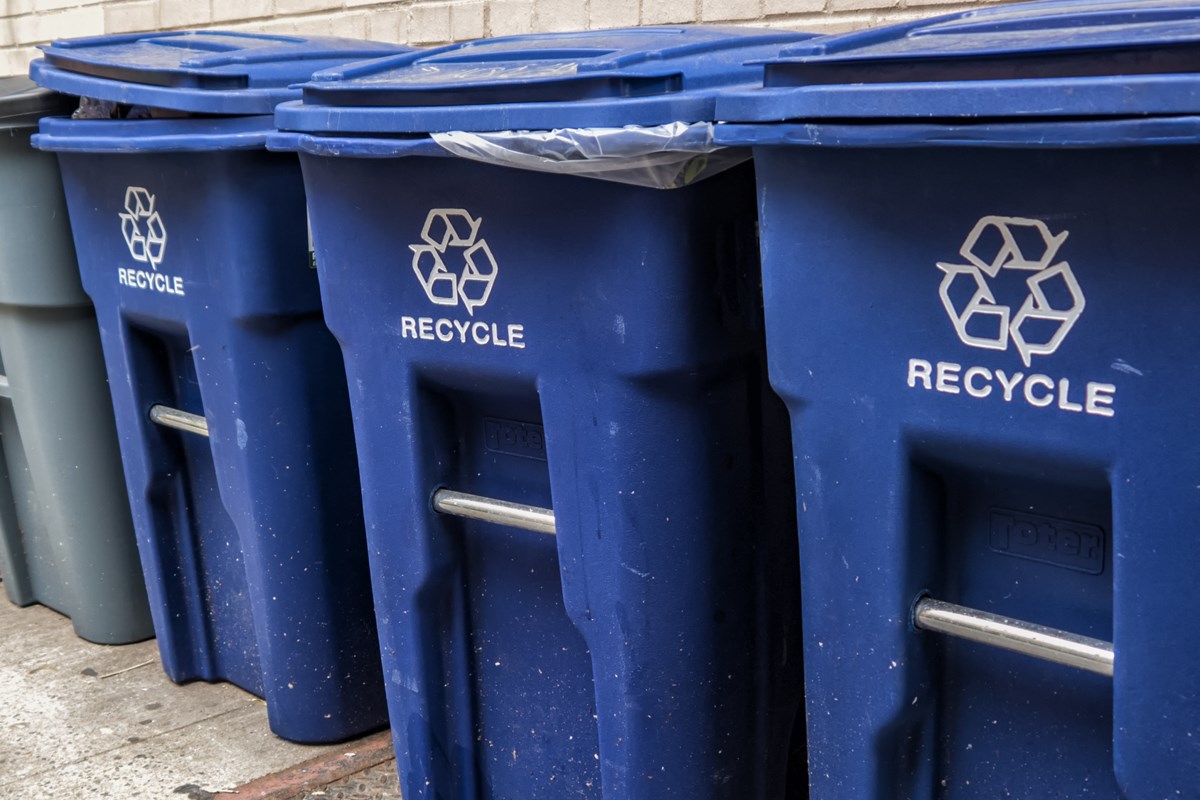
Ontario’s recycling program now accepts several items that were not recyclable before
NEWS RELEASE
CLEAN NORTH
***********************
Local environmental group Clean North is encouraging Sault Ste. Marie residents to take a fresh look at what belongs in their recycling bin. As of January 1, 2026, Ontario’s recycling program began accepting many items that were not previously recyclable, making it easier than ever to divert waste from the landfill.
“Many residents may not be aware that the city no longer runs recycling,” said Clean North chair Bill Cole. “It’s now the responsibility of Circular Materials, a province-wide producer responsibility organization. And many people are still following the old recycling rules. For multiple reasons, it’s important for us to take a few minutes to learn the new ones.”
He noted that there’s a handy search tool on the Circular Materials site that you can use to confirm if something’s recyclable: https://www.circularmaterials.ca/resident-communities/city-of-sault-ste-marie/.
“Expanding recycling couldn’t be more timely for Sault Ste. Marie,” Cole said. “Our landfill is nearing capacity, and the City is examining expansion options that could cost tens of millions of dollars. Every recyclable item that stays out of the trash helps extend landfill life and reduce the amount of waste that must be buried.”
Some items that city residents may not know are now recyclable:
Soft plastic bags and overwrap around packages of toilet paper, paper towels, flats of cans/bottles, appliance boxes, etc.; but one important caveat—these soft plastics go in the cardboard/paper side of the bin for sorting reasons
Plastic plant pots and seedling trays
Styrofoam meat trays (remove, rinse, and toss plastic liner pad)
Plastic caps and lids from bottles and jars
Clear plastic food clamshells
Plastic takeout containers
Prescription medication bottles (must be empty)Many other rigid plastic packaging items (again always confirm first on the Circular Materials site)
Residents should also remember that recyclable containers should be empty and reasonably clean. Food residue can contaminate other recyclable materials and reduce their value.
Examples of materials that still must stay out of your recycle bin:
Alcohol containers (return to LCBO or the Beer Store)
Packing peanuts, which blow away easily and may be made from compostable cornstarch instead of styrofoam
Lids of pizza boxes that are heavily coated with grease and cheese
Broken window glass
Drinking glasses, glass cookware, mirrors, ceramics and dishes
“One technically recyclable item we wish people wouldn’t recycle is receipts,” Cole said. “Receipts printed on thermal paper often contain bisphenols, such as BPA or BPS, and some receipt papers have also contained PFAS chemicals. Those chemicals can then end up in recycled paper products like tissues and toilet paper. So until producers stop adding these in, we maintain the lesser evil is to put them in the trash.”
Finally, while recycling is an important part of reducing waste, it is not the only solution. Choosing reusable products, repairing items when possible, buying less but higher-quality goods, shopping secondhand, and avoiding unnecessary packaging all help reduce the amount of waste sent to landfill.
City residents can also donate many items to local organizations/businesses; check out Clean North’s Where to Recycle/Donate Stuff page here: https://www.cleannorth.org/recycle-stuff/. Or join the Zero Waste Sault group on Facebook and offer up your items there.
To learn more about curbside recycling, visit the Circular Materials website: https://www.circularmaterials.ca/resident-communities/city-of-sault-ste-marie/.
***********************