
The central bank issued the policy change through a circular today (13 July), amending the existing framework governing foreign exchange remittances by DPA-based enterprises.
TBS Report
13 July, 2026, 06:50 pm
Last modified: 14 July, 2026, 09:10 am
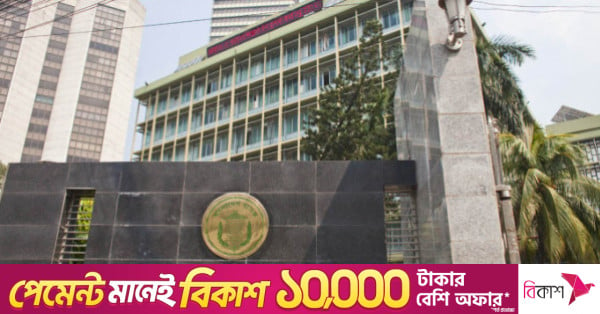
File photo of Bangladesh Bank. Photo: TBS
“>
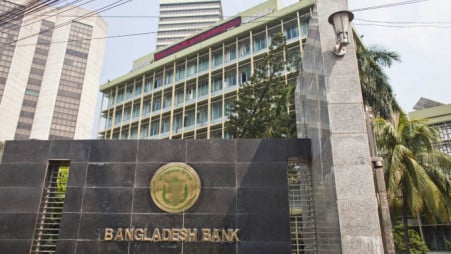
File photo of Bangladesh Bank. Photo: TBS
Highlights
Higher royalty remittances allowed with Beza approval
Other outward payments also require Beza approval
Move aims to attract foreign investment, ease payments
Bangladesh Bank has relaxed its foreign exchange policy for industrial enterprises operating in the Domestic Processing Areas (DPAs) of economic zones, allowing authorised dealer banks to process outward remittances for royalty, technical know-how and technical assistance fees beyond the existing ceiling, subject to prior approval from the Bangladesh Economic Zones Authority (Beza).
The central bank issued the policy change through a circular today (13 July), amending the existing framework governing foreign exchange remittances by DPA-based enterprises.

Keep updated, follow The Business Standard’s Google news channel
Under the previous policy, banks could facilitate outward remittances from taka accounts for royalty, technical know-how and technical assistance fees only within prescribed limits. For new projects, the remittance could not exceed 6% of the cost of imported machinery, while for ongoing concerns, the ceiling was 6% of the previous year’s sales as declared in income tax returns.
With the latest circular, these limits may now be exceeded, provided the enterprise obtains prior approval from Beza.
The central bank also stipulated that outward remittances for other similar legitimate expenses, regardless of the amount involved, will likewise require prior approval from the authority.
Business insiders said the revised policy would facilitate cross-border transactions by DPA enterprises and help attract greater foreign investment by reducing procedural constraints on technology-related payments.