

ⓘ Garmin/Perplexity
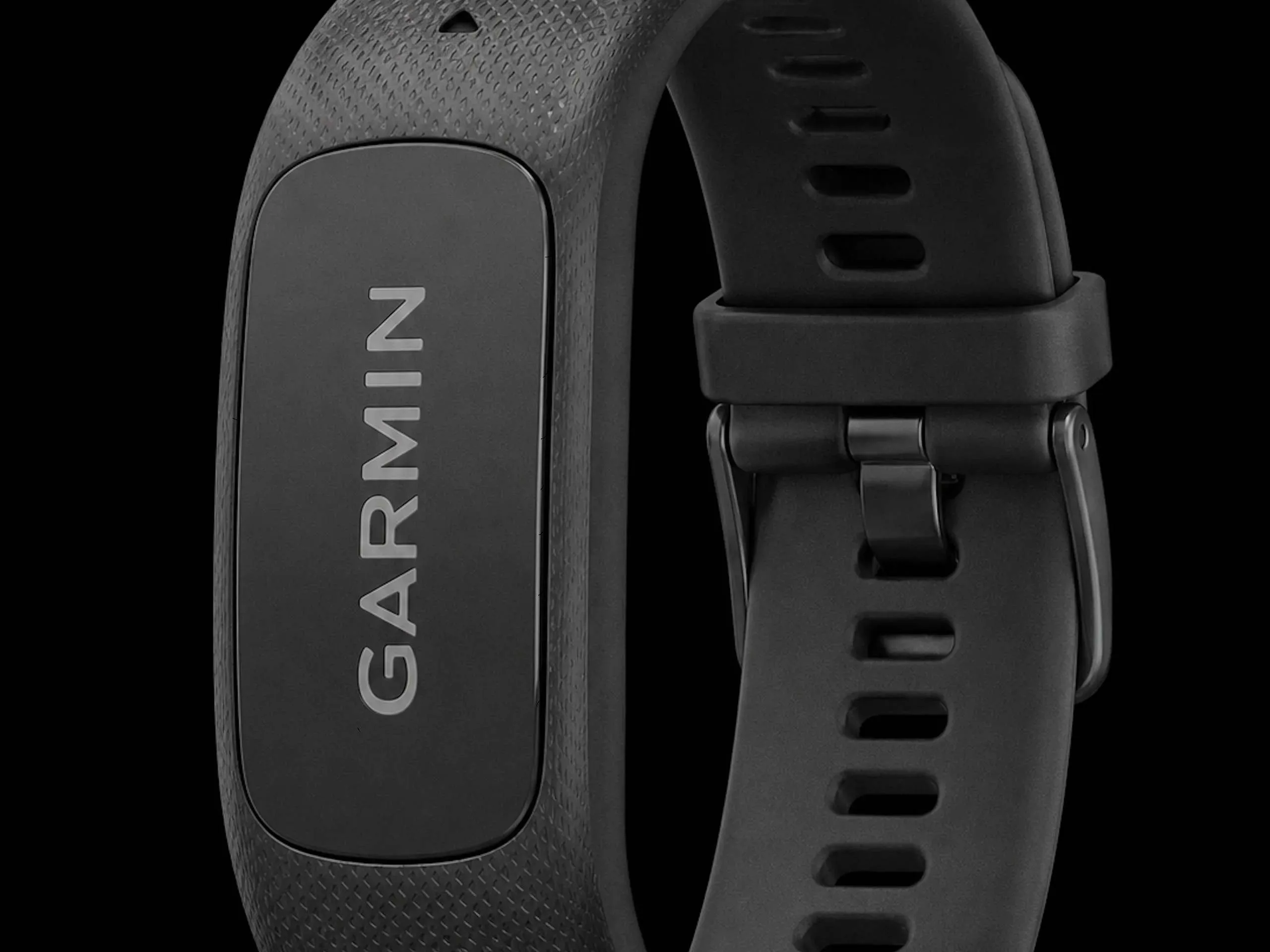
This image symbolically depicts the Garmin CIRQA; see note
The price of the Garmin CIRQA has now surfaced. According to semi-official information, it is set to be significantly lower than initially reported. However, the disclosed figure reflects the manufacturer’s suggested retail price and not the eventual street price.
With the CIRQA, Garmin is not launching its first display-less tracker, but it is likely the first model specifically designed for use during sports. Garmin has not officially commented on the device so far—at least not proactively. Nevertheless, information that the company apparently published unintentionally has already surfaced. While the exact technical specifications remain unknown, some details about the tracker’s features have already emerged.
We now also have an indication of the price. This information originates from Garmin itself, but was not intended for public release, so it may still change. Additionally, these figures represent the manufacturer’s suggested retail prices listed by Garmin. It is too early to predict how pricing will evolve on the open market, especially considering competing products with a similar concept, such as the Amazfit Helio Strap, which is currently available on Amazon for $95.
According to an analysis by Reddit user Chipmux, the price can be retrieved directly from Garmin’s website using the product number. Based on this, the Garmin CIRQA is expected to be priced at 199 euros in the eurozone, 200 US dollars in the United States, and 179 British pounds in the United Kingdom. This would make the tracker significantly more affordable than suggested by an earlier retailer leak, which we had already assessed as unreliable.
Note on the teaser image: The image was enhanced using artificial intelligence, significantly increasing its resolution.

I have been active as a journalist for over 10 years, most of it in the field of technology. I worked for Tom’s Hardware and ComputerBase, among others, and have been working for Notebookcheck since 2017. My current focus is particularly on mini PCs and single-board computers such as the Raspberry Pi – so in other words, compact systems with a lot of potential. In addition, I have a soft spot for all kinds of wearables, especially smartwatches. My main profession is as a laboratory engineer, which is why neither scientific contexts nor the interpretation of complex measurements are foreign to me.