
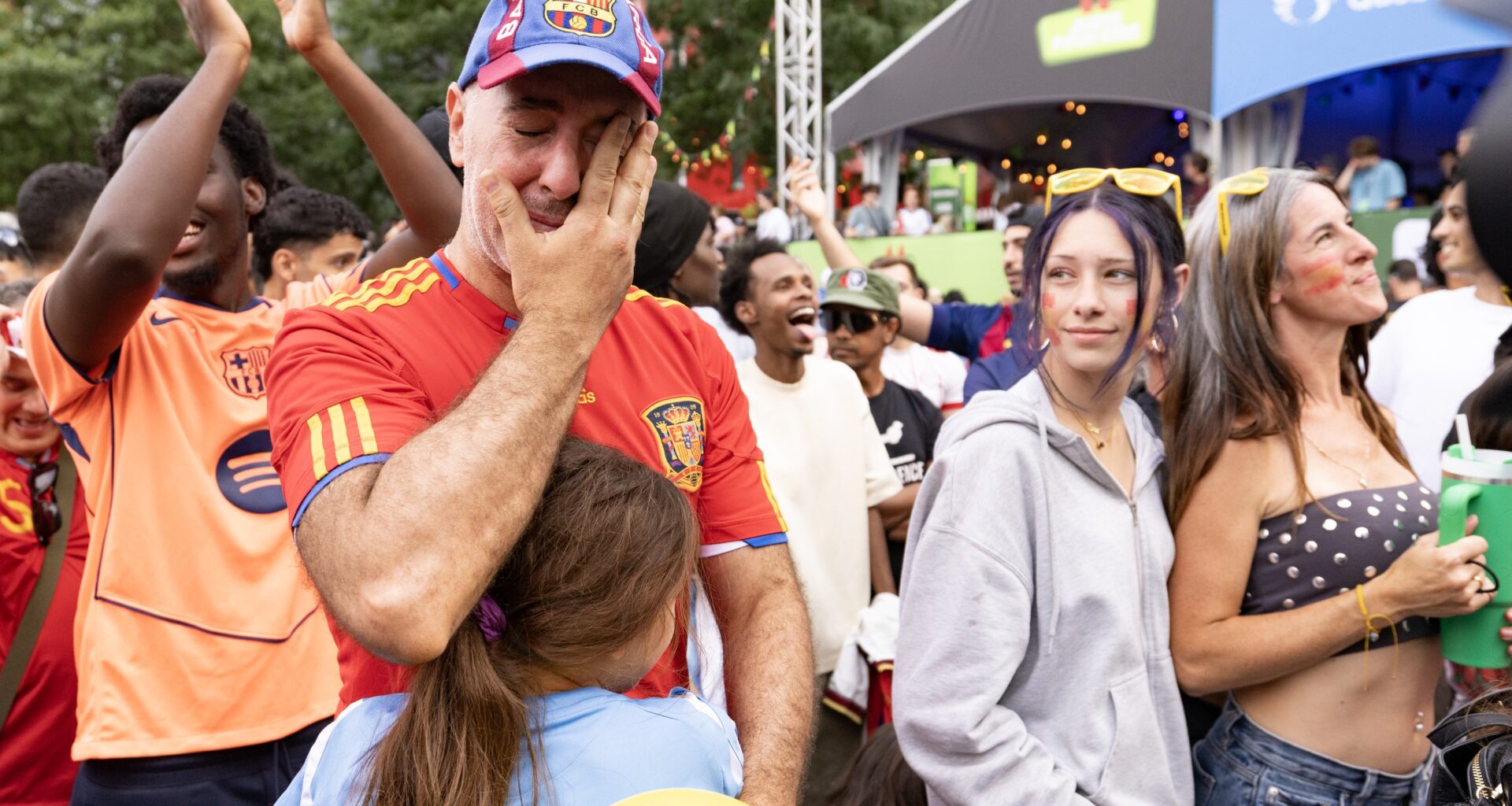
For more than a month, something unusual happened: The world slowed down a little.
A random Tuesday afternoon became a reason to meet friends for a beer. Strangers standing beside each other at a café, a bar or a dog park suddenly had something to say. A jersey, a flag or a team colour became an invitation.
For a brief moment, the invisible social barriers that often separate us became easier to cross. We shared schedules, followed the same games, experienced joint moments, celebrated victories and mourned defeats. Whether sitting beside one another or watching from opposite sides of the world, millions of people were connected by a common experience.
The World Cup became something much larger than a tournament. It revealed how deeply we long to live parts of our lives together. As a social psychologist, this is what struck me most.
Psychological research consistently shows that belonging is not simply a pleasant addition to human life. It is one of our most fundamental psychological needs. Humans are an inherently social species. We evolved not only to survive alongside others, but to create communities, share experiences and build meaning together.
This need for connection appears early in life. Children seek relationships, belonging and acceptance before they can even articulate why these things matter. Throughout development, our social worlds shape how we understand ourselves and our place within them. We are not simply individuals moving through the world alone; we become ourselves through our relationships with others.
The end of the tournament leaves a strange emptiness for many people. It is not simply that the games are over. It is that the social world created around them has faded.
And yet, many aspects of modern life have made these opportunities for connection increasingly difficult to access. We live in a time where we can communicate instantly with people around the world, yet many report feeling increasingly isolated. Our daily routines have become highly individualized: commuting alone, working behind screens, interacting through carefully curated digital spaces rather than shared physical environments. Many of the ordinary moments that once created spontaneous connection are less common.
The World Cup temporarily disrupted this pattern. It gave us permission to talk to one another. A stranger wearing a jersey was no longer a stranger. A conversation at a café was no longer an interruption. A shared reaction to a goal or a controversial decision became a moment of collective experience.
These interactions may seem insignificant, but they are part of what makes communities feel alive. Social connection is not only built through our closest relationships with family and friends. It is also built through countless small encounters: the neighbour we greet, the person we chat with at the park, the colleague we exchange a laugh with, the familiar faces at the gym.
Much of social psychology explores the power of shared identity — the ways in which belonging to a group shapes how we understand ourselves and our place in the world. To say “I am part of something” is to experience one of the most fundamental aspects of being human.
Yet, we are often reminded of the darker side of group identities. The boundary between “us” and “them” can become a powerful force for division, shaping how we view and judge those who are perceived as different. We see these dynamics playing out in many of the conflicts and divisions that characterize our world today.
But the World Cup offered a glimpse of another possibility — that shared identities do not have to be built on exclusion. People could passionately support different teams, wear different colours and celebrate different victories, while still participating in the same collective experience. The same human tendency that allows us to form groups can also allow us to build bridges.
Perhaps this is why the end of the tournament leaves a strange emptiness for many people. It is not simply that the games are over. It is that the social world created around them has faded.
Editor’s Picks
Of course, soccer cannot solve the loneliness epidemic or the deeper challenges facing our societies. As wonderful as it would be, more games alone will not rebuild our communities. But it does reveal something important. Our longing for the World Cup was not only a longing for entertainment. It was a longing for moments when our individual lives intersect with the lives of others. For the feeling that we are part of something beyond ourselves.
Perhaps the lesson is that belonging does not have to come only from extraordinary global events. It can be cultivated in ordinary moments: creating spaces where people can gather, encouraging conversations between people who might otherwise remain strangers, rebuilding rituals that give meaning to everyday life.
The World Cup did not create our need for connection. It simply reminded us it was there. We remembered what it feels like when life is lived not only beside one another, but with one another. For a brief moment, the World Cup gave us that feeling again. The challenge now is not to wait another four years to find it.
Maxine Iannuccilli, PhD, is a research psychologist and part-time professor in the department of psychology at Concordia University.