
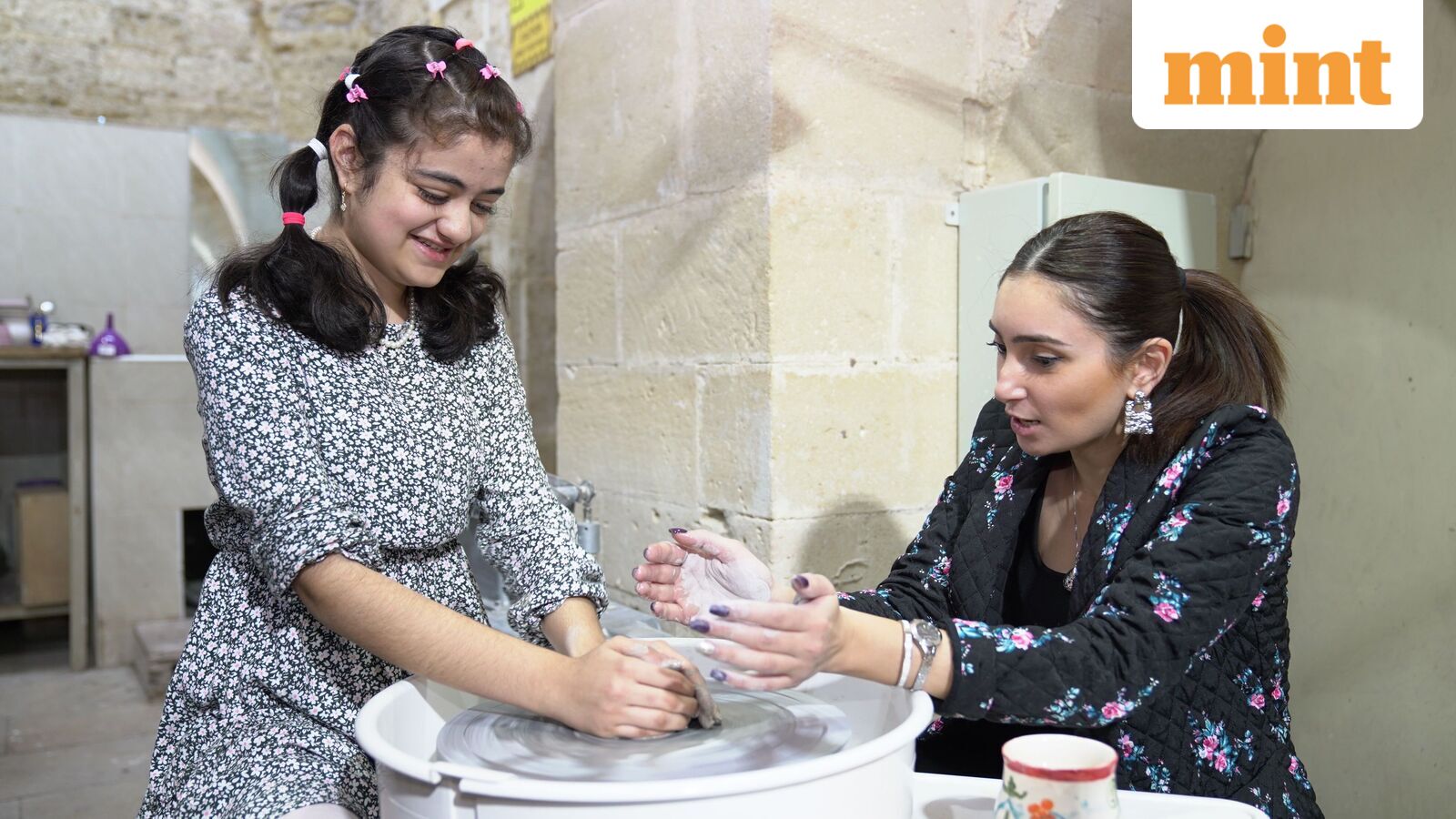
World Youth Skills Day is celebrated every year on 15 July. This day celebrates the younger generation and serves as a reminder of the need to empower the youth to navigate changing global job markets. Established by the UN in 2014, this day brings focus to the critical need of equipping young people with technical, vocational, and digital skills for employment and entrepreneurship.
Seeking to bridge the gap between quality education and training, this day highlights that the full potential of younger generations requires massive investment. UN Secretary-General António Guterres statement rightfully underlines this objective: “Unlocking the full potential of younger generations requires massive investment in inclusive quality education and training. Closing the skills gap can help create decent jobs and sustainable livelihoods at scale.”
World Youth Skills Day 2026 theme
This year, the theme for World Youth Skills Day is “Skills for a Shared Future.” According to United Nations, World Youth Skills Day activities this year will underscore the urgent need for innovative youth skills programmes—initiatives that empower young. The purpose behind the celebrations of this day is to help the young to adapt, lead with empathy, bridge cultural divides, build resilience and actively shape a more sustainable and inclusive future.
World Youth Skills Day history
The United Nations General Assembly adopted a resolution declaring 15 July as World Youth Skills Day on 18 December 2014, recognising the strategic importance of equipping young people with skills for employment, decent work and entrepreneurship. This initiative, backed by the UN Secretary-General’s Special Envoy for Youth, was spearheaded by Sri Lanka, with strong support from the G77 nations.
World Youth Skills Day significance
The vision of the 2015 Incheon Declaration fully captures the crucial role of technical and vocational education and training in achieving Education 2030 agenda. It is the foundation on UN’s Sustainable Development Goal 4: “Ensure inclusive and equitable quality education and promote lifelong learning opportunities for all.” Through investment in green and blue sectors, a total of 8.4 million jobs can be created for the youth by 2030.
To address the multiple demands of an economic, social and environmental nature in this changing landscape, we need affordable, accessible and quality Technical and Vocational Education and Training (TVET) that provides relevant skills for employment, offers access to decent work and entrepreneurship opportunities and eliminates gender disparity, ensuring access for the vulnerable.
The UN listed some pointers, emphasizing the challenges that the World Youth Skills Day aims to address: