
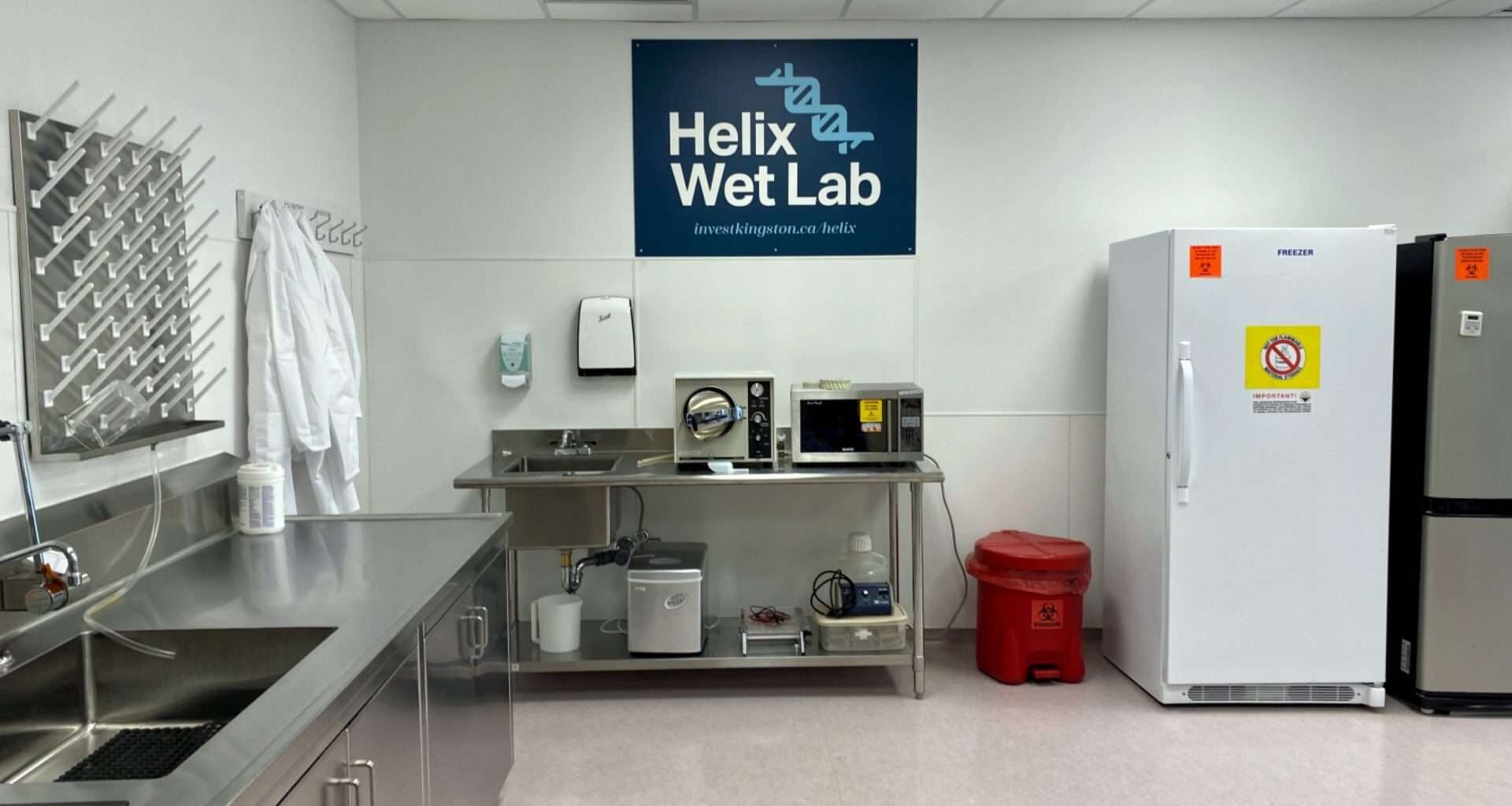
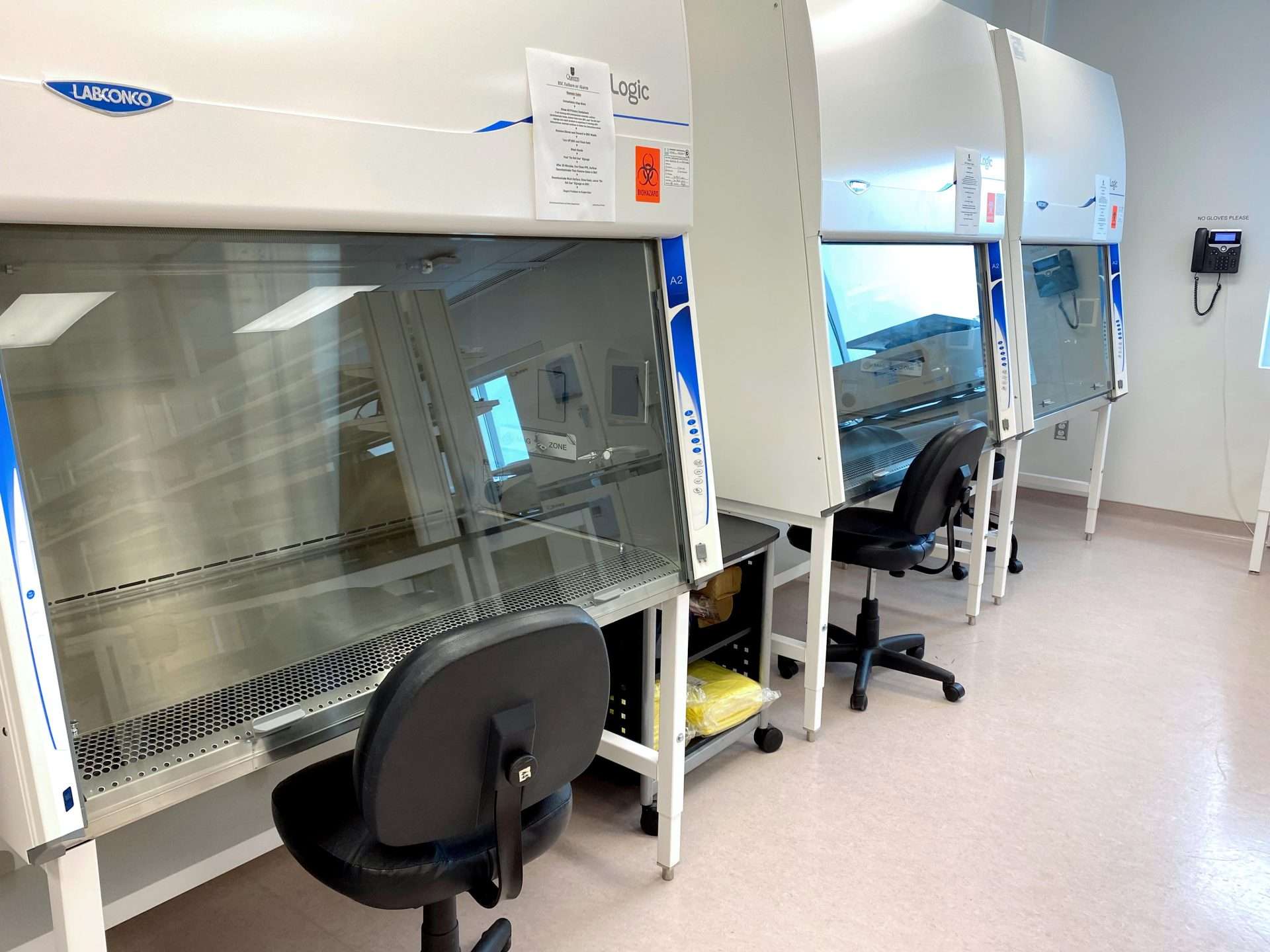
 Specialized equipment looks like a buffet table where researchers can avoid contamination in the Helix Wet Lab, which officially opened at Providence Care Hospital in Kingston on Thursday, Jul. 16, 2026. Photo by Bill Hutchins/Kingstonist.
Some cutting-edge research will soon be taking place at Providence Care Hospital in Kingston.
The research will range from regenerative medicine to rapidly heal wounds or grow a new organ in your body, to developing individual treatments for children with autism.
City, economic development, and medical representatives hailed the official opening of the Helix Wet Lab as a regional game changer for health and life sciences research.
“The solutions that emerge will help us be better health care providers,” said Cathy Szabo, President and Chief Executive Officer of Providence Care Hospital.
About 40 political, health-care and industry representatives gathered for a Thursday, Jul. 16, 2026, open house tour and ribbon cutting of the new 1,000-squarefoot wet lab facility, located on the hospital’s second floor.
“I feel like this is brimming with possibilities here… this is Kingston at its best,” declared Mayor Bryan Paterson at the opening ceremony.
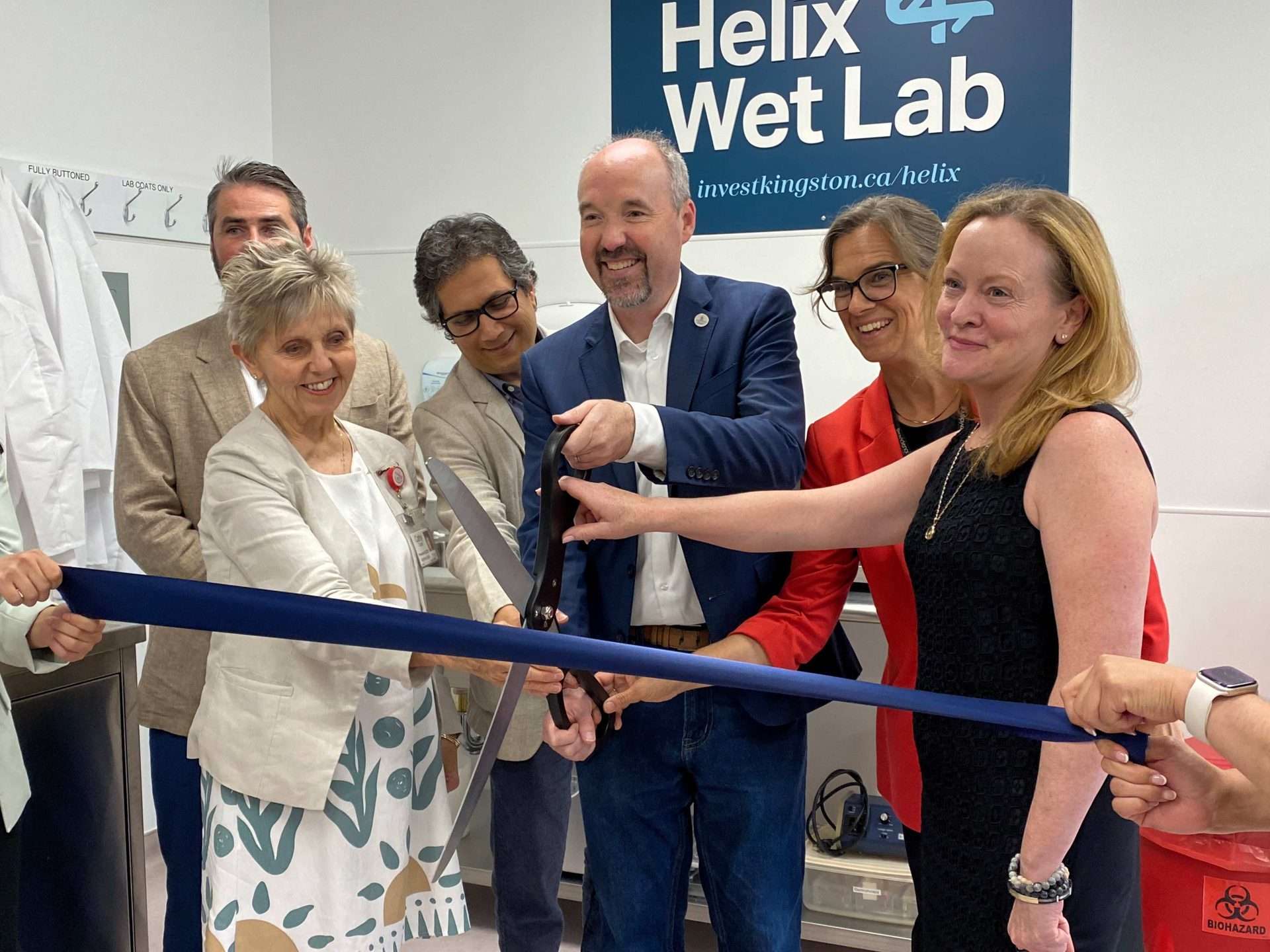
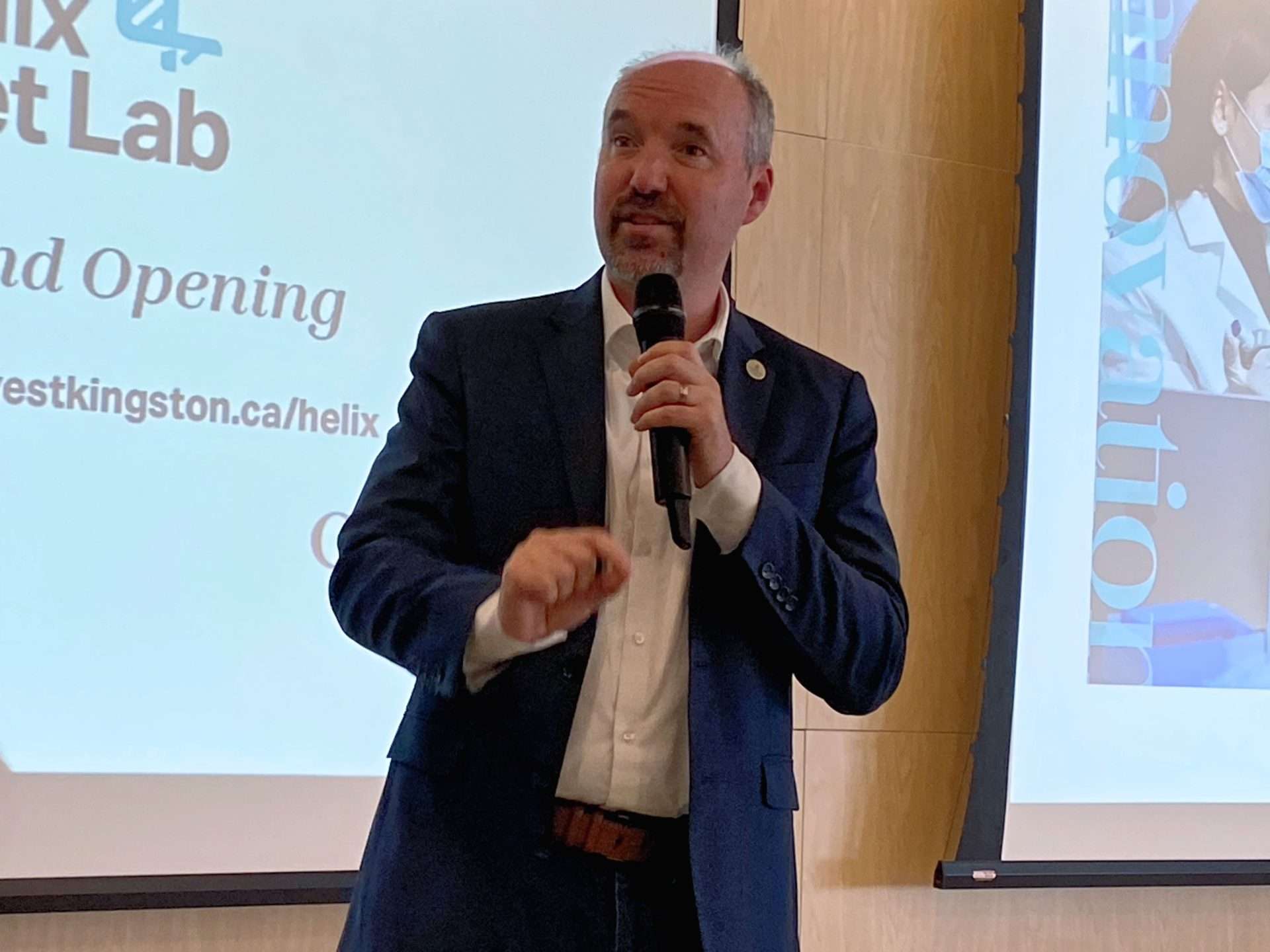 (LEFT) The ribbon cutting at the Helix Wet Lab featured Ben McIlquham, Investment Manager, Life Sciences and Health Innovation, Kingston Economic Development Corporation; Cathy Szabo, President and CEO, Providence Care; Chetan Phadke, Director of Partnerships and Innovation, Providence Care; Bryan Paterson, Mayor of Kingston; Allison Philpot, Vice President of System Innovation and Executive Director of Medical Affairs and Research, Providence Care; and Donna Gillespie, CEO, Kingston Economic Development Corporation. (RIGHT) Kingston Mayor Bryan Paterson speaks at the grand opening event. Photos by Bill Hutchins/Kingstonist
It is presently the region’s only Biosafety Level 2 (BSL-2) certified wet lab, a secure space for hands-on use of liquids, chemicals, and biological materials essential for experimental research in health innovation and biotechnology.
“This is to bring people to Kingston,” said Allison Philpot, Vice President of System Innovation for Providence Care.
Philpot played a lead role in securing federal funding to open a high-tech research lab within the hospital at 752 King Street West.
“There is no available wet lab space between Toronto and Ottawa, which means that if anybody wants to do a start-up or have access to this kind of equipment they have to go to one of those big urban centres,” she explained.
The wet lab provides emerging health and life sciences companies with access to specialized laboratory space in order to produce new treatments and processes to improve the human condition.
“What I am hoping is that Providence Care can open the door for all kinds of people with great ideas and the willingness to take a challenge on, but they just needed access to space like this and to equipment like this,” Philpot explained.
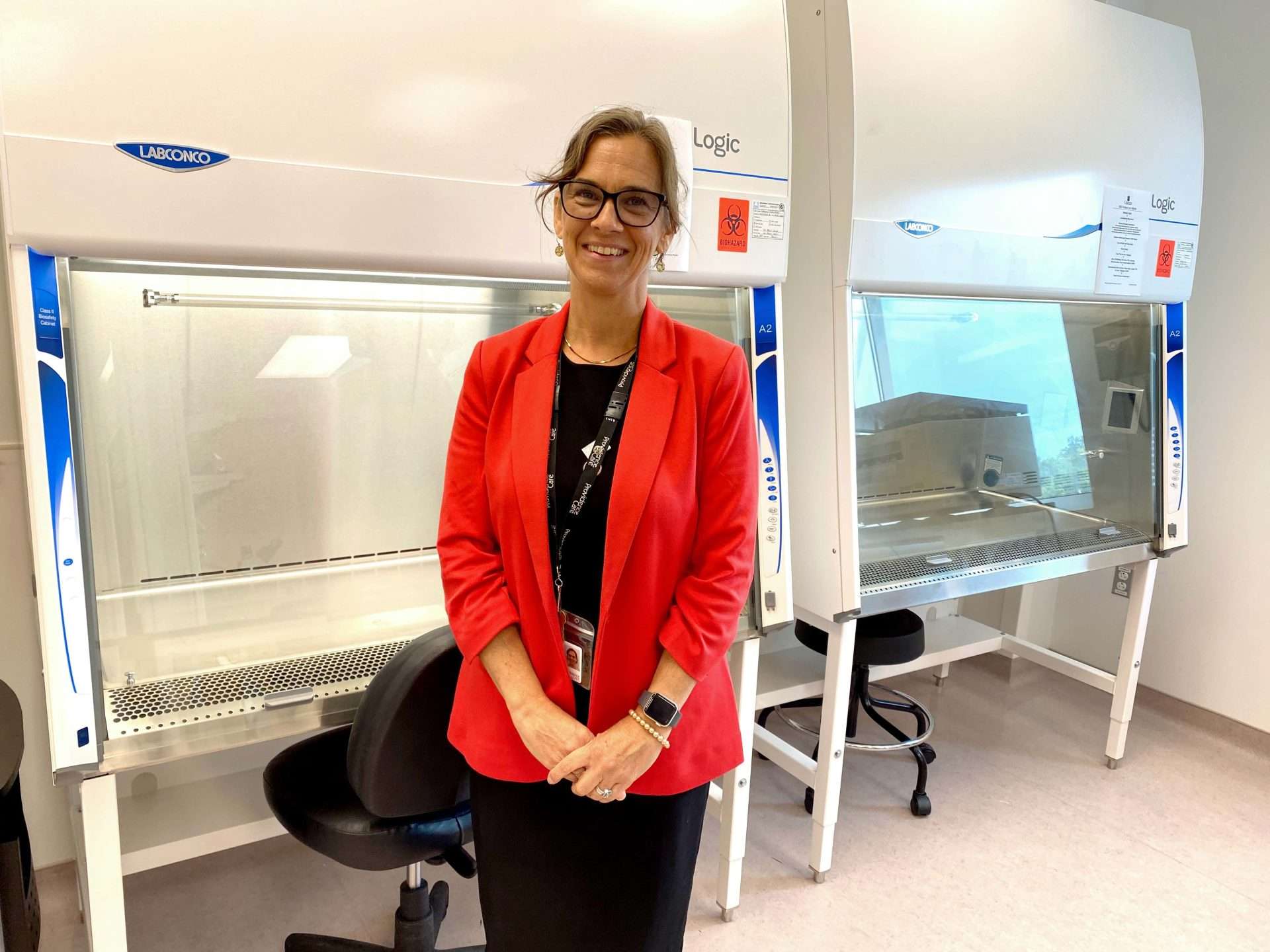 Allison Philpot, Vice President of System Innovation for Providence Care, at the Helix Wet Lab. Photo by Bill Hutchins/Kingstonist.
The wet lab infrastructure, plus an additional 500 square feet of dry lab space, removes significant barriers for early-stage life sciences companies looking to commercialize new technologies. Instead of having to make their own costly investments into high-tech machines and testing equipment, researchers can now access move-in ready and affordable space in a shared room format.
In short, they can rent a bench.
The Helix Wet Lab is chock-full of advanced testing equipment, including biosafety cabinets, CO2 incubators, fluorescence microscopy, refrigerated centrifuges, gel electrophoresis systems, spectrophotometers, and other advanced laboratory equipment to accelerate research and product development – an estimated $450,000 worth of equipment that was funded through the federal government’s Federal Economic Development Agency for Southern Ontario (FedDev Ontario).
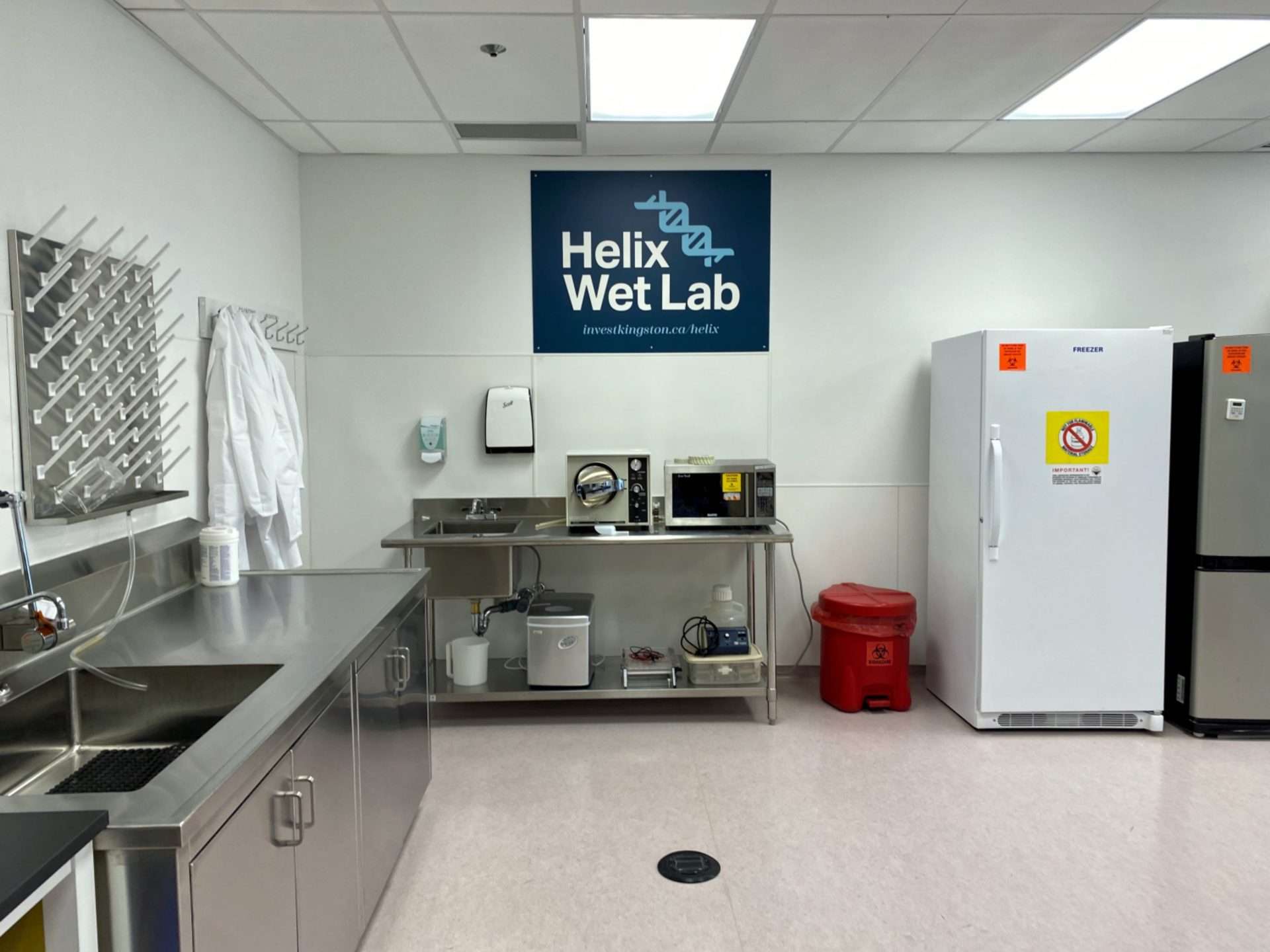 Helix Wet Lab offers 1,000 sq. ft. of shared research space.
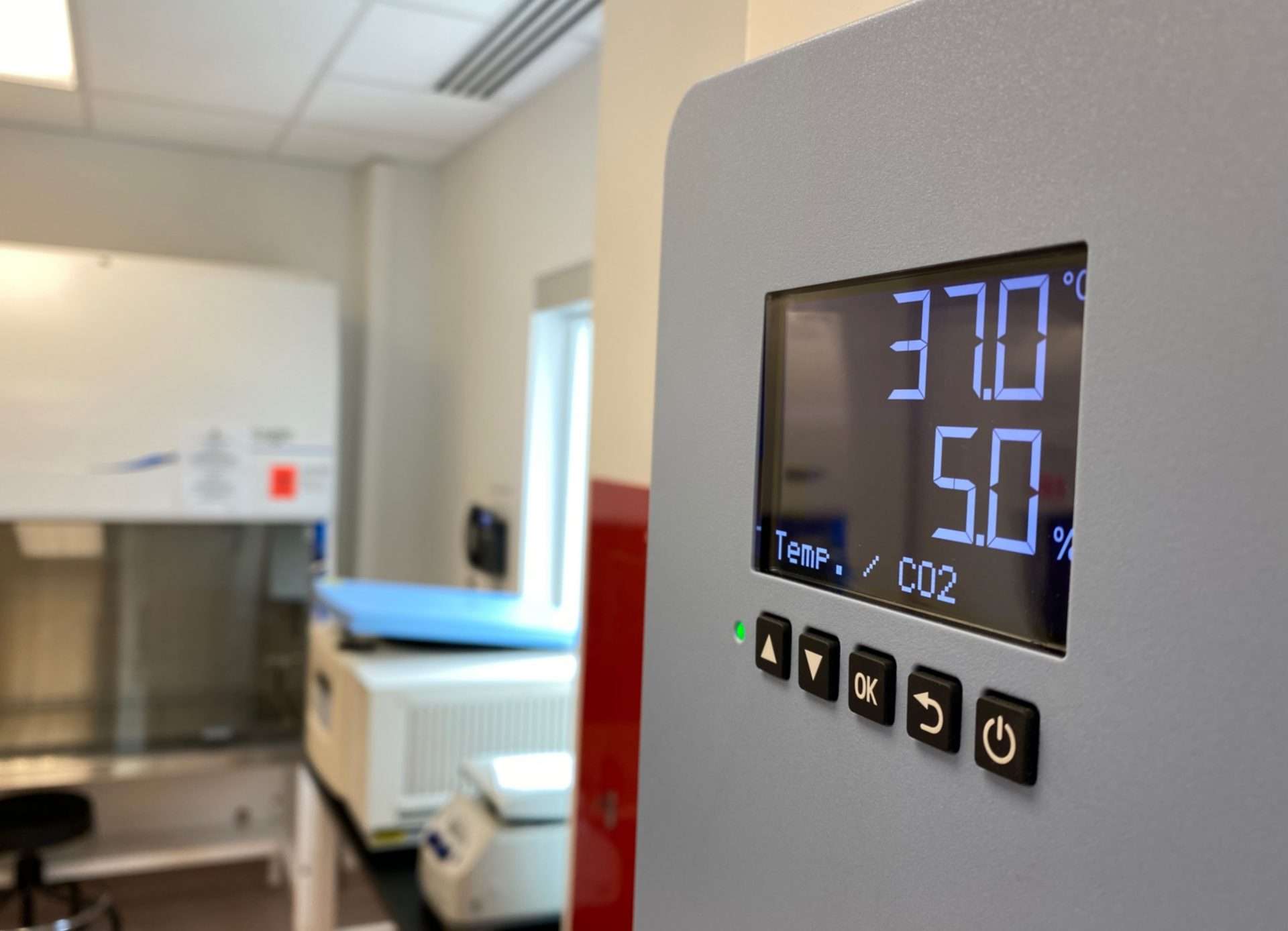 Precise climate controls allow for optimized environments.
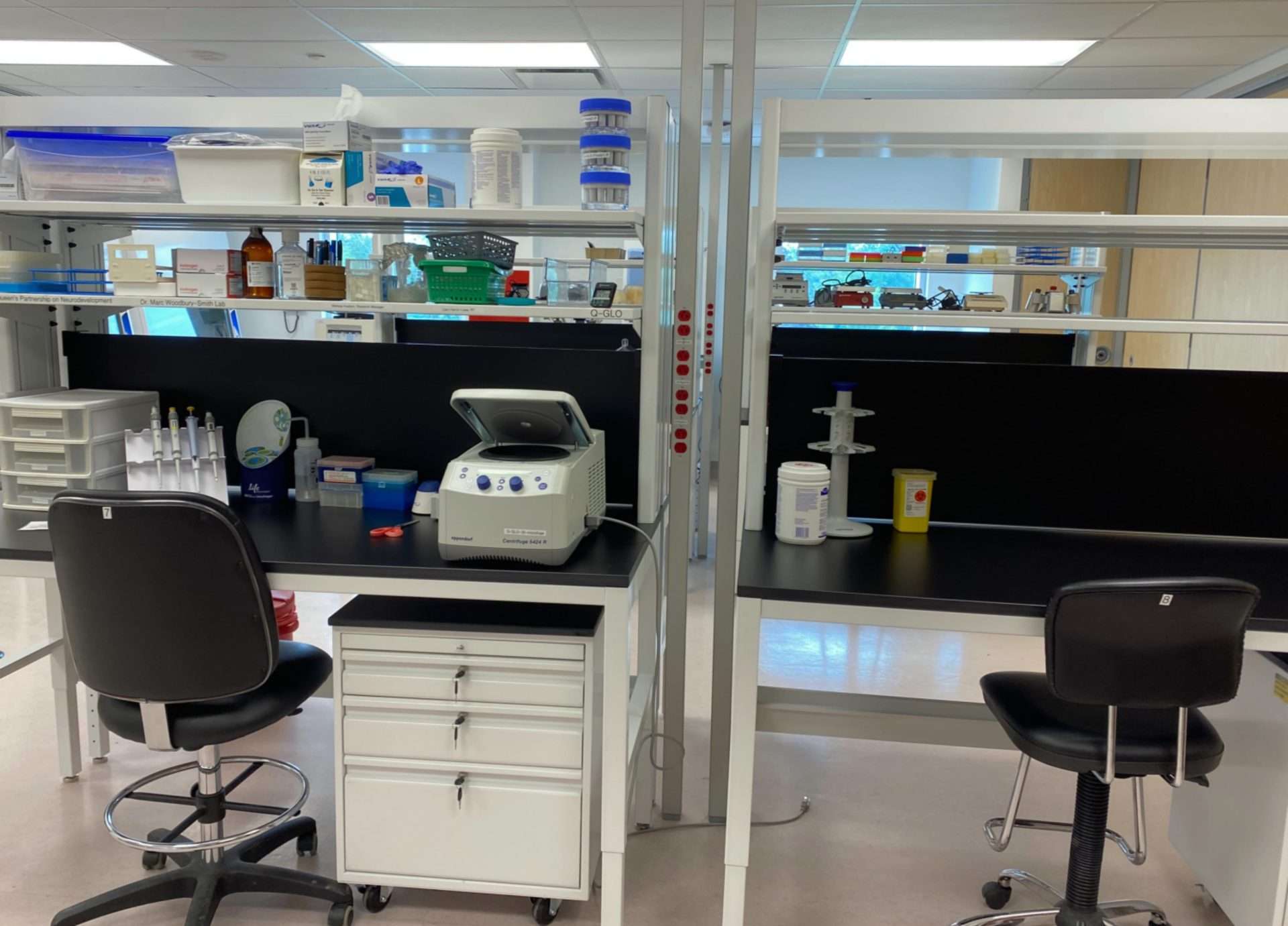 The wet lab has six individual research stations. FedDev provided $3.4 million in funding for the wet lab and future research grant opportunities.
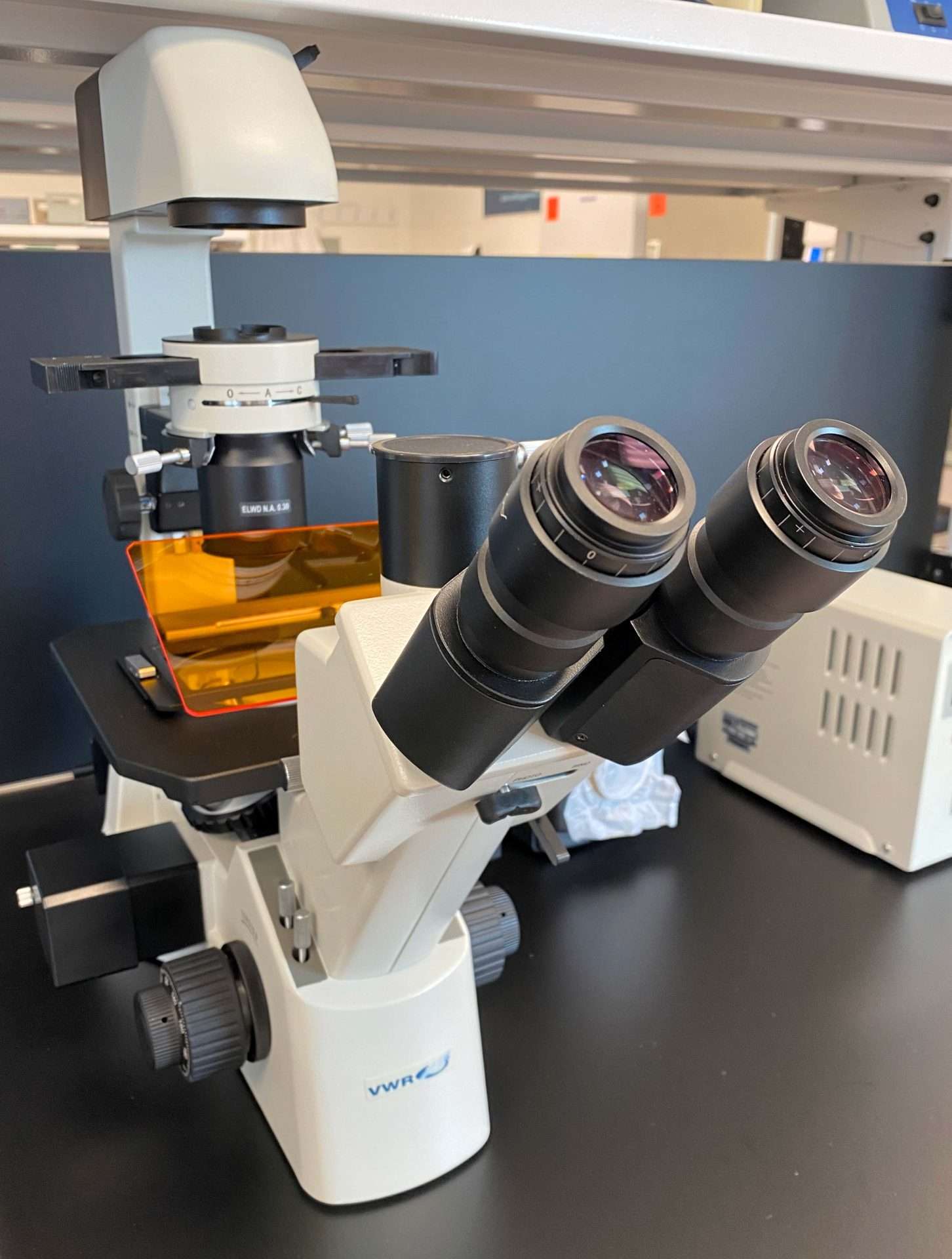 Genetic research is one of the cornerstones of the new Helix Wet Lab.
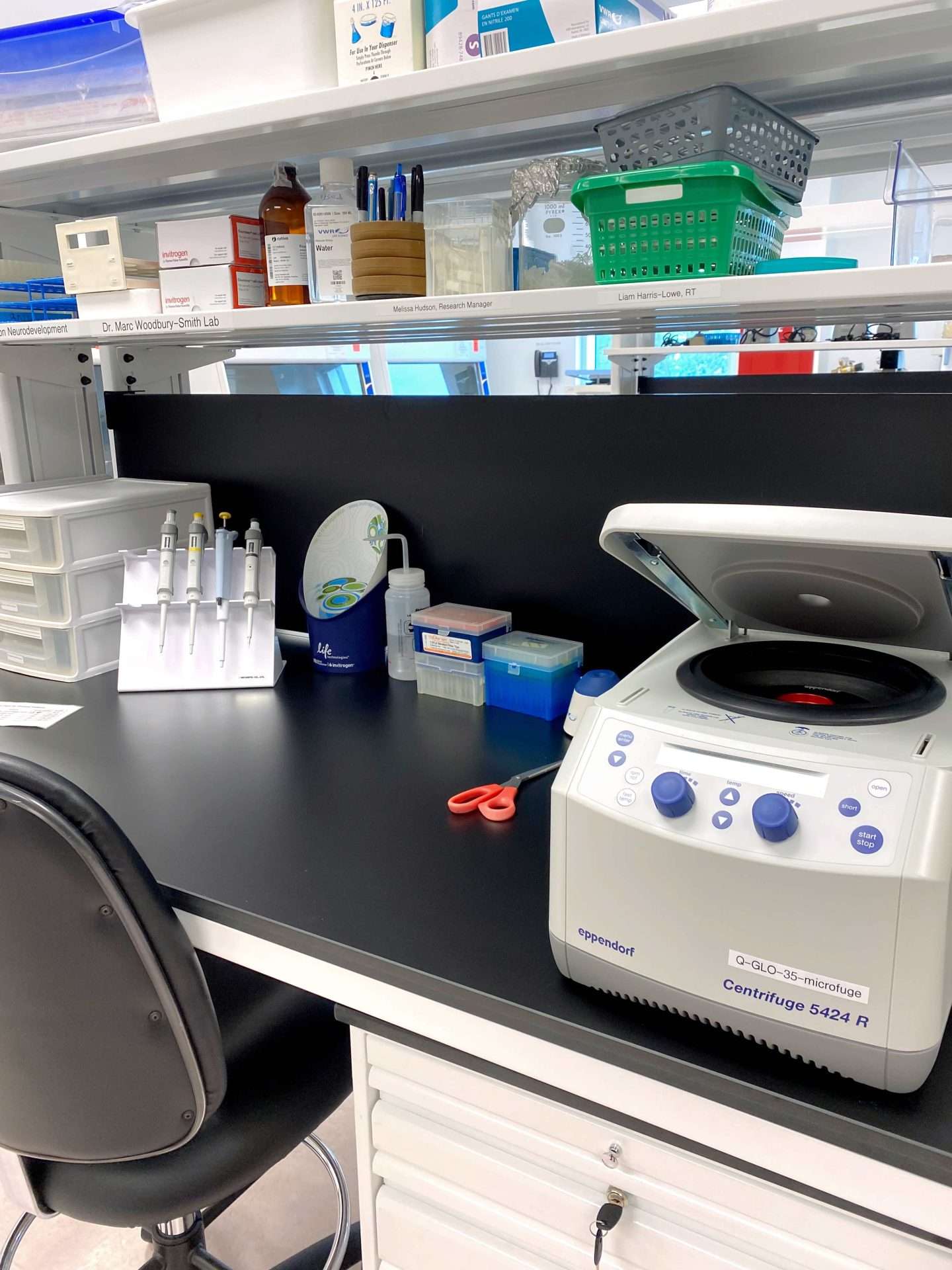 A closer view of one of the research stations.
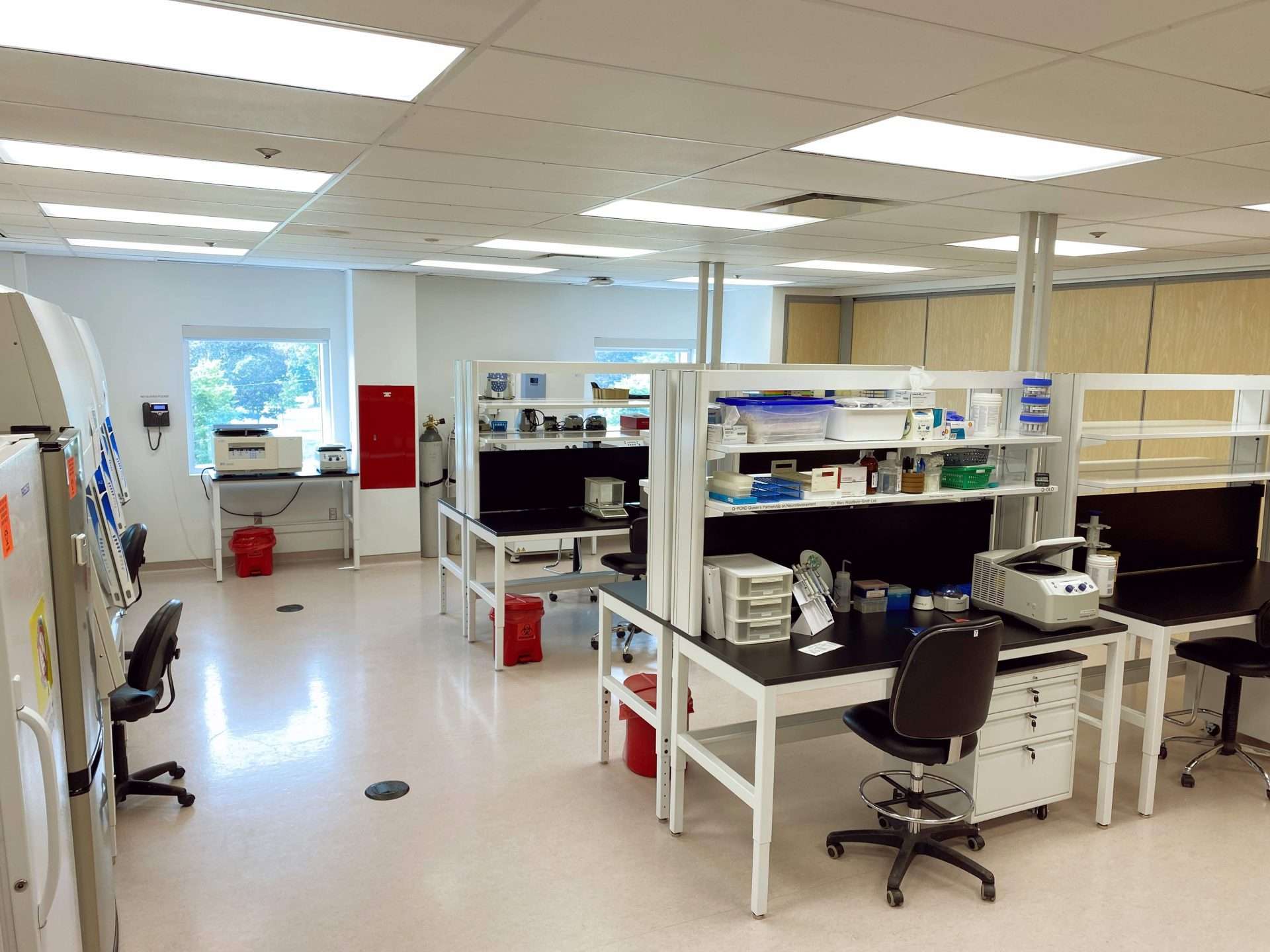 The 1,000-squarefoot Helix Wet Lab within Providence Care Hospital.Photos by Bill Hutchins/Kingstonist.
FedDev Ontario has provided a total of $3.4 million in funding to support the Helix Wet Lab with new testing equipment, and future Helix Funding grants of between $10,000 and $100,000 to provide comprehensive support to early-stage and scaling life sciences businesses, accelerating innovation and commercialization.
Donna Gillespie, Chief Executive Officer (CEO) of the Kingston Economic Development, said the opening of a Kingston wet lab represents an important milestone for the city’s growing health and life sciences sector.
“Today we are filling that gap,” she said, adding: “Each workstation has the potential to become a new employer.”
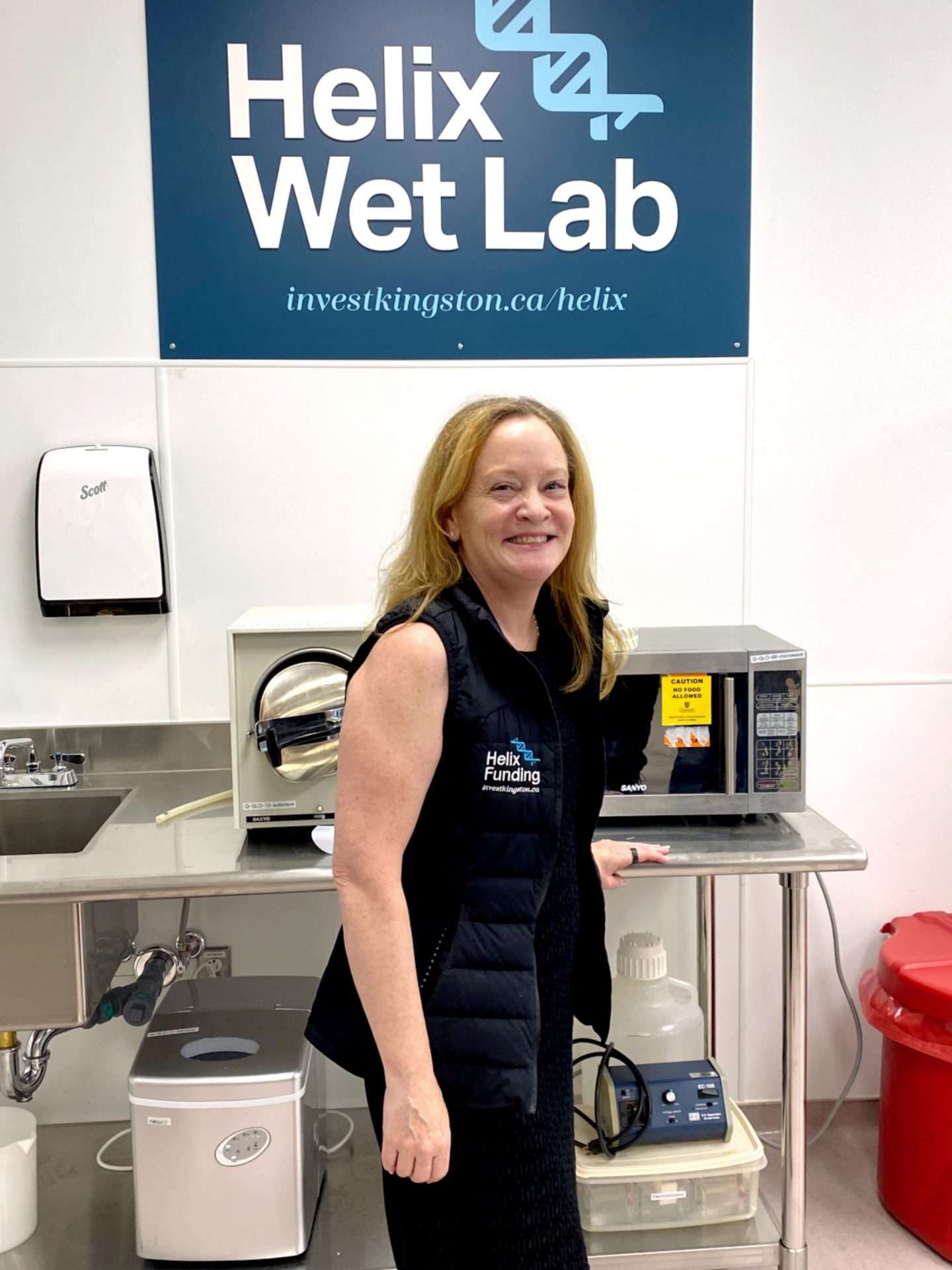 Don’t put your lunch in that microwave behind Donna Gillespie, CEO of Kingston Economic Development — it’s for laboratory purposes only. Photo by Bill Hutchins/Kingstonist.
The lab can be used by researchers, private companies, and entrepreneurs to further their research and potentially develop a host of new medical treatments.
Toronto-based Argan Biomedical Technologies Inc. is already eager to move into one of the six wet lab workspaces to further its own research, initially started at the University of Toronto, which aims to transform science fiction into science fact.
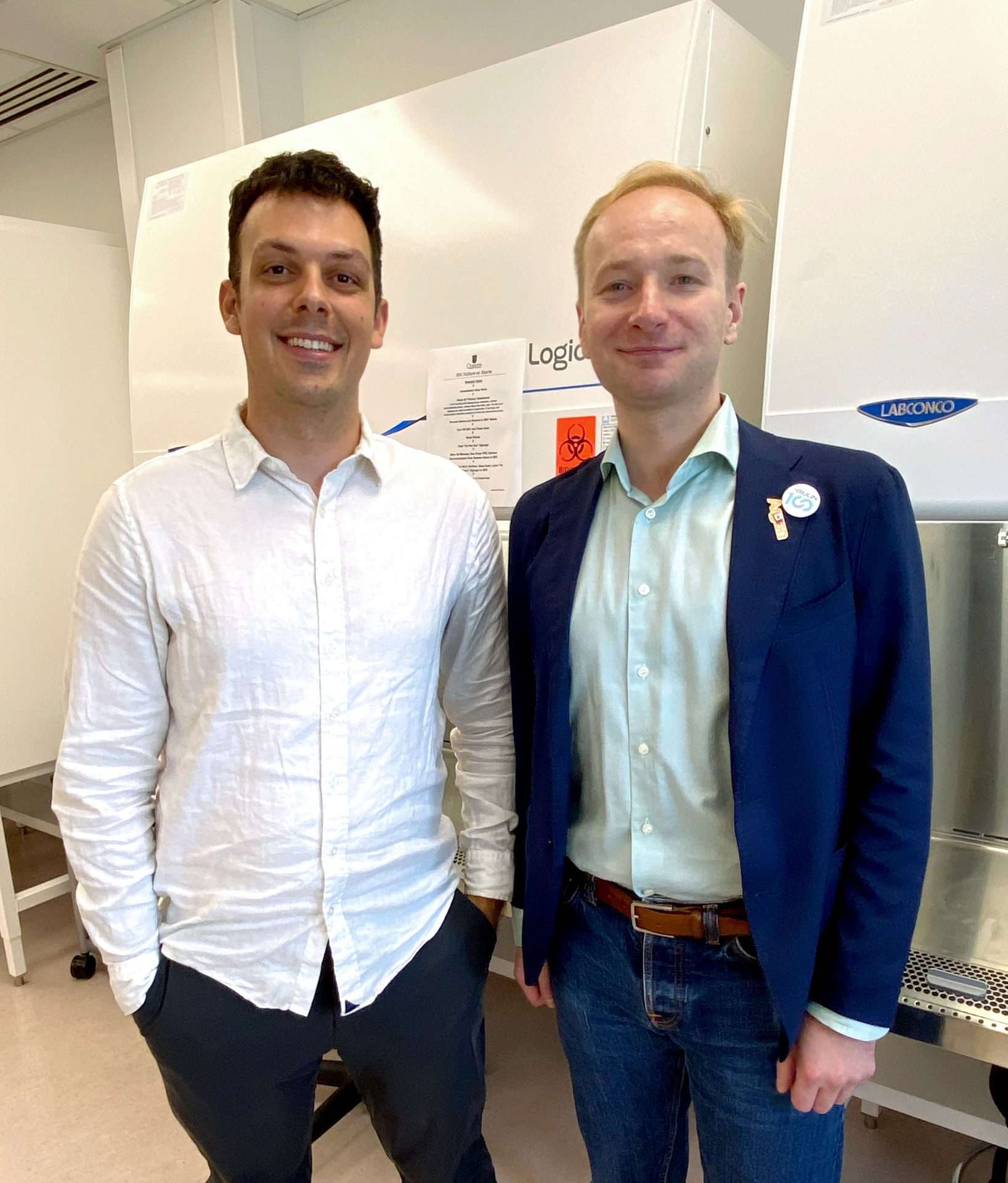 Nathan Holwell, researcher, and Sean Kinney (right), CEO, are planning to rent space for their company, Argan Biomedical Technologies Inc. of Toronto, at the Helix Wet Lab here in Kingston. Photo by Bill Hutchins/Kingstonist.
Sean Kinney, Argan’s CEO, said the company is developing regenerative medicine to improve the body’s defences and to trigger natural healing mechanisms.
The development of a synthetic polymer gel, or plastic technology, can be used to heal a wound more quickly or even grow a new organ to replace one that’s failing in your body.
“We can fix cuts and fix them even faster if you want it to heal quickly. But what we’re looking to deploy this for are those larger stem cell therapies to basically replace whole damaged organs or reverse bigger diseases.”
Kinney said their bio-material research has shown promising results to reverse Type 1 diabetes and promote fast wound healing when tested in mice.
He said the Helix Wet Lab will play an important role in their ongoing research, noting the demand and higher price to rent lab incubation facilities in Toronto prompted their relocation to Kingston.
“This is just a fantastic opportunity to pretty much access all those same resources, but in a way that is actually helping to do something,” said Kinney.
In the same room, Queen’s University researchers will look for new genetic ways to treat autism in children – a tricky task since each child is different.
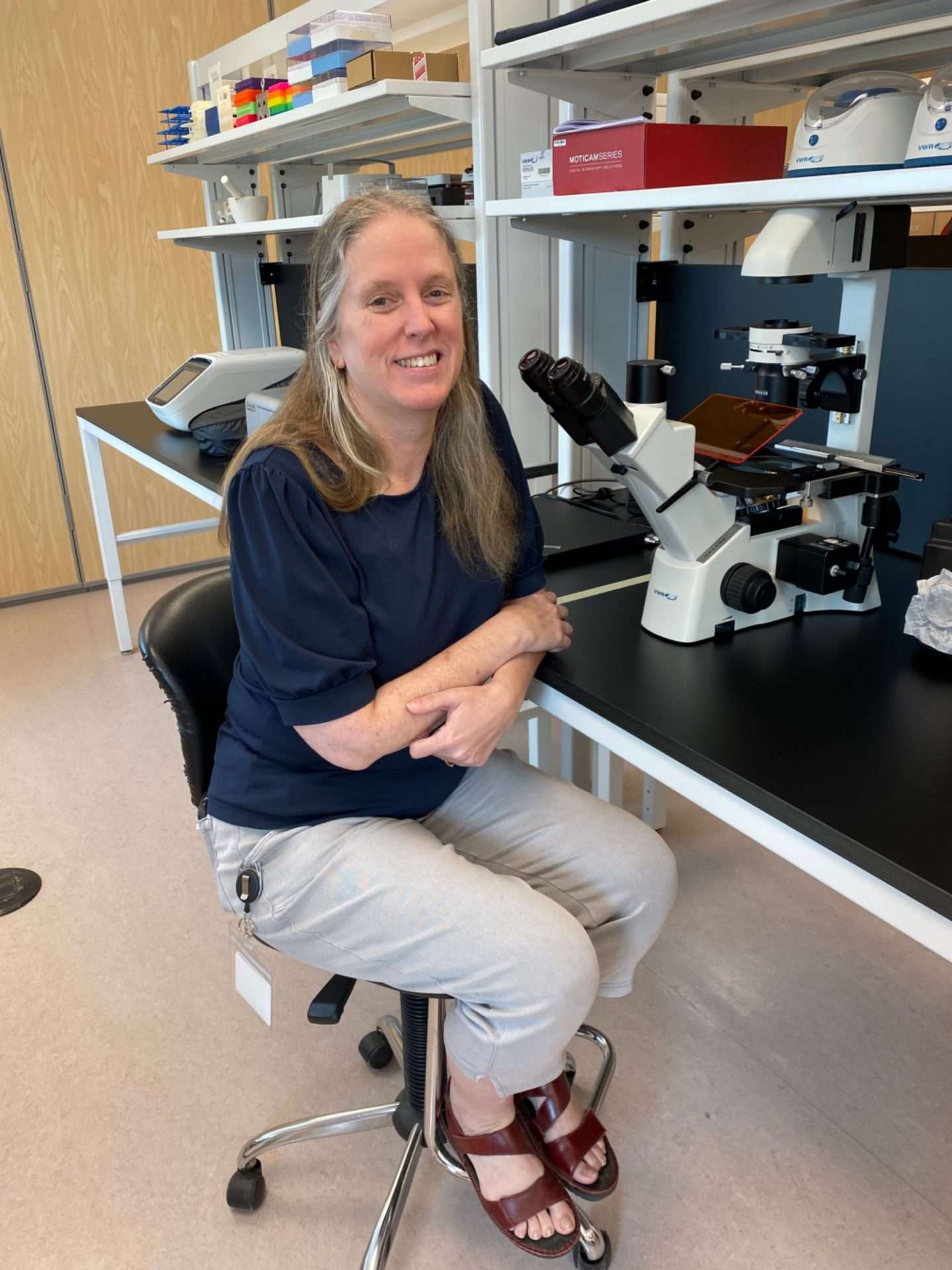 Queen’s researcher Melissa Hudson will explore new methods to treat child autism. Photo by Bill Hutchins/Kingstonist.
“It’s to improve quality of life through personalized medicine… there is no one-size-fits-all treatment for them. They all struggle with different things,” said Melissa Hudson, a Research Manager with the Queen’s Partnership on Neurodevelopment.
She said their research will focus on developing personalized medicine, ranging from immune system to gut health improvements, for autism treatments.
Providence Care Hospital already had its own dedicated research department when it opened nearly a decade ago. The Helix Wet Lab fills out the remainder of the hospital’s available research space while strengthening Kingston’s fast-emerging life sciences ecosystem. Officials agreed that opening a wet lab inside a functioning hospital is a little out of the norm – wet labs are usually run by private companies or within academic settings – but said there are synergies to be had in the hospital environment, creating new opportunities for collaboration and growth by tapping into the expertise of doctors and other health-care professionals.
While economic development officials may not know much about molecular research or how a synthetic topical gel can make your finger cut heal faster, they have their eyes on the big-picture payback potential of providing specialized lab space.
Gillespie said the Helix Wet Lab (Helix refers to the DNA structure) opens the door to attract future jobs, talent, leading-edge research, and downstream economic benefits to Kingston.
“If you don’t have that infrastructure, they will go elsewhere,” she said.
In fact, Argan company representatives indicated they are already looking to relocate their fledgling company to Kingston as their lab research advances.
“We are Toronto-based right now, but I think the plan is to shift to be here,” said Kinney.
It may not be the only such facility in Kingston.
Queen’s University is currently seeking senior government funding to open its own BSL-2 wet lab facility within Botterell Hall on campus.
Further information on the Helix Wet Lab can be found on the Providence Care website.
 Signage for the new Helix Wet Lab. Photo by Bill Hutchins/Kingstonist.