
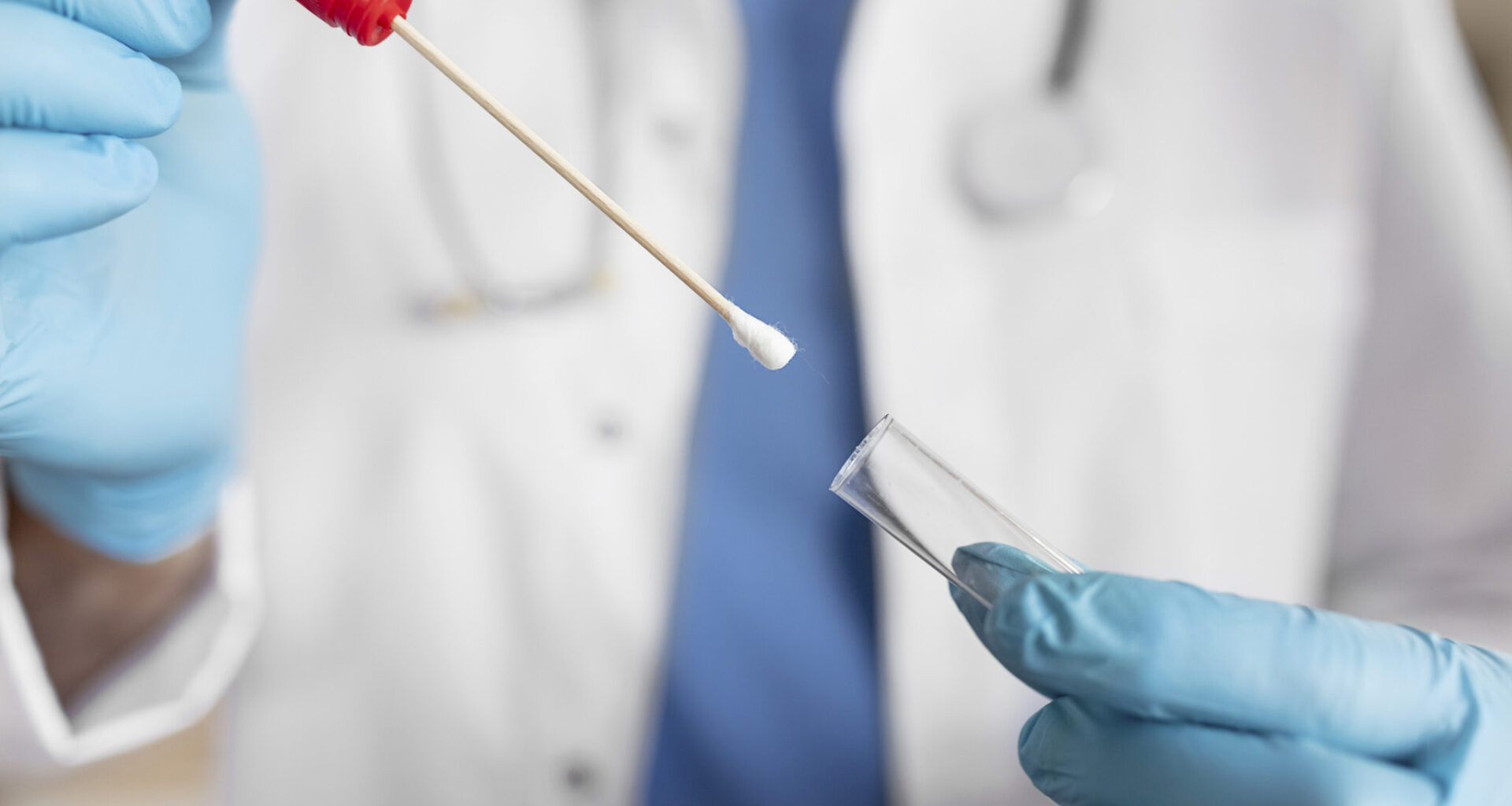
 saliva can reflect broader health in real time and may offer dentists an opportunity to identify risk markers for oral and systemic conditions. (iStock)
Saliva-based diagnostics could eventually help dentists assess disease risk, monitor treatment and identify signs of oral and systemic conditions, but significant clinical and regulatory questions remain.
The American Dental Association (ADA) recently reported on discussions from its Salivary Diagnostics Summit, which brought together researchers, clinicians, industry representatives and other stakeholders on June 18 in Chicago. The meeting examined what would be required to move saliva-based tools from emerging science into routine dental practice, including validated tests, professional standards, clinical workflows, evidence-based guidance and regulatory pathways.
The field is also attracting greater research interest. The U.S. National Institute of Dental and Craniofacial Research (NIDCR) invested more than US$3 million in salivary diagnostics research in fiscal 2024.
NIDCR says saliva can be less expensive to collect and process than blood, while also being accessible, non-invasive and suitable for repeated testing. Some point-of-care technologies may also produce results within minutes.
Here are five takeaways from the ADA summit:
1. ‘The science is here’ — but routine clinical use remains limited
Débora Heller, D.D.S., Ph.D., M.Sc., immediate past president of the Salivary Research Group at the International Association for Dental, Oral, and Craniofacial Research and vice-president of the IADR Clinical & Translational Science Network, opened the meeting with a keynote presentation on salivary biology and diagnostics.
“I want to tell you that the science is here,” Dr. Heller said. “And I want us together to move it from evidence to implementation.”
Dr. Heller said saliva performs several protective functions in the mouth, including lubrication, acid neutralization, remineralization and support of the oral microbiome. She described it as “the most important protective biological factor” in the oral cavity.
Related: Sugarcane-based artificial saliva may protect teeth after head and neck radiation
However, scientific progress has not yet translated into broad regulatory approval. In May 2025, the ADA reported that no saliva tests had received U.S. Food and Drug Administration approval for evaluating patients’ risk of periodontal disease, dental caries or head and neck cancer. The ADA also noted that the FDA had previously cleared, rather than approved, some saliva tests related to caries risk.
The regulatory requirements for a saliva-based test depend on its intended use and the risk associated with an incorrect result. The FDA classifies medical devices as Class I, II or III, with regulatory controls generally increasing with the level of risk.
Related: Saliva diagnostics: Pioneering the future of dentistry and medicine
2. Saliva may provide a real-time window into broader health
Dr. Heller said saliva can reflect broader health in real time and may offer dentists an opportunity to identify risk markers for oral and systemic conditions.
Potential applications discussed at the summit included periodontal disease, caries, xerostomia, cardiovascular disease, diabetes and Alzheimer’s disease. These remain potential uses and should not be interpreted as conditions that dentists can currently diagnose through routine salivary testing.
“Finally, the technology has caught up with the biology,” Dr. Heller said.
She pointed to advances in genomics, microbiome analysis, transcriptomics, proteomics and metabolomics that have expanded researchers’ ability to examine saliva. She also cited the COVID-19 pandemic as evidence that saliva-based diagnostics can be deployed at scale when there is an urgent need.
NIDCR-supported research is also exploring salivary biomarkers and point-of-care diagnostic tools for oral and systemic conditions, as well as broader applications in disease monitoring and personalized care.
Related: Technology to Salivate About: Lura Health Brings Salivary Diagnostics to Dentistry
3. Dentists need clarity on what a test result means
Dr. Heller said dentistry often remains in a reactive-care model because dentists generally do not establish a baseline measurement of a patient’s salivary function.
“We are still in the reactive care mode,” she said. “You have no baseline of your salivary function. You’re just waiting for symptoms to appear.”
However, other summit participants said the profession must clarify the clinical purpose of salivary diagnostics before widespread adoption can occur. Discussions repeatedly returned to the need for validated tests, reference ranges, clinical thresholds, action pathways and guidance on how dentists should respond to results.
A test’s ability to detect a biomarker does not necessarily mean the result is clinically meaningful or that it should change treatment. Dentists would need to know whether a finding calls for preventive care, repeat testing, additional investigation, referral or no immediate intervention.
Related: Researchers develop non-invasive brush test that may help identify oral cancer within one hour
4. Salivary testing could move dentistry closer to precision medicine
Maria Ryan, D.D.S., Ph.D., vice-president and chief dental officer at Colgate, said saliva-based tools could help dentistry participate more fully in precision medicine by adding objective biochemical information to clinical examinations.
She said saliva-based testing could support patient education, risk assessment and treatment monitoring by adding objective biochemical information to clinical examinations.
5. Coding options exist, but reimbursement is not guaranteed
Although clinical guidance is still evolving, the ADA has CDT codes for collecting, analyzing and measuring saliva.
They include:
D0417 for collecting and preparing a saliva sample for laboratory diagnostic testing;
D0418 for analyzing a saliva sample; and
D0419 for measuring salivary flow in patients at risk of hyposalivation or xerostomia.
The ADA guide also says dentists may provide additional services in conjunction with, or based on, the results of tests designed to identify risk-related biomarkers. Examples include caries susceptibility testing and caries risk assessment and documentation.
Relevant codes cited by the ADA include:
D0425 for caries susceptibility tests; and
D0601, D0602 and D0603 for caries risk assessment findings of low, moderate and high risk, respectively.
The ADA says these examples are illustrative rather than comprehensive. The treating dentist must use clinical judgment to determine which services are appropriate and select the code that most accurately documents the procedure performed.
The association also cautions that the existence of a CDT code does not guarantee coverage or reimbursement by a dental benefit plan.
“As saliva-based diagnostics continue to evolve, dental professionals should stay informed about appropriate procedural coding to ensure accurate documentation and reporting,” reads the ADA’s guide on salivary diagnostics.
Related: Henry Schein says new saliva testing partnership will ‘advance prevention’
Related: Salivary diagnostics – From the hygiene perspective