
If you’re looking for the best lion’s mane supplements to give your grey matter a boost, there are many things to consider. Particularly as the “shroom boom” has flooded the market with functional mushroom supplements that vary wildly in quality and effectiveness.
Supplements containing the shaggy-looking hericium erinaceus mushroom – also known as lion’s mane – might be all the rage, but it’s imperative that you’re taking the best product for your needs, and that it’s expert-approved.
Lion’s mane contains beneficial beta glucans and polysaccharides – complex carbohydrates that animal studies show can be beneficial to immunity and gut health. The mushrooms also contain compounds such as hericenones and erinacines, which other studies have shown can directly stimulate nerve growth factor in the brain to support cognitive function.
But if you want results, registered nutritionist Rhiannon Lambert says the type of extract, the concentration, the quality of the product and how long you take it for all matter when it comes to lion’s mane supplements. “I’d be wary of any brand promising results within a few days, as most of the studies have looked at daily use over several weeks or months,” she says.
She also points out that ideally, you want to know exactly how much lion’s mane is in the product and whether it’s a fruiting body extract, mycelium extract, powder or part of a blend.
Best lion’s mane supplements at a glance
Best overall excellence – Headstrong lion’s mane capsules: £28.99, Hollandandbarret.com
Best budget buy – Love Mushrooms lion’s mane capsules: £21.99, Lloydspharmacy.com
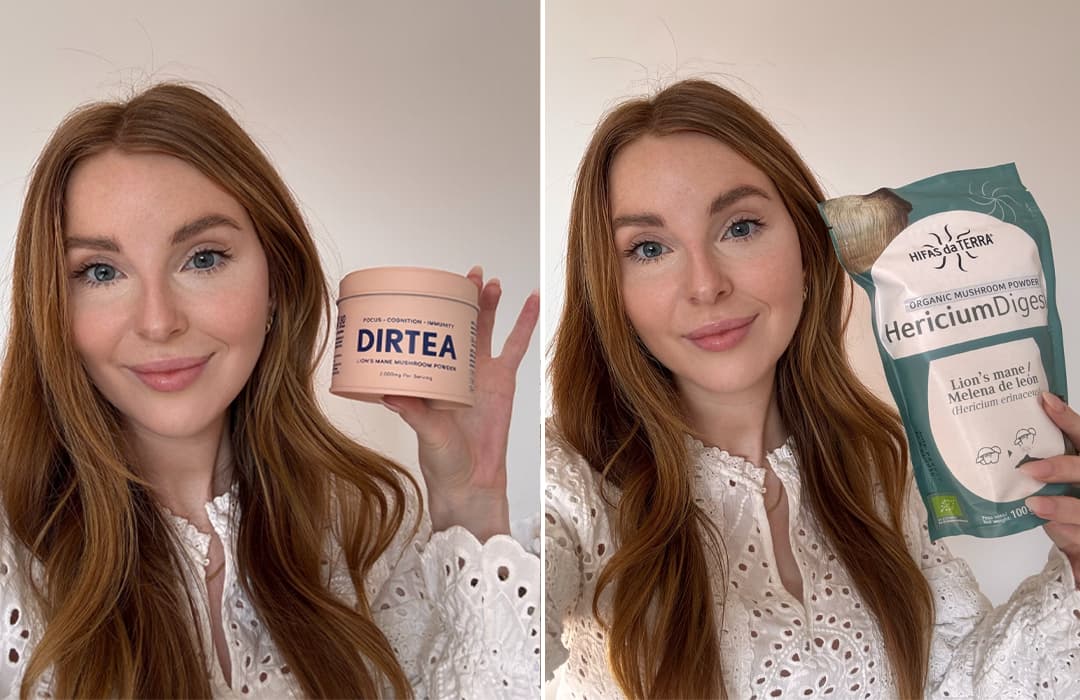
Best lion’s mane powder – Hifas Da Terra Lion’s Mane powder: £23.40, Healf.com
Best lion’s mane coffee – London Nootropics Flow coffee: £12.50, Healf.com
Best for adding to drinks – Dirtea focus powder: £34, Healf.com
Registered nutritionist Karen Preece Smith explains that “grain-based mycelium products can be up to half starch by weight, with very little active beta-glucan content.” So she recommends looking for a stated beta-glucan or polysaccharide percentage and third-party testing, “not just ‘1000mg lion’s mane’ on the label.”
Who can lion’s mane benefit?
The purported benefits of lion’s mane include sharper mental focus, improved immunity via improvements to gut health and the ability to soothe anxiety symptoms. Functional mushrooms rarely interact with other medicines; they cause very few side effects and people of all ages can take them.
In recent years they’ve become a particularly popular choice for menopausal people experiencing brain fog, teenagers struggling to focus during exams and people with ADHD.
Preece Smith says: “Early research shows beta-glucans can increase Akkermansia, a bacterial species that supports the gut lining. There’s also promising early evidence it may raise brain-derived neurotrophic factor, a protein involved in brain cell growth and maintenance, though most of that data is still preclinical or from small human trials.”
Lambert adds, “I wouldn’t describe it as a magic solution for brain fog, productivity or mental sharpness. I think the main thing is to keep expectations realistic.”
How do I take them and how often should I take them?
Lion’s mane supplements are safe to take every day, but that doesn’t mean they’re well tolerated by everyone. “I would be more cautious in pregnancy, breastfeeding and children, simply because we don’t have enough safety data in those groups,” advises Lambert.
Preece Smith adds: “Anyone with a known mushroom allergy should avoid it. I’d also urge caution for anyone on immunosuppressant medication or with an autoimmune condition, as lion’s mane can stimulate immune activity, and for anyone on blood thinners, given a theoretical effect on platelets.”
You can mix powders in with foods or choose to take capsules with water. Tinctures are also a great option for those who struggle to swallow tablets. Personally, I avoid gummies because they contain additional ingredients that aren’t necessary and often fail to deliver the reported dose on the packaging.
“I’d always suggest starting low, around 500mg, and building up over a couple of weeks to gauge tolerance,” offers Preece. However, this might be a challenge with pre-dosed capsules, so consider a powder that you can measure out or a tincture if you’re hesitant.
She adds: “It’s not a stimulant, so don’t expect an instant effect. Most people notice changes gradually, over several weeks. It’s a support, not a fix, and it works best alongside proper testing and a plan built around what your gut actually needs.”
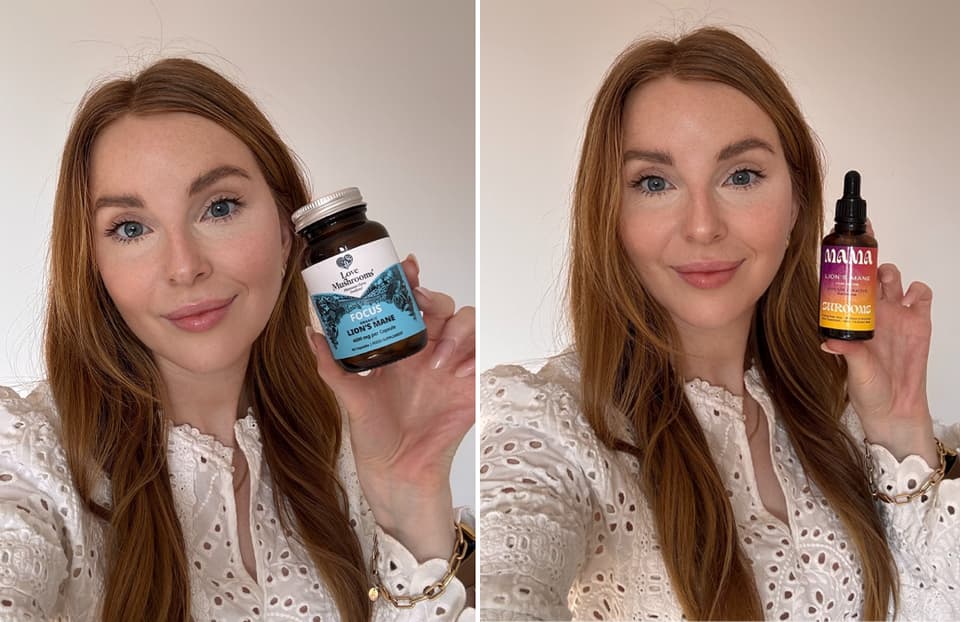
From capsules to coffee, some of these lion’s mane supplements I’ve taken for years
Emilie Lavinia/The Standard
I’ve tested some of the products on this list for several years, though some have more recently entered my rotation and were put to the test over the course of several months. I assessed packaging, provenance, dose, whether the supplements were third-party tested and whether they were easy to take. I also looked at each supplement’s reported beta-glucan content, extraction techniques and for other certifications such as organic and non-GMO.
What are the best lion’s mane supplements?
For the best lion’s mane supplement, it totally depends on what you want from your shrooms and how you like to take them. If beta-glucan content and value for money matter most, Hifas da Terra’s powder is the standout: 50 per cent beta-glucans (the highest on this list) for £26, from a brand with a genuinely industry-leading traceable supply chain.
If you want the ease of a capsule and don’t mind paying for it, Headstrong’s triple-extract capsules are certainly worth the £1-a-day price tag for the transparency around testing alone, not to mention the clever extraction methods.
Why trust me?
I’ve been taking lion’s mane on and off for four years as a brain fog fix (hormones be damned) after reading the available studies on functional mushrooms. Having been a health and wellbeing journalist for more than a decade, I’m well-versed in supplement due diligence, have learned to separate ridiculous claims from genuine science, and I’ve made it my mission to call out wellness washing and health misinformation.